
How to Sell a House That Was Used for Illegal Activities
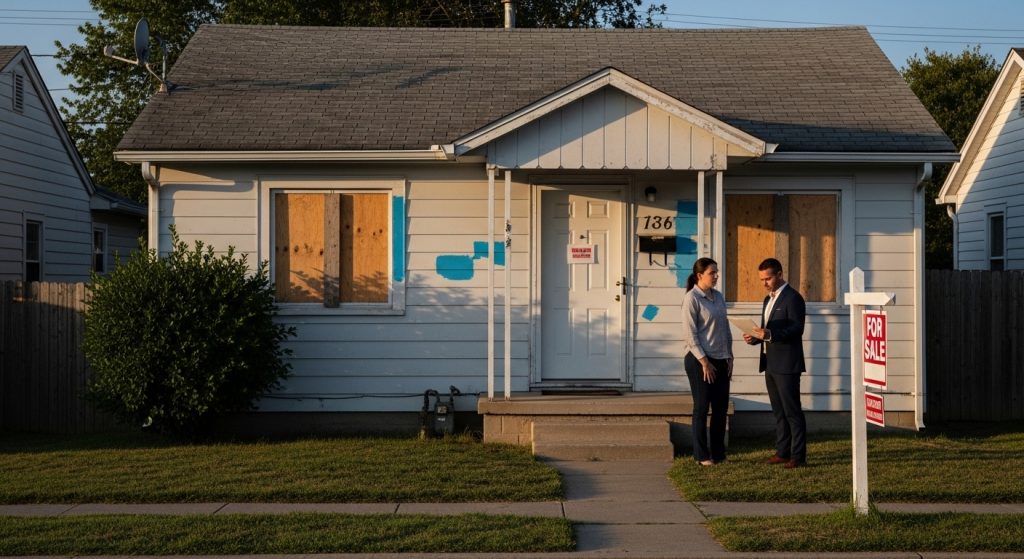
Selling a house that was used for illegal activities requires understanding your disclosure obligations, the type of buyer who can realistically close, and what documentation you need to protect yourself legally. According to the U.S. Environmental Protection Agency, meth lab properties carry significant health risks from chemical contamination and professional cleanup guidance is available for these situations. Cleanup for a contaminated property can range from $5,000 to $50,000 or more depending on the scope of the contamination. Properties without clearance certificates can only realistically be sold to cash buyers and investors who take on the remediation cost. The U.S. Consumer Product Safety Commission notes that chemical contamination documentation is essential before any sale or occupancy of a previously contaminated property. Transparency and a realistic price are the two things that keep these sales moving.
The Guide to Selling a House Fast During Personal Bankruptcy

Selling a house during personal bankruptcy is possible but it requires court approval before any transaction can proceed. According to the United States Courts, Chapter 7 bankruptcy involves liquidating non-exempt assets while Chapter 13 allows debtors to keep property and follow a repayment plan, both requiring court permission to sell real estate. Cash buyers are significantly better suited for bankruptcy home sales because they eliminate the financing fall-through risk that can force the entire court process to restart. After approval, a cash sale can close in 7 to 21 days compared to 45 to 90 days for a financed transaction. Working with a bankruptcy attorney from the start, cooperating fully with the trustee, and choosing a reliable cash buyer are the three things that keep the process moving toward a clean resolution.
Selling a Home When You Discover Black Mold and Cant Afford Remediation
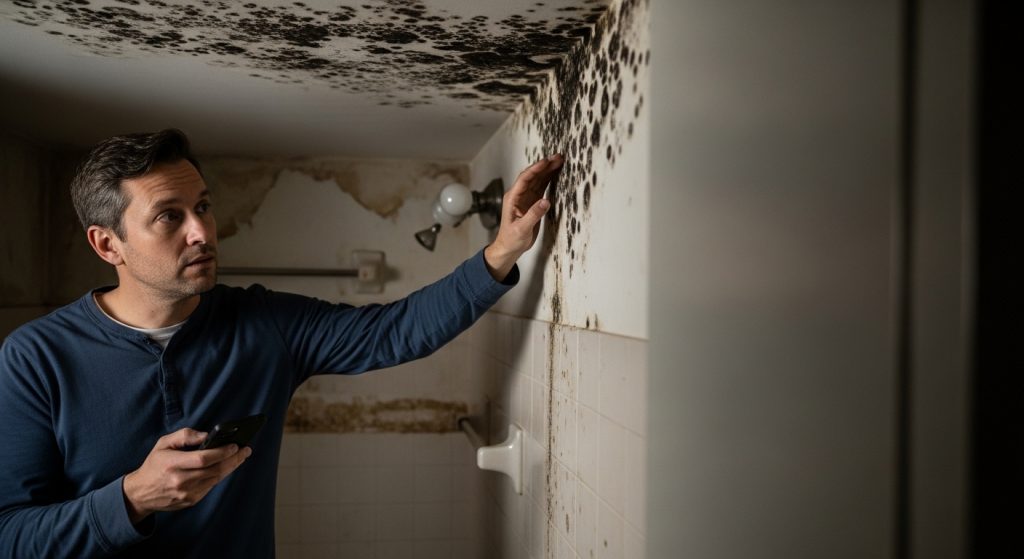
Discovering black mold when you cannot afford remediation does not have to stop your home sale. According to the U.S. Environmental Protection Agency, mold growth is almost always linked to moisture problems, and professional documentation of both the mold and its source is essential before approaching any buyer. Traditional lenders typically will not approve financing on a home with visible mold, which limits your buyer pool to cash buyers who purchase as-is and price the remediation cost into their offer. Professional mold remediation can cost anywhere from $500 for minor surface issues to $30,000 or more for structural problems. Disclosure is legally required in virtually all states, and sellers who skip it face serious post-sale liability. The right approach is to get a certified inspection report and let that documentation lead the process.
How to Handle Selling a House With Extensive Termite Damage Safely
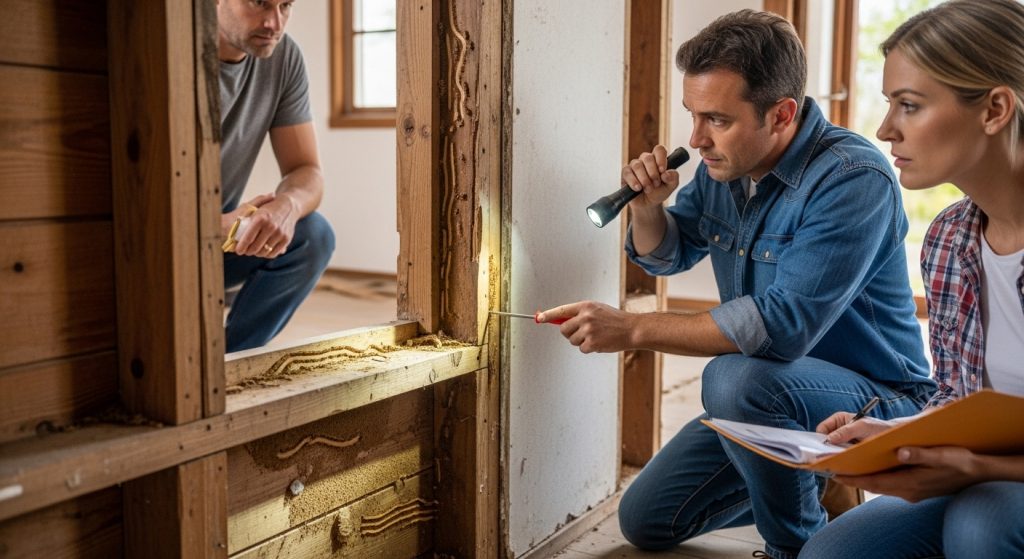
Selling a house with extensive termite damage is manageable when you approach it with transparency and the right buyer in mind. According to the U.S. Environmental Protection Agency, termites cause an estimated $5 billion in property damage annually across the United States, making this one of the most common issues sellers and buyers encounter. Cash buyers purchase termite-damaged homes as-is regularly, factoring the cost of repairs into their offer and closing in as little as 7 to 21 days with no repair requirement from the seller. Full disclosure of known termite damage is legally required in virtually all states and protects sellers from post-sale disputes. Getting a licensed pest control inspection report before reaching out to any buyer is the most important first step.
Selling a Property When You Can No Longer Afford the HOA Fees
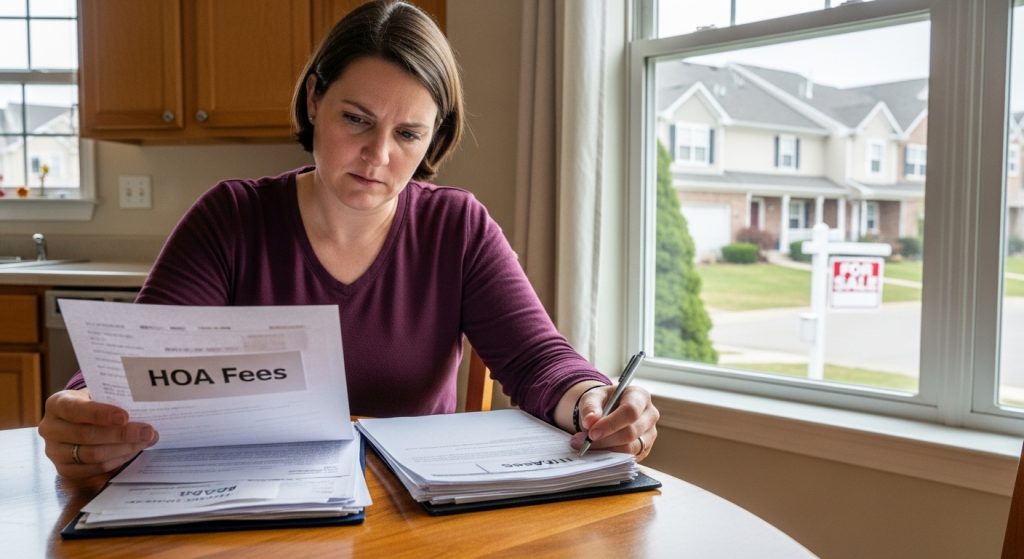
HOA fees that become unaffordable can escalate quickly into a serious financial problem. According to the Consumer Financial Protection Bureau, HOA liens can significantly complicate property sales and refinancing, and in some states HOAs have the legal authority to foreclose even when a mortgage is current. The good news is that selling a property with an HOA balance is very possible. The amount owed to the HOA gets paid at closing from the sale proceeds, just like a mortgage payoff. Research from the Urban Institute confirms that HOA fee growth has outpaced inflation in many markets, putting increasing pressure on homeowners in HOA communities. Selling to a cash buyer removes the financing complications that often arise from HOA disputes or delinquencies.
How to Sell a House Fast After a Sudden Job Relocation Notice

A sudden job relocation notice gives most homeowners very little time to sell before they face the cost of two housing payments at once. According to the Consumer Financial Protection Bureau, financing complications and last-minute deal collapses are among the most common reasons home sales fail to close on schedule. For relocation sellers, that risk is unacceptable when a hard start date is on the calendar. Selling directly to a cash buyer solves this by closing in 7 to 21 days with no financing contingency, no staging, and no deals falling apart at the last minute. The National Association of Realtors confirms that cash sales close faster and with lower collapse rates than financed transactions. Starting the process immediately after receiving your notice is the single most important step.
Selling a Small Apartment Building Fast to Cash Investors
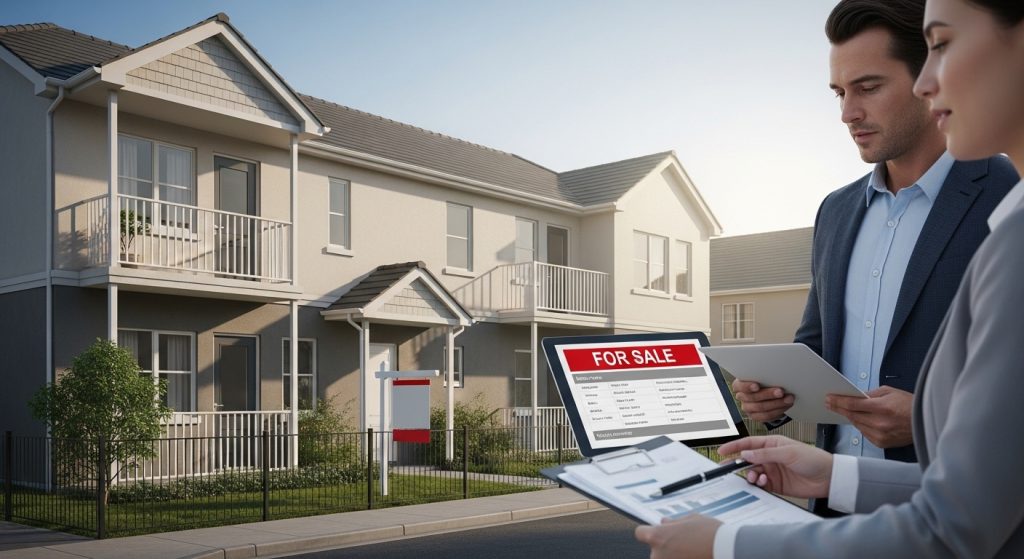
Selling a small apartment building to cash investors is often the fastest and simplest exit available to multifamily owners. According to the National Association of Realtors, small multifamily properties are among the most actively traded segments for private cash buyers, thanks to their combination of income potential and manageable size. Cash investors purchase buildings with tenants in place, buy as-is without repair requirements, and can close in 21 to 45 days compared to the 4 to 6 months or more that a traditional financed sale typically takes. Research from the Urban Institute confirms that private investor demand for the 2 to 20 unit segment remains strong. Organized financial documentation is the single best thing sellers can do to speed up the process and strengthen the offer they receive.
How to Partner With a Cash Home Buying Company as an Investor

Partnering with a cash home buying company gives investors access to consistent off-market deal flow without the time and effort of building a sourcing operation from scratch. According to the National Association of Realtors, investors in private buyer networks report higher deal velocity and better access to discounted properties than those competing exclusively on the open market. Partnership structures range from joining a VIP buyer list, to private lending, to joint ventures, each with different capital requirements and return types. Before committing, ask about the company’s track record, deal volume, and how they price properties. The investors who build the best partnerships are the ones who show up reliably and move fast when deals are presented.
Liquidating a Commercial Real Estate Portfolio Fast

Liquidating a commercial real estate portfolio quickly requires a different approach than selling individual properties. According to the National Association of Realtors, even a single commercial property can take six months to a year to close through traditional channels. Multiply that across a full portfolio and the timeline becomes untenable for owners who need capital fast. Selling the portfolio as a package to a single cash buyer compresses the entire process to 30 to 60 days, eliminates broker commissions on each asset, and removes the coordination burden of managing multiple simultaneous transactions. Organized documentation, the right buyer relationships, and realistic price expectations are the three things that make a fast portfolio exit actually happen.
How Cash Buyers Evaluate the Value of a Commercial Building

Cash buyers evaluate commercial buildings differently than traditional appraisers. Instead of relying solely on comparable sales, they calculate net operating income and cap rate to determine whether the asking price delivers a strong enough return. According to the National Association of Realtors, cap rate requirements vary by market, with buyers demanding higher returns in higher-vacancy or riskier locations. Physical condition is the second major factor, with every deferred maintenance item reducing the offer dollar for dollar based on estimated repair costs. Sellers who come prepared with 12 months of income statements, current leases, and capital improvement documentation tend to receive faster and stronger offers because they reduce the buyer’s perceived risk from the very first conversation.