
Selling a house that was previously used for illegal activities is one of those situations most sellers have no idea how to navigate. Whether the property was used as a drug manufacturing site, involved in fraud, or was the scene of other criminal activity, the history of that use creates real disclosure obligations and real challenges for getting the property sold through traditional channels. The good news is that cash buyers deal with properties like this regularly. The path forward requires honesty, documentation, and the right type of buyer.
What Types of Illegal Use Create the Biggest Sale Challenges
Not all illegal activity creates the same level of impact on a property’s salability. Some situations are primarily disclosure issues. Others involve actual physical contamination that requires documented cleanup before the property can be safely occupied. Here is what typically creates the most significant challenges:
- Methamphetamine manufacturing or processing, which leaves behind chemical residue in walls, floors, HVAC systems, and surfaces that requires professional hazmat cleanup
- Indoor marijuana grow operations, which often cause extensive mold, humidity damage, and electrical system modifications that are not to code
- Properties seized under federal asset forfeiture, which have specific legal title complications that must be resolved before sale
- Homes where serious violent crimes occurred, which in many states require disclosure even when there is no physical damage
- Properties used for fraudulent schemes where title may be clouded or liens may have been improperly placed
Disclosure Laws Around Illegal Use and What They Actually Require
Every state has different rules about what sellers must disclose regarding illegal activities that occurred on a property. Some states require disclosure of prior meth lab activity whether or not cleanup has been completed. Some states require disclosure of violent crimes that occurred on the property. Others have more limited requirements focused primarily on physical contamination rather than the nature of the prior use.
The bottom line for sellers is this: if you know illegal activity occurred on the property, talk to a real estate attorney before you list or approach any buyer. The disclosure requirements in your state will shape everything you do next. Failing to disclose when required opens you up to significant legal liability that can cost far more than the property is worth.
Meth Lab Properties and What Cleanup Actually Involves
Methamphetamine manufacturing leaves behind a range of toxic chemicals that absorb into walls, insulation, carpeting, and ductwork. Properties where meth was manufactured cannot simply be cleaned up with regular cleaning products. Professional decontamination by licensed hazmat contractors is required, and in many states the property must be tested and receive a clearance certificate before it can be legally occupied or sold to occupant buyers.
What the Cleanup Process Looks Like and What It Costs
Professional meth lab cleanup involves testing, removal of contaminated materials, treatment of surfaces, ventilation cleaning, and final clearance testing. The cost can range from $5,000 for a small-scale contamination to $50,000 or more for a property where manufacturing occurred extensively over a long period.
According to the U.S. Environmental Protection Agency, meth lab properties present significant health risks from chemical exposure, and the EPA has published cleanup guidance specifically for these situations. Many states have adopted their own standards that exceed the EPA’s baseline recommendations.
Here is a comparison of the key selling scenarios for a property with illegal use history:
| Situation | Buyer Pool | Timeline | Sale Price Impact |
|---|---|---|---|
| Full cleanup with clearance certificate | Traditional and cash buyers | Standard 30 to 90 days | Minimal, stigma may remain |
| Partial cleanup, no clearance | Cash buyers only | 14 to 45 days | Significant discount |
| No cleanup completed | Cash buyers and investors only | 7 to 30 days | Deep discount for cleanup cost |
| Non-contamination criminal history | Cash buyers, investor-focused | 14 to 45 days | Stigma discount, varies by market |
Selling a Meth Lab Property With and Without Full Cleanup
If you have completed the required decontamination and have a clearance certificate, the property can be sold through traditional channels once the required disclosures are made. Buyers can obtain financing on a property that has been professionally remediated and cleared, which opens up a much larger buyer pool.
If you have not completed the cleanup, or if the cleanup was incomplete, the property can only realistically be sold to a cash buyer or investor who will take on the cleanup themselves. The offer you receive will reflect the cleanup cost, and in some states the buyer may also face legal obligations around remediation before they can develop or occupy the property.
Properties With Criminal History That Did Not Cause Physical Damage
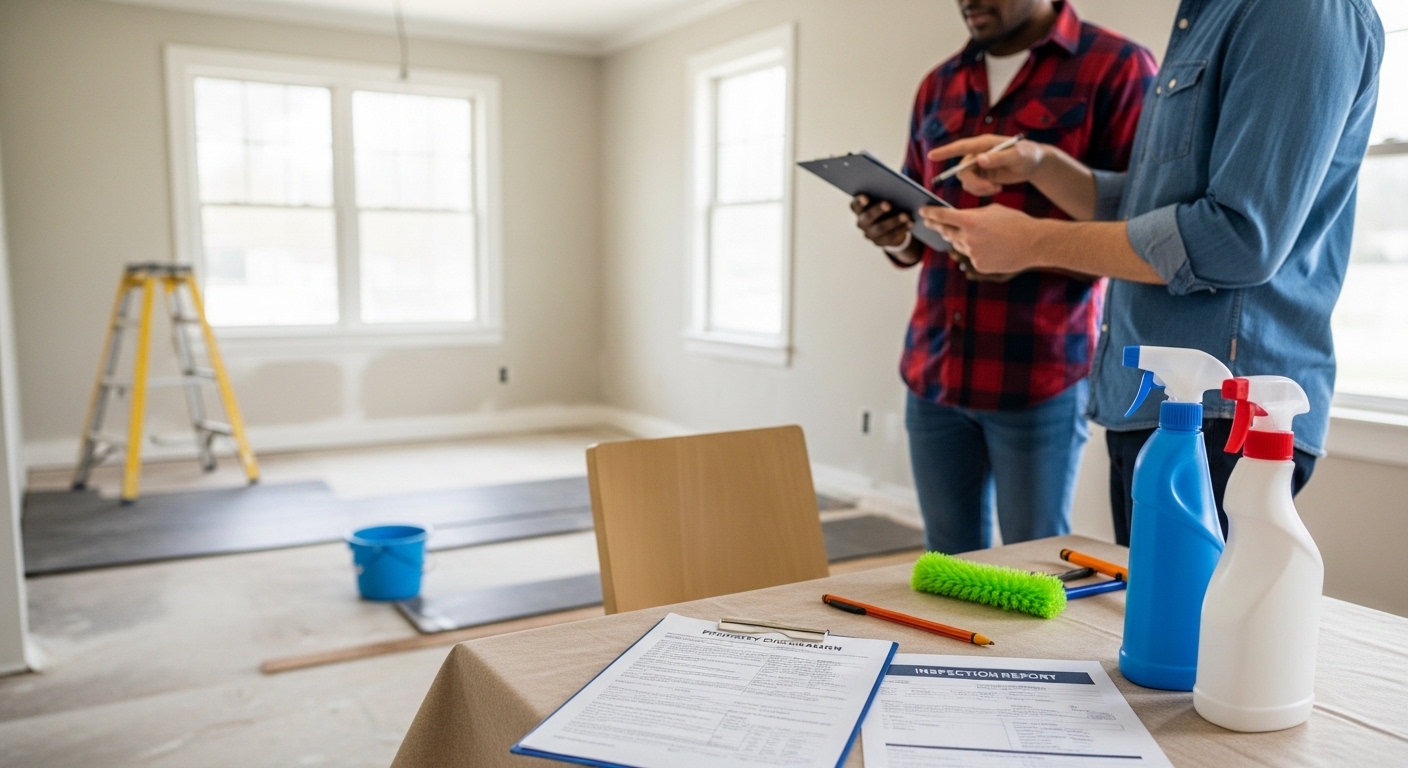
Some properties were used for illegal activities that did not cause physical damage but still carry a stigma that affects their sale. A home where a serious crime occurred, where fraud was perpetrated, or where criminal enterprises operated without causing structural damage still has a history that many buyers will be concerned about. The legal and emotional complexity of these sales is real, and handling them correctly requires the same organized, transparent approach as any other challenging property situation.
Stigmatized Properties and What Buyers Have the Right to Know
Many states have passed laws specifically about stigmatized properties, which are homes where events occurred that some buyers would consider undesirable even if there is no physical damage. In some states, sellers are required to disclose violent crimes that occurred on the property within a certain time period. In others, sellers are not required to disclose non-physical stigmas but cannot actively misrepresent the property’s history if asked directly.
Cash buyers and investors who purchase properties with complex histories are generally less concerned about stigma than traditional owner-occupant buyers. They are evaluating the property as an investment and they price the market impact of the history into their offer rather than walking away from the deal.
According to the U.S. Department of Housing and Urban Development, sellers are generally protected from having to volunteer information beyond what state law requires, but active misrepresentation of a property’s history exposes sellers to significant legal liability regardless of the nature of that history.
How to Find the Right Buyer for a Property With a Criminal History
The seller who gets the best result in these situations is the one who is honest, organized, and realistic about pricing. Cash buyers who specialize in difficult properties will ask direct questions about the property’s history. Answering those questions clearly and having documentation of any cleanup or legal resolution ready to share signals that you are a seller worth working with.
What makes these deals slow down or fall apart is usually incomplete information, unresolved title issues, or sellers who try to minimize what happened. An investor who discovers during due diligence that the history is worse than represented will either walk away or significantly reduce their offer. Front-loading the transparency tends to lead to faster, cleaner deals.
According to the U.S. Consumer Product Safety Commission, properties with known chemical contamination require professional assessment and documentation before sale or occupancy to protect the health and safety of future residents, and sellers who have this documentation ready are in a stronger position to facilitate a smooth transaction.
If your property also has physical condition issues on top of the legal history, our post on selling a house with extensive termite damage covers how to manage as-is sales with multiple overlapping challenges. And our post on what selling a house as-is actually looks like is a useful read for sellers approaching this for the first time.
To discuss how we work with properties that have complex histories, visit our residential property page. Or reach out directly through our contact page.
Conclusion
Selling a house that was used for illegal activities is a challenging but solvable problem. The path forward depends entirely on what type of illegal use occurred, whether physical remediation is required, what your state’s disclosure laws require, and what kind of buyer is realistic given the property’s current condition and history. Get legal advice before you approach any buyer. Get a professional assessment of any physical contamination. And choose a buyer who has experience with complex properties and can evaluate your situation accurately. Transparency and documentation are the two things that keep these deals moving.
Frequently Asked Questions
Do I have to disclose if my house was used as a meth lab?
In most states, yes. Many states have specific laws requiring disclosure of prior meth lab activity regardless of whether cleanup has been completed. The disclosure requirements vary by state, so speak with a real estate attorney in your jurisdiction before approaching any buyer.
Can I sell a house that was used as a meth lab without cleaning it up?
You can sell it to a cash buyer or investor, but you cannot sell it to traditional buyers using financing. Most lenders will not approve a loan on a property with known chemical contamination. Full disclosure is required, and the buyer takes on the cleanup obligation. The offer will reflect the expected cleanup cost.
Does a house where a crime occurred have to be disclosed to buyers?
It depends on the state. Some states require disclosure of violent crimes that occurred on the property within a certain number of years. Others do not require sellers to volunteer this information but prohibit active misrepresentation if a buyer asks directly. Check your state’s specific disclosure laws before selling.
How does illegal activity history affect a home’s sale price?
The impact depends on the type of activity and what cleanup has been completed. A property that required professional remediation but has a clean clearance certificate may sell close to market value with some stigma discount. A property that still has contamination or unresolved legal complications can see offers significantly below comparable clean properties.
Who buys houses with criminal histories?
Cash buyers and real estate investors who specialize in difficult properties are the primary buyers for these situations. They evaluate the property on its investment potential after accounting for any required cleanup or legal resolution costs. They are less concerned about stigma than owner-occupant buyers and more focused on whether the numbers work.