
Finding black mold in your home is the kind of discovery that makes your stomach drop. Suddenly you have a problem that is visible, serious-sounding, and expensive to fix, and your plans to sell just got a lot more complicated. But selling is still very much possible. Thousands of homeowners sell mold-affected properties every year. What matters is how you handle the disclosure, what buyer you target, and what you are willing to accept in terms of price versus speed.
Is All Mold the Same and What Makes Black Mold Specifically Concerning
Not all mold is created equal. The term black mold is commonly used to refer to Stachybotrys chartarum, which is one of many mold species that can grow in homes with moisture problems. It tends to show up in areas with prolonged water damage, like behind walls, under flooring, or in basements and crawl spaces.
What makes it significant for a home sale is that it is visible, it has a strong public reputation for health concerns, and most traditional buyers using financing will walk away or demand full remediation before closing. Lenders often require mold clearance before approving a loan on an affected property. This effectively limits your buyer pool to cash buyers and investors who can evaluate and price the risk themselves.
According to the U.S. Environmental Protection Agency, mold growth in buildings is almost always linked to moisture problems, and addressing the moisture source is as important as addressing the mold itself. This matters for sellers because treating visible mold without fixing the underlying water issue will likely lead to recurrence.
Your Disclosure Obligations and Why Skipping Them Is a Serious Mistake
In virtually every state, you are required to disclose known material defects to buyers, and black mold absolutely qualifies as a material defect. Sellers who have discovered mold and chosen not to disclose it have faced lawsuits years after closing, resulting in large damage awards to buyers who could prove the seller knew and said nothing.
The cleaner path is always disclosure. Get a professional mold inspection that documents exactly where the mold is, what type it is, and what remediation would cost. This report becomes the centerpiece of your disclosure and gives buyers accurate information to evaluate the property fairly.
The Real Difference Between Remediating First vs Selling As-Is
Most guides on this topic push sellers toward remediation before listing, and if you can afford it, that is often the right move. But the honest reality is that professional mold remediation can cost anywhere from $500 for a minor surface issue to $30,000 or more for extensive growth behind walls and in structural areas. For many homeowners, that is simply not an option.
What Remediation Actually Costs and When It Makes Financial Sense
Here is a realistic look at the cost comparison between remediating before selling versus selling as-is:
| Scenario | Typical Cost | Expected Outcome |
|---|---|---|
| Surface mold remediation | $500 to $3,000 | Opens up full buyer pool including financed buyers |
| Structural mold remediation | $10,000 to $30,000 or more | Full market value listing, longer sale timeline |
| Sell as-is without remediation | None | Cash buyer, lower offer, fast closing in 7 to 21 days |
| Sell as-is with partial remediation | $500 to $3,000 | Better offers from cash buyers, still fast close |
From what I have seen, the sellers who do best financially in mold situations are the ones who get a proper inspection, understand the scope of the problem, and make an informed decision rather than panicking. A mold issue a professional can treat for $1,500 is very different from one that requires tearing out walls across multiple rooms.
Why Cash Buyers Are Often the Only Realistic Option With Black Mold
Traditional lenders, especially FHA and VA loan programs, have strict requirements around property condition. A home with visible mold will typically not pass the appraisal requirements these loans demand. This means your effective buyer pool, if you are selling without remediation, is limited to cash buyers and investors who are not dependent on lender approval.
Cash buyers who specialize in as-is purchases deal with mold situations regularly. They will inspect the property, assess the remediation cost, and factor that into their offer. The offer will be lower than what you might get on the open market after remediation, but it removes the cost, stress, and time of managing a remediation project before you can even list.
According to the U.S. Department of Housing and Urban Development, government-backed mortgage programs have specific property condition standards that typically exclude homes with known health hazards including significant mold growth, which is why cash buyers are often the only viable path for sellers who cannot remediate before selling.
What to Do Right Now If You Just Found Black Mold and Need to Sell
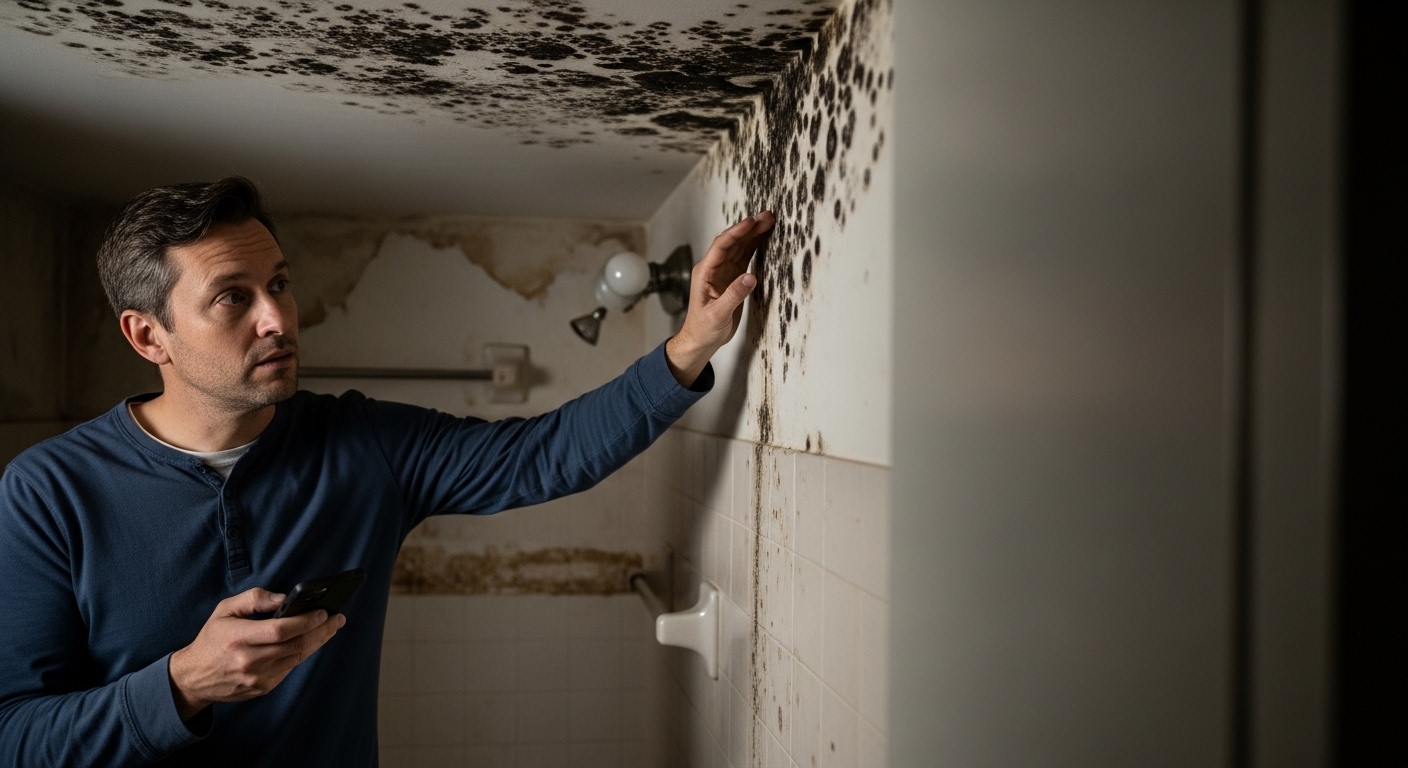

The first and most important thing is to stop and think before you do anything else. Do not try to paint over the mold, bleach it yourself and call it fixed, or assume a buyer will not notice. These approaches create legal liability and will almost certainly surface during any professional inspection a buyer orders.
The Steps That Protect You and Keep the Sale Moving
Getting organized before you approach any buyer protects you legally and makes the sale process faster. Here is what every seller in this situation should do:
- Get a professional mold inspection from a certified inspector and keep the written report
- Get at least two remediation estimates so you understand the cost range
- Document all known moisture issues that contributed to the mold growth, like roof leaks, plumbing leaks, or basement flooding history
- Prepare your written disclosure form that clearly states the presence of mold, its location, and that you have the inspection report available for buyers
- Decide whether any partial remediation is financially feasible before reaching out to buyers
What Sellers Get Wrong When They Are Trying to Move Fast
The biggest mistake sellers make when they discover mold and need to sell quickly is trying to manage the situation without professional documentation. They clean up what they can see, assume that handles it, and then end up in a dispute when the buyer’s inspection finds what they missed or when the mold returns because the moisture source was never addressed.
A proper inspection report is not just a legal protection. It is a sales tool. When you hand a cash buyer a report from a certified inspector that says exactly what the problem is and where it is, they can give you an accurate offer faster. Uncertainty is what slows down deals and lowers offers. Remove as much of it as you can with documentation.
According to the U.S. Consumer Product Safety Commission, indoor mold growth is a recognized residential health concern that sellers are expected to address or disclose, and documentation of known mold issues is increasingly standard in real estate transactions across most states.
If you are dealing with multiple property condition issues alongside mold, our post on selling a house with extensive termite damage walks through how to approach as-is sales with overlapping issues. And our post on selling a house as-is covers what buyers and sellers experience in an as-is transaction.
To learn how we handle purchases of homes with mold issues, visit our residential property page. Or reach out through our contact page and we will get back to you quickly.
Conclusion
Selling a home with black mold when you cannot afford remediation is a real situation with a real path forward. Get the professional inspection done, disclose everything clearly, and find a buyer who purchases properties as-is and knows how to price mold situations accurately. Trying to hide the problem or rush through without documentation creates legal risk and often makes the sale harder, not easier. The right buyer is out there, and they do not need a perfect home. They need honest information and a fair price.
Frequently Asked Questions
Do I have to disclose black mold when selling my home?
Yes. Black mold is a material defect and you are legally required to disclose it in virtually all states. Failing to disclose known mold can result in post-sale lawsuits from buyers who discover it after closing. Always get a professional inspection and document what you find.
Can I sell a home with black mold without fixing it first?
Yes, if you sell to a cash buyer. Traditional buyers using financing may not be able to get their loan approved on a property with known mold issues. Cash buyers purchase homes as-is and factor the remediation cost into their offer price.
How much does black mold affect the sale price of a home?
It depends on the extent of the problem. Minor surface mold in one area may reduce a cash offer by a few thousand dollars. Extensive structural mold growth can result in offers 10 to 20 percent below what the home would sell for in clean condition. Getting a professional remediation estimate helps you evaluate whether any cash offer is reasonable.
How long does mold remediation take?
Simple surface mold remediation can be completed in one to three days. Extensive mold removal that requires opening walls, replacing structural materials, and addressing moisture issues can take one to four weeks or longer depending on the scope of work.
What is the fastest way to sell a home with black mold?
The fastest path is selling directly to a cash buyer who purchases as-is. Get a professional mold inspection, prepare your disclosure documents, and contact a cash buyer with the full information ready. This approach can result in a closing in as little as 7 to 21 days without any remediation required from you.