
Selling a Strip Mall or Retail Space As-Is
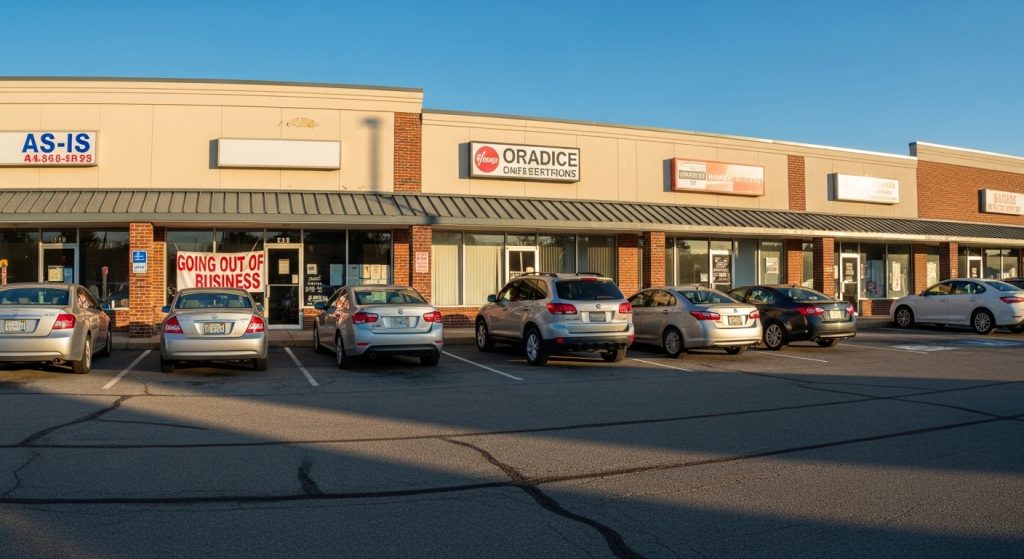
Selling a strip mall or retail space as-is is a real option that avoids the expense and delays of a traditional commercial listing. According to the National Association of Realtors, retail commercial properties have faced increasing marketing time in many U.S. markets due to e-commerce shifts and changing consumer patterns. A cash buyer who specializes in retail does not require you to fill vacant units, repave the parking lot, or replace aging building systems before making an offer. Those costs are factored into the offer price. The result is a faster closing, typically 21 to 45 days, with no pre-sale capital investment required from the seller. Getting your lease documents and maintenance records organized before reaching out can strengthen the offer you receive.
The Benefits of Buying Turnkey Rental Properties from Cash Buyers
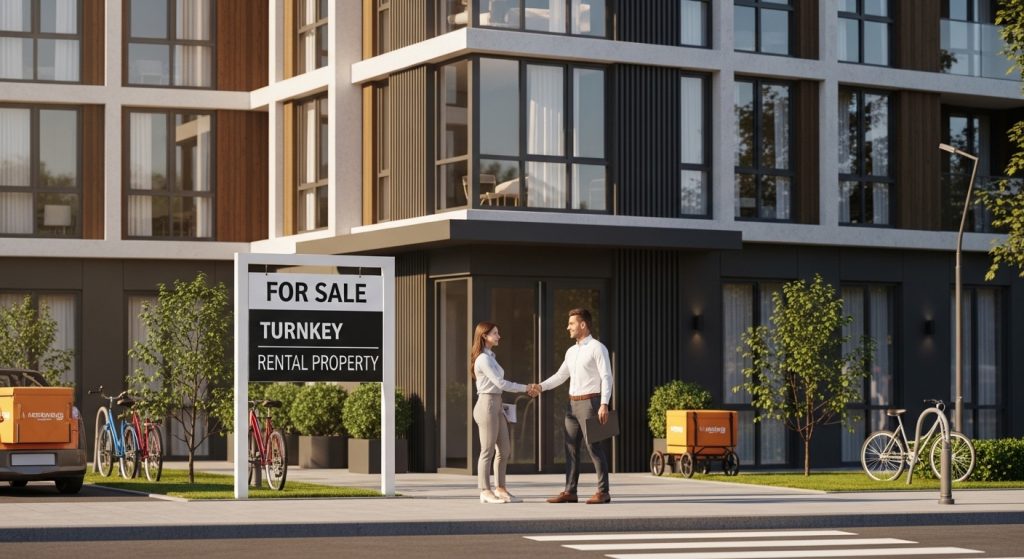
Turnkey rental properties from cash buyers offer a faster, simpler path to building a real estate portfolio compared to fixer-uppers that require months of renovation before generating any income. According to the National Association of Realtors, investors who work within established buyer networks consistently access better pre-vetted properties than those competing on the open market. With a turnkey rental, the income often starts on day one because an existing tenant is already in place. There are no renovation delays, no contractor management, and no vacancy risk during a lease-up period. Asking the right questions and verifying actual operating numbers before you buy protects you and sets your investment up for steady returns from the start.
How to Join a Real Estate Investor VIP List for Off-Market Deals

Getting on a real estate investor VIP list is one of the smartest moves you can make if you want access to off-market deals before they become public. According to the National Association of Realtors, a meaningful percentage of both residential and commercial real estate transactions happen entirely outside the public listing process. These private deals favor buyers with established relationships in investor networks and sellers who want speed and discretion. Whether you are a buyer looking for less competition or a seller who wants to connect with ready cash buyers quickly, understanding how VIP lists work gives you a real edge in any market.
Why Commercial Real Estate Owners Prefer Cash Sales

Commercial property owners across the country are increasingly choosing cash sales over traditional broker listings, and for good reason. According to the National Association of Realtors, commercial transactions often take six months to a year to close through conventional channels. During that time, owners continue paying property taxes, insurance, maintenance, and loan payments, easily $5,000 to $20,000 per month or more. Add broker commissions of 4 to 6 percent and the risk of deals collapsing at the last minute due to financing issues, and the net advantage of a higher listed price often disappears. Cash buyers close in 21 to 45 days, purchase properties as-is, and remove financing uncertainty entirely.
Selling an Empty Warehouse or Industrial Space Quickly

Empty warehouses and industrial spaces often sit on the market for months when listed traditionally, because most financed buyers need to see income before they commit. According to the National Association of Realtors, vacant commercial properties take significantly longer to sell than stabilized ones. Every month a warehouse sits empty, the owner pays property taxes, insurance, and maintenance with nothing coming in. Selling directly to a cash buyer who specializes in industrial properties removes the financing requirement, skips broker commissions, and can close in as little as 21 to 45 days. You do not need to make repairs or wait a year for the right traditional buyer to show up.
How to Calculate if Your Rental Property is Worth Keeping or Selling

The decision to keep or sell a rental property should be based on real numbers, not just gut feeling. Key metrics like cash flow, cap rate, and return on equity tell the real story. Most investors target at least $100 to $200 per unit in monthly cash flow after expenses, and a cap rate above 4% to 5% depending on the market. If your rental is below those benchmarks and maintenance is eating into what is left, the math often points toward selling. According to the National Association of Realtors, landlords most often cite appreciation gains and better investment opportunities as their top reasons for selling. This guide walks you through every calculation you need to make the right call.
How to Sell an Underperforming Commercial Property for Cash

If you own a commercial property that is not generating enough income to cover its costs, holding on can become more expensive than selling. Traditional commercial listings often take six months to a year to close, according to the National Association of Realtors, which means months of continued carrying costs with no relief in sight. Selling directly to a cash buyer cuts that timeline to as little as 21 to 45 days. Cash buyers who specialize in commercial assets regularly purchase vacant, distressed, or underperforming properties and already factor in repair costs and risk when making their offer. You do not need to fix the property first or work through a broker.
Selling a Rental Property Because of Continual Maintenance Headaches
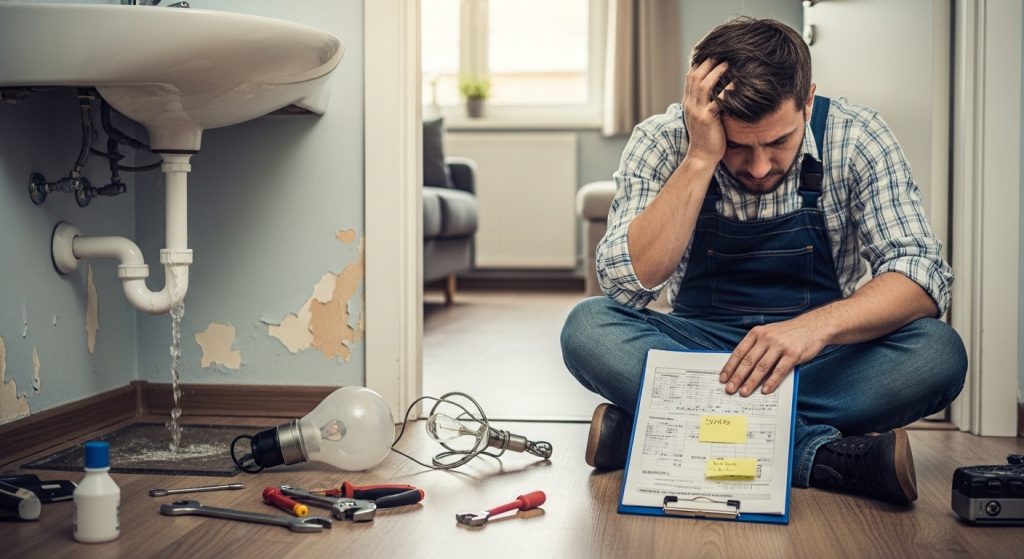
Constant maintenance is one of the most common reasons landlords decide to sell a rental property. According to the National Association of Realtors, ongoing repair costs and management stress are among the top reasons landlords exit the rental market. The 1% rule suggests annual maintenance should not exceed 1% of a property’s value, but many landlords end up spending far more than that on older or problem properties. If that sounds familiar, selling the property in as-is condition to a cash buyer might be your cleanest exit. This guide walks you through the signs it is time to sell, your options for doing it fast, and what to expect from the process.
How Fast Can I Get the Money After Closing a Cash Sale

After a cash home sale closes, most sellers receive their money the same day via wire transfer, or by the next business day at the latest. The full timeline from accepting a cash offer to having funds in your bank account typically runs just 7 to 14 days, compared to 30 to 60 days with a traditional financed sale. According to the National Association of Realtors, sellers in cash transactions frequently cite speed and simplicity as major advantages. The exact timing of your payout depends on when closing documents are signed and your title company’s wire cutoff time. Knowing these details in advance can help you avoid an unnecessary extra day of waiting.
How to Sell a Rental Property with Section 8 Tenants in Place

Selling a rental property with Section 8 tenants in place is more manageable than most landlords expect. According to the U.S. Department of Housing and Urban Development, the Housing Choice Voucher Program assists more than 2.3 million households across the country each year. That means thousands of landlords face this situation annually. The key is understanding your Housing Assistance Payment contract, following proper tenant notice requirements, and choosing the right type of buyer. Whether you sell to another investor or need to ask a tenant to vacate, this guide walks you through every step so you can sell without legal trouble or unnecessary delay.