
If you have sold a home in the past few years, you know the appraisal can be one of the most stressful parts of the whole process. You accept an offer, everything looks good, and then the appraisal comes in low. Suddenly the deal is in trouble and you are scrambling to renegotiate.
That process is changing. Artificial intelligence is making its way into home appraisals across Southern California, and it is reshaping how homes get valued, how fast appraisals happen, and what sellers can realistically expect when they go through the process.
Let me walk you through what is actually happening, what it means for you as a homeowner or seller, and whether any of this should concern you.
The Traditional Home Appraisal and Its Problems
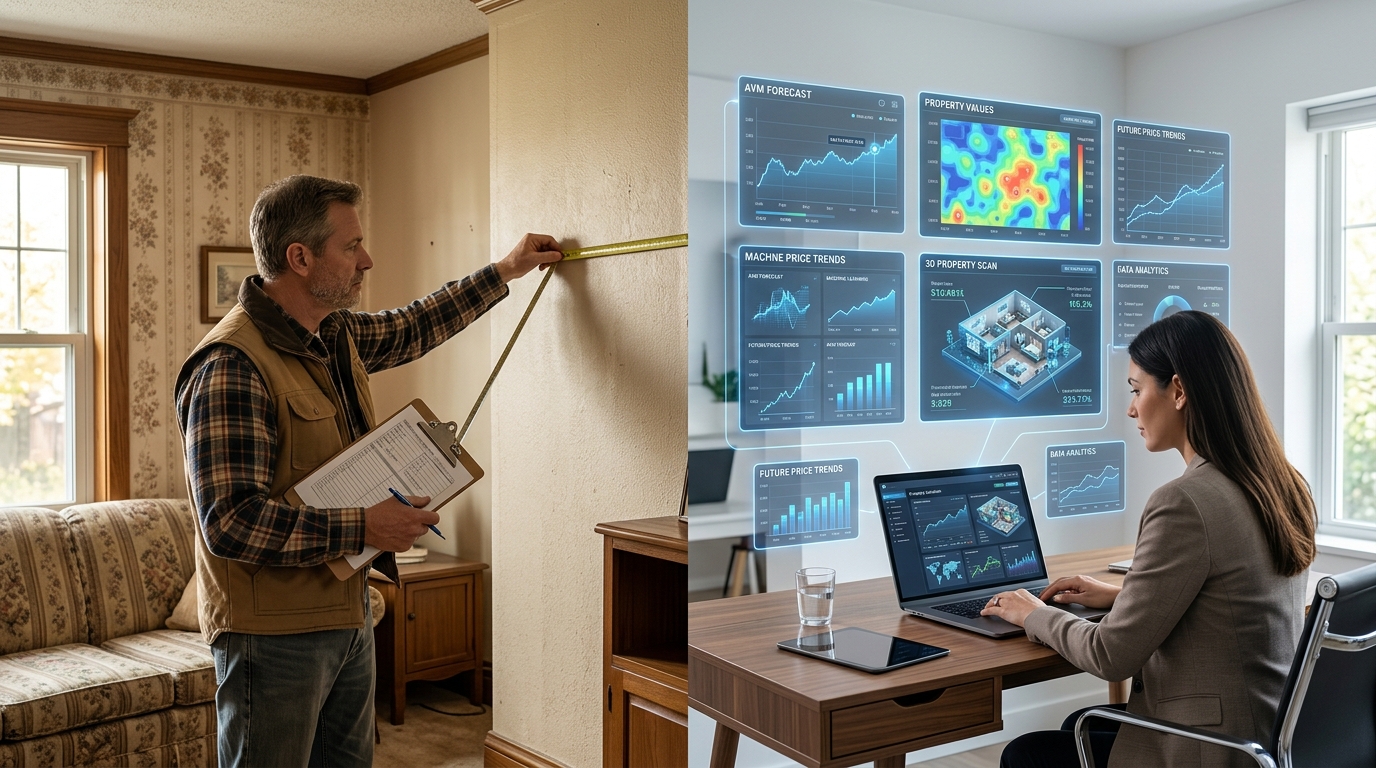
A traditional home appraisal involves a licensed appraiser physically visiting your home, comparing it to recently sold properties in your area called comparable sales or comps, and writing up a report with their estimate of market value. That report usually takes a week or two, costs $400 to $700 in most Southern California markets, and holds enormous power over whether your home sale closes at the agreed price.
The problem is that this process is slow, sometimes inconsistent, and heavily dependent on the individual judgment of the appraiser. Two appraisers looking at the same home can come to different conclusions, and that variability has been a source of frustration for sellers, buyers, and lenders for a long time.
How AI Is Entering the Appraisal World
Over the past few years, major players in the mortgage and real estate industry have started building automated valuation models, or AVMs, powered by machine learning and AI. These tools pull from massive datasets of property records, recent sales, tax assessments, neighborhood trends, and more to generate a property value estimate almost instantly.
According to Fannie Mae, which backs a large portion of U.S. mortgages, AI-powered appraisal tools are increasingly being used to support or in some cases replace traditional appraisals for lower-risk loans. They call these hybrid appraisals and desktop appraisals, and they are already being used for many home purchases and refinances across California.
What AI Appraisal Tools Actually Look At
Data Points That Drive AI Property Valuations
AI valuation models are not guessing. They are analyzing enormous amounts of structured data to arrive at a number. Understanding what these tools look at helps you understand how they might value your home and where the limitations are.
- Recent comparable sales in your immediate area, often within half a mile
- Days on market for similar homes and how long listings are sitting
- Square footage, bedroom and bathroom count, and lot size from public records
- Property tax assessment history and any recorded improvements
- Neighborhood price trends over 3, 6, and 12 month windows
- School district ratings and proximity to amenities
- Permit records for any additions or renovations on file
- Foreclosure rates and distressed sale ratios in the surrounding area
Where AI Appraisals Have Real Limitations
For all the power of AI, these tools still struggle with things that a human appraiser can see with their own eyes. A freshly remodeled kitchen, a beautifully landscaped yard, an ocean view, or a brand new HVAC system all add real value to a home, but if these features are not on record somewhere, the AI may completely miss them.
The Appraisal Institute, the professional organization for licensed appraisers in the United States, has raised concerns that over-reliance on automated tools without a physical inspection can lead to inaccurate valuations, particularly for properties with unique features or in neighborhoods with few recent sales to compare against.
In Southern California, where you can have very different property types on the same block, including historic bungalows next to modern renovations, this limitation matters a lot.
How This Affects You as a Seller in Southern California
The Good News for Sellers
Here is what most sellers do not realize: AI appraisals can actually work in your favor in certain situations. If your home is in a neighborhood where prices have risen quickly, AI tools that pull real-time sales data may value your property more aggressively than a traditional appraiser using comps from six months ago. That can mean a higher appraised value and less chance of your sale being derailed by a low appraisal.
Also, faster appraisals mean faster closings. In a hot area like Los Angeles or Orange County, shaving one to two weeks off the appraisal process can make the difference between a deal closing on time and a buyer getting cold feet while waiting.
If you are curious about how your home’s appraised value compares to what you might actually walk away with after a sale, read this post on why a high estimated value does not always mean high net proceeds. It is a really important distinction that a lot of sellers miss.
The Challenges Sellers Need to Know About
The flip side is that AI models can also undervalue homes with features that are not in any database. If you built a custom pool, added a high-end outdoor kitchen, or put in a detached guest suite, that information may not exist in any public record. To an AI, your home could look similar to an unimproved house down the street.
This is especially a concern in older Southern California neighborhoods where renovation records are inconsistent. If your buyer is relying on a desktop appraisal or a hybrid appraisal for their loan, and the AI misses key improvements, you could face a valuation gap that puts your deal at risk.
| Appraisal Type | How It Works | Speed | Best For |
|---|---|---|---|
| Traditional Appraisal | Licensed appraiser visits the home | 1 to 2 weeks | Unique or complex properties |
| Desktop Appraisal | Appraiser reviews data without a visit | 3 to 5 days | Low-risk standard loans |
| Hybrid Appraisal | AI data plus brief inspection by a third party | 5 to 7 days | Mid-range properties with clear comps |
| Automated Valuation Model | Fully AI-driven, no human appraiser | Instant | Refinances and cash buyer estimates |
Protecting Yourself When AI Gets It Wrong
Document Everything About Your Home Before Selling
One of the smartest things you can do before listing your home is create a thorough record of every improvement you have made. Pull your permits, keep your contractor invoices, and write up a clear list of what has been updated, when, and by whom. When you share this with an appraiser, whether human or a company reviewing an AI model’s output, you give them a reason to adjust the valuation upward.
The Consumer Financial Protection Bureau notes that homeowners have the right to request a copy of their appraisal after a loan transaction, and they can challenge an appraisal they believe does not reflect the property’s actual value. Knowing this going in gives you a tool if the number comes in lower than expected.
Consider a Cash Sale to Skip the Appraisal Problem Entirely
If the whole appraisal process sounds like something you would rather avoid, there is a straightforward solution. Selling directly to a cash buyer eliminates the appraisal requirement entirely. Cash buyers set their own purchase price based on their assessment of the property. No lender, no appraisal, no valuation gap to negotiate around.
This is one of the biggest reasons LA homeowners dealing with unique or hard-to-appraise properties choose the cash sale route. For example, our post on selling fire-damaged property and whether a cash sale or insurance payout makes more sense shows exactly how this kind of situation plays out in the real world.
If you want to find out what a cash buyer would offer for your home today, without dealing with any appraisal at all, visit the Buy Your Properties home page for an overview of how it works. Or reach out directly through the Contact Us page and we will be happy to walk you through your options.
Conclusion
AI is not replacing appraisers overnight, but it is changing the appraisal process in ways that Southern California sellers need to understand. Faster valuations, more data-driven pricing, and hybrid appraisal models are all part of the new normal. The key is knowing how these tools work, where they fall short, and how to protect your home’s value when the process does not go your way.
Whether you go the traditional route or choose to sell directly to a cash buyer and skip the appraisal entirely, the more you know about this process, the better your outcome will be.
Frequently Asked Questions
What is an AI appraisal for a home?
An AI home appraisal uses automated valuation models powered by machine learning to estimate a property’s value based on public data, recent sales, and neighborhood trends. It can happen instantly or within a few days, much faster than a traditional appraisal.
Are AI home appraisals accurate in Southern California?
They can be accurate in areas with lots of comparable sales data, but they tend to struggle with unique homes, properties with unreported improvements, or neighborhoods with limited recent sales history. Human review is still important in these cases.
Can AI appraisals hurt my home sale?
They can if your home has features or improvements not captured in public records. An AI may undervalue your property because it cannot see what a human appraiser would notice during a physical visit. Documenting all improvements helps protect you in these situations.
What is a hybrid appraisal?
A hybrid appraisal combines AI-generated data with a brief physical inspection by a trained third party, but not necessarily a licensed appraiser. The full report is then completed by an appraiser reviewing both the data and the inspection notes remotely.
How can I avoid appraisal issues when selling my home?
The easiest way is to sell to a cash buyer, who does not need a lender-ordered appraisal. If you plan to sell on the open market, document all improvements thoroughly and be prepared to challenge a low appraisal with supporting evidence of your home’s value.