
Why Listing High on Zillow Often Means Walking Away With Less
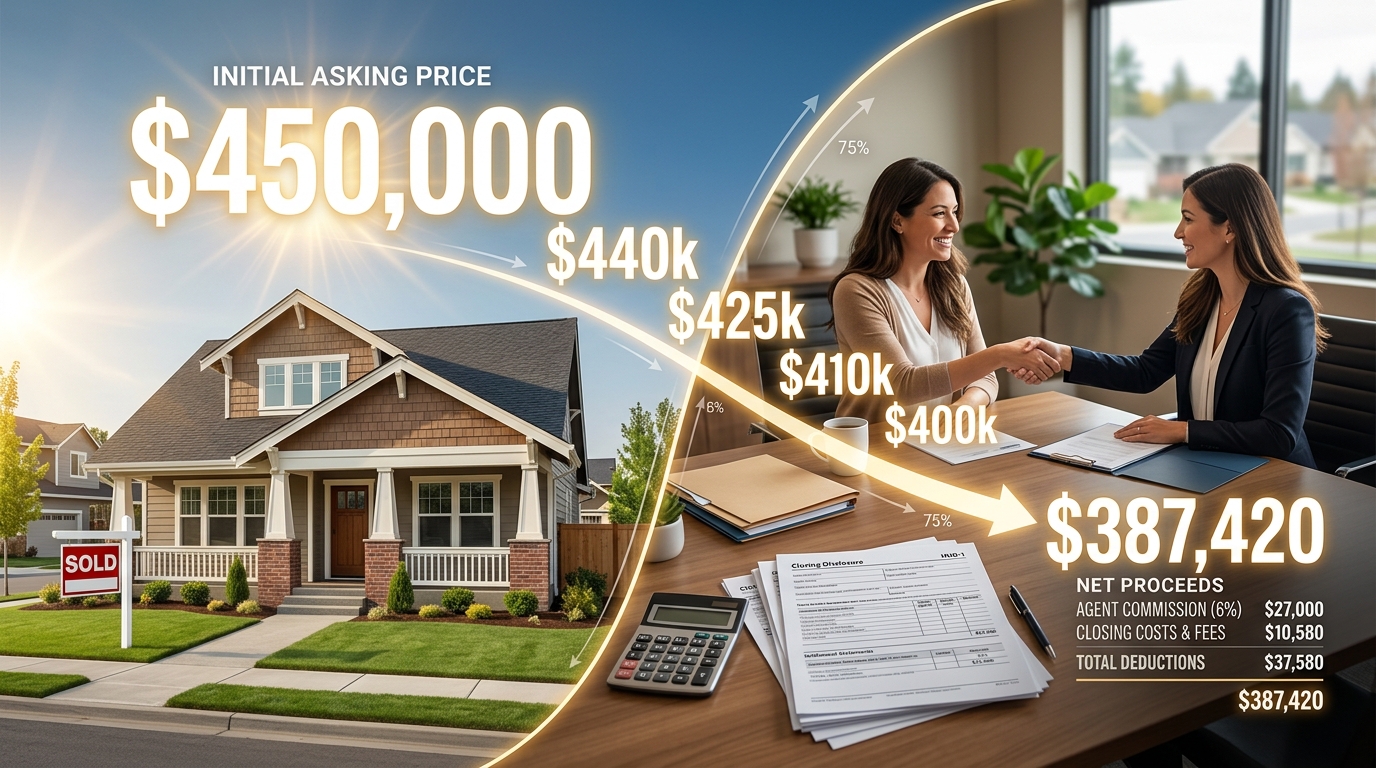
You set a high asking price, you put the home on Zillow, and you wait for the offers to roll in. Sounds like a solid plan, right? Well, here is the thing most sellers find out the hard way. A high price on Zillow does not equal a high check at closing. In fact, it can do the opposite.
What the Zillow Price Actually Means
The Zestimate Is Not a Guarantee
A lot of sellers see their Zestimate and think, “Great, my home is worth this. Let me list it right there.” The problem is the Zestimate is an algorithm. It does not know your carpet is ten years old or that your neighbor just sold for less because of a bad roof. It works off public records and past sales data that can be months or even a year behind the real market.
I once talked with a seller who listed $50,000 above what local agents recommended, all because the Zestimate said so. Her home sat on the market for over four months. She ended up dropping the price twice and sold for less than she would have if she had priced it right from the start.
How Overpricing Hurts Your Bottom Line
When a home is priced too high, buyers skip right past it. Most of them never even schedule a showing. According to a 2024 report from the National Association of Realtors, homes with multiple price reductions sold for an average of 6.7% less than homes priced correctly from day one. That gap is real money out of your pocket.
And it gets worse. The longer your home sits, the more days on market climb. Buyers start to wonder what is wrong with it. They come in low, knowing you are getting desperate. What started as a “high price” strategy slowly turns into a low-net outcome.
The Hidden Costs That Eat Your Proceeds
Carrying Costs Add Up Every Month
Every extra month your home sits on the market costs you money. Think about it: mortgage payments, utility bills, property taxes, lawn care, and homeowners insurance do not stop just because your home is listed. If your home sits for three extra months because of an inflated price, those costs quietly chip away at your final number.
According to data from Bankrate, the average price cut on a home in 2024 was about 3% of the list price. That is $12,000 on a $400,000 home, gone before negotiations even start. Then add in the months of carrying costs, and the picture gets even less comfortable.
Price Reductions Send the Wrong Signal
Here is something sellers rarely think about. When you cut your price on Zillow, every buyer watching your listing gets a notification. They see the drop. And what do buyers think when they see a price cut? They think something must be wrong, or they think they can lowball this seller even more.
A price cut turns your home into a target for below-market offers. What you lost by overpricing, you rarely get back through negotiation.
What Happens to Buyers When You Price Too High
Buyers Do Their Homework Now
Today’s buyers are sharp. They spend weeks on Zillow, Redfin, and other platforms before they ever call an agent. They know what homes in your zip code are selling for. When your home is priced noticeably higher than comparable homes, also called comps, buyers move on without a second thought.
According to Zillow’s own research published in 2025, the median home sold at 98% of its original listing price. That is only true when the home is priced correctly to begin with. When it is overpriced, that percentage drops fast.
| Pricing Strategy | Average Days on Market | Final Sale vs. List Price |
|---|---|---|
| Priced at market value | 15 to 27 days | 98% to 100% |
| Overpriced by 5% to 10% | 45 to 90 days | 91% to 95% |
| Multiple price reductions needed | 90 or more days | 85% to 92% |
The Stale Listing Problem
Real estate agents call it a “stale listing.” When a home has been sitting on Zillow for 60 or more days, buyers assume there is something wrong with it, even if there is not. The longer it sits, the harder it becomes to generate real interest without a major price cut.
According to Redfin, about 24.3% of all listings in March 2025 had at least one price drop. Many of those sellers started out trying to test the market with a high number. Most of them ended up selling for less than a well-priced home would have earned.
How to Price Your Home for the Best Net Outcome
Focus on Net Proceeds, Not List Price
The number on your Zillow listing is just the starting point. Your real goal is the net proceeds, which is what you actually take home after paying off your mortgage, closing costs, agent commissions, and any buyer credits.
Here is what smart sellers look at when setting a price:
- Comparable sales (comps) from the last 60 to 90 days in your area
- Days on market for similar homes that actually sold
- Price per square foot averages in your neighborhood
- Feedback from two or three local agents before setting a price
- Current buyer demand and local inventory levels
When you price your home competitively from the start, you create urgency. Buyers know the window to act is short. That can lead to multiple offers, and multiple offers push your final sale price up, not down.
Work With Someone Who Knows Your Market
A listing agent who specializes in your zip code will know what buyers in your area are actually paying. They track active listings, pending sales, and recently closed transactions. Their pricing recommendation, backed by a comparative market analysis (CMA), is almost always more accurate than a Zestimate.
Research from HousingWire covering a Zillow study in 2025 found that sellers who kept their home off the MLS typically lost nearly $5,000 in proceeds compared to homes that listed on the open market. Exposure and proper pricing work together.
If you want to learn more about how selling your home works and what to expect at each step, visit our page on how to sell your house fast for a full breakdown. You might also want to read about how equity works when you sell before closing since it connects directly to what you walk away with. And if you are trying to figure out what your total tax bill might look like after the sale, check out our guide on capital gains tax exemptions for homeowners.
For personalized help with your home pricing strategy, contact us here.
Conclusion
Listing your home high on Zillow feels like a smart move. But the data tells a different story. Overpriced homes sit longer, attract lowball offers, and almost always end up selling for less than a correctly priced home. Your goal is not the highest listing price. Your goal is the highest net proceeds at the end of the deal. Price it right from day one, and you give yourself the best shot at that outcome.
Frequently Asked Questions
Does a high Zillow price guarantee a higher sale?
No. A high listing price does not guarantee a higher sale. It often does the opposite. Overpriced homes sit longer and end up selling below market value after multiple price cuts.
How accurate is the Zillow Zestimate?
The Zestimate is based on an algorithm using public records and past sales data. It can be off by thousands of dollars in either direction. A local agent’s comparative market analysis is a much more reliable tool for pricing your home.
What happens if I overprice my home?
Your home will likely sit on the market longer than comparable homes. Buyers will skip past it. You may have to cut your price, which signals to buyers that you are motivated and can lead to even lower offers.
How do I figure out the right price for my home?
Ask two or three local agents for a comparative market analysis based on homes that sold in the last 60 to 90 days in your area. That gives you a real market picture, not an algorithm estimate.
What are net proceeds and why do they matter?
Net proceeds are what you actually take home after paying off your mortgage, agent commissions, closing costs, and any credits to the buyer. That is the number that matters most, not your listing price.