
Selling a rental property that has Section 8 tenants is not the nightmare most landlords expect it to be. If you know the rules and follow the right steps, you can close the deal without drama, delays, or legal trouble. The key is understanding what Section 8 actually requires from you as a seller.
How the Housing Choice Voucher Program Works
Section 8, officially called the Housing Choice Voucher Program, is a federal rental assistance program run by the U.S. Department of Housing and Urban Development. The government pays part of the rent directly to the landlord on behalf of qualified low-income tenants.
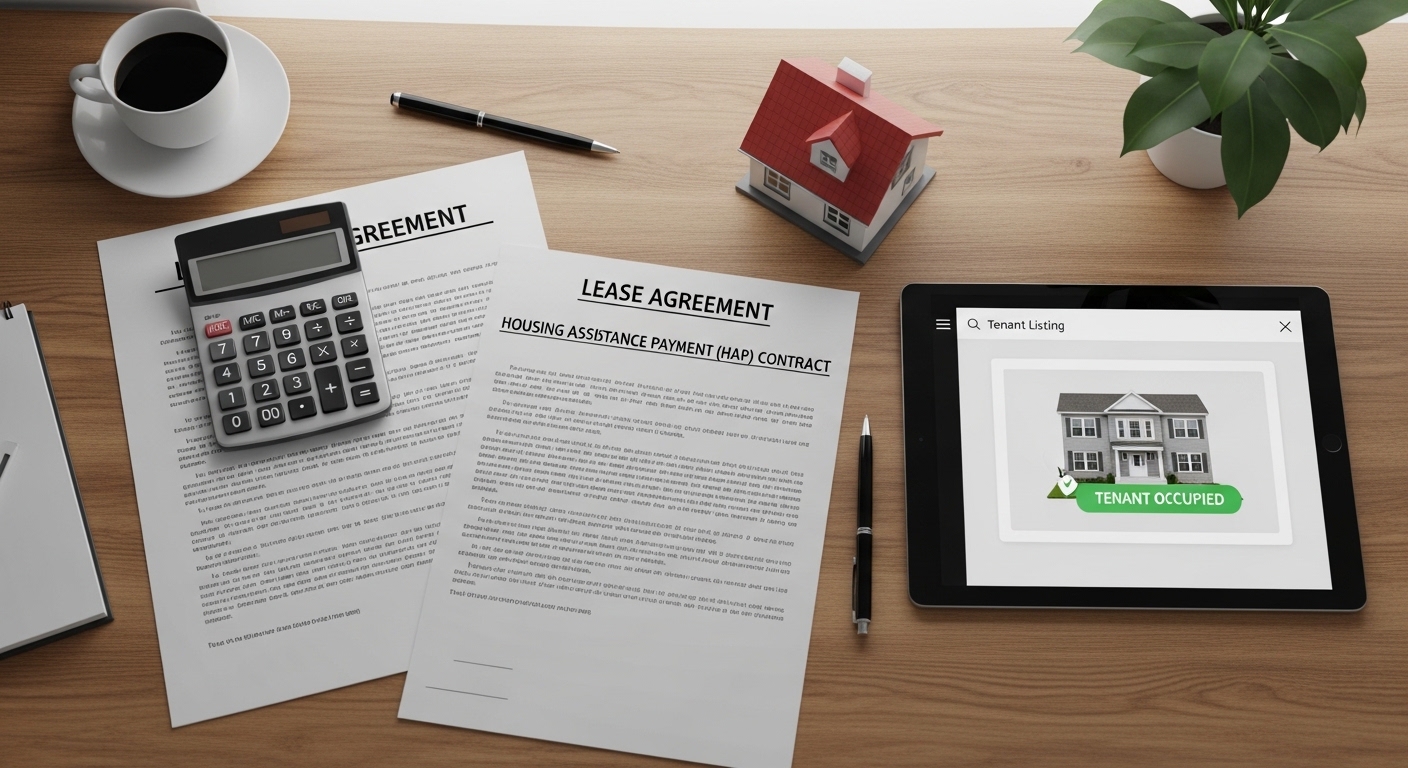
As the property owner, you have a contract with your local housing authority called a Housing Assistance Payment (HAP) contract. That contract does not automatically transfer when you sell. The new owner decides whether to take it on or not.
According to the U.S. Department of Housing and Urban Development, the Housing Choice Voucher Program assists more than 2.3 million households annually across the United States. That is a lot of landlords who eventually face this exact question when they decide to sell. (Source: HUD Housing Choice Voucher Program)
Your Legal Obligations to Tenants Before You Sell
Here is where most landlords get nervous, and honestly, I get it. Section 8 comes with tenant protections that go beyond standard lease terms. You cannot just tell a Section 8 tenant to leave because you want to sell.
If the tenant has a fixed-term lease, they have the right to stay until that lease ends, regardless of the sale. If they are on a month-to-month arrangement, the notice requirements depend on your state’s laws and the terms of your HAP contract.
Before you list the property, review your lease agreement and your HAP contract carefully. Talk to a local real estate attorney who understands landlord-tenant law in your state. Skipping this step has cost more than a few landlords serious time and money.
Selling to a New Landlord vs. Selling to an Owner-Occupant
When a New Landlord Buys the Property
If you sell to another investor or landlord who wants to keep the property as a rental, the process is actually pretty smooth. The new owner can apply to take over the HAP contract with the local public housing authority, which means the tenant stays, the assistance payments continue, and very little changes for anyone.
This is often the easiest path for landlords who want a quick sale without the headache of navigating tenant exit strategies. Cash buyers who specialize in rental properties are very familiar with this type of transaction.
I have seen sellers in this situation feel like they are stuck, like no one will want a property with a voucher tenant. But that is not true at all. There is a real market of investors who look for occupied rental properties with stable, long-term tenants. Section 8 tenants actually appeal to some investors because the government portion of the rent is extremely reliable.
When the Buyer Plans to Live in the Property
If the new owner wants to use the property as their primary residence, the situation gets more complicated. They cannot simply remove a tenant because they bought the house. Most jurisdictions require advance written notice, often 90 days or more, before asking a tenant to vacate.
Some cities and states with stronger tenant protection laws require additional steps, like providing relocation assistance. Always check your local laws before assuming the new buyer can just move in.
How to Sell a Section 8 Rental Property Fast
Pricing It Right and Being Transparent
One of the biggest mistakes landlords make when selling a Section 8 rental is hiding the ball. Be upfront with potential buyers about the tenancy from day one. Share the lease terms, the current HAP contract, the tenant’s payment history, and any issues with the property.
A buyer who knows what they are getting into is far more likely to close than one who discovers surprises during due diligence. Transparency is not just ethically correct. It actually speeds the sale up.
Pricing the property based on rental income and cap rate, not just comparable sales in the area, attracts the right buyers. Investors want to see numbers that make sense. Net operating income and cash flow matter more to an investor than a fresh coat of paint.
Working with Cash Buyers and Your Selling Options
A cash buyer who purchases rental properties in as-is condition can be your fastest route to a clean sale. They understand Section 8 tenants, know the HAP contract process, and do not need to wait for bank approvals that can complicate or delay closing.
Check our residential property page to learn more about how we work with landlords who need a fast, flexible sale.
If you are also managing debt tied to the property, read our guide on selling a home to pay off debt for additional financial context that applies to rental property owners too.
What You Need to Do Before You Sell
A Step-by-Step Checklist for Section 8 Sellers
Here is a practical checklist of steps to take before listing or accepting an offer on a Section 8 rental:
- Review your HAP contract and lease agreement, and note all expiration dates.
- Contact your local Public Housing Authority to understand the transfer procedures for your area.
- Pull together the property’s rental income history, including any periods of vacancy or payment interruptions.
- Consult a local real estate attorney about tenant notice requirements in your state.
- Decide whether you want to sell to another landlord or to an owner-occupant, since each path has different requirements.
- Be transparent with all buyers about the tenancy from the first conversation.
- Consider a direct cash sale to a rental property investor if speed is your priority.
You can reach our team here if you want to talk through your situation without any obligation. We work with Section 8 rental sellers regularly and can usually get you an offer within 24 hours.
For sellers navigating a complicated ownership situation alongside a tenant dispute, our post on selling a house during a divorce covers some overlapping dynamics around shared decisions and legal obligations.
How Section 8 Affects Your Taxes When You Sell
What the IRS Says About Rental Property Sales
When you sell a rental property, the IRS treats the gain differently than it would a primary residence. The rental income you collected allowed you to claim depreciation deductions over the years. When you sell, you may owe depreciation recapture tax on top of any capital gains from the sale.
This does not mean selling is a bad idea. It just means working with a tax professional before closing makes a lot of sense. The IRS provides detailed guidance on rental income and expenses for real estate sellers. (Source: IRS Rental Income and Expenses Guide)
Comparing Your Selling Options Side by Side
Here is a simple comparison of what selling to different buyer types looks like for a Section 8 rental:
| Buyer Type | HAP Contract | Tenant Impact | Estimated Timeline |
|---|---|---|---|
| Rental investor (cash) | Transferred to new owner | Tenant stays, no disruption | 7 to 21 days |
| Rental investor (financed) | Transferred to new owner | Tenant stays | 30 to 60 days |
| Owner-occupant | Terminated after sale | Tenant given notice per state law | 60 to 120 days |
| Cash buyer (as-is) | Handled by buyer post-close | Buyer determines next steps | 7 to 14 days |
Conclusion
Selling a rental property with Section 8 tenants in place is absolutely doable, and in many cases, it is actually easier than selling a standard rental because the income is government-backed and reliable. The most important things are knowing your HAP contract, following proper notice procedures, being honest with buyers, and working with someone who understands this type of transaction.
If you want a fast, no-stress sale on your Section 8 rental, reach out to us here and we can walk you through your options with no pressure attached.
Frequently Asked Questions
Can I sell my rental property while Section 8 tenants are living in it?
Yes. You can sell a rental property while Section 8 tenants are in place. If you sell to another investor who agrees to take over the HAP contract, the tenant typically experiences no disruption. If the buyer wants to occupy the property, they must follow proper notice requirements under state and local law before asking the tenant to leave.
Does a Section 8 tenant have to leave when the property sells?
Not automatically. A Section 8 tenant with an active fixed-term lease has the right to stay until that lease ends. Month-to-month tenants can be given notice, but the timeline and requirements depend on state law and the specific terms of the Housing Assistance Payment contract.
Do I need to notify the housing authority before I sell?
Yes. Most housing authorities require the landlord to notify them of a pending sale so they can update their records and begin the HAP contract transfer process if the new owner wants to continue accepting the voucher.
Will a Section 8 property be harder to sell?
Not necessarily. Many investors actively seek Section 8 rentals because the government portion of the rent is highly reliable. Pricing the property correctly based on income rather than comparable sales, and being transparent about the tenancy, attracts the right kind of buyer quickly.
What happens to the HAP contract when I sell?
The HAP contract does not automatically transfer to the new owner. The new owner must apply to take it over through the local housing authority. If the new owner does not want to participate in Section 8, the tenant keeps their voucher and can use it at another qualifying property.