
What Is Manufactured Housing and Why Are People Choosing It?
If you have been looking for a home that does not cost a fortune, you have probably come across the term manufactured housing. But what exactly is it?
A manufactured home is a home built inside a factory. After it is done, it gets moved to a piece of land. These homes must meet strict rules set by the U.S. Department of Housing and Urban Development (HUD). That set of rules is called the HUD Code.
More and more people are picking this option. And the numbers back it up. According to Construction Coverage, about 103,300 new manufactured homes were shipped in 2024. That is a big jump from 89,169 homes shipped in 2023.
How Are They Different From Regular Homes?
A regular home, called a site-built home, is built on your land from scratch. Workers come to your lot and put everything together right there.
A manufactured home is different. It is built in a factory, then driven to your land on a truck. That is the main thing that sets them apart.
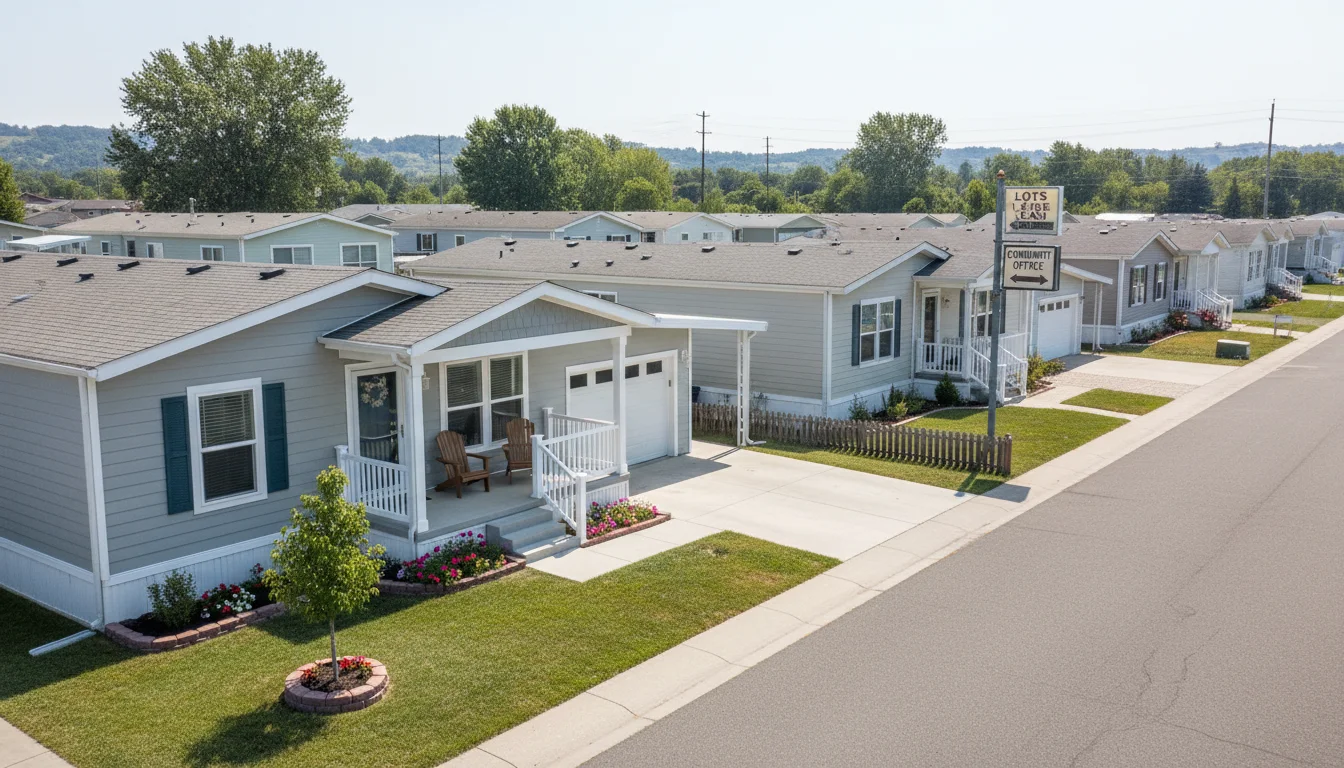
Both types can look very similar. Modern manufactured homes come with nice kitchens, open floor plans, and great finishes. Some people cannot even tell the difference just by looking.
Who Lives in Manufactured Homes?
Millions of Americans call a manufactured home their home. These include first-time buyers, retirees, low-income families, and people who just want to save money.
Honestly, I think the stereotype of manufactured homes being “low quality” is very outdated. Today’s homes are well-built and come with real features you would love.
About 15% of the U.S. population lives in some form of manufactured housing, which shows just how common and accepted this type of home has become.
The Real Benefits of Manufactured Housing
Let’s talk about the good stuff first. There are some real, solid reasons why people choose a manufactured home.
Lower Cost Makes Homeownership Possible
This is the big one. The average price of a new manufactured home in 2024 was just $123,300 — not counting the land. Compare that to the median single-family home value of $367,282. That is a huge difference.
For families with a median income of around $46,000, a manufactured home can be the only real path to homeownership. According to the National League of Cities, the construction cost of a manufactured home is estimated to be between 35% to 73% of the cost of a similar site-built home.
I once spoke with a couple who had been renting for years and could not afford a regular home. They bought a double-wide manufactured home, put it on a small lot, and finally stopped paying rent. That kind of freedom is priceless.
Fast Build Time and Energy Efficiency
A typical manufactured home takes about 2 to 3 months to complete. A regular home can take a year or more. If you need to move fast, this is a real advantage.
Also, manufactured homes are often more energy-efficient than older site-built homes. They are built with insulated walls, tight seams, and energy-saving materials. Many newer models follow Energy Star standards.
The factory building process also reduces waste. Materials are measured and cut inside the factory, so less gets thrown away. That is better for your wallet and for the environment.
Benefits You Might Not Know About
Beyond the price tag, there are other benefits people often miss when they first think about manufactured housing.
| Benefit | Details |
|---|---|
| Lower purchase price | Average $123,300 vs. $367,282 for site-built homes in 2024 |
| Faster completion | 2–3 months vs. 1 year+ for site-built homes |
| Factory quality control | Built indoors, away from weather and theft |
| Customization options | Floor plans, finishes, and upgrades are available |
| Energy efficiency | Insulated materials, reduced construction waste |
| Home price appreciation | Appreciated 219.1% from 2000–2025, same as site-built homes |
Home Value Can Grow Over Time
A big myth is that manufactured homes always lose value. That is not fully true anymore.
When a manufactured home is placed on land you own and treated as real property, it can grow in value just like a regular home. According to the Federal Housing Finance Agency (FHFA), from 2000 to 2025, manufactured homes appreciated 219.1%, almost the same as site-built homes at 219.9%.
That is a pretty compelling stat, and one most people have never heard before.
Customization and Quiet Living
You can pick your floor plan, your finishes, and even your upgrade packages with many builders. Single-wide, double-wide, and triple-wide options are available.
Another thing I found interesting: manufactured homes can actually be quieter than many regular homes. Each section is built and insulated separately, which reduces sound from room to room.
The Risks You Should Know About
Now let’s be fair. There are some real challenges with manufactured housing that you need to know before making any big decision.
- Financing is harder – Many banks treat manufactured homes differently. Mortgage denial rates for manufactured home loans were 57.8%, compared to just 10% for regular homes in 2024.
- Higher interest rates – The median interest rate for manufactured home loans was 7.88%, compared to 6.63% for site-built home loans in 2024.
- Stigma still exists – Some people still see manufactured homes as less desirable. This can affect resale value and community acceptance.
- Depreciation risk – If you rent the land under your home, the home may lose value over time like a car, not gain value like real estate.
- Weather vulnerability – Older manufactured homes can be more at risk during storms or strong winds. Newer ones must meet updated HUD Code standards for safety.
- Zoning restrictions – Not every piece of land allows manufactured homes. You have to check local zoning laws before buying land.
The Financing Challenge Is Real
This is something I think gets glossed over too much. Getting a loan for a manufactured home is genuinely harder than getting one for a regular house.
Many traditional lenders will not approve conventional loans for them. But there are options: FHA Title I loans, VA loans, and USDA loans can help. If the home is on a permanent foundation and titled as real estate, conventional mortgage options become more likely.
According to HUD’s Manufactured Home Loan Program, the FHA Title I program insures lenders against loss and helps buyers finance their home at a longer term and lower rate than typical consumer installment loans.
If you want to learn more about financing options before buying, check out our guide on how to buy a mobile home with bad credit.
Depreciation vs. Real Property
Here is the key thing: if your manufactured home sits on land you rent, it is usually treated as personal property — like a car — and it may lose value.
But if it sits on land you own and is placed on a permanent foundation, it becomes real property. That means it can grow in value just like any regular home. The difference is huge.
If you are thinking about buying land to place your home on, read our guide on land requirements for tiny homes — many of the same rules apply.
Are Manufactured Homes a Good Long-Term Choice?
Honestly, the answer depends on how you set it up.
If you place your manufactured home on land you own, put it on a permanent foundation, and keep it well maintained, it can be a very smart investment. It gives you a real home at a fraction of the cost of a site-built house.
Market Trends Are Positive
The manufactured housing market was worth about $24.42 billion in 2024. It is expected to reach $42.91 billion by 2034. That kind of growth tells you this is not a fading option — it is a growing one.
More states are also changing zoning laws to welcome manufactured homes. Maine and Maryland have both passed laws in 2024 allowing manufactured homes wherever single-family homes are allowed. That makes it easier to find good land.
If you are interested in comparing your options, check out our full breakdown on mobile home vs. modular home differences. And if you want to learn more about your property rights, our page on selling your property is a great resource too.
The Bottom Line on Benefits vs. Risks
There is no perfect home. Manufactured housing has real, proven benefits — especially for people who cannot afford a regular home. But it also has challenges with financing, stigma, and zoning that you need to plan around.
The key is to go in with your eyes open. Do your research, understand the HUD Code, check the zoning laws in your area, and figure out your financing options before you commit.
Conclusion
Manufactured housing is one of the most affordable paths to homeownership in the U.S. today. With an average price of $123,300 compared to over $367,000 for site-built homes, the savings are real and significant.
Yes, there are risks — higher interest rates, tougher financing, and zoning limits. But with the right planning, many of those challenges can be managed. And the benefits — lower cost, faster build time, energy efficiency, and growing home values — are very real.
If you are ready to explore your options, we are here to help. Feel free to contact us and we will walk you through what makes sense for your situation. I would love to hear your thoughts — have you considered a manufactured home before?
Frequently Asked Questions
Are manufactured homes the same as mobile homes?
Not exactly. Mobile homes refer to homes built before June 1976. After 1976, the government set new rules called the HUD Code, and homes built after that are called manufactured homes. The term “mobile home” is still used casually, but the newer ones are much safer and better built.
Do manufactured homes lose value over time?
It depends. If you rent the land, the home may lose value like a car. But if you own the land and the home is on a permanent foundation, it can grow in value like a regular home. Data shows that from 2000 to 2025, manufactured homes appreciated at nearly the same rate as site-built homes.
Is it hard to get a loan for a manufactured home?
It can be. Denial rates are much higher than for regular homes. But there are special loan programs available, like FHA Title I, VA loans, and USDA loans. If the home is on permanent land you own, a conventional mortgage may also be possible.
Are manufactured homes safe in storms?
Newer manufactured homes must meet updated HUD Code safety standards, including requirements for wind resistance. Older homes built before the code updates can be more at risk. Always check the age and build standards of any home you are buying.
Can I put a manufactured home on any piece of land?
No. You must check local zoning laws first. Some areas allow manufactured homes only in specific zones. Many states have been changing their laws to make this easier, but it is still important to verify before you buy land. Working with a local real estate agent who knows the rules in your area is a good idea.