
Selling an older commercial building in Los Angeles is not like selling a fresh, shiny office space downtown. I’ve talked to many property owners who thought it would be simple: list it, get offers, close the deal. But the reality? It’s a whole different game. There are seismic retrofit requirements, tax burdens, deferred maintenance, and a long list of rules that can slow everything down or cut your profit big time.
If you own an older commercial property in LA and want to sell, this guide is for you. Let’s walk through the real challenges, no fluff, just the truth.
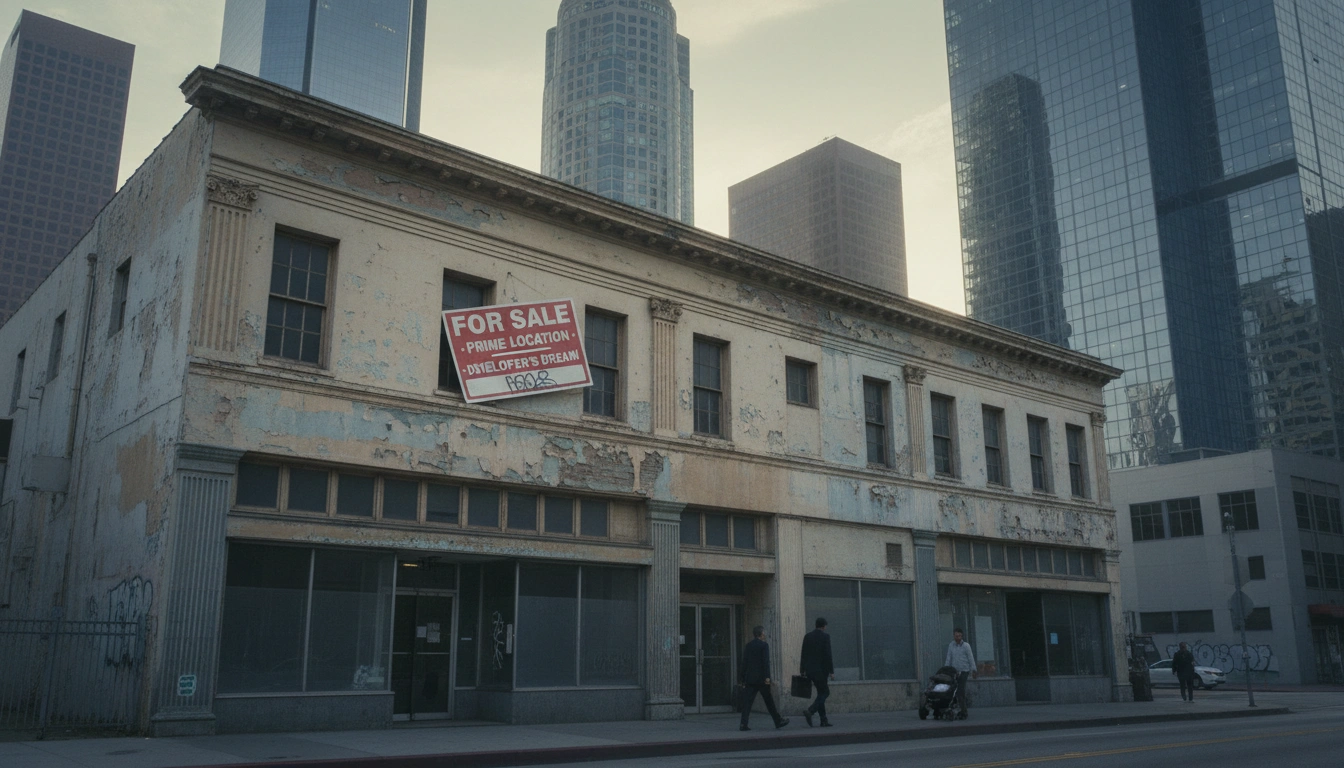
Why Selling Older Commercial Buildings in LA Is So Hard
Los Angeles is one of the biggest commercial real estate markets in the country. But older buildings face a tough crowd. Buyers today are smart. They want clean, safe, code-compliant properties. When a building is old, buyers start asking questions, and those questions cost you time and money.
The city also has strict rules. These rules are not just suggestions. If your building doesn’t meet them, buyers walk away. Or they use those issues to push your price way down.
The Buyer’s Mindset When Looking at Older Properties
When someone looks at an older commercial building, they don’t just see a building. They see potential problems , leaky roofs, outdated wiring, old plumbing, and seismic safety concerns. I once spoke with a buyer in Downtown LA who said, “Every old building I look at feels like a lawsuit waiting to happen.” And honestly? He’s not wrong. Buyers price in every risk they can find.
Many buyers also know that older Class C commercial properties in LA often can’t get traditional bank loans. That means the pool of buyers shrinks fast. You’re often left dealing with value-add investors or cash buyers, and those folks are pros at negotiating the price down.
Seismic Retrofit Requirements: A Major Obstacle
One of the biggest challenges for older commercial buildings in Los Angeles is the mandatory seismic retrofit law. This is not optional; it’s the law.
According to the City of Los Angeles (via LA City Retrofit Ordinance), buildings constructed before 1977, especially non-ductile concrete structures, must undergo structural evaluation and, if required, a full seismic retrofit. The deadlines vary, but some buildings must have plans filed by 2028, with final retrofits completed by 2042.
For soft-story buildings, those with open ground floors like parking garages under apartments, the rules are even stricter. The Los Angeles Soft-Story Retrofit Ordinance (No. 183893) covers approximately 13,500 buildings across the city.
Here’s a quick look at what these retrofit timelines mean for sellers:
| Building Type | Built Before | Key Deadline |
| Soft-Story Wood Frame | ~1980 | Retrofit/demolition plans + permits within 3.5 yrs of Order |
| Non-Ductile Concrete | Jan 13, 1977 | Plans by 2028, full retrofit by 2042 |
| High-Rise Concrete (County) | Nov 1, 1977 | Retrofit within 20 years of the compliance order |
If you’re trying to sell and your building has an open Order to Comply, that’s a red flag for buyers. They either walk away or demand a big price cut to cover the cost of the retrofit themselves.
In April 2025, FEMA canceled over $30 million in seismic retrofit grants meant for California buildings, leaving many owners without financial help to comply. This makes selling even harder because now more owners are stuck with properties they can’t afford to fix or easily sell.
Deferred Maintenance and Aging Systems
Old Wiring, Plumbing, and HVAC, Hidden Costs That Kill Deals
Walk into most commercial buildings built before 1980 in LA, and you’ll find problems hiding in the walls. Outdated electrical panels. Galvanized pipes that corrode and leak. HVAC systems that have been patched together for 30 years. These are not small issues.
During due diligence, buyers and their inspectors go through everything. When they find old wiring or outdated systems, they either ask for repairs, ask for a big credit, or they walk. I’ve seen deals fall apart three days before closing because an inspector found old aluminum wiring in a retail building in East LA. The buyer wanted a $200,000 credit. The seller said no. Deal dead.
The honest truth is: deferred maintenance on older commercial buildings in Los Angeles makes buyers nervous. And nervous buyers don’t pay full price.
Environmental Issues and Hazardous Materials
Many older buildings, especially those built before 1980, may contain asbestos or lead-based paint. In California, sellers are required to disclose known environmental hazards. If testing finds asbestos in floor tiles, ceiling insulation, or pipe wrapping, remediation costs can run into the hundreds of thousands of dollars.
The California Department of Toxic Substances Control has strict rules around hazardous materials in buildings. Buyers expect these to be disclosed and resolved , or they factor the removal cost into a lower offer.
The Mansion Tax and Transfer Tax Burden
How Los Angeles’s Measure ULA Hits Sellers Hard
Since April 1, 2023, the City of Los Angeles has applied what’s commonly called the “mansion tax”, formally known as Measure ULA, to commercial and residential property sales.
Here’s how it works:
- 4% tax on properties sold for more than $5 million
- 5.5% tax on properties sold for more than $10 million
This replaced the old 0.45% transfer rate. For older commercial buildings in LA that happen to sit on valuable land, this tax can be enormous. On a $10 million building, you’re looking at $550,000 going straight to the city before you even count agent fees or closing costs.
According to a senior vice president at CBRE quoted by CoStar, this tax caused many investors to look outside the city of Los Angeles for future deals. That means less demand for your older commercial property in the city, which means more pressure on pricing.
Financing Challenges for Buyers of Older Properties
Why Traditional Loans Often Don’t Work
Here’s something many sellers don’t think about: it’s not just about finding a buyer. It’s about finding a buyer who can get financing. And for older commercial buildings with code violations, deferred maintenance, or active retrofit orders, getting a traditional bank loan is very difficult.
Most lenders won’t touch a Class C commercial property in LA that has unresolved safety issues. That narrows your buyer pool to:
- Cash buyers (who will negotiate hard)
- Value-add investors with their own capital
- Bridge loan borrowers who pay higher interest rates
When buyers can’t get regular loans, they use the financing difficulty as a reason to lower the offer price. It’s a cycle that keeps pushing the sale price down.
Finding the Right Buyer for a Difficult Property
Not all buyers are the same. If you’re selling an older commercial building in LA, you need to find the right type of buyer, someone who specializes in older, distressed, or value-add commercial properties. These buyers have construction teams, capital, and experience. They know what they’re getting into.
According to the City of Los Angeles Planning Department (LA City Planning), the city has also been encouraging office-to-residential conversions for older commercial buildings through the 2024 Citywide Adaptive Reuse Ordinance. Under this law, buildings 15 years or older can convert by-right, meaning no site review is needed. This opens up a new buyer category: developers looking to convert old commercial space into housing.
This could actually work in your favor if your building is in the right location.
Market Conditions and Pricing Pressure
A Quieter, Pickier Market in 2025
The Los Angeles commercial real estate market in 2025 is more selective than it was a few years ago. Rising interest rates have made buyers cautious. There’s less investor demand across the board, and older buildings feel the pinch most.
Buyers want proof that a building can generate income today and has the potential to earn more. An old building with low rents, long-term tenants paying below-market rates, and a list of deferred repairs? That’s a tough sell.
Sellers who don’t price correctly lose time. And time is money, especially when you’re paying property taxes, insurance, and maintenance on a building you want to sell.
How to Make an Older Building More Competitive
Here are practical steps that can improve your position:
- Get a pre-sale inspection. Know your problems before buyers do. Fix what you can.
- Update the exterior, New paint, new signage, and landscaping can shift first impressions dramatically.
- Consider dividing the space. Smaller units attract more tenants and more buyer types.
- Work with a specialized broker. Not every real estate agent knows commercial. Find someone with experience in older LA commercial properties.
- Price it right from day one. Overpricing leads to long days on the market, which makes buyers suspicious.
Need to buy or sell a property in Los Angeles? Buy Your Properties helps homeowners and commercial owners explore fast, hassle-free selling options with no pressure.
👉 Contact us today to discuss your situation and see what your property may be worth.
Conclusion
Selling an older commercial building in Los Angeles<span style=”font-weight: 400;”> is challenging, but it’s not impossible. The key is knowing what you’re dealing with before you list. From mandatory seismic retrofits to the Measure ULA transfer tax, from deferred maintenance to a smaller buyer pool, the obstacles are real. But with the right preparation, the right broker, and the right pricing strategy, you can still close a solid deal.
The market rewards sellers who are honest, prepared, and realistic. If you take the time to understand these challenges, you’re already ahead of most sellers in LA.
Frequently Asked Questions
What is the biggest challenge when selling an older commercial building in Los Angeles?
The biggest challenge is usually the seismic retrofit requirement. If your building was built before 1977 and has an outstanding compliance order, buyers see it as a major risk. Many lenders won’t finance such properties, which shrinks your buyer pool significantly.
Do I have to disclose asbestos or lead paint when selling a commercial building in LA?
Yes. California law requires sellers to disclose known environmental hazards like asbestos and lead-based paint. Failing to disclose can lead to legal problems after the sale. It’s always better to test early and know what you’re dealing with.
How does the Los Angeles mansion tax affect the sale of older commercial buildings?
The Measure ULA transfer tax applies a 4% tax on sales above $5 million and 5.5% on sales above $10 million. For many older commercial properties in LA that sit on valuable land, this tax adds a huge cost and reduces buyer interest.
Can I sell an older commercial building in LA as-is?
Yes, you can sell as-is, but expect a lower offer. Value-add investors and cash buyers often purchase properties in their current condition. However, they will price in all the repair and retrofit costs, which means less money in your pocket at closing.
Are there any programs to help with seismic retrofit costs before selling?
Some programs exist, like the Earthquake Brace + Bolt Program for homeowners, but options for commercial property owners are limited. In April 2025, FEMA canceled over $30 million in California seismic retrofit grants, making it harder to find public funding. Talk to your local LA County Department of Public Works or visit lacounty.gov for updated assistance programs.