
Selling a Property in LA with a Red-Tagged or Unmaintained Pool
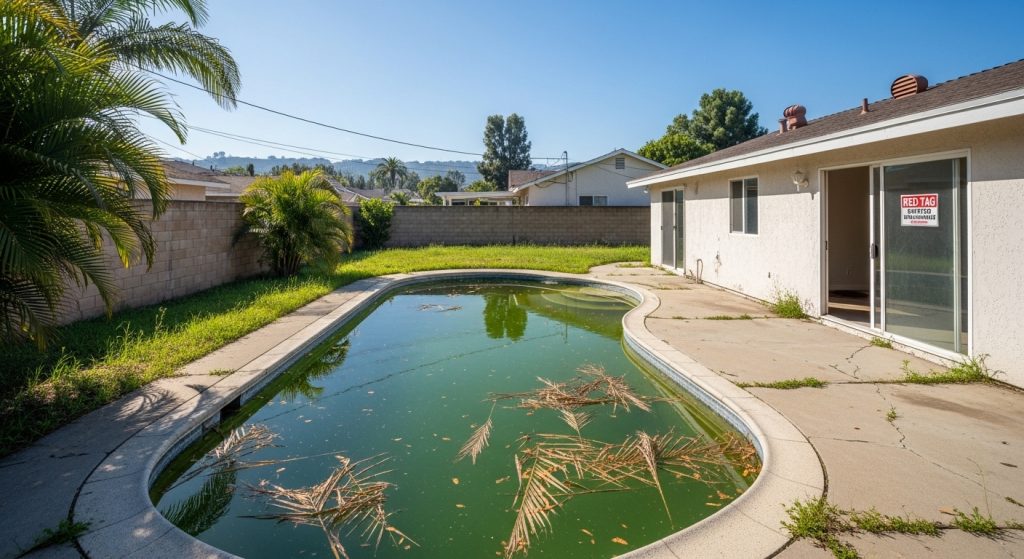
Selling a property in Los Angeles with a red-tagged or unmaintained pool adds a layer of complexity that most sellers are not prepared for. Los Angeles County pool safety requirements are among the most detailed in the country, and according to the Los Angeles County Department of Public Health, non-compliant pools can be cited and required to come into compliance depending on the circumstances of the transaction. The Centers for Disease Control and Prevention recognizes residential pool safety as a significant public health concern, which explains why California’s pool safety codes are so detailed. Traditional financed buyers, including FHA and VA buyers, face lender conditions requiring pool safety compliance before loan approval, which effectively eliminates many buyer types from the pool. According to the National Association of Realtors, pool condition and safety compliance are among the most commonly cited features that affect home sale negotiations in California. Cash buyers can purchase as-is and handle pool remediation after closing.
Earthquake Damage? How to Sell a Red-Tagged House in California
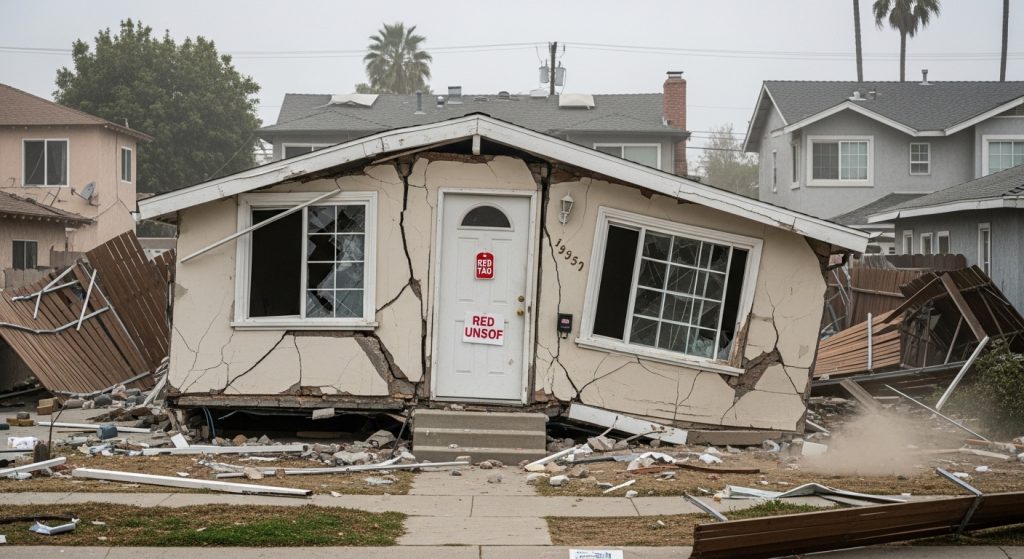
A red-tagged home after earthquake damage in California is legally uninhabitable, which eliminates traditional buyers and mortgage financing from the picture entirely. According to the California Governor’s Office of Emergency Services, post-earthquake damage assessment follows standardized inspection protocols, and a red tag reflects a genuine documented safety concern with the structure. Standard homeowner’s insurance does not cover earthquake damage in California, meaning many owners face a costly repair situation without insurance proceeds to fall back on. According to the National Association of Realtors, post-disaster property sales in Southern California show consistent activity from cash buyers who specialize in acquiring and restoring damaged properties. Cash buyers can purchase red-tagged homes without mortgage financing, make an offer within 24 to 48 hours of receiving property information, and close in 14 to 21 days. This guide explains how the process works and what you need to do to move forward.
How to Sell a House in LA Affected by Mudslides or Soil Erosion

Selling a home in Los Angeles that has been affected by a mudslide or soil erosion is one of the most challenging real estate situations a homeowner can face. According to the U.S. Geological Survey Landslide Hazards Program, Southern California is one of the most landslide-prone regions in the United States, with hillside development in clay-rich soils presenting ongoing seasonal risk. Traditional buyers using mortgage financing cannot purchase homes with unresolved geotechnical or structural issues, which means the buyer pool is limited almost entirely to cash buyers and experienced investors. California requires full disclosure of mudslide history and any known geotechnical concerns, including Natural Hazard Disclosure zone notifications for properties in mapped landslide areas. Cash buyers experienced in distressed properties can make an offer within 24 to 48 hours and close in 14 to 21 days. This guide explains your options and how to move forward.
Selling a House in an LA High Fire Hazard Severity Zone (HFHSZ)
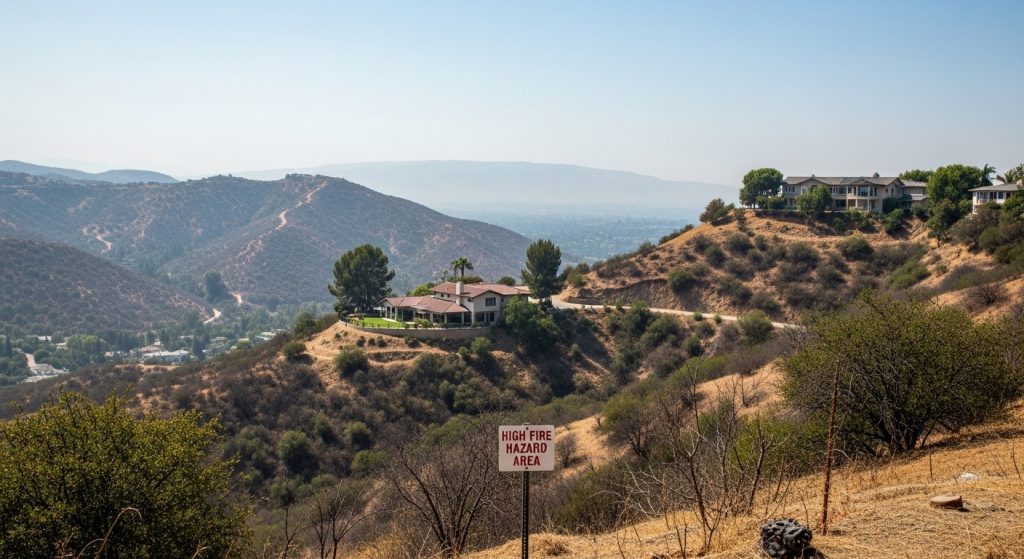
Selling a home in a Los Angeles High Fire Hazard Severity Zone requires navigating disclosure requirements, insurance market challenges, and a buyer pool that is more cautious than in standard residential markets. According to CAL FIRE, fire hazard severity zones are mapped based on fuel, slope, fire weather, and ember production data, and significant portions of LA’s hillside and canyon neighborhoods fall within these designations. Major insurers have pulled back from high-risk California fire zones, pushing many homeowners onto the California FAIR Plan and making it harder for financed buyers to close. According to the National Association of Realtors, wildfire risk and insurance availability have become increasingly significant factors in California residential real estate markets. Cash buyers who do not need mortgage financing can purchase HFHSZ homes without the insurance hurdle that causes financed deals to fall through, and can typically close in 7 to 21 days. This guide covers what you need to know and how to sell fast.
Selling an Underperforming Commercial Property in Los Angeles
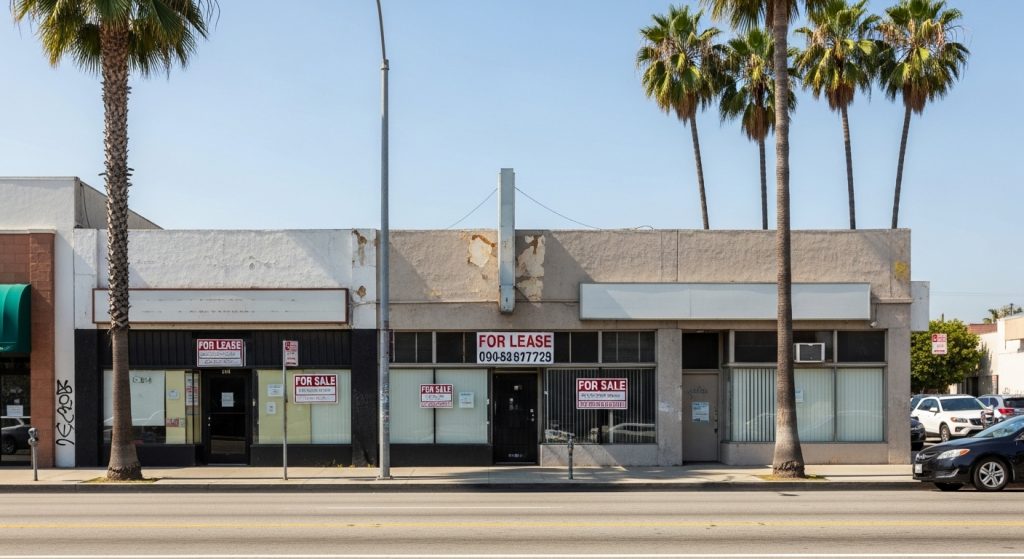
An underperforming commercial property in Los Angeles is one of the most stressful assets to hold. Whether it is high vacancy, below-market rents, significant deferred maintenance, or a combination of all three, the property is costing you money every month without generating the returns it should. According to the National Association of Realtors Commercial Division, value-add commercial investment remains one of the most active strategies among experienced commercial investors in major markets like Los Angeles, meaning there is real demand for exactly this type of asset. Buyers who specialize in underperforming and distressed commercial properties use a value-add analysis to determine what they can pay today given the cost and risk of turning the property around. Working directly with these buyers can compress the sale timeline to 45 to 60 days compared to the six months or more that a traditional commercial listing typically takes for a distressed asset.
How Cash Buyers Value Small Industrial Warehouses in SoCal

Southern California has one of the tightest industrial real estate markets in the country, and small industrial warehouses in the 3,000 to 25,000 square foot range are among the most sought-after commercial properties in the region. According to the National Association of Realtors Commercial Division, industrial properties have consistently maintained the strongest fundamentals of any commercial real estate sector in recent years, with SoCal remaining one of the top-performing industrial markets in the United States. Cash buyers for small industrial warehouses evaluate properties based on location, clear height, loading configuration, lease status, and building condition, not on residential comparable sales. This guide explains exactly what drives offer prices from cash buyers and what information you need to have ready to get the fastest and most accurate offer on your SoCal industrial warehouse.
Selling a Vacant Retail Space or Strip Mall in Los Angeles County
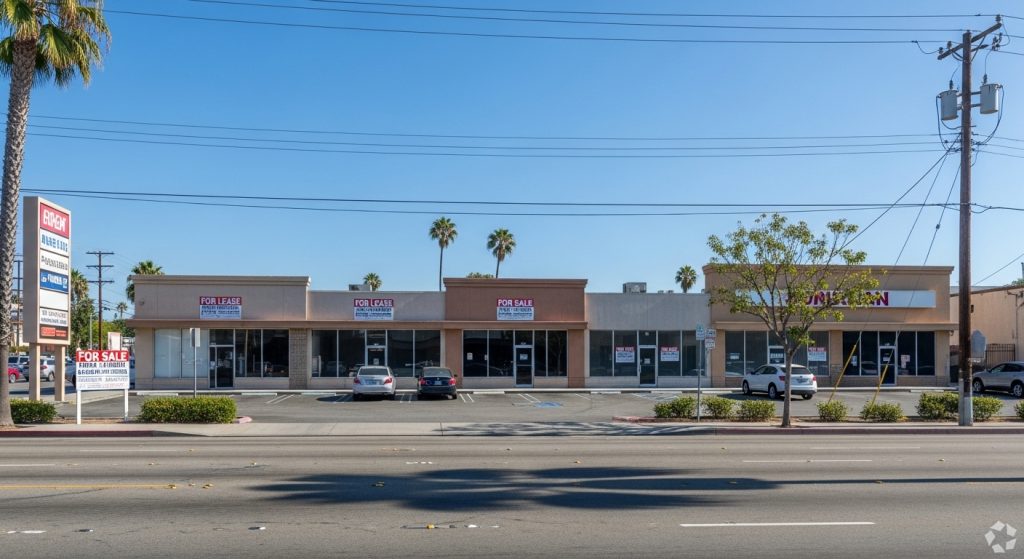
A vacant retail space or strip mall in Los Angeles County is a non-performing asset that costs you money every month it sits empty through property taxes, insurance, and maintenance. The retail market in LA County has shifted significantly as e-commerce changed consumer behavior, creating a more selective buyer pool for vacant commercial properties. According to the National Association of Realtors Commercial Division, cash buyers represent a significant share of commercial transactions for smaller retail properties and strip centers, offering sellers a faster path to closing than traditional commercial listings. Cash buyers and direct investors for vacant retail in LA County can make offers in 48 to 72 hours and close in 30 to 45 days. This guide covers how vacant retail properties are valued, what buyers look for, and how to find the right buyer without a months-long listing process.
How to Sell a Commercial Mixed-Use Building in Downtown LA
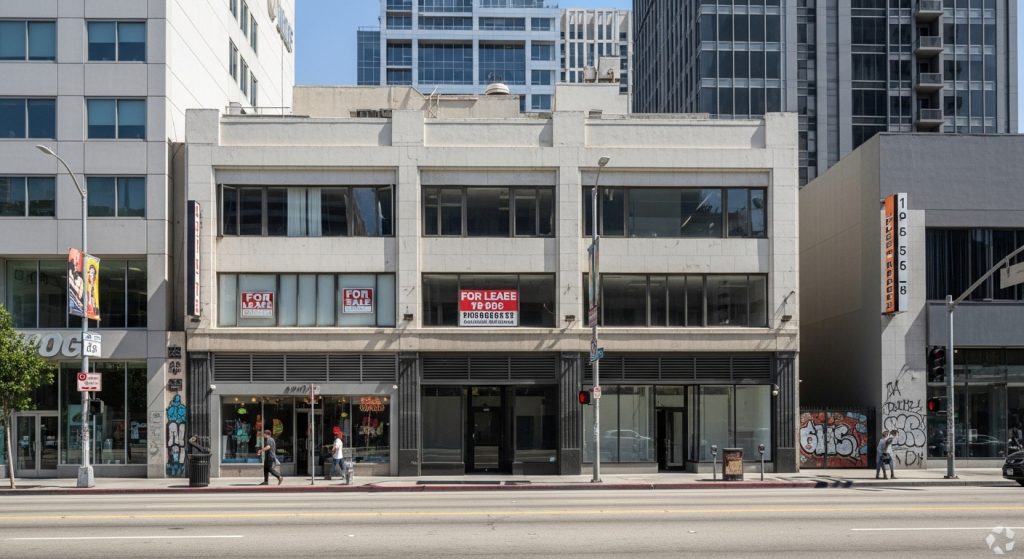
Selling a commercial mixed-use building in Downtown Los Angeles is a specialized transaction that requires a buyer who understands both residential income and commercial leasing simultaneously. These buildings combine residential apartments with retail or commercial spaces, creating a dual income stream and a dual regulatory environment that most traditional buyers are not equipped to navigate. According to the National Association of Realtors Commercial Division, mixed-use assets remained among the most sought-after property types for urban investors in 2024, with strong demand in major markets like Los Angeles. Buyers who specifically target Downtown LA mixed-use properties can make offers in 48 to 72 hours and close in 30 to 45 days without the months-long process of a traditional commercial listing. This guide explains how mixed-use buildings are valued, what documents you need, and how to find the right buyer for your specific property.
Tired Landlord in LA? How to Cash Out of Your Rental Portfolio

If you are done being a landlord in Los Angeles, you are not alone. The combination of RSO regulations, just cause eviction rules, aging buildings, difficult tenant situations, and rising operating costs drives many long-term landlords to a breaking point. According to the National Association of Realtors, multi-unit investment property transactions in major urban markets like Los Angeles are heavily influenced by existing rental income levels, making a proper rent roll analysis essential for any portfolio exit. Cash buyers who specialize in LA rental portfolios can purchase multiple properties simultaneously, with tenants in place, and close the full exit in 30 to 60 days in most cases. You do not need to evict anyone, make repairs, or list each property separately. This guide covers your options for cashing out of your LA rental portfolio and how to make it happen as fast and cleanly as possible.
Selling a Rental Property with Section 8 Tenants in Los Angeles
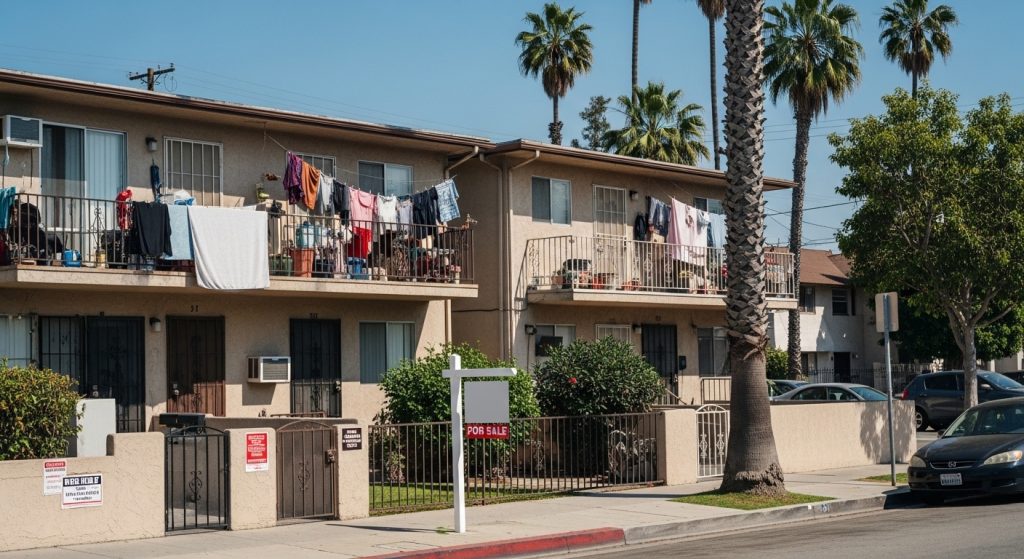
Selling a Los Angeles rental property with Section 8 tenants does not have to slow down or complicate your sale. Section 8, officially the Housing Choice Voucher Program, is administered by agencies like the Housing Authority of the City of Los Angeles and according to the U.S. Department of Housing and Urban Development, the program served approximately 5 million households across the United States as of recent program reporting. When you sell a property with Section 8 tenants, the new owner steps into your role in the voucher arrangement and the tenant stays in place. Experienced cash buyers in Los Angeles view Section 8 tenancies as stable income sources with government-backed rent payments, not as complications to avoid. Most Section 8 cash sales in Los Angeles close in 14 to 21 days. This guide explains what Section 8 means for your sale, what documents to prepare, and how to find the right buyer quickly.