
If you own a small industrial warehouse in Southern California and you are thinking about selling, knowing how cash buyers actually evaluate these properties puts you in a much better position to get a fair offer fast. Unlike residential real estate, where comparable sales and square footage drive most of the conversation, industrial warehouse values depend on a specific set of factors that experienced buyers weight very differently from the typical seller’s assumptions.
Why Small Industrial Warehouses in SoCal Attract Cash Buyers
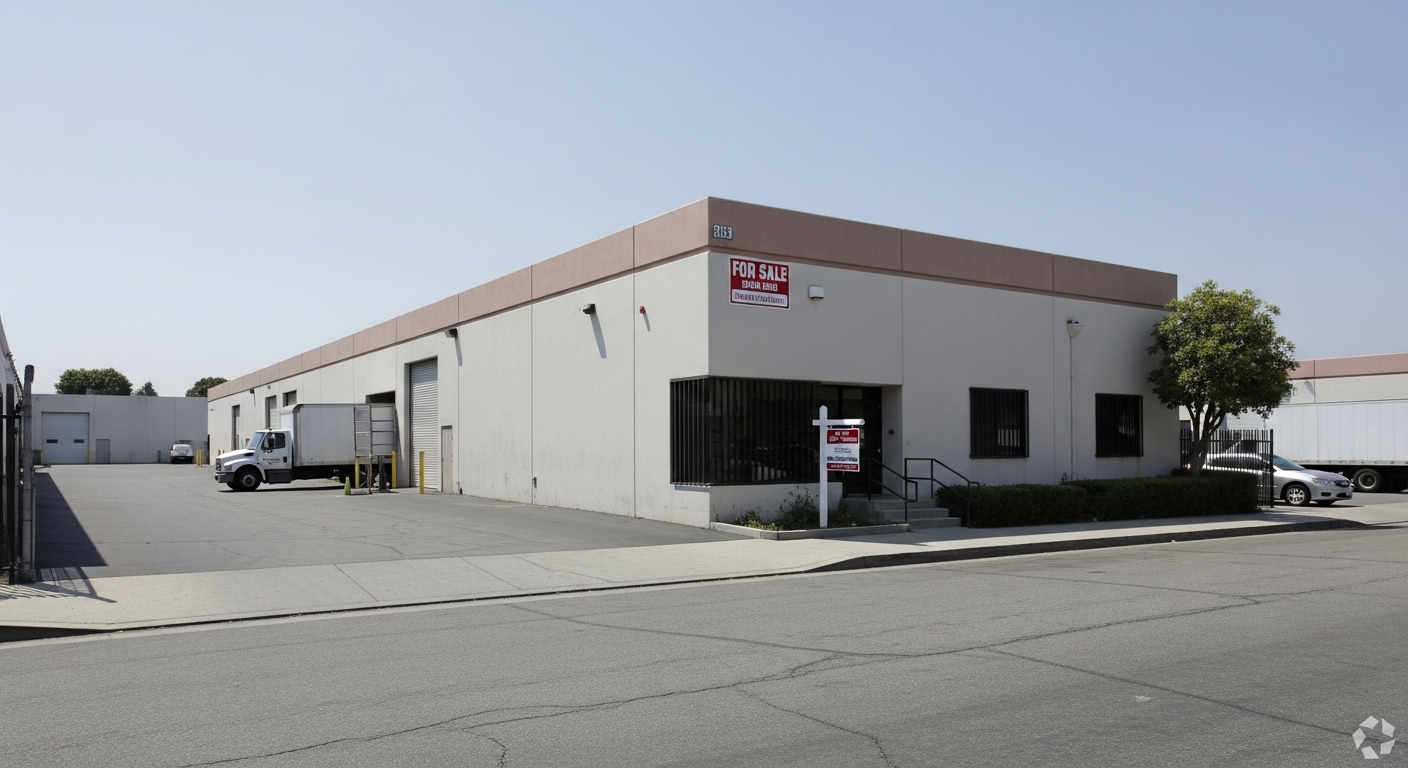
Southern California has one of the tightest industrial real estate markets in the country. The combination of strong demand from e-commerce fulfillment, last-mile delivery operations, light manufacturing, construction trades, and storage tenants has kept industrial vacancy extremely low across Los Angeles County, Orange County, the Inland Empire, and San Diego County.
Small industrial warehouses in the 3,000 to 25,000 square foot range are particularly sought after because they serve a segment of the market that large institutional investors typically ignore. Owner-users who want to operate their own business out of the space, small investment groups looking for stabilized cash flow, and cash buyers who can move quickly on value-add opportunities all compete for this inventory. That competition benefits sellers.
What Makes SoCal Industrial So Different From Other Markets
Land costs in Southern California are among the highest in the nation, and there is very little developable land left for new industrial construction in established infill locations. That scarcity creates a fundamental supply and demand imbalance that keeps existing industrial properties valuable even when economic conditions soften in other sectors.
The result is that small industrial warehouses in good locations in SoCal hold their value well and attract serious buyer interest even when the broader commercial market is uncertain. Cash buyers who focus on this asset class understand this dynamic and are often willing to move faster on industrial deals than on other commercial property types because the risk of being wrong about the underlying value is lower.
Who the Typical Cash Buyer Is for a Small SoCal Warehouse
Cash buyers for small industrial warehouses in Southern California typically fall into a few categories. Owner-users who run contracting businesses, auto repair shops, light manufacturing operations, or distribution companies buy warehouses with cash or SBA financing to avoid paying rent indefinitely. Value-add investors who see a below-market lease or an underutilized property and plan to stabilize and resell also buy with cash to move quickly on time-sensitive opportunities.
Experienced real estate investors who build portfolios of small industrial assets in SoCal often have capital ready to deploy when the right property comes along. They are not waiting for bank approval because they have already underwritten the deal and they know this market well enough to move confidently.
The Key Factors That Drive Cash Buyer Offers on Small Industrial Warehouses
Understanding what buyers are actually looking at when they evaluate a small SoCal warehouse helps you prepare the right information and set realistic price expectations. Cash buyers in this space are not just guessing at a number. They are running a specific analysis based on quantifiable factors.
Location, Access, and Clear Height
Location is everything in industrial real estate. Proximity to freeways, ports, airports, and population centers directly affects a warehouse’s utility and therefore its value. A 5,000 square foot warehouse near the 405 freeway in the South Bay is worth meaningfully more than an identical building in a less connected location because its location makes it useful to more potential tenants and users.
Clear height, which is the usable vertical space from floor to the lowest obstruction, is another major factor. Buildings with 24 feet or more of clear height can accommodate racking systems and more varied uses than older buildings with 14 to 18 foot clearances. Grade-level and dock-high loading access also significantly affect value because they determine what type of tenant or user can effectively operate in the space.
Current Lease Status and Tenant Quality
Whether the warehouse is vacant or leased at the time of sale has a major effect on the offer price. A vacant building gives the buyer flexibility to set their own lease terms or occupy the space themselves, which can be a premium in a tight market. A leased building with a strong tenant, a long remaining term, and above-market rent is also highly attractive to income investors who want immediate and predictable cash flow.
The challenging scenario is a building with a below-market lease that has significant time remaining. The buyer is locked into below-market income for an extended period, which reduces the present value of the investment. Cash buyers will price this in carefully, and sellers should be prepared for a lower offer in this situation even if the building itself is in good condition.
| Factor | Impact on Offer Price | Buyer Preference |
|---|---|---|
| Freeway proximity | Positive, significant | Strong preference |
| High clear height (24+ feet) | Positive | Strong preference |
| Vacant building | Depends on market conditions | Preferred for owner-users |
| Strong tenant, long lease | Positive for income buyers | Preferred for investors |
| Below-market lease | Negative | Avoided by income investors |
| Deferred maintenance | Negative, factored into offer | Acceptable if priced correctly |
How Cash Buyers Calculate Their Offer on a Small SoCal Warehouse
The most common valuation approach for small industrial warehouses in Southern California is a combination of the sales comparison method and the income approach. Cash buyers look at recent comparable sales of similar-sized industrial buildings in the same submarket, then adjust for the specific characteristics of the property they are evaluating.
For leased buildings, they also run an income analysis. They estimate the net operating income from the current lease, apply a cap rate appropriate for the submarket and building quality, and compare that to the comparable sales number. The lower of the two typically drives the offer, with adjustments for any specific risks or opportunities the buyer sees.
What to Have Ready Before You Reach Out to a Cash Buyer
Having the right information available upfront speeds up the process and leads to more accurate initial offers that are less likely to change after due diligence. Here is what buyers will want to know:
- Property address and submarket: Where is the building and how does its location relate to key infrastructure like freeways and ports
- Building size and configuration: Total square footage, clear height, number and type of loading doors
- Lot size and parking: Available yard space and parking, which affects certain user types significantly
- Lease status: Current tenant if any, monthly rent, lease expiration date, and any options to renew
- Building age and condition: Year built and any known deferred maintenance or recent capital improvements
- Zoning: The permitted uses that apply to the property
- Power service: Available electrical capacity, which matters for manufacturing and certain other uses
How to Get a Fast Offer on Your SoCal Industrial Warehouse
Our guide on selling a commercial mixed-use building in Downtown LA covers the income-based valuation principles that apply to commercial properties more broadly. And our post on selling a vacant retail space or strip mall in Los Angeles County walks through how buyers evaluate commercial properties without active income, which is relevant for vacant warehouse sellers as well.
Our team at Buy Your Properties Commercial works with owners of industrial warehouses and other commercial properties throughout Southern California. Reach out through our contact page and we will evaluate your property and get back to you with a realistic offer within 48 to 72 hours.
According to the National Association of Realtors Commercial Division, industrial properties have consistently maintained the strongest fundamentals of any commercial real estate sector in recent years, with Southern California remaining one of the top-performing industrial markets in the United States.
The California Association of Realtors tracks commercial property transaction data throughout the state, providing useful context for understanding current pricing and cap rate trends in specific SoCal industrial submarkets before you approach potential buyers.
For sellers who are considering using SBA financing to facilitate their sale to an owner-user buyer, the U.S. Small Business Administration provides information on commercial real estate loan programs that many owner-user buyers of small industrial warehouses use to finance their purchases.
Conclusion
Small industrial warehouses in Southern California are in high demand, and cash buyers for this property type are active and well-capitalized. Understanding what drives the offer price, from location and clear height to lease status and building condition, puts you in a stronger position to evaluate any offer you receive and negotiate from a place of knowledge.
Get your property information organized, reach out to buyers who are specifically active in SoCal industrial, and let the market show you what your building is worth today. The process is faster than most sellers expect when the right buyer sees the right opportunity.
Frequently Asked Questions
How do cash buyers determine the value of a small industrial warehouse in SoCal?
Cash buyers use a combination of the sales comparison approach and the income approach. They look at recent sales of similar-sized industrial buildings in the same submarket and adjust for your building’s specific characteristics, including location, clear height, loading configuration, and condition. For leased buildings, they also run an income analysis based on the current net operating income and an appropriate cap rate for the area.
Is it better to sell a SoCal industrial warehouse vacant or leased?
It depends on who you are selling to. Owner-user buyers typically prefer a vacant building they can occupy immediately. Income investors prefer a leased building with a strong tenant, a long remaining term, and market-rate or above-market rent. The worst scenario for either buyer type is a building with a below-market lease that has significant time remaining, as this limits both user flexibility and current income.
How quickly can a cash buyer close on a small industrial warehouse in Southern California?
Experienced cash buyers who specialize in SoCal industrial properties can typically make an offer within 48 to 72 hours of receiving basic property information and close in 30 to 45 days. This is significantly faster than a traditional commercial listing, which can take several months to find the right buyer and complete due diligence. The timeline depends on the complexity of the title work and any lease documentation that needs to be reviewed.
What clear height is considered good for a small industrial warehouse in SoCal?
Buildings with 24 feet or more of clear height are generally considered functionally modern and attract the widest range of tenants and buyers. Buildings with 18 to 24 feet of clear height are acceptable for many uses but may limit certain racking configurations. Buildings with less than 18 feet of clear height are increasingly challenged by modern logistics and storage users and will typically trade at a discount compared to higher-clearance alternatives in the same location.
What are the strongest industrial submarkets in Southern California for small warehouse values?
The strongest industrial submarkets for small warehouse values in SoCal include the South Bay and airport areas of Los Angeles, the San Gabriel Valley, the Inland Empire West, Orange County, and parts of San Diego near the border region. These areas have strong demand from logistics, e-commerce, manufacturing, and construction users combined with very limited available land for new development, which keeps existing inventory values elevated.