
You put solar panels on your house a few years ago. Lower electric bills, good for the planet, made total sense at the time. But now you are ready to sell, and you just found out you leased those panels instead of owning them. Suddenly what felt like a smart move is giving you a headache at the worst possible time.
What a Solar Panel Lease Actually Is
When you lease solar panels, you do not own them. A third-party solar company owns the equipment on your roof. You pay that company a fixed monthly fee, usually for 15 to 20 years, in exchange for using the electricity the panels generate.
It sounds simple enough, and for people who want lower electric bills without a big upfront cost, it made a lot of sense. The problem shows up when you try to sell your house. The panels are sitting on your roof, they are not yours, and whoever buys your home has to deal with that contract too.
As of mid-2024, about 36 percent of new residential solar projects were leased or under a similar arrangement called a power purchase agreement, according to solar research firm Ohm Analytics. That number has been climbing. So this is not a rare situation anymore. A lot of sellers across the country are running into this.
How a Lease Is Different From Owning Your Panels
When you own solar panels outright or pay them off through a loan, they become part of your home. They add to the appraised value. They transfer to the buyer with no strings attached.
A lease is different. The panels are the solar company’s property, not yours. That means they do not add to your home’s appraised value the way owned panels do. According to research from Lawrence Berkeley National Laboratory, leased solar panels show no statistically significant impact on home sale prices, while owned systems can add meaningful value.
On top of that, since you are not the owner of the panels, you do not get the federal solar tax credit either. That goes to the leasing company, not you.
Why Buyers Get Nervous About Leased Panels
Honestly, most buyers have never thought about what it means to assume a solar lease. When they find out there is a 15 to 20 year financial obligation tied to the house they want to buy, a lot of them pump the brakes.
Think about it from their side. They are already taking on a mortgage. Now you are also asking them to qualify for and take over a solar lease that might have $60,000 or more left on it. Real estate agents across the country have started calling solar leases one of the most common deal complications they see.
A buyer who takes over a solar lease has to qualify with the solar company separately from their mortgage lender. If their credit score is not high enough, the transfer gets denied and the deal can fall apart entirely. This is not a hypothetical. It happens regularly.
The Real Ways a Solar Lease Can Slow Down or Kill Your Sale
Here is where sellers really feel the pain. A solar lease does not automatically end your sale, but it adds layers of complexity that a traditional home sale does not have. And in a market where buyers have options, added complexity means fewer buyers willing to stick around.
These are the most common ways a leased system creates friction in a sale.
- Your buyer pool shrinks. Not every buyer will want to take on a lease. Some will walk away the moment they hear the word lease attached to the solar panels.
- The buyer has to qualify separately with the solar company. This adds time to your closing and introduces another approval process that can fail.
- Your closing timeline gets longer. Lease transfer paperwork takes time, and waiting on the solar company’s transfer team can push your close date back by weeks.
- Buyers using FHA or VA loans may face additional lender scrutiny. Some lenders count the monthly lease payment in the buyer’s debt-to-income ratio, which can reduce what they qualify for.
- If the buyer refuses to assume the lease, you may have to buy out the remaining contract before you can close. Buyout costs can run anywhere from a few thousand dollars to well over $20,000 depending on how much time is left on the lease.
The funny part is that a lot of homeowners signed those leases without fully understanding what happens at resale. The salesperson focused on the monthly savings, not the exit strategy. Now the bill comes due when it is time to move.
What Your Options Are When You Are Ready to Sell
The good news is you are not stuck. You have real choices, even if none of them are as simple as just listing the house and moving on. Here is how sellers typically handle this.
The first option is to transfer the lease to your buyer. If the buyer qualifies with the solar company and agrees to take over the monthly payments, the lease gets moved into their name. No upfront cost to you. But this limits your buyer pool to people who can qualify and are willing to assume the contract.
The second option is to buy out the lease before closing. You pay off whatever is left on the contract, you own the panels outright, and the home sells with owned solar included. This costs money upfront but removes the complication for the buyer entirely. It also lets you price the home slightly higher since the panels now add appraised value.
The third option is to sell to a cash buyer. Cash buyers do not go through mortgage lenders, so there is no lender scrutiny around the lease. Many cash buyers are experienced investors who understand solar leases and can factor them into their offer without walking away. This is often the fastest path for sellers who want to close quickly without dealing with the lease transfer process.
For sellers weighing the as-is sale route, our post on which repairs are not worth doing before selling your LA home covers when spending money ahead of a sale makes sense and when it does not.
And if you have run into financing fall-throughs or deal complications before, our breakdown of why LA deals fall through at financing explains the other ways mortgage-backed sales can collapse and how to protect yourself.
Does a Leased Solar System Hurt Your Home Value?
This one is more nuanced than a simple yes or no. Research from Lawrence Berkeley National Laboratory looked at home sales in Southern California and found that homes with leased panels did not see a significant drop in value compared to similar homes without solar. So the lease itself is not necessarily making your home worth less.
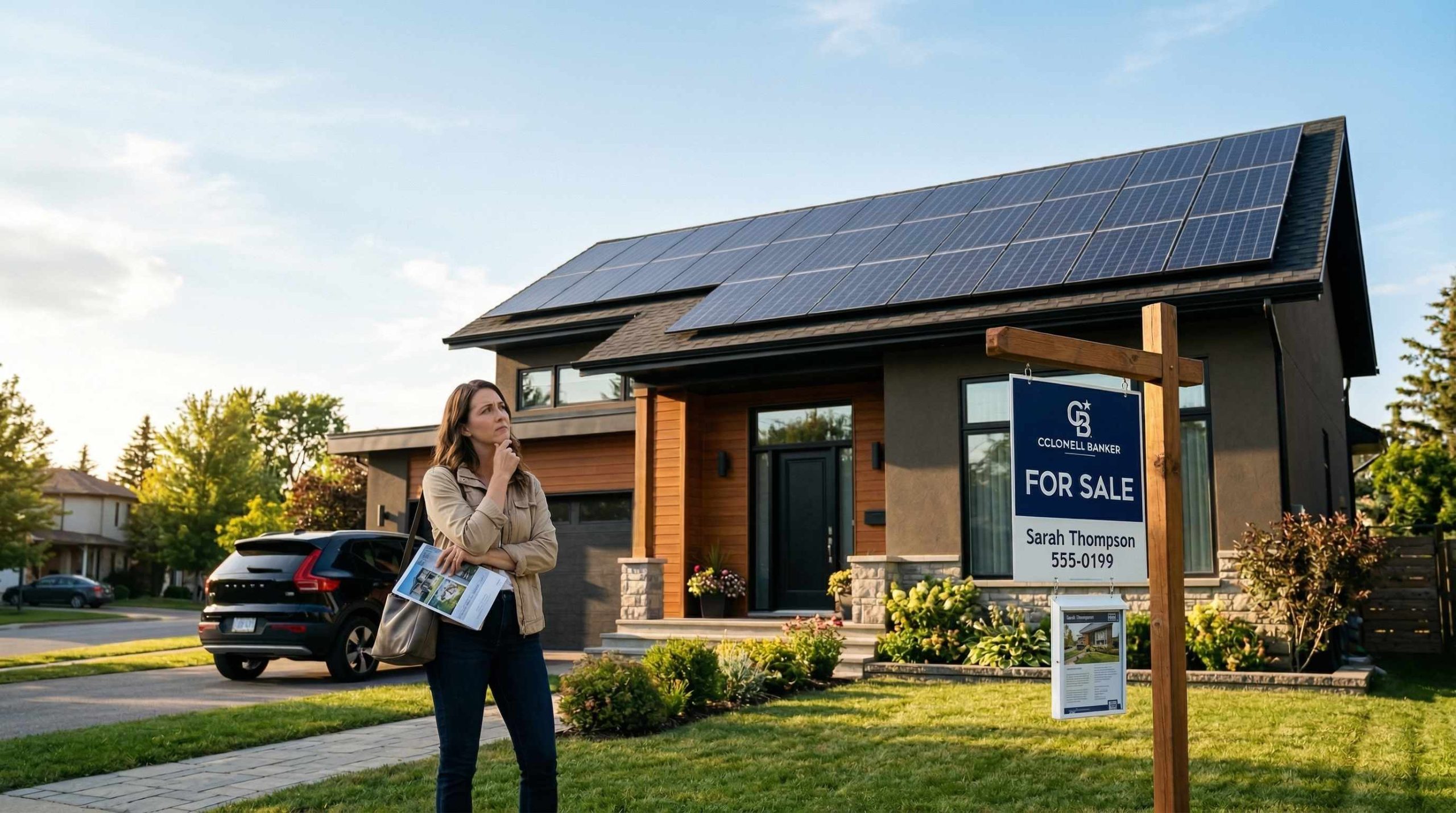
But here is the catch. Owned solar systems added measurable value. Homes with standard-sized owned systems sold for roughly $15,000 more than comparable homes with no solar at all. Leased systems added nothing in that regard.
So the lease does not hurt your value on paper, but it does not help it either. What it does do is make the sale more complicated, and in a competitive market, complicated deals lose buyers.
A Quick Comparison of Leased vs Owned Solar at Resale
| Factor | Leased Solar Panels | Owned Solar Panels |
|---|---|---|
| Adds to appraised home value | No | Yes |
| Federal tax credit benefit | Goes to solar company | Goes to homeowner |
| Buyer must qualify separately | Yes, with solar company | No, panels transfer automatically |
| Impact on buyer’s DTI ratio | Yes, lease payments counted | No impact |
| Complicates closing | Often yes | No |
| Buyout required if buyer refuses | Possibly yes | Not applicable |
Selling Your Home With Leased Solar Panels to a Cash Buyer
If you have a solar lease and want to sell without the headache of lease transfers, buyer credit checks, or waiting on solar company paperwork, selling to a cash buyer is the most straightforward path.
We buy homes throughout Los Angeles as-is, including homes with active solar leases. We understand how these contracts work, and we factor them into our offer rather than using them as a reason to walk away. No transfer process, no buyer qualification complications, no closing delays from waiting on the solar company.
You get a clean, fast sale. We handle the solar lease on our end after closing.
You can reach us directly through our contact page to get a real offer on your home, no pressure and no obligation.
For more on how the cash sale process works and what to expect from start to finish, visit our sell your house fast in Los Angeles page.
Conclusion
A solar panel lease does not have to kill your home sale, but it does make things more complicated. Your buyer pool gets smaller, your closing takes longer, and you may end up paying thousands to buy out a contract you thought someone else would just take over.
Understanding your options early is the key. Whether you transfer the lease, buy it out, or sell to a cash buyer who handles it for you, having a clear plan before you list your home will save you a lot of stress down the road.
If your situation involves an active solar lease and you want to sell fast without the complications, a cash sale is worth a serious look.
Frequently Asked Questions
Can I sell my house if I have leased solar panels?
Yes, you can. But it adds steps to the process. You will either need to transfer the lease to your buyer, who must qualify with the solar company, or buy out the remaining contract before closing. Some sellers also choose to sell to a cash buyer who can take the home with the lease in place without the complications that come with a mortgage-backed sale.
Do leased solar panels reduce home value?
Research from Lawrence Berkeley National Laboratory found that leased solar panels do not significantly impact home sale prices in most markets. However, owned solar panels do add to appraised value while leased ones do not. So leased panels are unlikely to hurt your price directly, but they do not help it the way owned systems do.
What happens to a solar lease when you sell your house?
When you sell, the solar lease has to be handled before closing. Your buyer can take over the lease if they qualify with the solar company, or you can pay off the remaining lease balance so the panels transfer as owned equipment. If the buyer refuses to assume the lease and you cannot afford the buyout, it can stall or kill the sale.
Does a solar lease affect a buyer’s mortgage qualification?
It can. If the buyer takes over a solar lease, some lenders count the monthly lease payment as part of the buyer’s debt-to-income ratio. This can reduce how much mortgage the buyer qualifies for and in some cases may cause them to fail qualification entirely. This is one reason some buyers refuse leased solar homes.
What is the fastest way to sell a home with a solar lease?
Selling to a cash buyer is almost always the fastest option. Cash buyers do not need mortgage approval, so there is no lender scrutiny around the solar lease. Experienced cash buyers understand how solar contracts work and factor them into their offer. This avoids the transfer paperwork and buyer qualification delays that come with a traditional mortgage-backed sale.