
Inheriting a home feels like a blessing — and then you open the mail. There’s property tax notices, mortgage statements, and a letter from a probate attorney. I’ve talked to dozens of LA families who were completely lost at this point. The good news? Once you understand the process, it’s very manageable.
What Is Probate and Do You Need It?
The Simple Definition of Probate
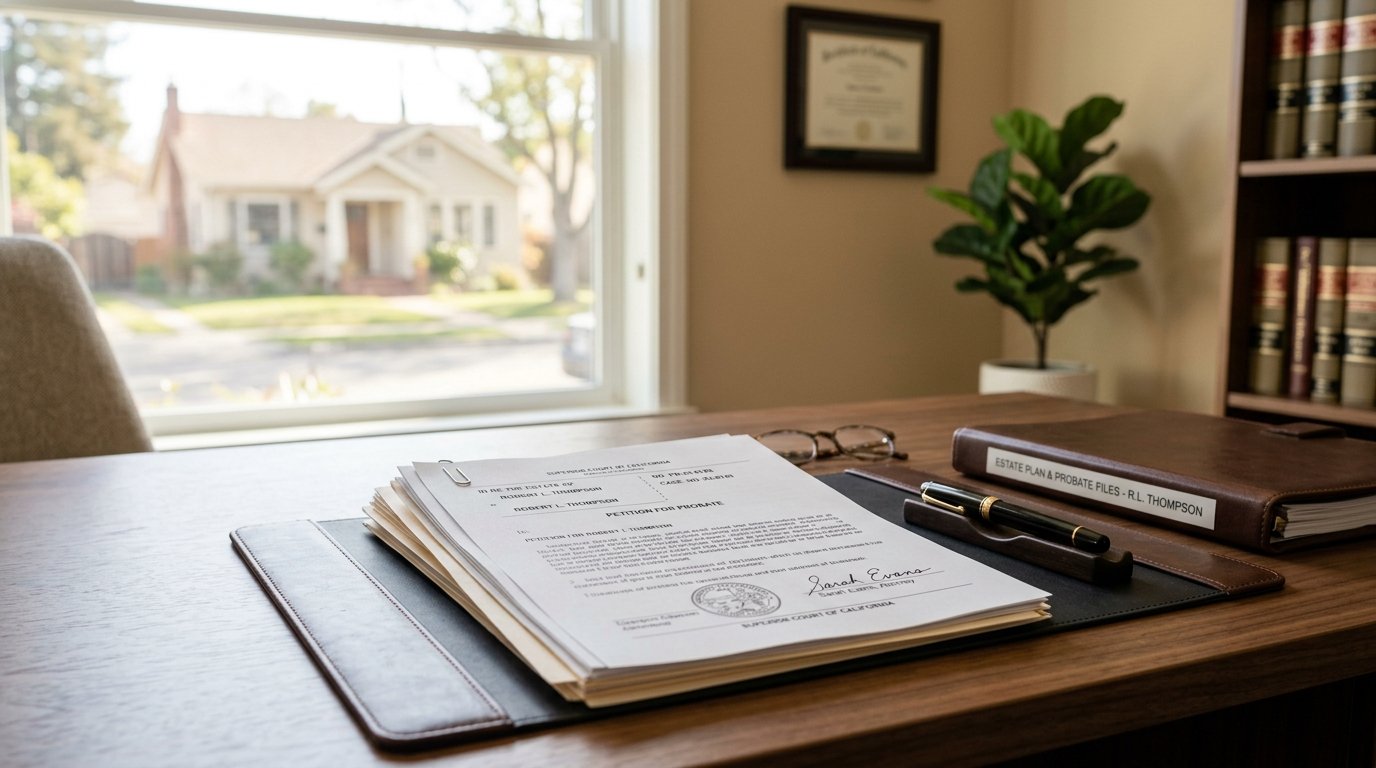
Probate is a court process that transfers a deceased person’s property to the right people. In Los Angeles, the probate court oversees the whole thing. Think of it like a legal handoff — the court makes sure everything goes where it’s supposed to go.
Not every inherited property needs to go through probate. If your loved one set up a living trust, the property passes directly to you. Same goes for joint tenancy or homes with a transfer-on-death deed. These skip probate entirely.
When Probate Is Required in California
If the home was owned only in the deceased person’s name — with no trust or joint ownership — then probate is needed. According to California Courts’ official self-help guide, a new law effective April 1, 2025 raised the simplified estate limit for a primary residence to $750,000. If the home is worth less than that, you may qualify for a faster, simpler process.
But here’s the reality in LA: the median home price in Los Angeles is well above that threshold. So most inherited homes will need to go through full probate.
How Long Does Probate Take in Los Angeles?
The Honest Timeline
I’m not going to sugarcoat this. Full probate in Los Angeles can take 9 to 18 months. Sometimes longer. According to research published at LA Metro Home Finder, trust properties typically close in 30–60 days, while probate properties take considerably longer.
LA County courts are busy. Hearings are often scheduled 8 to 12 weeks out after filing. Factor in the 4-month creditor claim period, court confirmation steps, and potential family disputes — and you see why it takes time.
What Can Speed Things Up
Here’s where having the right team makes a real difference. A probate attorney who knows the LA court system can spot delays before they happen. An agent experienced in probate sales knows the paperwork, the timelines, and how to keep buyers interested during a long escrow.
I’ve seen families save months just by filing the right documents in the right order from day one. Small mistakes at the start can cost you big at the end.
Probate vs. Trust: Key Differences When Selling
Selling a Trust Property Is Much Faster
If the home is in a revocable living trust, you — as the successor trustee — can sell it without court approval. You notify the beneficiaries, hire an agent, and close. That’s it. The whole thing can happen in 30 to 60 days.
This is why so many LA homeowners set up trusts in the first place. It’s a gift to your family — they don’t have to wait a year to settle your estate.
Probate Sales Need Court Approval
With a probate sale, the executor or personal representative must get court authority to sell. The home is appraised by a probate referee. In most cases, the sale price must be at least 90% of the appraised value.
There’s also something called an overbid process. At the court hearing, other buyers can show up and bid higher than your accepted offer. It sounds stressful, but honestly — it can work in your favor if the market is competitive.
Tax Implications Every Heir Should Know
The Stepped-Up Basis Benefit
Here’s some genuinely good news. When you inherit a property, you get what’s called a stepped-up tax basis. That means the IRS values the home at what it was worth on the date of death — not what your parents paid for it 30 years ago.
So if your parent bought a home in Burbank for $200,000 in 1990, and it’s worth $900,000 today, your basis is $900,000. If you sell it quickly at that price, you owe little to no capital gains tax. That’s potentially hundreds of thousands of dollars saved.
Watch Out for Proposition 19
California’s Proposition 19, which took effect in February 2021, changed the rules for inherited properties. If you don’t move into the home as your primary residence within one year, the property will be reassessed at current market value for property taxes.
In Los Angeles, where values have jumped dramatically, this can mean a huge jump in annual property taxes. If you’re planning to sell — not move in — it’s usually best to sell quickly to avoid a big tax bill while you’re still carrying the home.
Your Options: What Can You Do With the Inherited Home?
Sell It, Rent It, or Move In
Most families in LA choose one of three paths:
- Sell the property — The most common choice. You get cash, split it with co-heirs, and close the chapter.
- Rent it out — Keeps the asset and generates income, but managing a rental during grief is tough, especially if siblings are involved.
- Move in — You keep it as your own home. Great if you qualify for the Proposition 19 transfer benefit and want to preserve the low property tax basis.
Selling is often the cleanest option — especially when multiple heirs need to agree. Cash in hand is easier to split than a house.
Why Many LA Families Choose a Cash Sale
Inherited homes often have deferred maintenance. Maybe your parent hadn’t updated the kitchen since 1985. Maybe there’s a roof that needs work. Traditional buyers using a mortgage will demand repairs and inspections, which costs time and money you may not have.
A cash buyer skips all that. No repairs, no staging, no open houses. You get an offer, sign the papers, and close. For families going through probate and grief at the same time, this is a huge relief. Learn more about how to get a cash offer on your LA home in 24 hours.
Common Mistakes That Slow Down the Sale
Mistakes Heirs Make Early On
I’ve seen families lose months — sometimes the sale entirely — because of avoidable mistakes. Here are the most common ones:
| Mistake | What Happens | How to Avoid It |
|---|---|---|
| Not filing the will with the court | Delays probate opening | File immediately after death |
| Ignoring property taxes | Delinquent taxes cloud the title | Check tax records right away |
| Letting tenants stay without a plan | Eviction delays the sale by months | Talk to a probate attorney early |
| Disagreeing heirs who don’t communicate | Court battles can freeze the sale | Mediation before it escalates |
| Choosing the wrong agent | Buyer falls out, process restarts | Work with a probate-experienced agent |
The biggest one I see? Heirs who wait too long to start. The home is sitting empty, costing money in taxes, insurance, and maintenance. Every month you delay is money leaving the estate.
Get the Right Team from Day One
A probate attorney, a real estate agent experienced in LA probate, and a tax professional — these three people can save you more than their fees. Don’t try to do this alone.
Also, understand the hidden costs of selling a home with a realtor in LA before you commit to any one path. Sometimes those fees eat into your inheritance more than you’d expect.
Selling Inherited Property Without Probate: When It’s Possible
Simplified Procedures for Smaller Estates
If the estate qualifies — primary residence under $750,000 for deaths on or after April 1, 2025 — you may be able to use a simplified transfer procedure. According to California Courts’ official guide on simple estate transfers, this process skips full probate and can be completed in weeks, not months.
Even if the home is above that threshold, check if there’s a trust, joint tenancy, or beneficiary deed in place. These are probate-avoidance tools your parent may have set up years ago without even telling you.
What to Do If There’s No Will
If your loved one passed without a will — what lawyers call dying intestate — California law decides who gets what. The order goes: spouse, then children, then grandchildren, then parents, then siblings. The court appoints a personal representative to handle things.
It’s more complicated and usually takes longer, but it’s not impossible. Many families successfully sell inherited homes even without a will — it just requires more patience and a good attorney.
For context on how cash offers are calculated in the LA market, it helps to understand what buyers look at when pricing inherited or probate properties in different conditions.
Is Selling to a Cash Buyer the Right Move?
When It Makes the Most Sense
Selling to a cash home buyer makes the most sense when:
- The home needs significant repairs you don’t want to pay for
- You have co-heirs who want to close quickly and move on
- You’re carrying costs (taxes, mortgage, insurance) on a home you don’t live in
- You’re in the middle of probate and want certainty — no financing fall-through risk
- You want to avoid months of showings and open houses on a grieving family’s home
Cash buyers buy as-is. They don’t ask you to repaint, fix the plumbing, or replace the HVAC. You get a clean offer, and you close on your schedule.
If you’re ready to explore that path, contact us today for a no-obligation cash offer on your inherited LA property. We work with probate situations regularly and can guide you through the process with zero pressure.
Conclusion
Selling an inherited property in Los Angeles isn’t simple — but it’s very doable. Know whether you need probate, understand the tax benefits of the stepped-up basis, watch out for Proposition 19, and get the right team around you. Whether you sell on the open market or to a cash buyer, the most important thing is to start moving early. The home is an asset. Don’t let it sit while you figure things out. Make a plan, stick to it, and honor your loved one’s legacy by handling it well.
Frequently Asked Questions
Do I need a probate attorney to sell an inherited property in Los Angeles?
In most cases, yes. If the property must go through probate, a probate attorney helps you navigate court requirements, file the right paperwork, and avoid costly delays. If the home is in a trust, you may not need one — but a consultation is always a smart move.
How long does it take to sell an inherited home in LA?
It depends on how the property was held. Trust properties can sell in 30 to 60 days. Full probate in LA typically takes 9 to 18 months due to court backlogs and legal requirements.
Will I owe capital gains tax when I sell an inherited LA home?
Likely very little, thanks to the stepped-up basis. The home’s value is reset to its fair market value at the time of death. If you sell quickly at or near that price, your taxable gain is minimal. Always confirm with a tax professional.
What happens if there are multiple heirs who disagree about selling?
This is common. If heirs can’t agree, the court can order a sale. Before it reaches that point, consider mediation. It’s faster and much cheaper than litigation.
Can I sell an inherited property before probate is complete?
Yes — if the executor has been granted authority by the court, the sale can proceed during probate. The proceeds are held until the court finalizes the estate. A cash sale can help close faster while probate is still ongoing.