
If you recently inherited a home in Boston, you are probably dealing with a lot at once. You are grieving, trying to figure out what to do with the property, and hearing the word probate come up everywhere. It can feel overwhelming. But once you understand how the Massachusetts probate process actually works, selling an inherited home in Boston becomes a lot more manageable.
What Massachusetts Probate Actually Means for Your Inherited Home
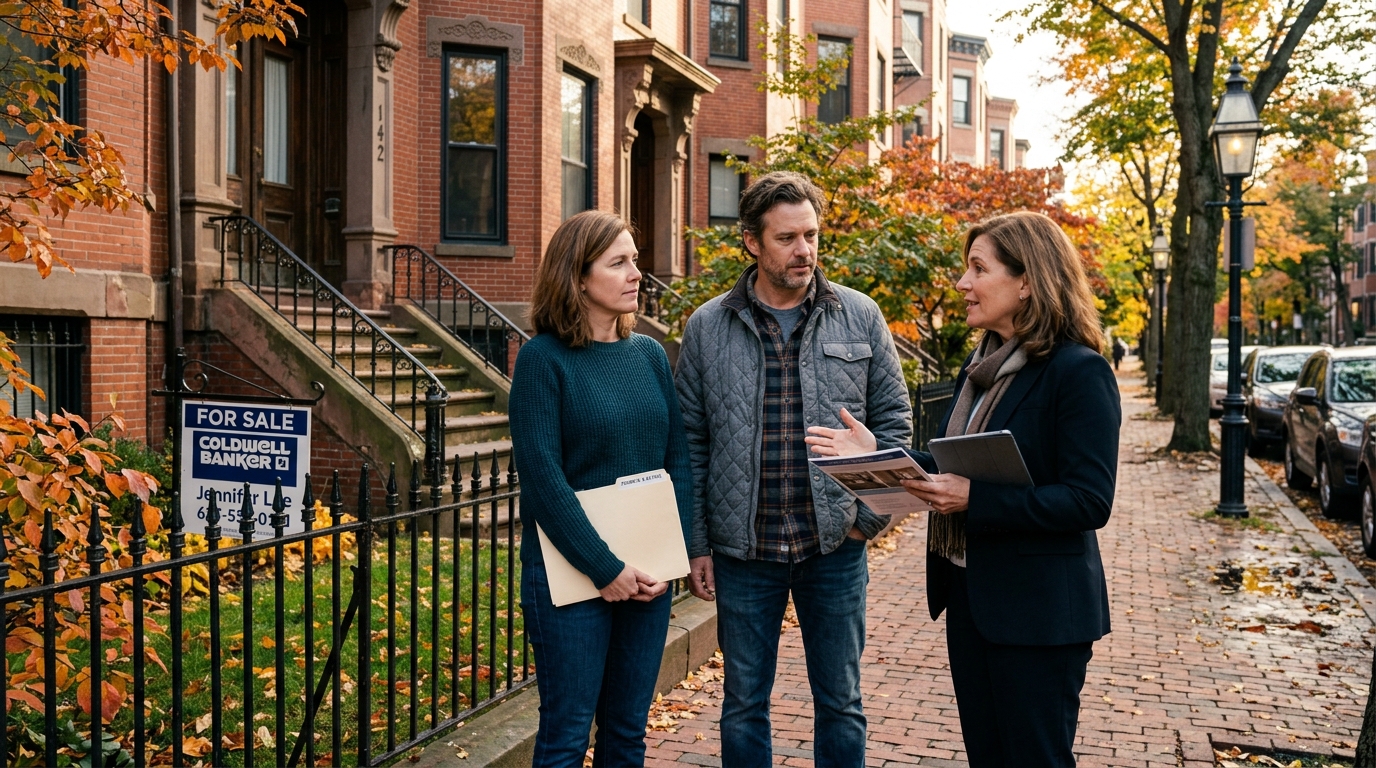
When someone passes away and leaves a home in their name alone, that property usually has to go through a legal process called probate before anyone can sell it. In Boston and across Massachusetts, this is handled by the Probate and Family Court. The court makes sure all debts are paid and that the home is transferred to the right people.
A lot of people have never dealt with probate before. When I first helped a friend through this after she lost her father, she honestly thought she could list the house the next week. She had no idea what was coming. Probate in Massachusetts can take anywhere from 6 to 12 months for a straightforward case, and even longer when things get complicated, according to Houzeo, a real estate research platform that covers inherited property laws by state.
When Does Probate Apply in Massachusetts?
Not every home has to go through probate. If the property was owned jointly with a spouse or placed in a living trust, it might transfer automatically without going to court. But if the person who passed away owned the home in their name alone, probate is almost always required.
Under Massachusetts law, estates under $25,000 with no real estate might qualify for a simplified process. But if real estate is involved, the full probate process typically applies. Your closing attorney or a Massachusetts probate attorney can confirm exactly what fits your situation.
The Personal Representative and Their Role
The person who manages the probate process is called the personal representative, sometimes called the executor. They are either named in the will or appointed by the court when there is no will.
The personal representative has a lot on their plate. They file the estate, notify heirs and creditors, take inventory of all assets, pay off debts and taxes, and oversee the distribution of what is left. When it comes to selling the home, they are the legal signer. Their level of authority from the court also determines how much court involvement is needed during the sale.
Step-by-Step Process to Sell a Probate Home in Boston
If you are the personal representative and you want to sell the inherited property, here is the general order of steps you will likely follow. This is general information, not legal advice, but it gives you a clear picture of what to expect.
Filing the Petition and Getting Appointed
The first thing you need to do is file a petition with the Probate and Family Court in the county where the deceased person lived. For most of Boston, that is Suffolk County. You will submit the death certificate, the original will if there is one, and the required court forms.
Once the petition is approved, you receive Letters Testamentary (when there is a will) or Letters of Administration (when there is no will). These documents give you the legal authority to act on behalf of the estate, including signing real estate contracts.
Appraising the Property and Clearing the Title
Before listing the home, you need a professional property appraisal to determine what it is worth. This number matters for pricing, for court purposes, and for calculating any potential capital gains tax down the line.
You also need to check the title for any issues early on. Inherited homes in Boston sometimes come with old mortgages, tax liens, or unclear deed history. According to a 2024 article by Ligris, a Massachusetts real estate law firm, there are three common title traps in probate sales, including deed of distribution issues and registered land complications that can delay or block a sale if not caught early.
What Can Slow Down a Probate Sale in Boston
The delays are where most families run into the most trouble. Knowing what to watch for ahead of time can save you weeks or even months.
Heir Disputes and Lack of Communication
If multiple heirs are involved, things can get slow fast. Massachusetts law requires that all beneficiaries be notified before any real estate can be sold during probate. If even one heir goes quiet or disagrees, the entire process can stall.
The best approach is to get everyone on the same page early. Assign one person as the main contact, hold a group conversation, and make a shared decision about whether to sell, keep, or rent the home. Waiting until the last minute to get heir agreement is one of the most common and entirely avoidable mistakes families make.
Limited Court Authority and Extra Paperwork
Not all personal representatives have the same level of authority. If your authority from the court is limited, you may need to go back to court for approval before the sale can close. This adds time and extra legal fees.
If the will does not include a power of sale, the estate may need to obtain a license to sell from the Probate Court. This is an extra petition that takes time to process. Full authority means fewer steps. Limited authority means more steps. Knowing which one applies to your situation matters a lot from day one.
Selling Your Boston Inherited Home: Your Options
Once probate is underway, you have real choices about how to sell. Each one comes with different trade-offs depending on how fast you want to move and what the estate needs.
Selling on the Open Market vs. Selling to a Cash Buyer
Listing on the MLS can get you a higher price, but it takes more time and comes with more uncertainty. Some buyers on the open market get nervous when they hear the word probate. That hesitation can kill deals or cause long delays when you least want them.
Selling to a cash buyer is a faster path. There are no bank approvals, no waiting on mortgage lenders, and no financing contingencies that can fall through at the last second. If the estate needs to pay off debts quickly or heirs want a clean resolution, a cash offer is often the smartest choice. You can also read our guide on why cash home buyers are a great option for inherited properties for more on how this works in practice.
If you are ready to explore your options, our team works directly with inherited home sellers. Reach out through our contact page and we will walk you through everything at no cost to you.
Selling the Home As-Is During Probate
Many inherited homes in Boston are older and have not been updated in years. Some have deferred maintenance, outdated kitchens, or old electrical systems. You do not have to fix everything before you sell.
Selling as-is saves you the time and expense of repairs, especially when the estate may not have funds available for improvements. The trade-off is that an as-is sale may come in at a lower price than a fully renovated one. For most families in a probate situation, that trade-off is completely worth it. Also check out our article on how to safely receive your wire transfer after a property sale so you know exactly what to expect once the deal closes.
Taxes You Need to Know About When Selling an Inherited Home in Massachusetts
Taxes are one of the biggest concerns people have when dealing with an inherited property. Let me break down the main ones in simple terms.
Capital Gains and the Stepped-Up Basis
When you inherit a property, the IRS uses what is called a stepped-up basis. Your cost basis is set at the fair market value of the home on the date the person passed away, not what they originally paid for it decades ago.
So if your parent bought a home in Boston 30 years ago for $150,000 and it is worth $700,000 when they pass, your starting cost basis is $700,000. If you sell it shortly after for $700,000, you owe no capital gains. According to Houzeo, capital gains tax only applies to appreciation that happens after you inherit the property, which means quick sales often result in little to no tax owed.
Massachusetts Estate Tax and Other Obligations
Massachusetts does not have a state inheritance tax, which is welcome news for most families. However, the state does have its own estate tax that may apply to larger estates. Federal estate tax only kicks in on estates over $13.8 million as of 2024, so most families inheriting a single Boston home will not face a federal estate tax bill at all.
That said, always speak with a licensed Massachusetts tax professional before making any decisions. Tax rules can change, and the amounts involved in a Boston home sale are significant enough that you want professional guidance on your specific situation.
Documents You Will Need to Sell an Inherited Home in Boston
Here is a quick look at the key documents you need to gather before you can close on a probate home sale in Massachusetts. Getting these ready early will save you from last-minute scrambles at closing.
| Document | Why You Need It |
|---|---|
| Death Certificate | Required by mortgage lenders, title companies, and the court |
| Letters Testamentary or Letters of Administration | Proves you have legal authority to sell the property |
| Proof of Ownership or Deed of Distribution | Shows the property is legally transferred to the estate or heirs |
| Property Appraisal | Confirms fair market value for pricing and tax purposes |
| Title Search Report | Reveals any liens, judgments, or encumbrances that block closing |
| Property Tax Records | Confirms no outstanding municipal taxes on the property |
| Seller Disclosure | Massachusetts requires disclosure of lead paint and septic systems |
Common Mistakes to Avoid in a Boston Probate Home Sale
Here are the mistakes that trip up most families going through this process for the first time.
- Trying to sell before the personal representative is officially appointed by the court
- Forgetting to notify all heirs and beneficiaries before listing the property
- Skipping the early title check and finding liens right before closing
- Pricing the home without a proper professional appraisal
- Accepting a buyer offer before getting the required court approval when it is needed
- Not working with a Massachusetts probate attorney who knows the specific rules
I have seen families lose months simply because they skipped the early title check. One family thought the home was clean and free, only to find a $40,000 tax lien that had been sitting there quietly for a decade. Always check early and work with professionals who know what to look for.
We serve homeowners across multiple markets. Visit our locations page to see if we work in your area.
Conclusion
Selling an inherited home in Boston through the Massachusetts probate process is not as scary as it might seem at first. Yes, it takes time. Yes, there are legal steps to follow. But once you understand the process and what each stage requires, it becomes much more manageable.
The most important things are getting the personal representative appointed quickly, gathering your documents early, checking the title before you list, and making sure all heirs are aligned on the plan. If speed matters most, a cash buyer is often the best path for a probate home sale in Boston.
We work with families in situations exactly like this. Reach out through our contact page and let us help you find the fastest and simplest way to move forward.
Frequently Asked Questions
How long does the Massachusetts probate process take before I can sell?
Most straightforward probate cases in Massachusetts take between 6 and 12 months. If there are heir disputes, title issues, or court approval is needed for the sale, it can take longer. Getting organized early and working with a probate attorney is the best way to keep things moving.
Do all heirs have to agree before I can sell an inherited home in Boston?
Not always. But Massachusetts law requires that all beneficiaries be notified before real estate can be sold during probate. If an heir disagrees, they have the right to contest the sale, which can cause significant delays. Getting everyone aligned early makes the whole process much smoother for everyone involved.
Can I sell an inherited home before probate is finished?
Sometimes. It depends on the authority granted to the personal representative and the specifics of the estate. In some cases, a purchase contract can be signed before probate is fully complete, but the actual closing typically cannot happen until legal authority is fully confirmed by the court.
Do I have to pay capital gains tax when selling an inherited home in Massachusetts?
Thanks to the stepped-up basis rule, you only owe capital gains tax on appreciation that happened after you inherited the property. If you sell shortly after inheriting at close to the same appraised value, you likely owe little or nothing. Always confirm your specific situation with a licensed tax professional.
Is it better to sell a probate home to a cash buyer or through a real estate agent?
Both options can work, but they come with different trade-offs. A real estate agent may get you a higher price but the process takes longer and involves more uncertainty. A cash buyer closes faster with fewer conditions, which is often the better choice when the estate has debts to pay or heirs who want a quick and clean resolution.