
When money gets tight, a home can feel like both a lifeline and a burden at the same time. It’s your biggest asset — but it’s also your biggest monthly expense. For homeowners in Los Angeles facing job loss, a medical crisis, mounting debt, divorce, or the creeping weight of bills they can no longer keep up with, the pressure is real and it compounds quickly. Missing one mortgage payment leads to two. Two leads to a notice. And before long, the options narrow.
The good news: if you own a home with equity, you have more control than you may realize. A quick cash sale is one of the most direct and underutilized tools available to LA homeowners in financial hardship — and understanding how it works could be the difference between walking away with money in hand or losing everything to a lender’s auction.
The Reality of Financial Hardship for LA Homeowners in 2025–2026
Foreclosure Activity Is Rising
Los Angeles is not immune to the national trend. According to ATTOM’s Year-End 2025 Foreclosure Market Report, Los Angeles recorded 8,503 foreclosure starts in 2025 — placing it among the top five major metropolitan areas nationally for foreclosure activity. Nationally, foreclosure filings rose 14% year-over-year in 2025, with analysts expecting continued increases into 2026 as elevated interest rates, high insurance costs, and economic uncertainty persist.
The causes aren’t hard to identify. Roughly 94% of mortgage defaults occur after a homeowner experiences a loss of income — job loss, illness, reduced hours, or business disruption. Rising homeowners insurance premiums (up nearly 70% over five years nationally), property taxes, and the cost of basic living are pushing more households to the edge. FHA loan delinquencies have climbed above 11%, accounting for over half of all seriously delinquent loans in the country.
None of this is abstract when you’re the one looking at the stack of bills on your kitchen table.
Most Affected LA Homeowners Have More Equity Than They Think
One of the most important things to understand in 2025 is that most Los Angeles homeowners — even those in default — have significant equity. Home values in LA have remained elevated despite broader market softening. A homeowner who bought in 2018 for $700,000 may owe $550,000 today but have a property worth $900,000 or more. That gap is real money, and it belongs to them — not the bank. But only if they sell before the lender forecloses.
Foreclosure wipes out your equity. A voluntary sale — especially a fast cash sale — lets you capture it.
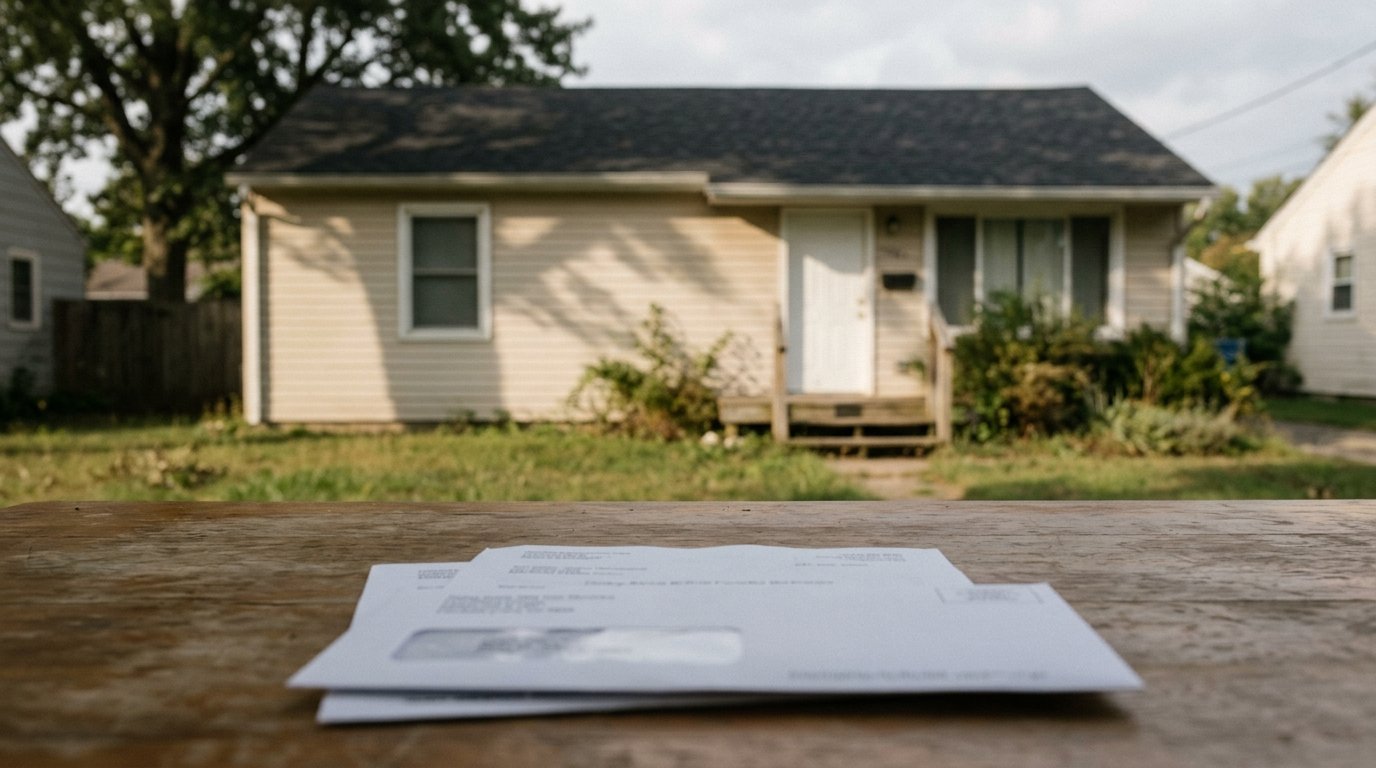
What Happens If You Don’t Act: The Real Cost of Foreclosure
Credit Score Damage
Foreclosure is one of the most damaging events that can appear on a credit report. According to the LA County Department of Consumer and Business Affairs, a foreclosure can decrease your credit score by up to 160 points and remains on your credit report for up to 7 years. That affects your ability to rent an apartment, qualify for a car loan, obtain new employment in finance-related fields, and eventually buy a home again.
By contrast, selling voluntarily — even in a distressed situation — results in far less credit damage. A standard sale, even one rushed to avoid default, typically results in minimal to no credit score impact, depending on your payment history leading up to the sale.
| Exit Strategy | Credit Score Impact | Credit Report Duration |
|---|---|---|
| Voluntary sale (current on payments) | Minimal to none | N/A |
| Short sale | 50 – 150 points | Up to 7 years |
| Deed in lieu of foreclosure | ~100 points | Up to 4 years |
| Foreclosure | Up to 160 – 300 points | Up to 7 years |
| Bankruptcy | 130 – 150 points | Up to 10 years |
Loss of Equity
When a home goes to a foreclosure auction in California, the lender bids the outstanding loan balance. If no outside bidder appears, the lender takes the property — and you receive nothing beyond the payoff of the debt. Any equity above the loan balance, which in many LA cases could be hundreds of thousands of dollars, is forfeited. In a voluntary sale, that equity comes directly to you at closing.
Public Record and Privacy Loss
Foreclosure proceedings in California are a matter of public record. Once a Notice of Default is recorded, it appears in public databases, is often picked up by third-party data aggregators, and may be seen by future employers, lenders, and landlords. Selling privately — especially off-market to a cash buyer — keeps your situation confidential.
The California Foreclosure Timeline: Your Window Is Narrow
Understanding the California foreclosure process matters because it tells you exactly how much time you have to act. Under California Civil Code § 2924 (2025), the non-judicial foreclosure timeline works as follows:
- Day 1 (120+ days delinquent): Federal law requires servicers to wait at least 120 days of delinquency before starting foreclosure on a primary residence
- Notice of Default recorded: Lender records the NOD in the county recorder’s office and mails a copy within 10 business days — this is the formal start of foreclosure
- 90-day reinstatement period: You have 90 days from the NOD recording date to “cure” the default by paying everything owed
- Notice of Sale issued: After 90 days, the lender can record a Notice of Sale — must be at least 21 days before the auction date
- Foreclosure sale (auction): The property is sold to the highest bidder. You can reinstate up to 5 business days before this date
In total, from the first missed payment to a foreclosure auction, most California homeowners have 4 to 6 months, sometimes longer if the lender delays. That is your window. And a cash buyer can close in as few as 7 to 21 days once an agreement is reached.
Common Financial Hardship Scenarios — and How a Cash Sale Helps Each One
Job Loss or Income Reduction
This is the most common trigger for mortgage default in LA. Whether it’s a layoff, a company closure, a disability, or a shift from full-time to part-time, reduced income makes fixed housing costs unsustainable fast. When lender forbearance runs out and the missed payment pile grows, selling quickly is often the only way to exit with equity intact. A cash sale closes in days — not the weeks or months a traditional listing requires — giving you funds to stabilize your situation while you rebuild.
Medical Debt and Health Crisis
A single hospitalization without adequate insurance can generate $50,000 to $200,000 or more in medical bills. For many LA homeowners, a health crisis simultaneously destroys income (inability to work) and creates massive new debt. Selling the home for cash provides immediate liquidity to settle medical debts, eliminate interest accrual, and free up cash flow for a more affordable housing situation.
Behind on Payments — Pre-Foreclosure
Once a Notice of Default has been filed, the clock ticks loudly. Lenders begin adding late fees, default interest, and legal costs to your payoff amount — every week that passes costs more money. A fast cash sale can be negotiated, agreed upon, and closed before a Notice of Sale is ever recorded, stopping the foreclosure clock entirely and preserving your credit from the worst of the damage.
Tax Liens and IRS Debt
Property tax delinquency in Los Angeles County carries significant penalties — and unpaid IRS or state tax debt can result in liens that cloud title and complicate any future sale. Selling for cash with the help of a title company allows liens to be paid off at closing from the proceeds, clearing the title and satisfying the debt in a single transaction. There’s no need to resolve the lien independently before selling.
Divorce and Forced Liquidation
When a marriage ends, the family home usually must be sold to divide assets. If both parties are already under financial strain — from legal fees, dual-household costs, or support obligations — a traditional listing’s 60-to-90-day timeline and 5-6% commission can feel like burning money. A cash sale closes faster, costs less, and allows both parties to move on with their share of the proceeds sooner. See our full guide on divorce and real estate in SoCal for more on how that process works.
Mounting Credit Card and Consumer Debt
High-interest revolving debt — credit cards, personal loans, lines of credit — can spiral quickly when income drops or unexpected expenses hit. For homeowners sitting on significant equity, selling the home and using proceeds to pay off high-interest debt can immediately reduce monthly obligations by thousands of dollars, making a more modest rental situation far more manageable than the combined weight of a mortgage plus credit card minimums.
Why a Cash Sale Is Different From a Traditional Sale During Hardship
Speed
Traditional home sales in Los Angeles take 45 to 90 days from listing to close — longer if repairs are needed, inspections fail, or a buyer’s financing falls through. When you’re racing against a foreclosure date or a tax lien deadline, that timeline isn’t viable. Cash buyers eliminate financing contingencies entirely. Once an offer is accepted, closing can happen in as few as 7 to 21 days. For sellers in urgent situations, that speed is the entire point.
No Repairs Required
Financial hardship and deferred home maintenance go hand in hand. When you can’t afford the mortgage, you definitely can’t afford to replace the roof, fix the foundation, or repaint before listing. Traditional buyers — and their lenders — often require repairs as a condition of sale. Cash buyers purchase as-is, in any condition, without requiring a single dollar of pre-sale investment from the seller.
No Agent Commission
A traditional sale in LA typically costs the seller 5% to 6% in agent commissions alone. On a $900,000 home, that’s $45,000 to $54,000 coming out of your equity before you see a dollar. A direct cash sale eliminates that cost entirely, along with staging fees, open house costs, and carrying costs during the listing period. For sellers already financially stretched, keeping that money is significant. Our guide on the hidden costs of selling through a realtor in LA breaks this down in full detail.
Certainty of Close
Traditional buyers fall out. Their financing gets denied, their inspection reveals issues, or they simply get cold feet. When you’re in financial hardship and counting on proceeds to pay off debt, a deal that falls through after 45 days isn’t just disappointing — it can be devastating. Cash offers don’t depend on lender approval. When a cash buyer says they’re closing, they close.
Privacy
An off-market cash sale doesn’t require an MLS listing, open houses, or strangers walking through your home. Your financial situation stays private. You’re not explaining to neighbors why the house is being shown or answering questions about why you’re selling quickly. The transaction is between you and the buyer, handled quietly through escrow.
What to Expect When You Contact a Cash Buyer
If you’re considering a cash sale to relieve financial hardship, the process is straightforward:
- Step 1 — Initial conversation: Share basic information about the property — address, approximate condition, what you owe, and your timeline. No obligation, no pressure.
- Step 2 — Property assessment: A cash buyer will assess the property, either in person or using available data, to determine its current as-is value and estimate any repair costs they’ll need to absorb.
- Step 3 — Written cash offer: You receive a written offer, typically within 24 to 48 hours. See our guide on how to get a cash offer on your LA home in 24 hours for what that looks like.
- Step 4 — You choose your closing date: Unlike a traditional sale, you set the timeline. Need 30 days to move? Done. Need to close in 10 to stop a foreclosure? That works too.
- Step 5 — Title and escrow: A title company handles the transaction, confirms clear title, pays off your mortgage and any liens from proceeds, and wires the remaining equity to you at closing.
- Step 6 — Move on: With debt cleared, equity in hand, and the property off your plate, you can stabilize your finances and start rebuilding on a solid footing.
Understanding the Offer: What’s the Trade-Off?
Cash buyers purchase below full retail market value. That’s the honest reality. Because they’re absorbing repair costs, carrying costs, and transaction risk, their offers will typically come in 10% to 20% below what a fully prepared home might sell for on the open market. Whether that trade-off is worth it depends entirely on your situation.
For a homeowner with 6 months and no financial pressure, it may not be worth it. But for someone facing a foreclosure sale in 60 days, carrying $8,000 a month in housing costs, or watching $30,000 in credit card interest compound while they wait for a traditional buyer — the math often works out in favor of the cash sale. Capture 85% of market value now versus 100% of market value in three months, minus agent commissions, minus carrying costs, minus the risk of a buyer fallout. Want to understand exactly how we calculate our offers? Read how we calculate cash offers in the LA market.
California Protections You Should Know About
California has enacted several recent homeowner protections worth knowing:
- AB 238 (2025): Provides up to one year of mortgage forbearance and foreclosure relief for homeowners whose properties were affected by the January 2025 LA wildfires (Eaton Fire, Palisades Fire, Straight-line Winds disaster declaration)
- AB 130 (2025): Protects homeowners facing foreclosure on “zombie” second mortgages — old second loans believed to have been settled or forgiven. Servicers must now certify full legal compliance before initiating foreclosure on these loans
- AB 2424 (effective January 1, 2025): Requires servicers to notify borrowers that a third party (attorney, family member, or HUD-approved housing counselor) can request copies of all default and notice of sale documents
- California Homeowner Bill of Rights: Prohibits servicers from officially beginning foreclosure until 30 days after contacting the homeowner for a foreclosure avoidance assessment — giving you time to explore options
These protections don’t eliminate foreclosure risk — but they do create more time and more room to act. Use that time wisely.
When a Cash Sale Is the Right Move — and When It Isn’t
A Cash Sale Makes Sense When:
- You’re behind on payments and need to sell before foreclosure is completed
- You can’t afford repairs or don’t have time to prepare the home for market
- You need to close on a specific date to pay off a debt, tax lien, or legal judgment
- A traditional sale fell through and you’re out of time
- The emotional weight of the situation makes a drawn-out process untenable
- You need privacy and don’t want the sale publicly marketed
A Cash Sale May Not Be the Right Move When:
- You have 90+ days of runway, the home is in good condition, and you can afford to wait for a higher offer
- The property is in a high-demand area where a traditional listing would spark a bidding war that far exceeds the cash offer
- A loan modification or forbearance agreement is available and you want to stay in the home
We’ll always give you an honest assessment. If a traditional sale clearly makes more financial sense in your situation, we’ll tell you that. Our goal is to help you make the best decision for your circumstances — not to push you toward a sale that doesn’t serve your interests.
Take the First Step
Financial hardship doesn’t have to mean financial catastrophe. If you own a home in Los Angeles and you’re struggling — whether you’re one missed payment behind or already facing a Notice of Default — the most important thing you can do right now is understand your options before the window closes.
Contact us today for a confidential, no-obligation cash offer. We work with homeowners throughout Los Angeles County — from the San Fernando Valley to the South Bay, from the Eastside to the Westside. No pressure, no judgment, and no obligation to accept. Just a clear picture of what your home is worth and how quickly we can close if you decide to move forward.
Conclusion
When financial hardship hits, the home you’ve worked hard to own can become the asset that saves you — but only if you act before the lender does. A quick cash sale won’t get you every dollar the market might eventually offer, but it will get you certainty, speed, privacy, and the ability to walk away with your equity intact rather than watching it disappear in a foreclosure auction. For many LA homeowners, that trade-off isn’t just acceptable — it’s the smartest financial move available.
Note: This article is for general informational purposes only and does not constitute legal or financial advice. Consult a qualified attorney, HUD-approved housing counselor, or financial advisor for guidance specific to your situation.
Frequently Asked Questions
Can I sell my house if I’m behind on mortgage payments?
Yes. As long as the foreclosure auction has not yet been completed, you remain the legal owner and have the right to sell your home. In California, you generally have 4 to 6 months from your first missed payment to the foreclosure sale date — enough time to complete a cash sale if you act quickly.
Will selling my house hurt my credit?
A voluntary sale — even in a distressed situation — has minimal to no credit score impact compared to a foreclosure, which can drop your score by up to 160 to 300 points and remain on your report for 7 years. Selling before foreclosure is one of the most effective ways to protect your credit during financial hardship.
What if I owe more than the house is worth?
If the payoff on your mortgage exceeds the property’s value, a “short sale” may be required — where the lender agrees to accept less than the full balance owed. Short sales require lender approval and take longer than a standard cash sale, but they still result in far less credit damage than a completed foreclosure. Contact us and we can walk you through whether a short sale applies to your situation.
How fast can a cash sale actually close in Los Angeles?
Once an offer is accepted, a cash sale in LA typically closes in 7 to 21 days, depending on how quickly the title company can complete their work and any specific requirements of your situation. If you have a hard deadline — a foreclosure auction date or a tax sale date — share it with us upfront and we’ll structure the timeline around it.
What about tax consequences of selling under financial hardship?
In California, sellers who have lived in the home for 2 of the last 5 years may exclude up to $250,000 in capital gains ($500,000 for married couples) from federal tax. If the sale results in canceled debt (such as in a short sale), California generally does not tax forgiven mortgage debt on a primary residence. Always consult a tax professional for guidance specific to your situation, as individual circumstances vary.