
Selling a home during a contested probate battle in California is genuinely one of the most difficult real estate situations a family can face. People are grieving. Legal disputes are happening at the same time. And the clock keeps ticking on property taxes, insurance, and maintenance costs. If you are in this situation, here is what you actually need to know.
How California Probate Works When Property Is Involved
Probate is the legal process where a court supervises the transfer of a deceased person’s assets to their heirs or beneficiaries. In California, most estates that include real property must go through probate unless the property was held in a living trust, jointly owned with rights of survivorship, or otherwise structured to avoid probate.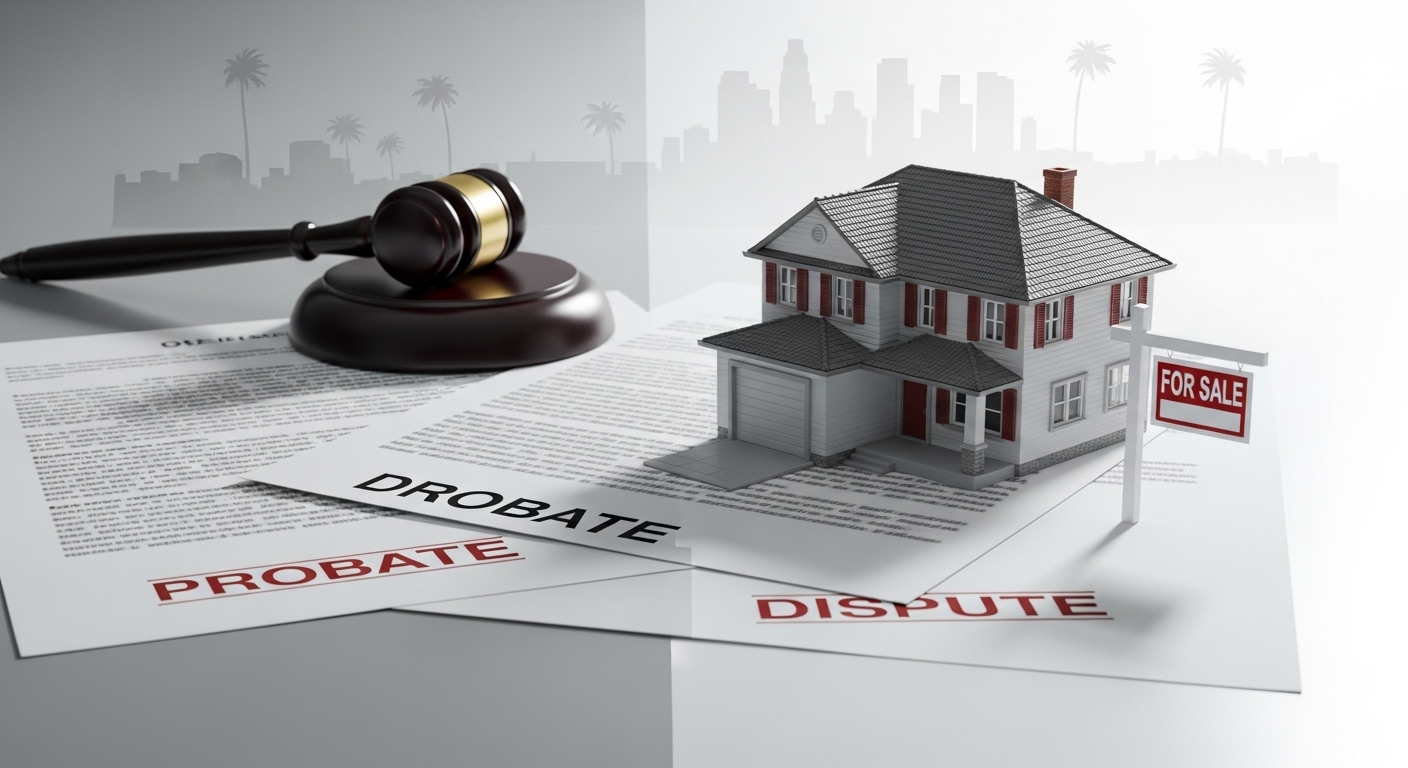
When probate is uncontested, the process is slow but relatively predictable. California probate typically takes six months to two years or more to complete, depending on the complexity of the estate and the court’s caseload. When probate is contested, meaning someone is disputing the will, the appointment of the executor, or the distribution of assets, that timeline can extend significantly and the property often sits in legal limbo while the dispute is resolved.
What Contested Probate Actually Means for the Property
A contested probate does not necessarily mean the house cannot be sold. It means that any sale of property held by the estate typically requires court approval, and the dispute makes that approval process more complicated and time-consuming.
When a will is contested, the court may appoint a probate referee to assess the value of the estate’s assets, including real property. According to the California Courts, all interested parties, meaning anyone with a potential claim to the estate, must be notified and given an opportunity to object to any proposed sale. This notification and objection process adds time and complexity to an already slow system.
Who Has the Authority to Sell Property During Contested Probate
The authority to sell estate property depends on whether the executor or administrator has full authority under the Independent Administration of Estates Act. If they have full IAEA authority, they can often sell property without a full court confirmation hearing, though they still must notify heirs and provide an opportunity to object.
If full IAEA authority was not granted, or if someone specifically challenged the executor’s authority, every significant transaction including the sale of real property may require a formal court confirmation hearing. This means a judge must approve the sale price and terms before closing can happen.
The Court Confirmation Hearing Process for Property Sales
If the probate sale requires court confirmation, the process follows a specific sequence that affects how buyers make offers and how the sale ultimately closes. Understanding this process helps sellers set realistic expectations and find buyers who understand probate transactions.
How Probate Sales Are Different From Regular Home Sales
In a court-confirmed probate sale in California, the accepted offer is just the beginning. After an offer is accepted and submitted to the court, a hearing date is set, typically 20 to 40 days out. At the hearing, the court allows overbids from other buyers. Anyone who attends the hearing can make a higher offer, and the court will confirm the sale to the highest bidder.
Here is a summary of how the probate sale process differs from a standard real estate transaction in California.
| Step | Standard Sale | Court-Confirmed Probate Sale |
|---|---|---|
| Offer accepted | Sale proceeds to escrow | Offer submitted to probate court |
| Inspection period | Standard 7 to 17 days | Similar, but limited repairs may be available |
| Court hearing | Not required | Required, set 20 to 40 days after offer acceptance |
| Overbidding | Does not occur after acceptance | Open overbidding at the court hearing |
| Closing timeline | 30 to 45 days typical | 60 to 120 days or longer depending on dispute |
Finding Buyers Who Understand Probate Transactions
One of the real practical challenges with contested probate sales is finding buyers who are willing to wait through the court confirmation process and accept the risk that they might be overbid at the hearing. Traditional retail buyers often are not comfortable with this uncertainty.
Cash buyers and investors who specialize in probate and distressed properties are generally the most practical buyer pool for contested probate sales. They understand the process, they are accustomed to longer timelines, and they are not going to pull out of the deal because the court date gets pushed back a few weeks.
How the Dispute Affects Your Ability to Sell
The specific nature of the dispute matters a lot for how it affects the sale. A dispute about who should serve as executor is a different problem than a dispute about whether the will is valid, which is again different from a dispute about whether certain assets are even part of the estate.
When You Can Sell Despite a Pending Dispute
In many contested probate situations, the property can still be sold while the dispute is pending, as long as the court approves the sale and the proceeds are held in the estate account rather than distributed until the dispute is resolved. This is often the right approach because it stops carrying costs from accumulating while the legal battle continues.
The estate still has to pay property taxes, insurance, and maintenance on the home throughout the probate period. If the dispute is expected to last years, selling sooner and holding the proceeds in escrow while the legal questions are resolved is often less damaging to the estate’s value than waiting.
When a Probate Sale Gets Delayed or Blocked
If a party to the dispute obtains a court order specifically blocking the sale, or if the court determines that the sale cannot proceed until certain legal questions are resolved, then the sale will have to wait. This is more common in cases where there is a genuine dispute about who owns the property rather than disputes about who gets the proceeds.
For sellers navigating the emotional and financial weight of an estate property that also has other physical condition issues, reading about discreet solutions for selling LA hoarder homes may help since many inherited properties come with accumulated contents that need to be addressed.
If the estate property also has lien issues alongside the probate dispute, our guide on selling a house with multiple liens in Los Angeles covers those complications and how they interact with the probate process.
If you are an executor or administrator trying to sell a property during a contested probate and need help understanding your options, contact our team today. We work with estates and probate attorneys regularly and can give you an honest picture of what a cash sale looks like in your situation.
To learn more about how we purchase properties in all conditions and legal situations throughout California, visit our Los Angeles cash home buyers page.
For a more detailed understanding of California’s probate rules and the Independent Administration of Estates Act, the California Legislature’s official website has the complete probate code that governs these transactions.
Conclusion
Selling a California home during a contested probate battle is slow, complicated, and emotionally draining. But it is often possible, and in many cases it is the right financial decision for the estate to sell sooner rather than waiting for the dispute to fully resolve.
Work with a probate attorney, understand whether the executor has full or limited IAEA authority, and find buyers who are experienced with court-confirmed probate sales. Those three things will make the process as smooth as it can realistically be given the circumstances.
Frequently Asked Questions
Can estate property be sold while a probate dispute is still pending?
Yes, in many cases. If the court approves the sale and the proceeds are held in the estate account pending resolution of the dispute, the property can often be sold while the legal battle continues. This is frequently the better financial decision because it stops carrying costs from accumulating on the property while the dispute plays out.
How long does a contested probate take in California?
A standard uncontested California probate typically takes six months to two years. A contested probate can take considerably longer depending on the nature and complexity of the dispute. Disputes about the validity of the will or the identity of heirs can take several years to resolve in court, during which time the property remains part of the estate.
What is a court confirmation hearing and why does it matter for a probate sale?
A court confirmation hearing is where a judge reviews and approves a proposed sale of estate property. At the hearing, other buyers can make competing overbids on the property, meaning your accepted buyer could be outbid. The court then confirms the sale to the highest qualified bidder. This process adds time and uncertainty compared to a standard real estate sale.
Do I need a probate attorney to sell a home during contested probate?
You should strongly consider working with a probate attorney. The rules around authority to sell, court approval, notification of heirs, and proper handling of proceeds are specific and legally significant. Making procedural errors in a contested probate situation can create additional legal liability for the executor or administrator. An experienced probate attorney protects everyone involved.
Are cash buyers a good option for probate sales in California?
Yes, often. Cash buyers who specialize in probate and distressed properties are comfortable with the longer timelines, court confirmation requirements, and the overbidding process. They do not have lender financing that can fall through, and they do not walk away because of delays. For contested probate situations where the timeline is uncertain, an experienced cash buyer is usually the most reliable type of purchaser.