
Is Waterfront Living Worth It? What You Need to Know First
Imagine waking up every morning to the sound of water right outside your window. No traffic. No noise. Just calm, clean air and a beautiful view. That dream is what pulls so many people toward waterfront property. But before you fall in love with the view, there is a lot you need to think about. The pros and cons of buying waterfront property are very real — and some of them can surprise even experienced buyers.
What Exactly Is Waterfront Property?
A waterfront home is one where your backyard actually touches the water — whether that is an ocean, lake, river, bay, or canal. If there is a road or another property between you and the water, it is usually called “water view” or “water access,” not true waterfront.
True waterfront properties are rare. That scarcity is one of the big reasons they cost more. And it is also why they tend to hold their value over time.
Who Should Think About Buying Waterfront?
Honestly, not everyone. Waterfront homes make the most sense if you love being outdoors, enjoy water activities like boating or fishing, and do not mind paying more — both to buy and to maintain.
Some buyers want a vacation home they can rent out when they are not using it. Others want a full-time lakefront home or oceanfront property they can enjoy every day. Either way, you need to go in with your eyes wide open.
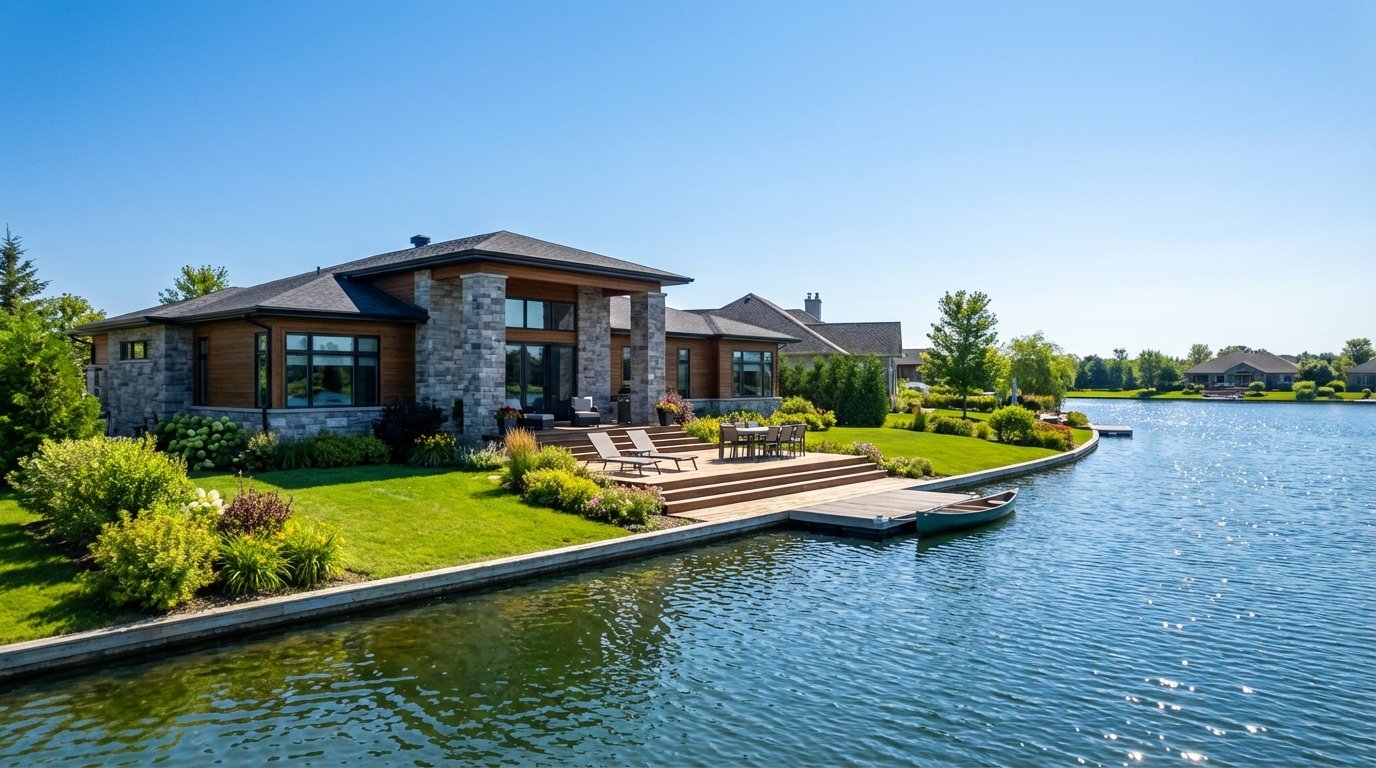
The Big Pros of Buying Waterfront Property
Let us start with the good stuff. There are some really great reasons why people love waterfront living. Here are the most important ones.
Strong Property Value and Investment Potential
One of the biggest draws of a waterfront home is what it does for your wallet over time. According to Zillow Research, waterfront homes sell for about 36% more than similar inland homes. That is a big premium — and it has held up for decades.
The reason is simple: there is a limited supply of waterfront property. You can build more houses, but you cannot make more water. So as more people want lakefront homes and oceanfront properties, the prices tend to go up.
This makes a waterfront home a strong long-term investment. And if you decide to rent it out, you can charge much higher rates than inland homes. Vacation renters are often willing to pay a premium for water views and access. Explore our investment opportunities to learn more about maximizing your real estate returns.
Lifestyle, Recreation, and Better Air Quality
This one is hard to put a number on, but it is very real. Living near water just feels different. The air tends to be cleaner and fresher. The sound of waves or a flowing river is naturally calming. Many people report sleeping better, feeling less stressed, and spending more time outdoors when they live by the water.
Then there is the fun factor. Fishing, kayaking, paddleboarding, boating, swimming — it is all right there. You do not need to drive to a lake or book a resort. You just walk outside.
I have a friend who bought a small lakefront home in Michigan a few years ago. She told me that even on her worst days, just sitting on the dock for twenty minutes made her feel better. That kind of quality of life is something money can buy — if you are willing to pay for it.
The Real Cons of Buying Waterfront Property
Now for the part that most people do not talk about enough. There are some serious downsides to waterfront living. These are not reasons to say no automatically — but they are reasons to slow down and think carefully.
Higher Costs: Purchase Price, Insurance, and Maintenance
Let us be direct here: waterfront homes are expensive. Not just to buy, but to own every single year. Here is a quick breakdown of the extra costs you should expect:
- Higher purchase price — Waterfront adds a significant premium, often 20% to 116% more than comparable inland homes depending on location.
- Flood insurance — Most lenders require it. According to FEMA’s National Flood Insurance Program (NFIP), flood insurance is required for many homes in high-risk flood zones, and premiums can run into the thousands each year.
- Higher homeowners insurance — Coastal properties especially face much higher premiums because of hurricane and wind damage risk.
- More maintenance — Salt air, humidity, and moisture speed up wear and tear on everything from your siding to your dock. You will spend more time and money keeping things in good shape.
- Higher property taxes — Because the assessed value is higher, your tax bill will be higher too.
Before buying, it is smart to go through a full home inspection checklist so you know exactly what condition the property is in — especially the dock, seawall, and any marine structures.
Environmental Regulations and Zoning Restrictions
Waterfront properties come with rules that most inland homeowners never have to think about. These rules are there to protect the water and the environment — but they can limit what you do with your own property.
According to the U.S. Environmental Protection Agency (EPA), wetlands and shoreline areas near waterfront properties are protected under federal and state laws. This can mean:
- Restrictions on removing plants or trees near the shoreline
- Limits on dock size and configuration
- Rules about what you can build or expand near the water
- Seasonal restrictions during wildlife nesting periods
Breaking these rules can lead to heavy fines and required restoration work that can cost tens of thousands of dollars. So before you buy, always check the local zoning laws and environmental regulations for that specific property.
Waterfront Property Pros and Cons at a Glance
Here is a simple table to help you see the full picture side by side:
| Pros | Cons |
|---|---|
| Strong property value appreciation | Higher purchase price |
| High rental income potential | Expensive flood and homeowners insurance |
| Beautiful views and serene environment | More frequent and costly maintenance |
| Access to recreation (boating, fishing, swimming) | Environmental and zoning restrictions |
| Better air quality | Weather and flood risk |
| Privacy and exclusivity (in some locations) | Limited supply makes buying competitive |
| Tax deductions on mortgage interest | Potential erosion and shoreline changes |
Flood Risk, Weather, and Climate Concerns
This is something more and more buyers are thinking about in 2025. Climate change is making storms more frequent and more severe. If you own a home near the water, you are more likely to be affected by flooding, storm surges, and rising water levels.
Understanding Flood Zones Before You Buy
Not all waterfront areas face the same flood risk. Before making any offer, check the FEMA flood map for that property. Homes in “high-risk” flood zones (called Special Flood Hazard Areas or SFHAs) are required to carry flood insurance if they have a government-backed mortgage.
This insurance is not cheap. And as FEMA has updated its pricing model — called Risk Rating 2.0 — premiums are now more closely tied to each property’s actual flood risk. That means some homes that seemed affordable before could now cost much more to insure.
Erosion and Shoreline Changes Over Time
Water moves. And over time, it can change the shape of your property. Erosion is a real concern for many waterfront homeowners, especially those on ocean or river shores. Waves, wind, and weather can slowly eat away at the land under and around your home.
Fixing erosion is not cheap either. You may need a seawall, riprap, or other structural solutions — all of which cost money and may require permits. Some areas only allow “soft armoring” using plants and natural materials, so you cannot always put up a concrete wall even if you want to.
Tips for Buying Waterfront Property the Smart Way
If you decide that waterfront living is for you, here are some practical tips to protect yourself and make a smart purchase:
Do Your Homework Before You Fall in Love with the View
It is easy to get swept up in the beauty of a waterfront home. The view is stunning. The dock looks perfect. But you need to step back and do the work.
- Check the flood zone status on FEMA’s Flood Map Service Center
- Get quotes for flood insurance before closing — not after
- Hire a home inspector who has experience with waterfront properties
- Look at the permit history and any past violations
- Talk to neighbors about what owning in that area is really like
- Ask about the water quality — especially if you plan to swim or fish
- Review all zoning and environmental restrictions for the lot
Work With the Right People
Buying a waterfront property is not like buying a regular home. You need people around you who understand the unique challenges. That means a real estate agent who specializes in waterfront sales, an insurance agent who knows flood policies, and ideally a real estate attorney familiar with shoreline regulations in that state.
Understanding the escrow process is also important, especially when dealing with waterfront properties that may have more complex title and environmental conditions. And if you ever have questions or need guidance at any step of the process, our team is here for you — just contact us and we will be happy to help.
Conclusion
Buying a waterfront property can be one of the best decisions of your life. The views, the lifestyle, the investment value — it is all real. But so are the costs, the risks, and the responsibilities. The key is going in prepared.
If you do your research, work with the right people, and budget for the full picture, a waterfront home can be a joy to own and a smart long-term investment. Just make sure you are buying the property — not just the view.
Frequently Asked Questions
Is waterfront property a good investment?
Yes, generally speaking. Waterfront properties tend to hold their value better than inland homes because supply is limited and demand stays high. Many buyers also use them as rental properties, which can generate strong income. However, the higher upfront and ongoing costs mean you need to crunch the numbers carefully before buying.
Do I need flood insurance for a waterfront home?
In most cases, yes. If your home is in a FEMA-designated high-risk flood zone and you have a government-backed mortgage, flood insurance is required. Even if it is not required, it is strongly recommended. The cost varies based on your location and the specific flood risk of your property.
How much more does a waterfront home cost compared to an inland home?
It depends on the location and type of water. On average, waterfront homes sell for about 36% more than comparable inland homes, according to Zillow Research. In some premium markets like coastal Florida or California, the premium can be much higher — sometimes several times the price of an inland home.
What are the biggest hidden costs of owning waterfront property?
Beyond the purchase price, the biggest surprises for new waterfront homeowners are usually flood insurance premiums, higher property taxes, dock maintenance, erosion control, and the ongoing cost of protecting the exterior of the home from salt, moisture, and weather. Many buyers underestimate these costs before buying.
Can I build or expand on waterfront property?
It depends on local zoning laws and environmental regulations. Many waterfront properties are subject to strict rules about what you can build near the shoreline, how large a dock can be, and which plants you can remove. The EPA and state agencies often have authority over these areas. Always check all applicable rules before planning any improvements.