
How to Tell a Professional Home Buyer Apart From a Fix-and-Flip Amateur
When you are ready to sell your home, the offers start coming in and some of them look really good on the surface. One says “we buy houses fast for cash.” Another says “I am a local investor looking for properties to flip.” They both say cash. They both promise a quick close. But they are not the same, and trusting the wrong one can cost you serious money and a lot of stress.
I want to walk you through exactly what separates a professional home buyer from a fix-and-flip amateur, and give you some practical ways to tell the difference before you sign anything.
What Is a Professional Home Buyer?
A professional home buyer is a company or individual who buys homes directly from sellers as their main business. They have a clear process, a real track record, and they do this full time. They are not trying to figure things out as they go. They have bought dozens or even hundreds of properties, and they know how to get a deal done cleanly and on time.
Professional buyers typically have their own funds available or a reliable funding source already in place. When they say they can close in 7 to 14 days, they actually can. They are not scrambling to line up hard money loans or find a joint venture partner at the last minute. Their offers may be slightly more conservative than some amateur investors, but what you get in return is certainty and a deal that actually closes.
What Is a Fix-and-Flip Amateur?
A fix-and-flip investor is someone who buys homes at a low price, renovates them, and then sells them for a profit. The strategy itself is not the problem. Many experienced fix-and-flip investors do this well and treat sellers fairly.
The problem is when the person doing it is new, undercapitalized, or just trying to assign the contract to someone else. These amateur flippers often have big plans but not enough money to back them up. They might lock your home up in a contract while they search for funding, and then walk away when they cannot find it. Meanwhile, you have lost weeks of market time and turned down other buyers. According to Bankrate, house flipping requires significant capital, careful budgeting, and a team of trustworthy contractors. Amateurs often have none of those things fully in place when they make their offer.
Red Flags to Watch For From Amateur Flippers
I have seen homeowners get excited about an investor offer, only to feel burned when the deal fell through at the last minute. Sometimes the buyer could not get financing. Sometimes they tried to renegotiate the price after the inspection. And sometimes they just disappeared. Here are the warning signs that should make you slow down before saying yes.
Signs You May Be Dealing With an Amateur
Here is a list of things to watch for when evaluating any cash buyer for your home.
- They cannot show proof of funds right away when you ask for it
- Their offer is unusually high compared to other cash buyers in the area
- They mention needing to find a partner or get financing before closing
- They want a long inspection period or keep asking for extensions
- They try to lower the price after the inspection is done
- They have no online presence, reviews, or verifiable track record
- They pressure you to sign quickly without giving you time to review the contract
- They use vague language about when or how they will close
None of these things automatically makes someone a bad person. But they are warning signs that the deal may not be as solid as it looks. A professional buyer will not have any of those issues because they have done this before and they have their systems in place.
Why a Too-High Offer Is Actually a Red Flag
This one surprises a lot of sellers. You would think a higher offer is always better. But when a cash buyer comes in significantly higher than everyone else, that can mean they have not actually done their math yet. They might be planning to renegotiate the price after they inspect the home. Or they might not be able to get the funding at that price and they will back out later.
Professional buyers know their numbers before they make an offer. They have looked at the comparable sales, they know the repair costs, and they know what they need to walk away with at the end. Their offer reflects all of that upfront. It might be lower than the amateur’s shiny number, but it is real and it will not change on you three days before closing.
Professional Home Buyer vs Fix-and-Flip Amateur: A Direct Comparison
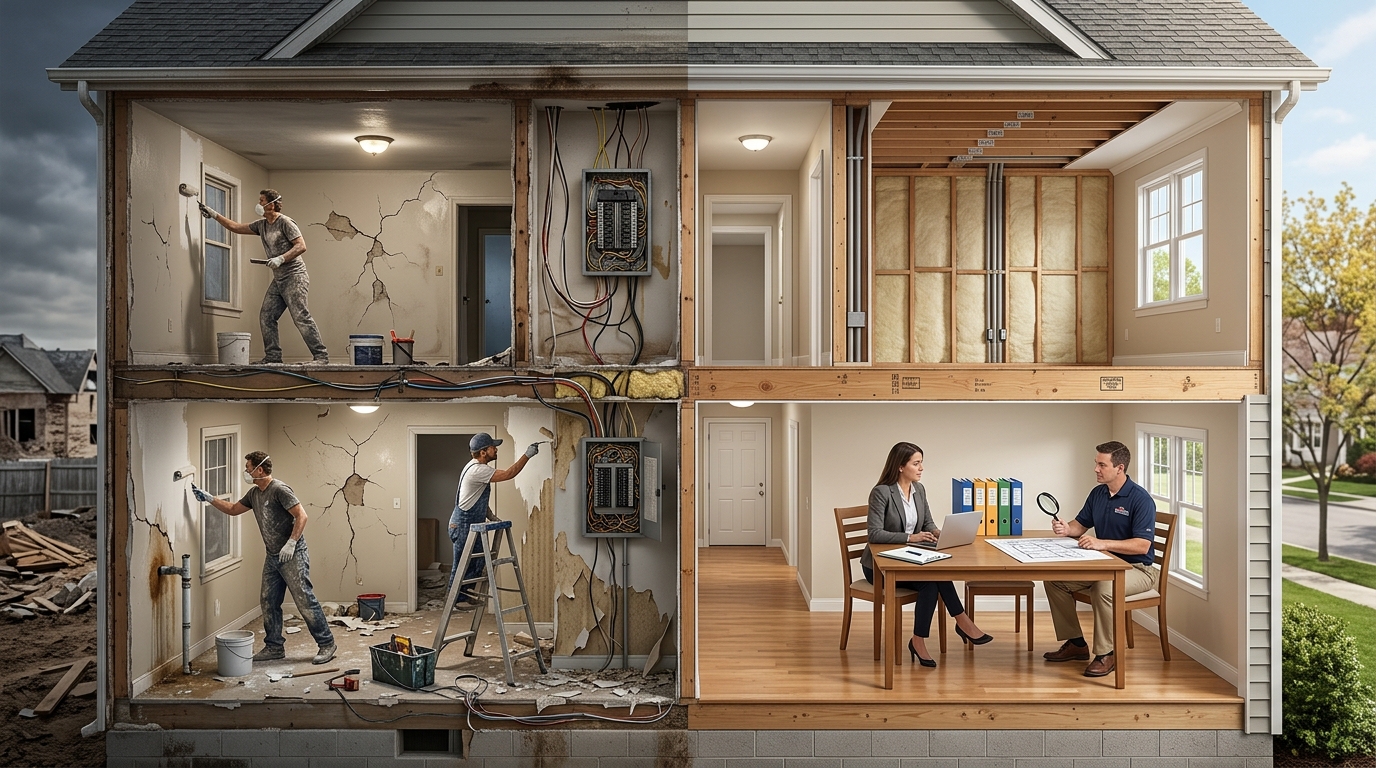
| Factor | Professional Home Buyer | Fix-and-Flip Amateur |
|---|---|---|
| Proof of Funds | Available immediately | May not have funds ready |
| Closing Timeline | 7 to 14 days, firm | Often delayed or missed |
| Price Changes After Offer | Rare, offer is firm | Common after inspection |
| Track Record | Verifiable reviews and history | Often limited or none |
| Repair Requirements | Buys as-is, no repairs needed | May still make repair demands |
| Deal Reliability | High, funded and committed | Lower, dependent on financing |
| Market Knowledge | Strong local expertise | Often limited or inconsistent |
How to Vet Any Cash Buyer Before You Accept
The good news is that vetting a buyer does not have to be complicated. A few simple steps can tell you a lot about who you are really dealing with. And anyone who gets offended when you ask these questions is not someone you want to work with anyway.
First, ask for proof of funds right away. A real buyer who has the money will have no problem showing you a bank statement or a letter from their lender that confirms the funds are available. If they hesitate, that tells you something important.
Second, look them up online. Search their company name and see what comes up. Do they have a real website? Do they have Google reviews from sellers who have worked with them? According to the National Association of Realtors, sellers who do proper due diligence on buyers are far less likely to face problems during the closing process. A company with no reviews and no track record is a risk.
Third, ask how they plan to fund the purchase and how quickly they can close. A professional will give you a clear, direct answer. An amateur will be vague or give you a different answer every time you ask.
If you want a comparison of what different selling paths actually look like financially, our post on why a fair cash offer beats a high contingent offer is a great place to start. And for more on what smart investors do with their proceeds, our guide on cash sale vs 1031 exchange walks through the numbers clearly.
Why Working With a Known, Established Buyer Protects You
There is a real cost to a deal that falls through. You take your home off the market. You turn down other buyers. You make plans around a closing date that never comes. And then you have to start over, sometimes with less interest from the market because buyers see the property history and wonder why it did not close the first time.
A professional home buyer who has closed hundreds of deals has a reputation to protect. They are not going to back out or renegotiate at the last minute and risk their reviews and their ability to get future deals. That reputational accountability is one of the most underrated reasons to work with an established buyer over a newcomer who is just trying their first flip.
According to the Federal Trade Commission, sellers should always verify the identity and credibility of any buyer before signing contracts, especially in as-is cash transactions where the speed of the deal can make it tempting to skip due diligence.
If you are ready to talk to a buyer you can actually trust, reach out through our Contact Us page or learn more about how we work on our investment opportunities page.
Conclusion
Not every cash buyer is equal. A professional home buyer brings funded offers, reliable timelines, and a track record you can verify. An amateur fix-and-flip investor might bring a flashy offer that looks great on paper but falls apart when they cannot fund the deal or decide to renegotiate after the inspection. The best move is always to do your homework, ask the right questions, and choose the buyer based on their ability to actually close, not just their offer number.
Frequently Asked Questions
What is the difference between a professional home buyer and a fix-and-flip investor?
A professional home buyer buys homes as their main, ongoing business with their own funds and a track record of closed deals. A fix-and-flip investor buys homes to renovate and resell for profit. Experienced flippers can be reliable, but amateurs often lack the funding, experience, and systems to close quickly and fairly.
How do I verify that a cash buyer actually has the money?
Ask for proof of funds before you accept any offer. A legitimate cash buyer will have no problem showing a recent bank statement or a funding letter that confirms the money is available. If a buyer hesitates or gives you excuses, that is a strong sign to walk away.
Can a fix-and-flip investor back out after signing a contract?
Yes, under certain conditions. If their contract includes inspection contingencies or a financing period, they can use those windows to lower the price or exit the deal. This is why it is important to review the full contract carefully before signing and to push for the fewest contingencies possible.
Why do some cash offers come in higher than others from investors?
An unusually high cash offer can actually be a warning sign. Some amateur investors make high offers before they have properly calculated their costs, planning to renegotiate after the inspection. A professional buyer will make a firm, realistic offer based on the actual numbers and will rarely need to adjust it later.
What should I look for when choosing between two cash buyers?
Look at proof of funds, verifiable reviews, their timeline to close, and how clearly they explain their process. A professional home buyer should be able to answer all your questions directly and confidently without vague promises. If something does not feel right, trust that instinct and keep looking.