
If you own an older home, 2026 might be the year you start noticing something uncomfortable. Buyers are pickier than ever, appraisers are flagging more problems, and homes that were totally fine five years ago are now sitting on the market without offers. The reason, in a lot of cases, comes down to one thing: functional obsolescence.
What Functional Obsolescence Actually Means
The Simple Explanation
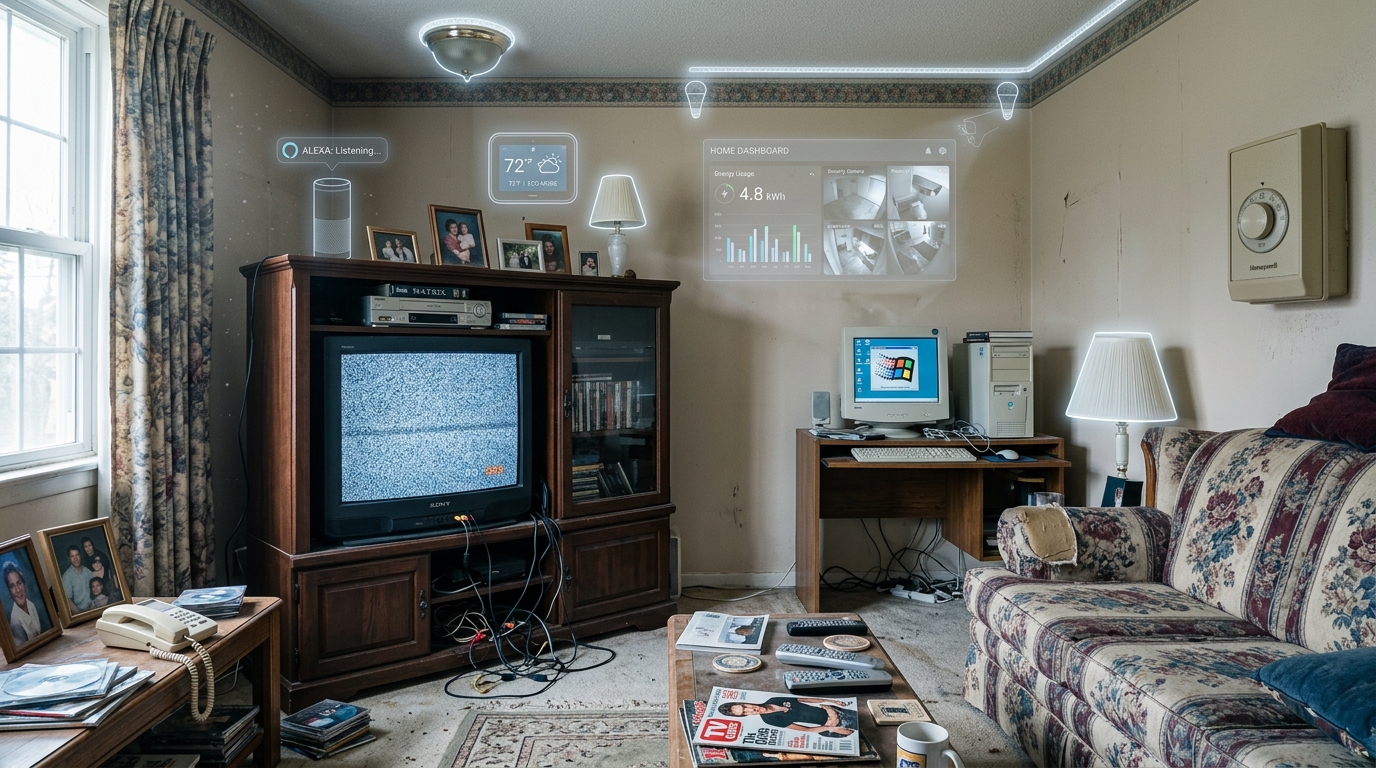
Functional obsolescence is when a home loses value because parts of its design no longer match what buyers expect today. It is not about the house falling apart. It is about the house not keeping up with the times.
Think about it like an old phone. The phone still works. It makes calls. But nobody wants it because newer phones do so much more. A home can be in perfect condition and still be considered functionally obsolete if it has a layout, features, or systems that just do not fit what the market wants right now.
According to the Corporate Finance Institute, functional obsolescence in real estate refers to the diminishing usefulness of an architectural design because changing it to suit current real estate standards has become difficult or very expensive.
Curable vs. Incurable Obsolescence
There are two types you need to know about.
The first is curable obsolescence. This is the kind you can fix. Maybe your kitchen has old cabinets or your bathroom tiles look like something from 1987. You can renovate those things, and the home becomes more competitive again. The cost to fix it is usually less than the value it adds back.
The second is incurable obsolescence. This is harder. It covers things you cannot easily change, like a floor plan that forces you to walk through one bedroom to get to another, or a single-story home surrounded by two-story houses in a neighborhood where buyers expect more square footage. According to The CE Shop, lenders may also be less willing to approve loans for properties showing signs of incurable functional obsolescence.
Why 2026 Is a Turning Point for Older Homes
Buyer Expectations Have Changed Dramatically
Honestly, buyer expectations in 2026 are nothing like they were even five or six years ago. People are not just shopping for a place to sleep. They are shopping for a lifestyle. They want open-concept floor plans, home office space, good natural light, and updated kitchens with islands. They want energy-efficient windows and modern electrical panels that can handle EV chargers.
Older homes built in the 1950s, 1960s, or 1970s were designed for a completely different way of living. Small, separate rooms made sense back then. Today, those rooms are the first thing buyers point to as a problem.
Remote Work Made Space Requirements Permanent
Working from home changed what people need from a house. Before, a small home office or a converted dining room was fine. Now, buyers want a dedicated room with a door. They want it to be quiet and separate from the rest of the house. Older homes almost never have that setup built in. I have seen sellers try to stage a cramped guest room as an office, and buyers see right through it. It just does not work the way modern buyers expect.
The U.S. Bureau of Labor Statistics noted in a published report that remote work has been a documented driver of housing demand shifts, pushing buyers toward homes with more usable interior space.
Common Signs of Functional Obsolescence in Older Homes
Layout and Design Problems
Here are some of the most common issues appraisers flag in older homes:
- Bedrooms accessible only through other bedrooms (railroad-style layouts)
- Only one bathroom in a three or four bedroom home
- Closed-off kitchens with no connection to the living or dining room
- Formal dining rooms that buyers see as wasted space
- Low ceilings that make rooms feel tight and small
- No attached garage or only a one-car garage in areas where two-car garages are standard
- Outdated electrical systems that cannot support modern appliances or EV charging
- No central air conditioning in markets where it is expected
Most buyers today will not overlook these things the way buyers a decade ago might have. They have more options, and they know it.
How Functional Obsolescence Shows Up in Your Appraisal
| Feature | Modern Expectation | Older Home Reality | Impact on Value |
|---|---|---|---|
| Bathrooms | 2+ for a 3-bedroom home | 1 bathroom | Significant reduction |
| Floor Plan | Open concept | Closed, compartmentalized | Moderate to high reduction |
| Kitchen | Updated, connected to living area | Isolated, galley-style | Moderate reduction |
| Electrical | 200-amp panel, smart-ready | 60 to 100-amp fuse box | High reduction |
| Garage | 2-car attached | 1-car or none | Moderate reduction |
| Home Office | Dedicated room | No dedicated space | Growing reduction |
When an appraiser walks through and finds multiple items on this list, the numbers drop fast. And in a market like 2026 where buyers have more negotiating power, those appraisals carry a lot of weight.
What You Can Do If Your Older Home Is Functionally Obsolete
The Fixes That Actually Move the Needle
Not every fix is worth your money. Removing a wall to open up the kitchen to the living room is one of the best things you can do. It changes the feel of the entire house. A good contractor can often do this for between $5,000 and $15,000 depending on whether it is load-bearing, and buyers respond to it right away.
Adding a second bathroom is another strong move if your home only has one. Even a small half bath in a good location helps. It tells buyers the home can function for a real family.
Upgrading the electrical panel to 200 amps is not glamorous, but it is something buyers and inspectors will flag. It also prepares the home for EV chargers, which more buyers are asking about in 2026.
When Selling As-Is Makes More Sense
Sometimes the cost of fixing functional obsolescence is just too high compared to what you get back. If you are looking at $80,000 worth of renovations on a home where comps are topping out at $600,000, the math does not always work.
In those situations, selling as-is to a cash buyer or an investor can actually be the smarter move. You skip the renovation stress, you skip the uncertainty of whether buyers will pay what you need after you renovate, and you close faster. If that sounds like your situation, you can reach out to us directly at Buy Your Properties and we will walk you through your options without any pressure.
You might also want to read about how illegal conversions can hurt your home’s resale value since that is another form of functional issue appraisers watch closely. And if you are thinking about pricing strategy, understanding why a high Zillow estimate does not always mean more money at closing is a good read too.
For homeowners across California, you can also explore our California locations page to see what options are available in your area.
Conclusion
Functional obsolescence is not a new concept, but 2026 is making it more visible than ever. Buyers have higher standards, remote work changed what people need from a home, and older designs are feeling the pressure from all sides. If your home has any of the issues we covered here, you have options. Some are worth fixing. Some are not. The key is knowing which is which before you list, and having a plan either way.
Frequently Asked Questions
Does functional obsolescence mean my older home is worthless?
No, it does not. Functional obsolescence reduces value, but it does not eliminate it. Many buyers are willing to purchase homes with these issues if the price reflects them. Knowing what you are dealing with lets you price and market more strategically.
Can I fix functional obsolescence before selling?
In many cases, yes. Curable obsolescence like outdated kitchens, old electrical panels, or missing bathrooms can be addressed with renovations. The key is making sure the cost of fixing is less than the value it adds back to your sale price.
How does an appraiser measure functional obsolescence?
Appraisers compare your home to similar homes that have sold recently. If your home is missing features that those comparable homes have, they apply a deduction to your value. The bigger the gap between your home and the comps, the larger the adjustment.
Is a one-car garage considered functionally obsolete?
In many markets, yes. In neighborhoods where most homes have two-car garages, having only one can be flagged as a functional deficiency. It depends on your specific market and what buyers in your area expect.
Should I renovate my older home or just sell it as-is?
That depends on the numbers. If the cost of renovation is less than what it adds to your sale price, renovating makes sense. If it costs more than you will get back, selling as-is is often the better choice. A real estate professional or cash buyer can help you weigh both options quickly.