
When I first started talking to homeowners who wanted to sell fast, I noticed the same thing over and over. People would call a cash buyer, get excited about the offer, and then slow the whole process down because they did not have the right paperwork ready. It is not their fault. Nobody tells you ahead of time what you actually need. So let me fix that for you right now, because being prepared makes the whole thing go a lot faster and smoother.
Why Having Documents Ready Matters More Than You Think
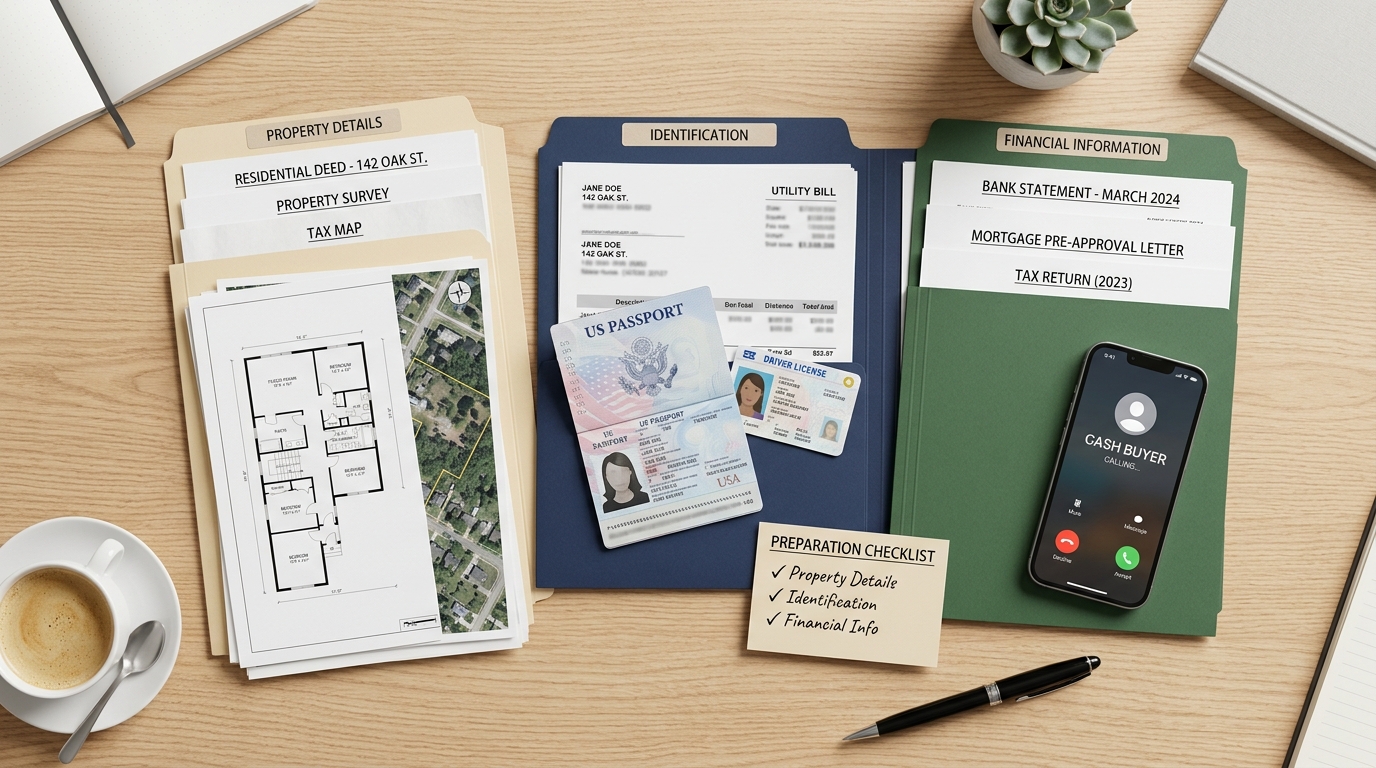
Cash buyers move fast. That is the whole point of working with one. But speed only works if both sides are ready. When a cash buyer makes you an offer and you accept it, the next steps happen quickly. Title work gets started. The closing date gets set. If you cannot produce basic documents when asked, everything slows down and you lose the very advantage that made a cash sale appealing in the first place.
Having your paperwork ready before you even pick up the phone puts you in control. It shows you are serious, and it helps the buyer feel confident that the deal will close without problems. According to the Consumer Financial Protection Bureau, understanding your mortgage statement and keeping accurate records of your loan is one of the most helpful things a homeowner can do, especially when preparing for a sale.
Document 1 Your Mortgage Statement or Payoff Letter
The first thing any cash buyer is going to want to know is how much you still owe on the home. They need this to figure out what the deal structure looks like and to make sure the sale can actually close cleanly.
Your mortgage statement shows your current balance, your monthly payment, and your lender’s contact information. This is the fastest way to get the number. But even better is requesting a payoff letter directly from your lender. A payoff letter shows the exact amount needed to pay off your loan in full, including any interest that will accrue up to a specific date.
You can usually request a payoff letter by calling your lender or logging into your mortgage account online. Most lenders will send it within a few business days. Having this ready before your first call with a cash buyer saves a step and makes you look prepared.
If you want to understand how this fits into the bigger picture of closing costs and timelines, take a look at how traditional escrow and cash escrow timelines actually compare from start to finish.
Document 2 Your Property Deed or Title Information
The second document you should have on hand is proof that you actually own the home and that the title is clean. This sounds obvious, but you would be surprised how many sellers do not know exactly where their deed is or whether there are any liens attached to their property.
Your deed is the legal document that shows you are the rightful owner of the property. A clean title means there are no outstanding debts, liens, or legal claims attached to the home that could block the sale. If there are issues, it is much better to find out before you call a cash buyer than after.
You can get a copy of your deed from your county recorder’s office. In most states, you can also look it up online through your county’s property records system. For information on title and ownership rights, the U.S. Department of Housing and Urban Development has useful guidance on how property ownership and title transfers work.
Document 3 Your Most Recent Property Tax Statement
The third document to have ready is your property tax statement. Cash buyers and title companies will want to know whether your taxes are current and what you owe, because unpaid property taxes can become a lien on your home and complicate the sale.
Your property tax statement shows what you paid, what you owe for the current period, and whether any amounts are past due. If your taxes are paid through an escrow account on your mortgage, your lender handles the payments on your behalf, but you can still get a copy of the statement from your county tax assessor’s office.
Also keep in mind that when you sell your home, there may be tax implications. According to the Internal Revenue Service, homeowners may be able to exclude up to $250,000 of gain from the sale of a primary residence, or $500,000 for married couples filing jointly, if they meet certain ownership and use requirements. It is worth knowing this before you close.
A Quick Checklist Before You Make That Call
Here is a simple summary of what to have ready before you reach out to a cash buyer.
- Mortgage payoff letter or most recent statement. Shows how much you still owe on the property.
- Copy of your property deed. Proves ownership and helps identify any title issues early.
- Current property tax statement. Shows whether taxes are paid up to date and what might be owed at closing.
- Any HOA information if your home is part of a homeowners association. Buyers will want to know about monthly dues and any outstanding fees.
- A list of major repairs or improvements. This is optional, but it helps the buyer understand the condition of the home and can speed up their evaluation.
How Being Prepared Affects the Offer and the Timeline
| Seller Situation | Typical Timeline to Close | Common Delays |
|---|---|---|
| Fully prepared with all documents | 7 to 14 days | Very few |
| Has mortgage info but missing deed or tax records | 14 to 21 days | Title search takes longer |
| Missing most paperwork | 21 to 30 days or more | Multiple requests back and forth |
| Outstanding liens or unpaid taxes | Varies widely | Must resolve issues before closing |
Being fully ready from the start can cut your closing time significantly. And if you are selling because you need to move fast, for example because you are trying to sell your house and rent it back while you find a new one, being prepared with documents from day one is even more critical.
What Happens After You Send Your Documents
Once you share your mortgage payoff, deed, and tax records with a cash buyer, they can usually move very quickly. They will review the numbers, check the title, and in many cases come back to you with a firm offer within 24 to 48 hours. From there, if you accept, closing can happen in as little as a week.
This is very different from a traditional financed sale, where the lender’s process alone can take 30 to 60 days. Having your documents ready is one of the simplest ways to make sure the speed advantage of a cash sale actually works in your favor.
Visit our We Buy Houses page to learn more about how we work with sellers and what the process looks like from your side. And when you are ready to take the next step, contact us here and we can get started right away.
Conclusion
Selling to a cash buyer is one of the fastest ways to move a property, but it works best when you come prepared. Your mortgage payoff or statement, your property deed, and your current tax records are the three things that make the biggest difference. Pull them together before you make that first call, and you will be in a much stronger position to close quickly, cleanly, and on your terms.
Frequently Asked Questions
Do I need a real estate attorney to sell to a cash buyer?
Not always, but it depends on the state you are in. Some states require an attorney at closing. Even if yours does not, having one review the contract is never a bad idea, especially if it is your first time selling to a cash buyer.
What if there is a lien on my property?
You do not necessarily have to fix the lien before you sell. Many cash buyers are experienced at handling properties with liens. The lien is usually paid off at closing from the sale proceeds. Just disclose it upfront and let the buyer know.
How do I get a payoff letter from my lender?
Call your mortgage servicer directly or log into your online account. Ask for a payoff statement with a specific date in mind. Most lenders can send it within a few business days.
What if I cannot find my deed?
You can get a copy from your county recorder’s office or clerk of courts. Many counties now have online property records you can search for free. The title company handling your closing can also help track it down.
Will the cash buyer ask for inspection reports or other documents?
Some will and some will not. Many cash buyers purchase homes as-is without requiring a formal inspection. But if you have any recent inspection reports or permit records for improvements, having them on hand can speed things up and build trust with the buyer.