
How to Sell Your House and Rent It Back While You Find a New Home
Selling your home is stressful enough on its own. But what happens when you close on the sale and still do not have a place to go? This is more common than people realize, and there is a solution a lot of sellers do not know about. You can sell your house, collect your proceeds, and then rent it back from the buyer while you search for your next home.
What a Rent-Back Agreement Actually Is
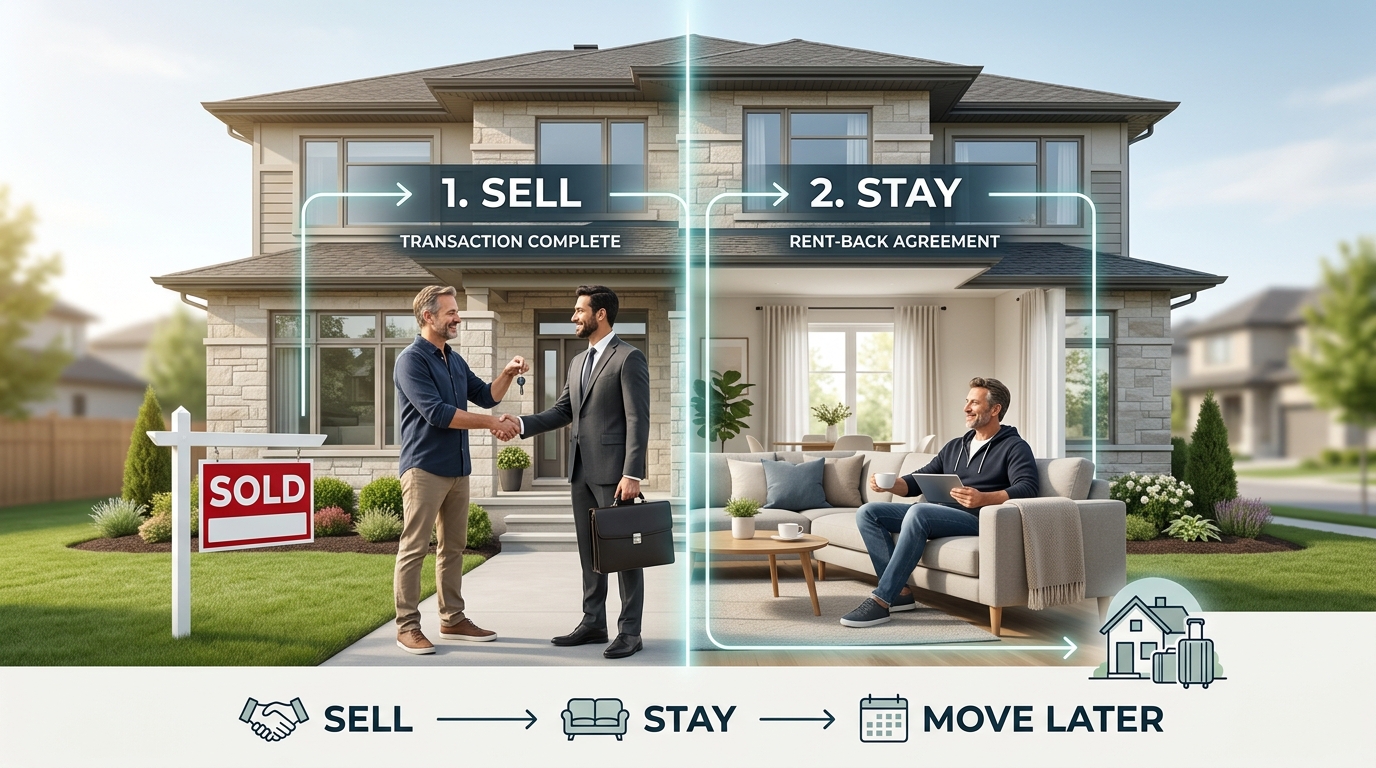
The Basic Setup
A rent-back agreement, sometimes called a sale-leaseback or post-settlement occupancy agreement, is exactly what it sounds like. You sell your home, the buyer becomes the new owner at closing, and then you pay them rent to stay in the house for a set amount of time. Most residential rent-backs last anywhere from a few days to 60 days, though some go longer depending on the situation.
According to Rocket Mortgage, this arrangement is typically included as an addendum to the sales contract or drafted as a short-term lease. Both parties agree to the terms before closing, which makes it a clean, legal, and relatively simple arrangement when done correctly.
Why Sellers Use This Option
There are some very practical reasons why sellers ask for a rent-back. Any of these sound familiar?
- You sold faster than expected and have not found your next home yet
- You are building a new home and construction is running behind schedule
- You have school-age children and want to finish out the school year before moving
- You need time to organize a large move without the pressure of a rushed exit
- You want to use your sale proceeds to fund your next purchase but need a little time for the funds to clear
- You have not yet had the chance to work with an agent to find your replacement home
This situation comes up all the time in real estate. And for buyers who are flexible on their move-in date, agreeing to a rent-back can make their offer more attractive in a competitive market, which means it actually benefits both sides.
How the Terms Are Set Up
What Goes Into a Rent-Back Agreement
A well-written rent-back agreement covers all of the key details so there are no surprises for either party. Here is what is typically included and why each piece matters.
| Agreement Element | Who Typically Handles It | Notes |
|---|---|---|
| Monthly rent payment | Seller (now tenant) pays buyer | Often based on buyer’s daily PITI cost |
| Security deposit | Paid by seller at or before closing | Returned at move-out minus any damages |
| Homeowner’s insurance | Now the buyer’s responsibility | Seller may need renter’s insurance |
| Property maintenance | Spelled out in agreement | Minor repairs often still seller’s burden |
| Utilities | Usually seller continues paying | Confirm this in writing |
| Holdover penalties | Applied if seller does not vacate on time | Protects the buyer from delays |
How Long Can You Stay
Most residential rent-backs are structured for 30 to 60 days. According to guidance from Redfin, buyers who finance a home as their primary residence must typically take possession within 60 calendar days of closing. Going beyond that timeline can cause the buyer’s lender to reclassify the property as an investment property, which creates complications for their mortgage and insurance.
If you need more than 60 days, there are other arrangements to explore, including a longer-term leaseback structure. However, those are more complex, involve different legal considerations, and require additional review by a real estate attorney for both parties.
Pros and Cons for Sellers
What You Gain From a Rent-Back
A rent-back gives you breathing room. Instead of scrambling to find temporary housing, booking hotels, or moving twice, you stay put and search for your next home without the panic. You also have your sale proceeds in hand, which puts you in a much stronger buying position when you find the right home. Cash in the bank means you can move faster and make offers with more confidence.
Honestly, the biggest benefit is just time. Real estate decisions made under pressure are rarely the best ones. A rent-back takes that pressure off so you can move deliberately instead of desperately.
What to Watch Out For
It feels a little strange to pay rent in a home you just owned. And if you are not careful with the agreement terms, the monthly rent can be higher than your old mortgage payment was. That is worth thinking about before you commit.
Also, the FTC issued a consumer warning in October 2024 specifically about company-sponsored sale-leaseback deals that promise to let sellers stay in their home long-term in exchange for handing over the deed. These arrangements carry serious risks, including escalating rent and potential eviction. The FTC’s advice is clear: take your time, read the fine print, and involve a lawyer before signing anything. You can read the full warning at consumer.ftc.gov.
The standard rent-back between you and an individual buyer is much simpler and carries far fewer risks than those company-run programs. But you still want a real estate attorney to review the paperwork before you sign.
How to Negotiate a Rent-Back Successfully
Make It Part of the Offer Process
The best time to bring up a rent-back is when you are reviewing offers on your home. If you know you will need extra time, you can include it as a condition in how you respond to offers. In a buyer’s market, buyers are often willing to accommodate sellers because agreeing to a rent-back helps their offer stand out. In a seller’s market where you have multiple offers, you have even more leverage to negotiate it on your terms.
The key is not to wait until after you accept an offer to bring it up. That can feel like a last-minute ask, and it puts buyers in a difficult position. Raise it early, handle it openly, and get everything in writing before closing.
Work With an Experienced Agent
A real estate agent who has handled rent-backs before knows exactly how to structure the agreement and what to watch out for. They can help you negotiate a fair rent amount, set a realistic timeline, protect your rights as the temporary tenant, and make sure the paperwork covers every detail. Do not try to handle this on your own if you have never done it before.
If you are thinking about your broader transition plan and want to understand how your equity factors into your next purchase, our post on using a reverse mortgage buyout to protect your equity is a helpful read. For understanding what you will walk away with after the sale, our guide on capital gains tax exemptions when selling your home covers the tax side clearly. And if you want to explore what the equity advance process looks like, read our article on getting cash from your equity before your house officially closes.
When you are ready to talk through your situation and find a selling timeline that works for you, contact us here. We work with sellers who need flexibility and we can often structure terms that give you the time you need.
Conclusion
Selling your home before you have a new one lined up does not have to be a logistical nightmare. A rent-back agreement gives you the time and financial stability to find your next home without rushing or settling for the wrong place. When structured properly, it works well for both the seller and the buyer. The key is to plan ahead, bring it up early in the process, get everything in writing, and work with professionals who have done this before.
Frequently Asked Questions
Is a rent-back agreement legal?
Yes. A rent-back agreement is a legally binding contract. It is usually included as an addendum to the sales contract or written as a short-term lease. Both parties should have a real estate attorney review the terms before signing.
How much rent do I pay during a rent-back?
The rent amount is negotiable, but it is often based on the buyer’s daily housing cost, which includes their mortgage principal, interest, property taxes, and insurance. In some cases, it is based on local market rental rates instead.
How long can a rent-back last?
Most residential rent-backs last 30 to 60 days. Going beyond 60 days can affect the buyer’s mortgage terms if the property is reclassified from a primary residence to an investment property.
Does a rent-back affect the sale price?
Not directly. But agreeing to a rent-back can make your home more attractive to buyers who have flexibility on move-in timing. Some buyers see it as a negotiating point or a way to make their offer stand out in a competitive situation.
What happens if I need to stay longer than 60 days?
You would need to negotiate extended terms and potentially restructure the arrangement as a longer-term lease. This changes the legal and financial implications for both parties, so professional legal guidance is important in that case.