
Selling a house in Los Angeles is already a big deal. But selling one with code violations? That can feel like a mountain to climb. If you have unpermitted work, a city citation, or a long list of repairs you just cannot afford, you might be wondering if anyone will even buy your home. The answer is yes. And this guide will show you exactly how.
What Is a Code Violation in Los Angeles?
How the City Defines a Code Violation
A code violation happens when your property does not meet local building codes, safety standards, zoning rules, or health regulations. In Los Angeles, the Los Angeles Department of Building and Safety (LADBS) is the main office that handles these issues for single-family homes.
According to LADBS, violations include things like construction done without permits, buildings used for the wrong purpose, unsafe electrical work, and even overgrown yards or missing pool fences.
The tricky part? Many homeowners don’t even know their home has a violation, until they try to sell it.
Common Types of Code Violations LA Sellers Face
Here are the most common code enforcement issues that LA homeowners deal with:
- Unpermitted room additions or garage conversions
- Unpermitted plumbing, electrical, or HVAC work
- Missing or broken smoke detectors
- Improper bathroom venting
- Missing handrails or unsafe staircases
- Zoning violations (like running a business from home without approval)
- Health and safety hazards, exposed wiring, mold, water damage
- Nuisance violations, trash, debris, or overgrown vegetation
I’ve spoken with homeowners who had no idea their garage conversion from 2005 was never permitted. Years pass, and suddenly they get a notice right when they’re ready to sell. Stressful, but not hopeless.
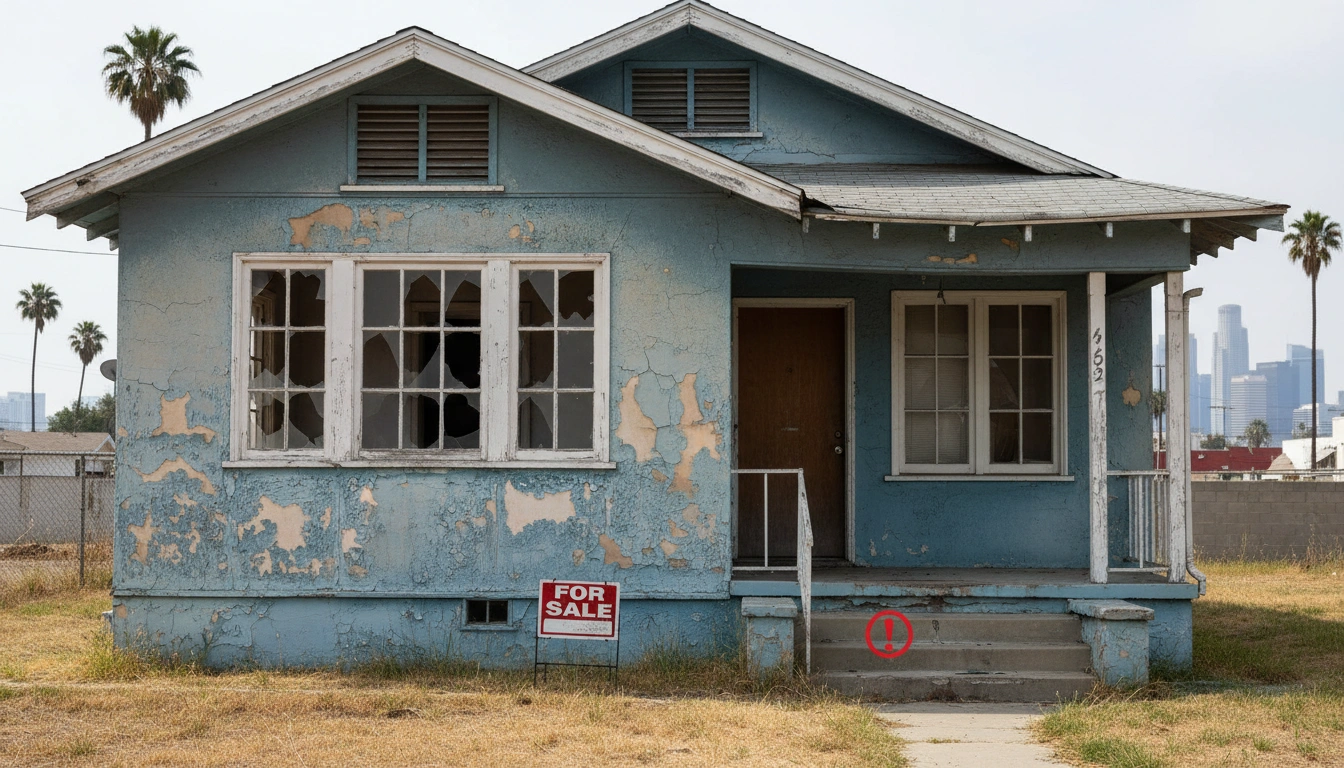
Can You Legally Sell a House With Code Violations in Los Angeles?
The Short Answer: Yes, But You Must Disclose
California law requires sellers to disclose known code violations to buyers. This is done through the Transfer Disclosure Statement (TDS). You cannot hide a violation. If you try, you could face serious legal trouble after the sale, including having to pay back the buyer or face a lawsuit.
But disclosing does not mean you must fix everything. Many buyers, especially cash buyers and real estate investors, are totally fine with purchasing a home as-is, even with open violations. The key is being honest upfront. Buyers can then decide how to move forward.
What Happens If the City Has Already Issued Fines or Liens?
This is where things get more serious. The City of Los Angeles can fine homeowners up to $1,000 per day per violation in some cases. If fines go unpaid, the city may place a lien on your property.
A lien means the city has a legal claim on your home. You usually cannot complete a sale with an active property lien unless it’s paid off, or unless the buyer agrees to handle it as part of the deal.
The good news? Some experienced cash buyers and investors are very comfortable buying homes with liens. They factor it into their offer and take care of it themselves after closing.
Your Selling Options: Fix It First or Sell As-Is?
Option 1: Fix the Violations and List on the MLS
If your violations are minor, like a missing smoke detector, a loose handrail, or a small electrical fix, repairing them can be worth it. Small repairs can cost $500–$2,000 and may help you sell faster and at a higher price on the open market.
For bigger repairs, though, it gets complicated. Fixing unpermitted work means hiring licensed contractors, pulling new permits, and waiting for city inspections. That process can take months and cost tens of thousands of dollars.
My honest take: only fix violations if the repair cost is clearly less than what you’d lose by selling as-is. If you spend $35,000 on repairs and only gain $20,000 more in your sale price, that math doesn’t work.
Option 2: Sell As-Is to a Cash Buyer
This is the most popular path for LA homeowners dealing with serious code enforcement violations. A cash buyer, usually a real estate investor, buys your home in its current condition, violations and all. No repairs. No permits. No waiting.
Most as-is cash sales close in 7 to 21 days. You skip the traditional MLS listing process, avoid agent commissions, and don’t have to deal with the city at all. The investor takes all that on themselves.
Yes, you’ll likely get a bit less than market value. But when you add up the time, stress, and money you’d spend fixing violations, selling as-is often puts more real cash in your pocket at the end.
Sell As-Is vs. Fix First: A Quick Comparison
| Factor | Sell As-Is (Cash Buyer) | Fix First (Traditional Sale) |
| Time to Close | 7–21 days | 3–6 months or more |
| Repair Costs | None | $5,000–$50,000+ |
| Sale Price | Slightly below market | At or near market value |
| Buyer Pool | Cash investors | Traditional buyers |
| Agent Commission | Usually none | 5–6% of the sale price |
| Lien/Fines | Buyer often handles | You must clear first |
| Stress Level | Low | High |
How to Find Out If Your Home Has Code Violations
Check the LADBS Code Enforcement Portal
Before doing anything else, check if your home has any open code enforcement cases. You can search your property online for free using the City of Los Angeles system.
Visit the official LADBS Code Enforcement page to look up open cases or request a property report. It takes just a few minutes. If you received a letter from LADBS, read it carefully; it will tell you exactly what the violation is, who the inspector is, and what you need to do next.
For zoning-related violations, you can also check with the Los Angeles City Planning Department, which oversees land use regulations and zoning enforcement across the city.
Get a Home Inspection Before You List
Even if you haven’t received any notices, it’s smart to hire a licensed home inspector before putting your home on the market. They’ll check for things you might not notice, like roof pitch issues, missing GFCI outlets, or improper bathroom venting.
Knowing what’s wrong ahead of time gives you control. You can decide what to fix, what to disclose, and how to price your home, instead of being blindsided when a buyer’s inspector finds problems during escrow.
This is one of those steps I really wish more sellers did upfront. It saves so much back-and-forth later, and it shows buyers you’re being straight with them.
Will Banks Finance a Home With Code Violations?
Most Traditional Lenders Won’t, Here’s Why
This is a big deal that many sellers don’t think about. According to the U.S. Department of Housing and Urban Development (HUD), FHA loans will not approve financing for homes with health or safety violations. That means if your buyer is using an FHA loan or a VA loan, they may not be able to buy your home, unless the violations are fixed first.
This shrinks your buyer pool fast. Most people buying a home in Los Angeles use a mortgage. If your home can’t be financed, only cash buyers can purchase it.
That’s why, for homes with serious code issues, selling directly to a cash investor is often the fastest and cleanest path forward.
Minor vs. Major Violations: How Lenders See the Difference
Not all violations block financing. Minor things, like a missing smoke detector or a small railing fix, might pass an inspection once corrected quickly. Major things, like unpermitted room additions, faulty electrical panels, or structural damage, are a completely different story.
If a buyer’s lender orders an appraisal and the appraiser flags major code issues, the deal can fall apart fast. That’s why knowing your violations upfront matters so much; you can plan instead of scrambling.
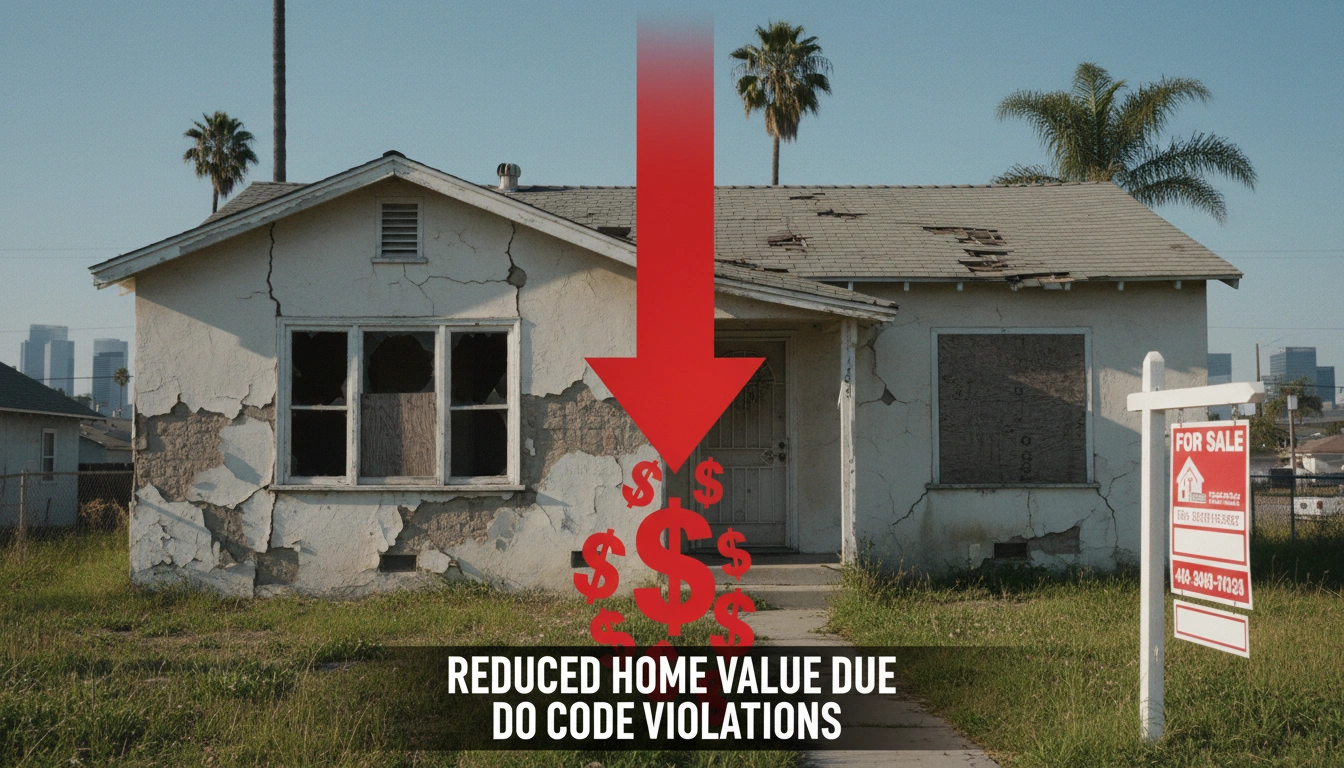
How Much Less Will You Get for a Home With Code Violations?
Expect a Price Discount, But Know What’s Fair
Homes with unresolved violations tend to sell for 10–25% below market value compared to similar homes without violations on the open market. The size of the discount depends on how serious the violations are and how much it would cost to fix them.
For example, if your home is worth $800,000 and has $30,000 in needed repairs, a cash buyer might offer $700,000–$720,000. You lose some money, but you save months of work, thousands in contractor fees, and a lot of stress.
Get more than one offer and compare them. A good investor will clearly explain how they calculated their price.
How to Price Your Home Right When It Has Violations
If you choose to list on the MLS with a real estate agent, be upfront in your pricing. Your agent will pull comparable sales (comps) and adjust the price based on estimated repair costs.
Don’t overprice. A home with violations that sits on the market too long starts to feel like a problem. Price it right from day one, attract the right buyers, and stay open to negotiation.
Some sellers also offer a credit at closing, you knock money off the final sale price to cover repair costs, rather than fixing anything yourself. This works well for minor violations when the buyer really loves the home.
Need to buy or sell a property in Los Angeles? Buy Your Properties helps homeowners and commercial owners explore fast, hassle-free selling options with no pressure.
👉 Contact us today to discuss your situation and see what your property may be worth.
Conclusion
Selling a house in Los Angeles with code violations or needed repairs is not the end of the road; it’s just a different road. You have real choices: fix the violations and sell traditionally, or sell as-is to a cash buyer and close fast without the headache.
The most important things are to know what violations you have, disclose them honestly, and pick the path that makes the most financial sense for your situation. Check the LADBS portal for open cases, get a home inspection, and talk to a few cash buyers before you decide.
You don’t have to fix everything to move forward. You just have to make a smart, informed decision.
Frequently Asked Questions
Q1: Can I sell my house in Los Angeles if it has an open code enforcement case?
Yes, you can. Having an open code enforcement case does not legally stop you from selling your home. However, you must disclose it to the buyer on the Transfer Disclosure Statement (TDS). Many cash buyers and investors specifically look for homes with open cases because they are experienced at resolving them. If there is an active city lien, it will usually need to be paid at or before closing, either by you or negotiated into the deal.
Q2: Do I have to fix code violations before selling my house in California?
No, you do not have to fix them. California law does not require you to repair violations before selling. What it does require is that you honestly disclose all known violations to the buyer. If you choose not to fix them, your buyer pool will mostly be cash buyers and investors, since most mortgage lenders won’t finance homes with major unresolved issues.
Q3: How long does it take to resolve a code violation in Los Angeles?
It depends on the type and severity of the violation. Minor violations, like a missing smoke detector, can be fixed in a day or two. More serious violations, like unpermitted construction or structural issues, can take 3 to 6 months or longer once you factor in hiring licensed contractors, pulling permits, and passing city inspections. That’s why many homeowners choose to sell as-is rather than wait.
Q4: Will a cash buyer really buy my home with violations and city liens?
Yes, many do. Experienced real estate investors and cash buyers in Los Angeles regularly purchase homes with code violations, unpermitted work, and even property liens. They have the resources and know-how to handle these issues after closing. Their offers will reflect the cost of repairs, but you avoid all the stress of dealing with the city yourself.
Q5: What is the Transfer Disclosure Statement (TDS) and why does it matter?
The Transfer Disclosure Statement (TDS) is a legal document required in California for almost all home sales. As the seller, you must fill it out and give it to the buyer. It asks about known defects, code violations, unpermitted additions, liens, and other issues with the property. Being honest on the TDS protects you legally. If you hide known violations and the buyer finds out later, you could be held responsible for their financial losses.