
Picture this. It is a Sunday afternoon. There are 20 strangers walking through your bedroom, opening your closets, and peering into your medicine cabinet. Your agent is downstairs trying to answer questions while someone you have never met photographs your kitchen. This is the open house. And for a lot of homeowners in Los Angeles, it is one of the most uncomfortable parts of the entire selling process.
What an Open House Actually Asks You to Give Up
When you agree to an open house, you are agreeing to let the public walk through your home with very little supervision. It sounds simple on paper. In practice, it means packing up your pets, clearing out your personal belongings, hiding your prescriptions, locking away your valuables, and leaving your own home for hours while strangers roam through it freely.
And here is the part that really stings. According to HomeLight, only about 4% of buyers find the home they purchase through an open house sign. That means there is a 96% chance all that disruption to your life does not even lead to a sale. The people walking through are often neighbors who are just curious, agents scouting for clients, or people with no intention of making an offer.
For sellers who value their privacy, this trade-off is not worth it. And more people are realizing that a cash sale gives them a completely different experience from start to finish.
The Real Security Risks Most Sellers Do Not Think About
I want to talk about something most agents gloss over when they are pitching you on the idea of an open house. The security risks are real and they deserve more than a footnote.
Strangers can and do take things during open houses. Prescription medications from medicine cabinets are a common target. Small jewelry, cash, and collectibles left out in the open disappear more often than sellers expect. According to HomeLight’s privacy guide for home sellers, top real estate agents consistently warn clients to remove medications, hide mail and anything with their address on it, secure keys and remotes, and lock away anything that could give someone access to the property later.
Beyond theft, there is another risk people rarely discuss. Some attendees at open houses are not buyers at all. They are checking out the layout, the security setup, and the access points. A for-sale sign combined with an open house essentially advertises that the home will be unattended and accessible on a set date and time. For homeowners with valuable collections, medical equipment, or simply a deep attachment to their space, this is not a comfortable situation.
Who Feels This Most: Sellers With Real Privacy Concerns
Not every seller has the same level of concern. But certain situations make the open house format especially problematic. Here are the types of sellers who most often tell us they want nothing to do with it.
- Seniors or people with medical conditions who have equipment, medications, or mobility aids at home that they do not want exposed to strangers
- Families with young children who cannot easily pack up and vacate every weekend for weeks on end
- Homeowners dealing with a divorce or probate situation who need discretion and do not want the details of their life on display
- People who work from home and have equipment, client files, or sensitive documents they cannot easily remove
- Homeowners in high-profile neighborhoods or professions who want the sale handled quietly without public attention
- Anyone who has already experienced the discomfort of strangers touching their belongings or photographing the inside of their home
For all of these people, the open house format is not just uncomfortable. It is genuinely disruptive and sometimes risky. A cash buyer removes the entire problem.
How a Cash Sale Keeps Your Privacy Intact
Here is what a cash sale looks like from a privacy standpoint. One person, or a small team, visits the home for a single walkthrough. It is scheduled at a time that works for you. They assess the property, ask whatever questions they have, and make an offer. The whole process is handled discreetly between two parties.
There are no signs in the yard announcing to the neighborhood that your home is for sale. There are no photos of the inside of your house posted publicly online for anyone to browse. There are no open house listings on Zillow or Redfin inviting the public to come through. The entire transaction stays between you and the buyer until closing.
For sellers going through a sensitive situation like a financial hardship, an illness, or a divorce, this level of discretion matters enormously. You do not owe the public an explanation for why you are selling. A cash sale lets you keep it that way. If you are navigating a difficult personal or financial situation while selling, our post on selling your home during financial hardship in Los Angeles walks through what your options look like.
Comparing the Open House Experience to a Cash Sale
Here is an honest side-by-side look at what the two paths actually involve from a privacy and comfort standpoint.
| Experience Factor | Traditional Open House Listing | Cash Sale |
|---|---|---|
| Number of strangers in your home | Dozens over multiple weeks | One walkthrough with the buyer |
| Your personal items visible to public | Yes, throughout the process | No, private showing only |
| Photos of your home posted online | Yes, publicly on all listing sites | No public listing required |
| Neighbors and public know you are selling | Yes, from yard sign and MLS | No, handled privately |
| Disruption to daily routine | High, multiple open houses and showings | Minimal, one scheduled visit |
| Time your home is exposed to strangers | Weeks to months | One or two appointments |
| Risk of theft or security concerns | Real risk across many visitors | Minimal, one vetted party |
What Open Houses Actually Accomplish
To be fair, open houses do serve a purpose in the right situation. If your home is move-in ready, well-staged, and in a high-demand neighborhood, they can create a buzz and a sense of competition that drives multiple offers. There is real value in that when conditions are right.
But here is something worth knowing. Real estate agents also benefit personally from hosting open houses because they use them to meet new buyer clients. The open house is often as much a lead generation tool for the agent as it is a marketing tool for your home. That is not a criticism. It is just something to be aware of when your agent enthusiastically recommends one.
If your home is a fixer-upper, tenant-occupied, full of personal belongings you cannot easily move, or simply in a situation where you need discretion, an open house works against you rather than for you.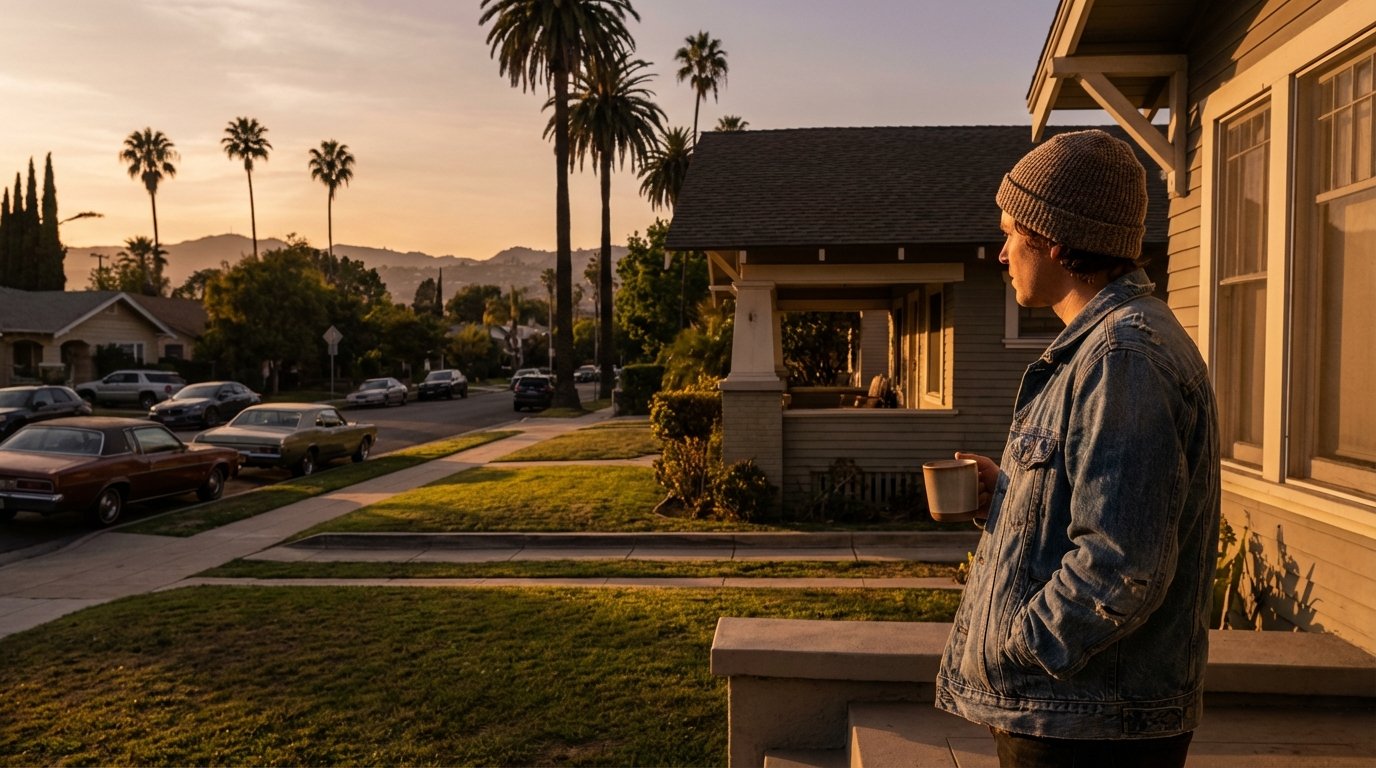
The Emotional Side of Selling That Nobody Talks About
Selling a home is already an emotional experience. You have lived your life in this space. You have memories tied to every room. Watching strangers walk through it, make comments about it, and sometimes dismiss it within 30 seconds is harder than most people expect before they go through it.
One seller I spoke with told me that after her second open house she came home to find a group of people had gone through a box of old family photos she had stored in the closet. Nothing was taken. But the feeling that strangers had gone through something so personal stayed with her for weeks. She wished she had explored other options first.
That experience is more common than people admit. And it is one of the clearest reasons why sellers who prioritize their peace of mind consistently choose a cash sale over the traditional open house route.
Privacy Concerns Are Even Higher for Certain Los Angeles Homes
In Los Angeles specifically, there are situations where an open house creates problems that go beyond general discomfort. Homes in probate, for example, often have the belongings of a deceased family member still inside. Putting that home on public display through an open house can feel deeply wrong to the family involved. Our post on selling a house through probate in LA County covers how a cash sale simplifies this specific process.
Luxury homes and high-value properties also carry extra risk during open houses. When you are inviting the public into a home with art, jewelry, high-end appliances, or collections, the stakes are higher. Appointment-only showings or a direct cash buyer are far safer paths in these cases.
What to Do if You Want to Sell Without the Open House Circus
If the open house process does not sound like something you want to put yourself through, you have real options. The first is to specifically request that your agent market the home only through private showings with pre-qualified buyers. This limits traffic significantly and keeps your home from being a public event.
The second, and often cleaner, option is to get a cash offer. One conversation, one visit, one offer. If the numbers work for your situation, you can close in days without ever hanging a sign in the yard. No photos posted online. No neighbors watching who comes and goes. No strangers in your space.
If you are a homeowner in West Hollywood or a nearby area and want to understand what selling without the noise looks like, our post on selling your West Hollywood home for cash gives a clearer picture of how the process works.
And if you are ready to talk through your situation with no pressure and no open house required, reach out through our contact us page and we will give you a straightforward picture of what your options are.
Conclusion
The open house works for some sellers in some situations. But for privacy-seekers, it is one of the most uncomfortable and least necessary parts of selling a home. If the idea of strangers walking through your personal space for weeks on end does not sit right with you, that instinct is worth listening to. A cash sale gives you control, discretion, and a process that respects your home for what it is: yours.
Frequently Asked Questions
Do I have to do an open house to sell my home in Los Angeles?
No. An open house is optional. You can sell through private showings only, or skip the traditional listing process entirely and work directly with a cash buyer. Many homes in Los Angeles sell without a single open house. If privacy matters to you, there is no reason to agree to one just because your agent suggests it.
How many homes actually sell because of an open house?
Very few. According to HomeLight, only about 4% of buyers find the home they eventually purchase through an open house sign. The vast majority of sales happen through online listings, agent networks, and private showings. Open houses mostly serve as lead generation tools for agents rather than direct sales tools for sellers.
What are the real security risks of hosting an open house?
The main risks include theft of small valuables like jewelry, cash, and prescription medications, unauthorized photography of your home and its contents, people assessing the property for a future break-in, and damage from high foot traffic. These risks are not guaranteed but they are real and worth taking seriously, especially for sellers with valuable items or personal collections at home.
Can a cash buyer see my home without an open house or public listing?
Yes. A cash sale involves a single private visit to the property, scheduled at your convenience. There is no public listing, no sign in the yard, and no online photos posted for strangers to browse. The entire process happens between you and the buyer with no public exposure at all.
Is a cash sale private even after the closing?
Property sale records in California are public once a deed is recorded, so the final transfer will eventually appear in public records. However, throughout the entire process leading up to closing, a cash sale is completely private. There is no public listing, no open house, and no public marketing of any kind. The transaction is between you and your buyer until the deed is filed.