
How to Sell Your House Fast for Cash in Long Beach, CA

If you need to sell your house fast in Long Beach, CA, you are in a city where the real estate market moves quickly but the traditional selling process still takes months. According to the California Association of Realtors, the average time a home spends on the market in Southern California can range from 30 to over 90 days depending on conditions, and that does not include the time spent preparing, staging, and negotiating. Cash home buyers in Long Beach can close in as little as 7 to 14 days with no repairs, no agent commissions, and no financing delays. Whether you are facing foreclosure, a difficult tenant situation, a job relocation, or simply want a clean and fast exit, this guide covers everything you need to know about selling your Long Beach home for cash.
How to Offload a Problematic Portfolio of Single-Family Rentals
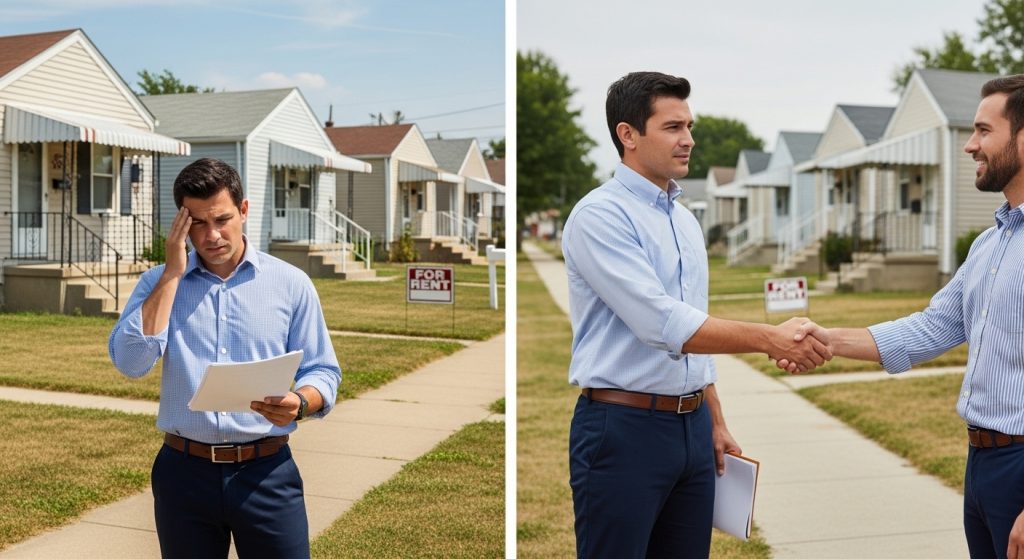
Owning a portfolio of single-family rentals can turn from a smart investment into a constant source of stress faster than most landlords expect. Late-paying tenants, deferred maintenance, negative cash flow, and properties spread across multiple markets all add up to a situation that drains more than it produces. Selling problematic rentals one at a time through traditional agents can take two to three years and cost significant holding fees along the way. According to IRS Publication 527, rental property ownership involves ongoing tax obligations that do not get easier when a portfolio is already hard to manage operationally. Portfolio sales to cash buyers typically close in 30 to 45 days, cover all properties in a single transaction, and require no repairs or tenant removal before closing. This guide covers the most effective strategies for offloading a difficult single-family rental portfolio fast, what buyers look for, and how to protect your financial outcome.
The Tax Implications of Selling an Investment Property for Cash
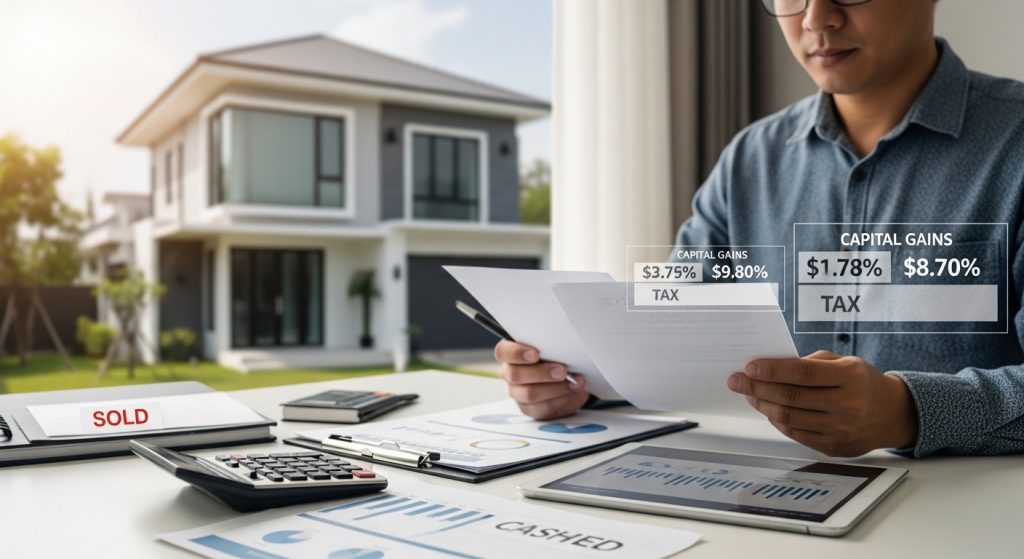
Selling an investment property for cash is a major financial event, and the taxes that come with it surprise a lot of sellers who thought they had everything figured out. When you sell, you typically owe capital gains tax on the profit from the sale and depreciation recapture tax on the deductions you claimed over the years. According to the IRS, long-term capital gains on investment properties are taxed at 0, 15, or 20 percent depending on income, while depreciation recapture is taxed at up to 25 percent. For a property held 10 years with $7,000 per year in depreciation, the recapture tax alone can reach $17,500 before capital gains are even calculated. A 1031 exchange can defer both taxes if you reinvest proceeds within the required timeframe of 45 days to identify and 180 days to close. This guide covers every major tax consideration for investment property sellers and what you can do to legally reduce your bill before you close.
Selling a Duplex When Only One Unit is Rented
Selling a duplex when only one unit is rented puts you in a unique position that not every real estate agent knows how to handle well. The occupied unit brings an existing tenant with legal protections you must honor. The vacant unit represents potential income that attracts investor and owner-occupant buyers alike. According to HUD, tenants in a property being sold have specific protections that must be respected throughout the sale process. Cash buyers who specialize in investment properties are often the best fit for this situation because they understand existing leases, do not require repairs or showings in the traditional sense, and can close in as little as 7 to 21 days. This guide walks you through your selling options, what different buyer types are looking for, how to handle the occupied unit fairly, and the fastest way to get the deal done without unnecessary drama.
How to Transition from Active Landlord to Passive Real Estate Investor

Being an active landlord is rewarding at first, but the calls, repairs, tenant issues, and constant management eventually wear most people down. The question is not whether you can keep doing it. It is whether you want to. Transitioning from active landlord to passive real estate investor is one of the most practical moves you can make when property management stops feeling like freedom and starts feeling like a second job. According to IRS passive activity rules, investors who do not materially participate in managing their properties are classified differently for tax purposes, which opens up a different set of deductions and strategies. Passive investment options include REITs, real estate syndications, and professionally managed properties. A 1031 exchange can help you move from active rentals to passive investments while deferring capital gains taxes. This guide walks you through what passive investing actually looks like, how to plan the transition, and what to get right before you make the move.
Selling a Property When You’re Tired of Being a Long-Distance Landlord
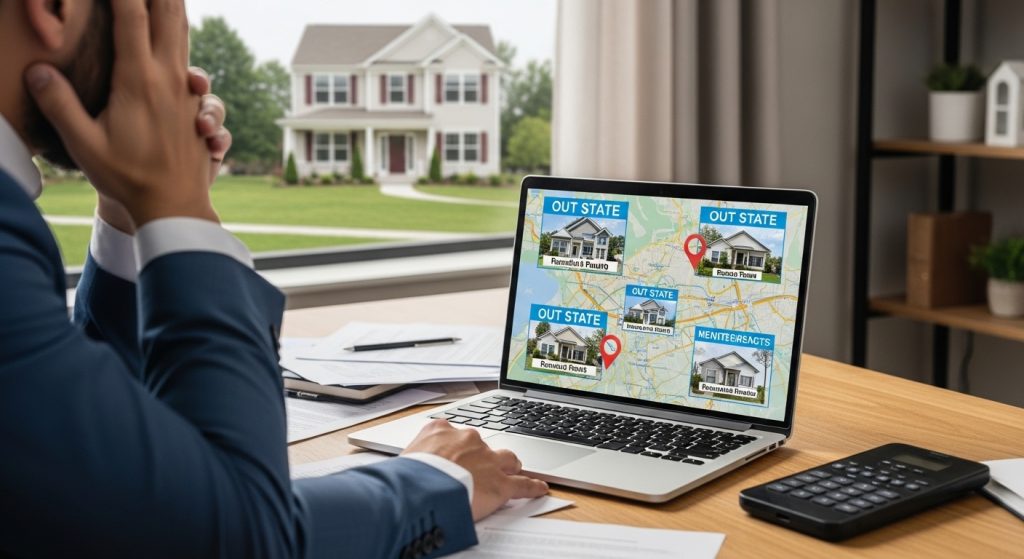
Being a long-distance landlord sounds manageable until it is not. Late-night maintenance calls, tenants who stop paying, property managers who do not keep you informed, and repair costs you cannot easily verify all add up over time. According to the U.S. Census Bureau, rental property ownership is one of the most common forms of wealth-building in America, but it only works when the property is actually producing returns. When the stress of managing a property from far away outweighs the financial reward, selling becomes the smart move. Selling from a distance comes with its own set of challenges, including coordinating with tenants, handling disclosures, and closing without being present. Cash buyers who specialize in out-of-state transactions can close in as little as 7 to 21 days without requiring repairs, travel, or showings. This guide walks you through what to do when you are ready to stop being a long-distance landlord and sell your property without the usual chaos.
How to Liquidate Out-of-State Rental Properties Effectively

Out-of-state rental properties can look like smart investments on paper, but the reality of managing them from hundreds of miles away is a completely different story. Property management fees, unresponsive tenants, deferred maintenance, and changing local markets all add pressure over time. When the burden outweighs the benefit, most landlords want out fast. Selling an out-of-state rental comes with its own set of challenges, including tax implications in multiple states, dealing with tenants remotely, and finding a buyer without the ability to manage showings from a distance. According to the IRS, rental property sales trigger capital gains calculations affected by depreciation recapture and other factors specific to investment properties. Cash buyers who specialize in out-of-state acquisitions can close in as little as 7 to 21 days without requiring the seller to travel or make repairs. This guide covers the most effective strategies for liquidating out-of-state rental properties quickly and cleanly.
How to Sell a House That Failed a Traditional Home Inspection
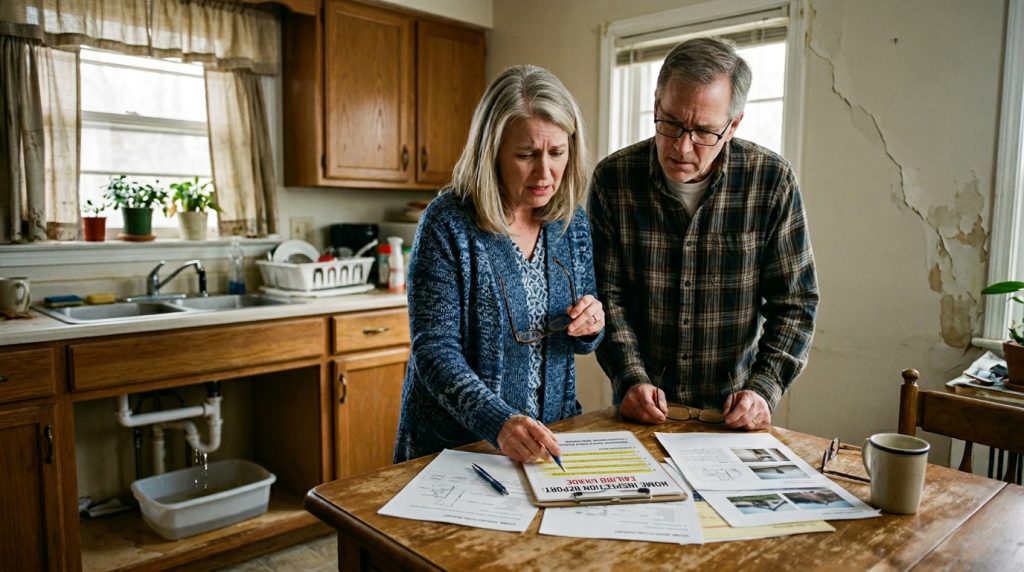
A home inspection that comes back with serious issues can feel like the end of the road for a sale. But it does not have to be. According to the National Association of Realtors, a significant percentage of real estate deals fall apart or require renegotiation after the inspection report is delivered. Sellers have multiple paths forward when a home fails inspection, from making repairs and relisting to offering a price reduction or selling as-is to a cash buyer. For homeowners who cannot afford the time or cost of repairs, a cash sale is often the fastest and most practical solution, closing in as little as 7 to 14 days without any fixes required.
Selling a House When the Tenants Refuse to Leave
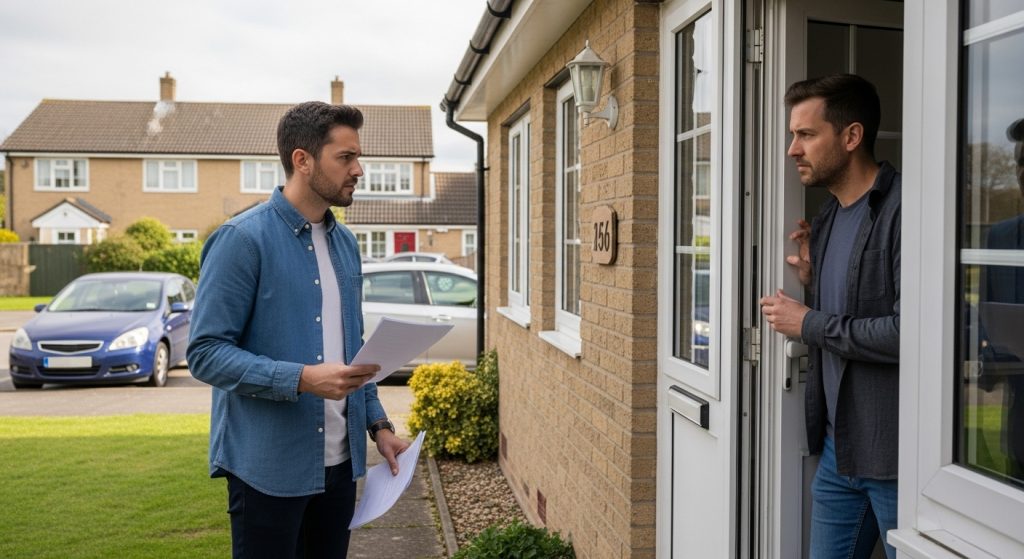
Selling a house when the tenants refuse to leave is more common than most people think. Whether you have a holdover tenant whose lease has expired or a renter who is simply refusing to cooperate, you do not have to wait years for the courts to solve your problem. Formal eviction can take two to six months and cost anywhere from $3,000 to $10,000 in legal fees depending on the state. Cash for keys, a quicker alternative, can get a tenant out in as little as two to four weeks at a fraction of that cost. And if you do not want to deal with the tenant situation at all, selling to a cash buyer is often the fastest and simplest path. Cash buyers regularly purchase tenant-occupied properties and can close in as little as one to three weeks. This guide walks you through your real options, your legal rights, and the most practical steps to take when you are stuck with a tenant who will not leave.
Can I Sell My House for Cash If I Have a Reverse Mortgage?

Yes, you can sell a home that has a reverse mortgage on it, but the process works differently than a standard mortgage payoff. A reverse mortgage must be paid off in full at closing, just like a traditional mortgage. According to the U.S. Department of Housing and Urban Development, the most common type is the Home Equity Conversion Mortgage, insured by the FHA. The loan balance, which includes the original amount borrowed plus accrued interest and fees, must be settled before or at closing from the proceeds of the sale. A cash sale is often the most practical path for homeowners in this situation because it closes faster and avoids financing complications that can slow the process down.