
Selling a duplex when only one of the two units is rented puts you in an interesting spot. You are not quite selling an empty property, and you are not selling a fully occupied one either. This in-between situation confuses a lot of sellers, but it actually gives you more options than you might think.
Understanding Your Duplex’s Current Situation
Before you do anything else, get clear on what you are actually selling. A partially rented duplex has two distinct stories happening at the same time. One unit is generating rental income. The other is not. How you present this to buyers, and which buyers you target, depends on understanding both sides of that picture clearly.
What Having One Vacant Unit Means for the Sale
The vacant unit is actually an asset when it comes to selling, depending on who is buying. An investor sees potential rental income from the empty side. An owner-occupant sees the chance to live in one unit while renting out the other. Both of these buyer types exist in every market, and your job is to know which one gives you the best deal.
The rented unit, on the other hand, brings its own considerations. The existing tenant has rights under your state’s landlord-tenant laws. You cannot just ask them to leave because you want to sell. According to the U.S. Department of Housing and Urban Development (HUD), tenants in a property that is being sold have specific legal protections that must be honored throughout the entire sale process.
Who Actually Buys a Duplex With One Empty Unit
There are three main buyer types for a duplex in your situation. Traditional buyers who want to live in one unit and rent the other, investor buyers who want to rent both units for income, and cash buyers who purchase the property as-is without requiring repairs or the tenant to leave first.
Each type has different expectations and timelines. Traditional buyers usually need financing and can take 60 days or more to close. Cash buyers move much faster, often in one to three weeks, and they handle the tenant situation themselves after closing. For a seller who wants to move quickly, that difference matters a lot.
How the Occupied Unit Affects the Sale Process
The tenant living in your occupied unit does not have to cooperate with your sale, but they do need to be treated fairly according to the lease terms. This affects everything from how showings are scheduled to what a buyer can do with the property immediately after closing.
Your Obligations to the Existing Tenant
Your lease is a legally binding agreement. Even if you sell the property, the new owner inherits that lease. If the tenant is on a month-to-month agreement, the new owner can give proper notice, usually 30 to 60 days depending on the state, to end the tenancy. If the tenant has a fixed-term lease, the new owner must honor it until it expires.
According to USA.gov, landlords who sell a rental property must notify tenants in advance and cannot simply terminate a lease because the property has been sold. Being upfront with your tenant and following proper notice procedures protects you from legal problems down the road.
Showing a Duplex With a Live-In Tenant
In most states, you are required to give tenants advance written notice before entering the unit for showings, typically 24 to 48 hours. Some tenants are cooperative. Others are not thrilled about strangers walking through their home. This can slow down the traditional sale process significantly.
This is one of the main reasons sellers in your situation often prefer selling to a cash buyer. Cash buyers typically do not require interior showings in the same way traditional buyers do. They assess the property based on what they can observe and the information you provide, which removes the tenant coordination headache entirely.
Pricing a Duplex When One Unit Is Rented
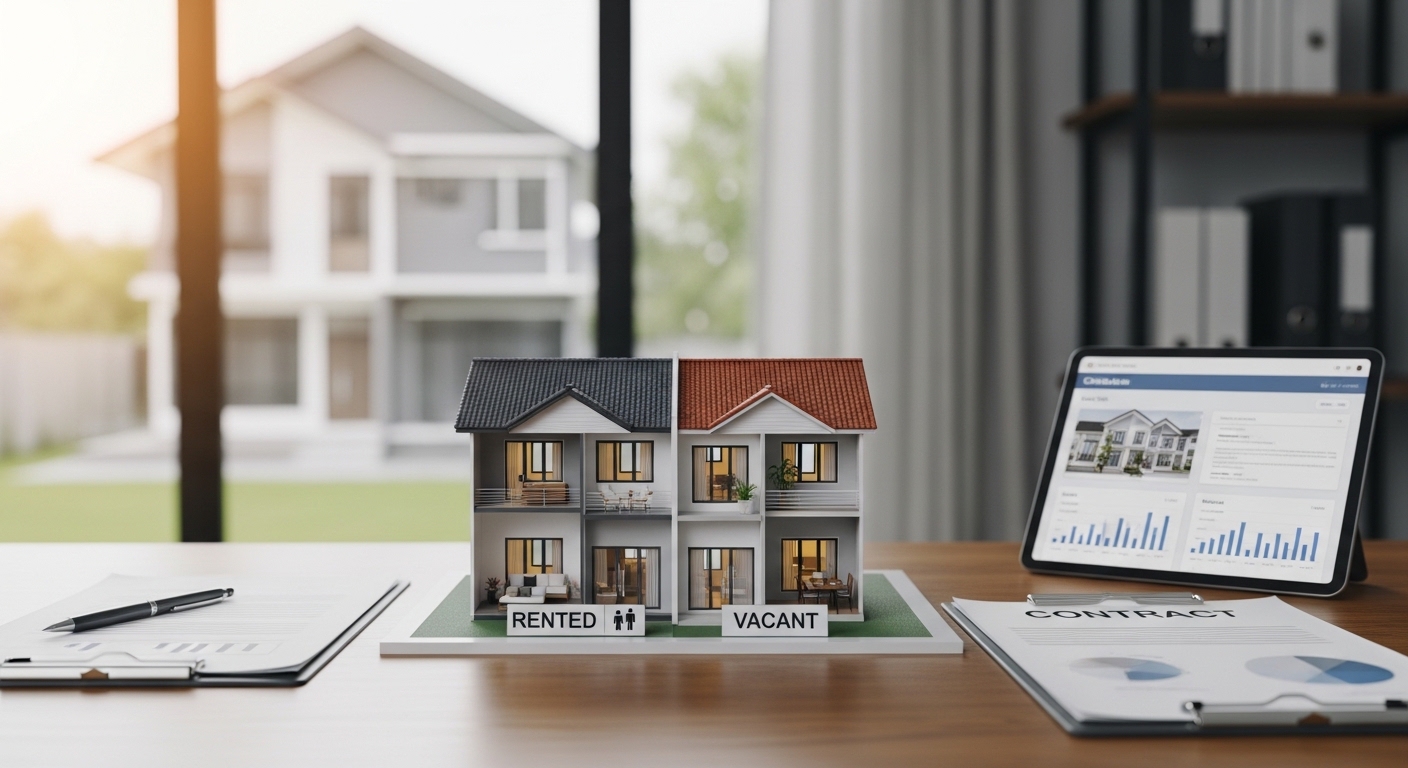
Pricing a partially occupied duplex requires looking at the numbers from an investor’s perspective, not just comparing it to nearby single-family homes. The income from the occupied unit matters. The potential income from the vacant unit matters. And the condition of both units plays a big role in what a buyer is willing to pay.
How Cash Buyers Value Partially Occupied Properties
Cash buyers who specialize in investment properties look at what is called the gross rent multiplier and the cap rate when evaluating a duplex. They factor in the current rent from the occupied unit, estimate the market rent for the vacant one, and account for the condition of both sides in their offer.
Here is a simple breakdown of how different buyer types typically view your duplex:
| Buyer Type | What They Focus On | Typical Timeline | Tenant Must Leave First |
|---|---|---|---|
| Owner-Occupant | Living situation and neighborhood | 60 to 90 days | Depends on which unit |
| Traditional Investor | Rental income and cap rate | 45 to 90 days | Usually no |
| Cash Buyer | As-is value and quick close | 7 to 21 days | No |
What the IRS Says About Selling Mixed-Use Properties
When you sell a duplex where one unit is rented and the other is vacant, the tax treatment can be mixed. The portion used as rental property may be subject to depreciation recapture and capital gains tax. The vacant unit, if it was ever used as a primary or secondary residence, may qualify for different treatment depending on your situation.
According to the Internal Revenue Service (IRS), rental income, deductions, and depreciation must all be properly tracked and reported when you sell a property that has been used for rental purposes. Speaking with a tax professional before you sell is always a smart move.
The Fastest Way to Sell Your Duplex As-Is
If you want to sell quickly and without the headaches that come with managing showings, negotiating repairs, and dealing with a tenant who may not be cooperative, selling to a cash buyer is your best option. And for a duplex with one active lease, it is often the most practical choice too.
Why Cash Buyers Are Ideal for Duplex Sellers
Cash buyers who specialize in investment properties understand duplexes. They know how to work around existing tenants, they do not require you to fix anything before closing, and they can move fast. You do not have to coordinate showings with your tenant or worry about a traditional buyer’s financing falling through at the last minute.
If you want to see how this kind of sale works for multi-unit properties, our guide on selling a small apartment building fast to cash investors goes into helpful detail about the process. And if your tenant situation is complicated, our post on selling a house when tenants refuse to leave covers your options if the occupant is being difficult.
When you work with a cash home buyer, the process is straightforward. You share details about the property, they make an offer, and you close on a timeline that works for you. No showings. No repairs. No financing drama on your end.
Steps to Sell Your Duplex Fast
Here is the practical process for getting your duplex sold quickly even with an active tenant in one unit:
- Gather both lease agreements or confirm the tenant is on a month-to-month basis
- Pull together your current rent roll, any maintenance records, and recent utility bills
- Contact a cash buyer who handles investment and multi-unit properties in your area
- Share the property details and let them do a quick walkthrough of the vacant unit
- Review the offer and ask questions about how they plan to handle the existing tenant after closing
- Close on a date that works for your schedule without disrupting the tenant’s active lease
Conclusion
Selling a duplex when only one unit is rented is not as complicated as it might feel right now. You have real options, and the right buyer, specifically one who understands investment properties, makes the whole process much simpler. The tenant in the occupied unit is not a roadblock. It is just part of the picture that the right buyer already knows how to handle.
If you are ready to sell and want to know what your duplex might be worth in its current state, reach out to our team. We work with duplex sellers regularly and can give you a real, honest answer fast. Contact us today and let us help you close this chapter quickly and without the stress.
Frequently Asked Questions
Can I sell a duplex if one unit still has a tenant?
Yes. You can sell a duplex with a tenant in place. The new owner simply inherits the existing lease. Cash buyers and investor buyers are completely comfortable with this arrangement. Traditional buyers who want to live in the property may prefer it empty, but that is not your only option and should not hold you back from selling.
Do I have to tell my tenant I am selling the duplex?
Requirements vary by state, but most landlords are expected to give tenants proper notice before showings and must honor the existing lease throughout the sale. The tenant does not have the right to stop the sale, but they do have the right to proper notice and respect for their current lease terms.
Does having one empty unit hurt the sale price?
Not necessarily. To an investor, the vacant unit represents potential rental income. To an owner-occupant buyer, it is the unit they can move right into. The empty unit is actually a selling point for many buyer types. The key is marketing the property to the right audience for your specific situation.
How long does it take to sell a duplex to a cash buyer?
Most cash buyer transactions close within 7 to 21 days from the time you accept an offer. This is much faster than a traditional sale, which typically takes 60 to 90 days or longer. For sellers who want to move quickly and avoid a long drawn-out process, cash buyers are by far the fastest option.
Will I owe taxes when I sell my duplex?
Most likely yes. If the duplex was used as a rental, you may owe capital gains tax on the profit from the sale and depreciation recapture tax on the depreciation you claimed over the years. The exact amount depends on how long you owned it, your cost basis, and your total taxable income for the year. A tax professional can help you plan for this before you sell.