
How to Sell an Older LA Home That Needs a Full Rewiring (Knob and Tube)
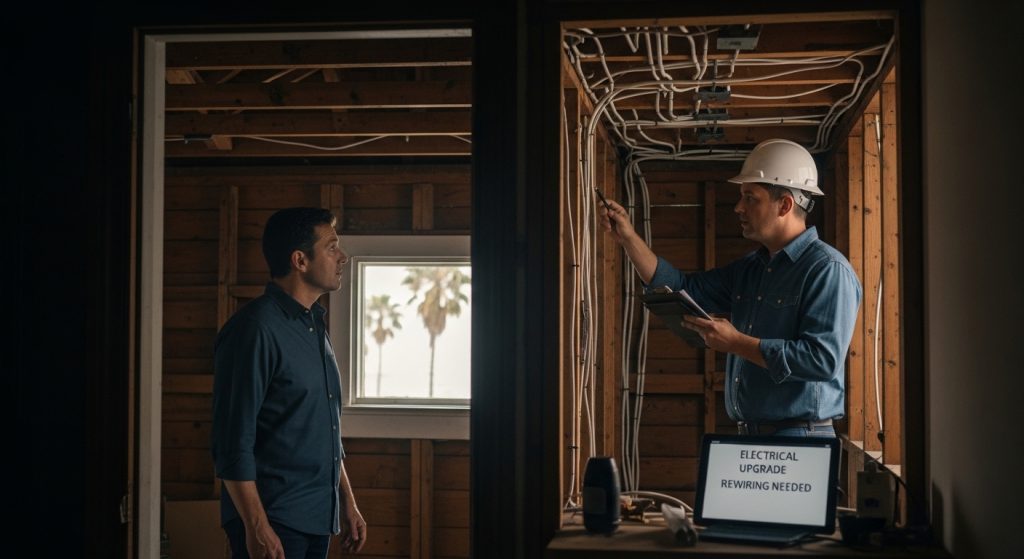
Selling an older LA home with knob and tube wiring creates real challenges with buyers and lenders that most sellers are not fully prepared for. Knob and tube wiring, used in homes built from roughly the 1880s through the 1940s, lacks a ground wire and is associated with elevated electrical fire risk. The National Fire Protection Association reports that electrical fires account for roughly 46,700 home fires annually in the U.S., with older ungrounded systems as a contributing factor. Many California insurance companies refuse coverage or require full replacement before issuing a policy, which effectively blocks most mortgage financing. A full rewiring in Los Angeles costs $8,000 to $45,000 or more depending on home size and complexity. California law requires disclosure of the wiring type on the Transfer Disclosure Statement. Cash buyers are typically the most practical solution, able to close in 7 to 21 days without lender or insurance conditions.
Selling a House with Foundation Settlement Issues in Southern California
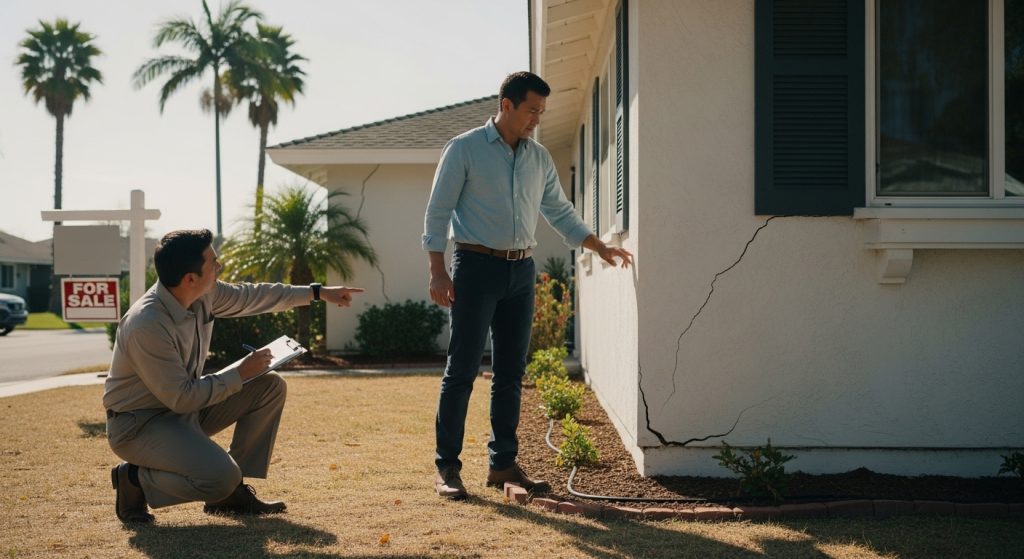
Selling a Southern California home with foundation settlement issues is challenging but absolutely possible. Foundation settlement is driven by expansive clay soils, seismic activity, and hillside grading conditions that are unique to the SoCal region. The U.S. Geological Survey has documented significant soil liquefaction and seismic risks throughout the LA Basin that contribute to foundation movement. Repair costs range from $2,000 to $5,000 for minor crack repairs up to $75,000 to $150,000 or more for full foundation replacement. California law requires sellers to disclose all known foundation issues on the Transfer Disclosure Statement. Most mortgage lenders will not fund on homes with unresolved active settlement, limiting your buyer pool to cash buyers unless repairs are completed. Selling as-is to a cash buyer who can close in 7 to 21 days is often the most practical exit strategy for severe foundation problems.
How to Sell a Property with Extensive Vandalism Damage in LA
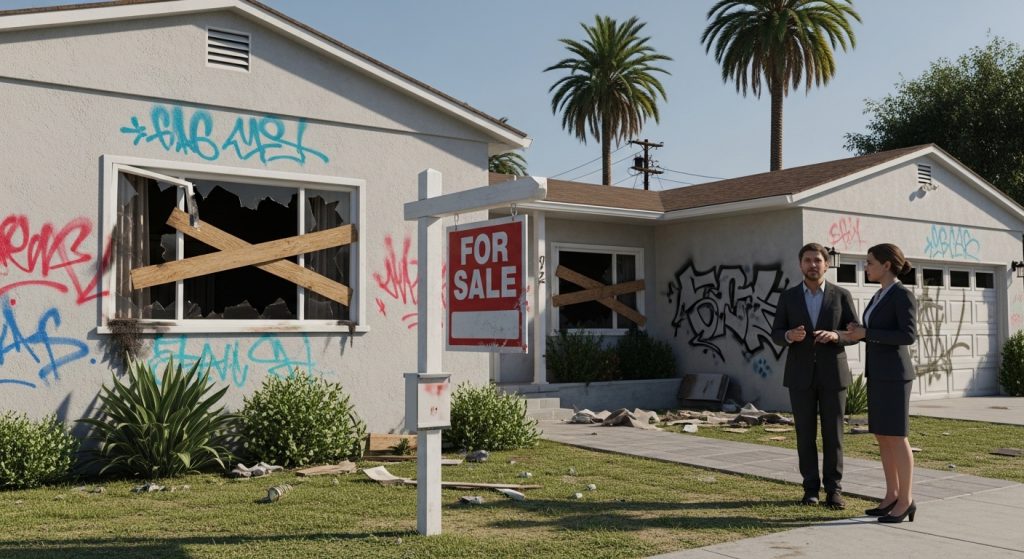
Selling a property with extensive vandalism damage in LA is challenging but absolutely possible. Vandalism can range from surface graffiti and broken windows costing $1,000 to $5,000 to repair, all the way to stripped copper plumbing, damaged electrical systems, and structural damage requiring $30,000 to $100,000 or more. California law requires sellers to disclose all vandalism-related damage on the Transfer Disclosure Statement, and standard homeowner’s insurance policies typically cover vandalism under the dwelling protection section. For severe damage, selling as-is to a cash buyer who can close in 7 to 21 days is often the most financially practical option. Documentation including police reports and contractor estimates can help you secure a stronger cash offer. This guide covers every option so you can make the right call quickly.
Selling a House in California After a Failed Fix-and-Flip Project
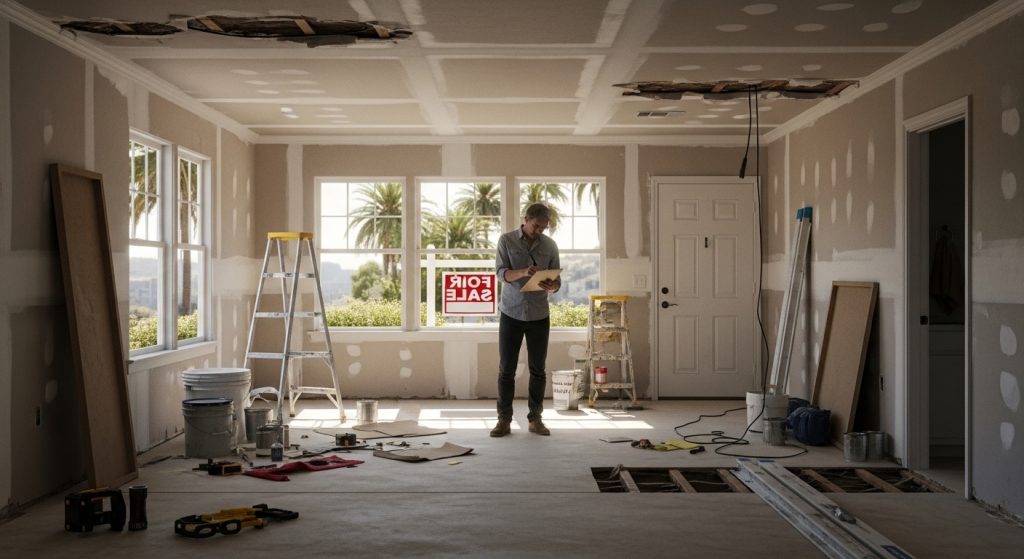
Selling a California home after a failed fix-and-flip project is one of the most financially stressful situations a property owner can face. Carrying costs on a stalled LA property can run $3,000 to $8,000 per month, and every month without a decision means more money lost. Whether your renovation is partially done, fully complete but unsold, or bogged down in permit and inspection issues, there are buyers who will purchase your property in its current condition. California law requires full disclosure of open permits, construction status, contractor disputes, and any known defects on the Transfer Disclosure Statement. Cash buyers and real estate investors are usually the fastest path out of a failed flip, with closings possible in 7 to 21 days. Mechanic’s liens from contractor disputes must be resolved at or before closing. This guide walks through each scenario and the best strategy for each.
Can I Sell My LA House if It Just Failed a City Inspection?
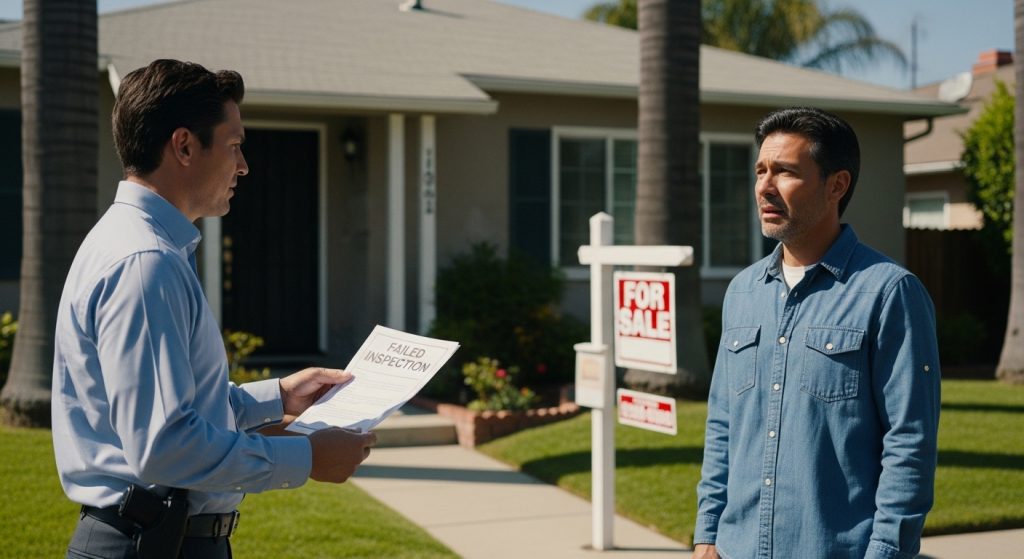
A failed city inspection in Los Angeles does not end your ability to sell your home. What it does is affect who will buy and on what terms. California law requires sellers to disclose all known code violations and inspection failures on the Transfer Disclosure Statement, and hiding them can lead to lawsuits after closing. If violations are minor, fixing them and passing a re-inspection is often the cleanest and fastest path to a full buyer pool. If violations are major or repair costs are high, selling as-is to a cash buyer who can close in 7 to 21 days and handle the compliance process themselves is often the smarter financial move. FHA and VA loan buyers are especially likely to face financing problems when a city inspection failure is on record. This guide explains each option clearly so you can make the right decision.
Selling a Home in LA with an Illegal ADU (Accessory Dwelling Unit)
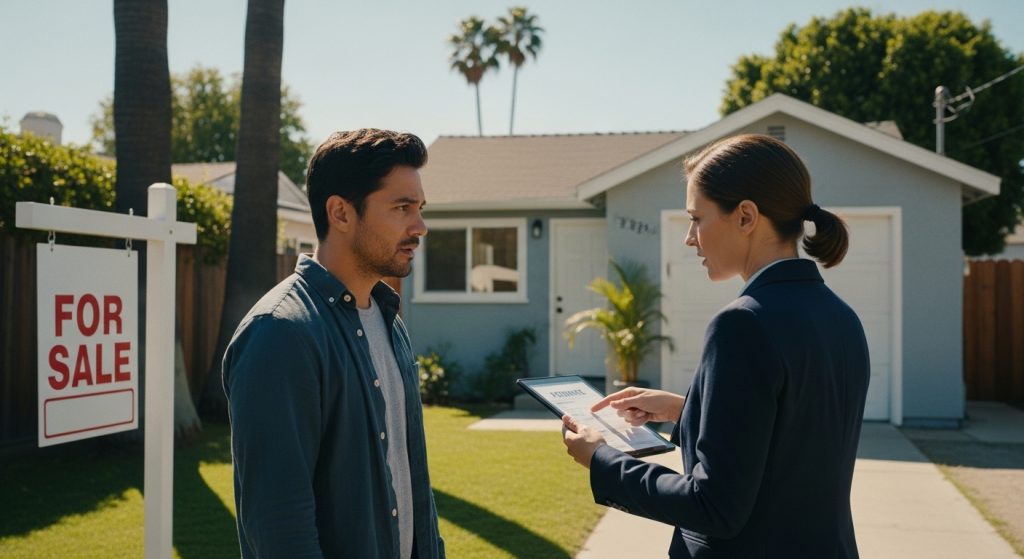
Selling a home in LA with an illegal ADU is one of the most common property issues in Los Angeles real estate. An unpermitted ADU cannot be counted in a home’s appraised square footage, which directly affects lender valuations and buyer financing options. Legalization through LADBS typically costs $5,000 to $25,000 in permitting fees and takes three to six months. California law requires sellers to disclose known illegal ADUs on the Transfer Disclosure Statement under Civil Code Section 1102, and failing to do so can result in lawsuits after closing. Your options include legalizing the unit before listing, demolishing it, disclosing and pricing accordingly, or selling as-is to a cash buyer who can close in 7 to 21 days and handle the issue after closing. This guide explains each path so you can make the right call.
How to Sell an LA Property That Has Unpermitted Garage Conversions
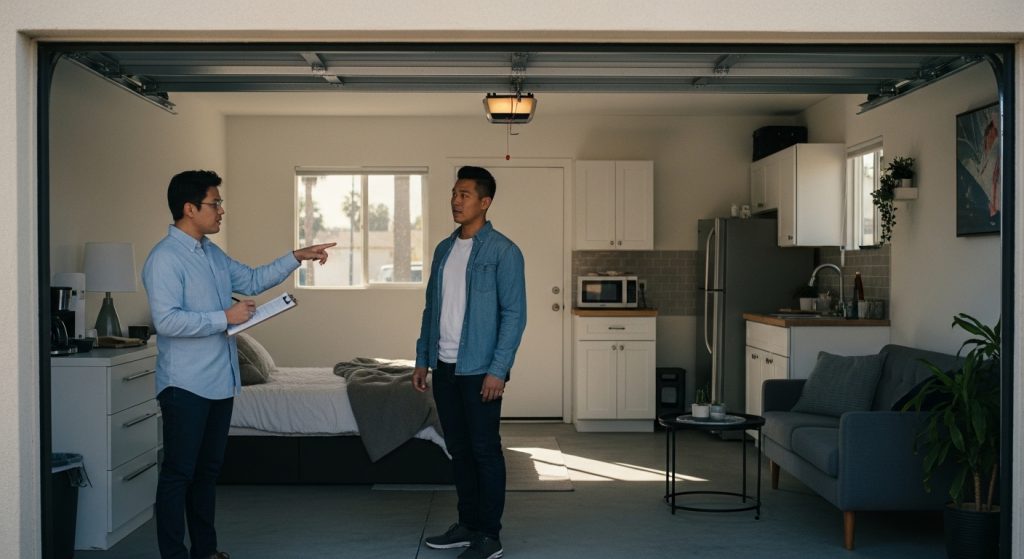
Unpermitted garage conversions are one of the most common property issues in Los Angeles, with tens of thousands of unpermitted units spread across the city. Selling a home with an unpermitted garage conversion creates real complications. The converted space cannot be counted in the home’s appraised square footage, which can significantly lower the lender’s valuation. California law requires sellers to disclose known unpermitted work on the Transfer Disclosure Statement, and hiding it can lead to lawsuits after closing. Your options include legalizing the conversion before selling, which costs $5,000 to $25,000 in permit fees and takes three to six months, disclosing and offering a price credit, or selling as-is to a cash buyer who can close in 7 to 21 days. This guide covers every option so you can make the right decision for your situation.
Selling a Southern California Home with Severe Sun or Weather Damage
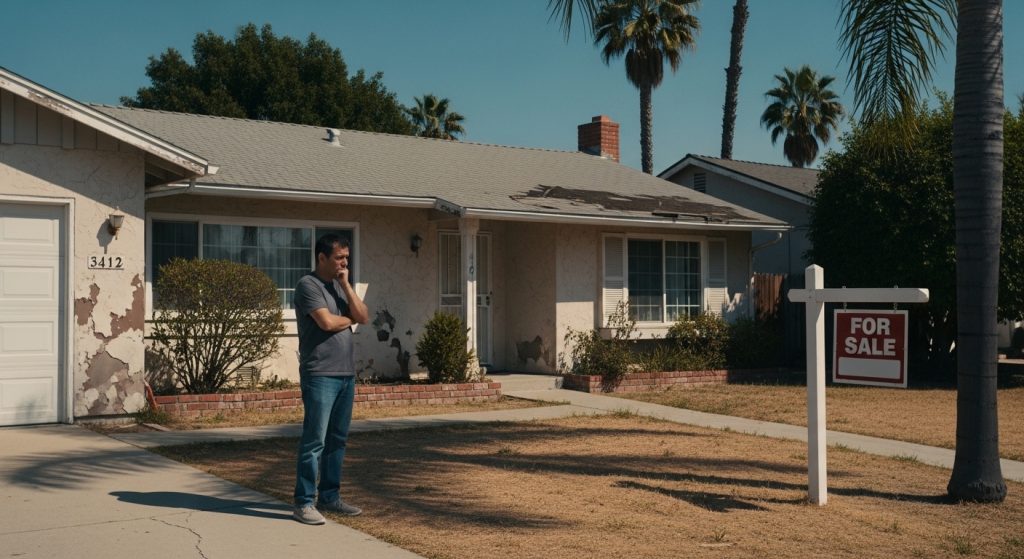
Selling a Southern California home with severe sun or weather damage requires a clear plan. Years of intense UV exposure, Santa Ana wind events, and seasonal heavy rain take a toll on stucco, roofing, wood siding, and caulking. California law requires sellers to disclose all weather-related damage that is a material defect on the Transfer Disclosure Statement. When multiple issues compound, total repair costs can reach $30,000 to $50,000 or more. Insurance is also a challenge, as the California Department of Insurance has been managing a major carrier pullout in high-risk areas, and damaged homes can be hard to insure. Your options are to make repairs before listing, disclose and price to reflect the condition, or sell as-is to a cash buyer. This guide covers each path so you can make the right call.
Selling a House in LA That Needs a Total Roof Replacement
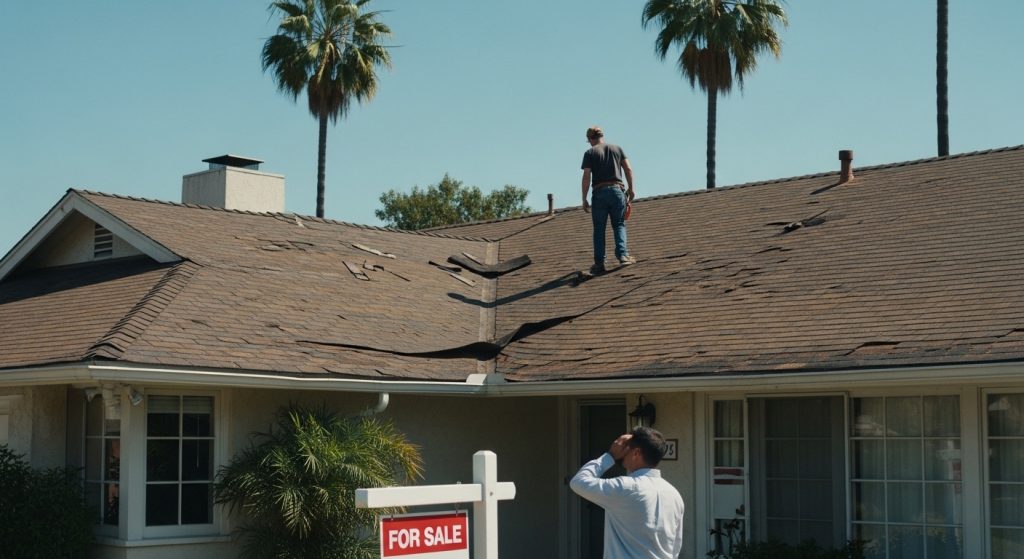
Selling a house in LA that needs a total roof replacement is more common than sellers expect, and it is far from a deal-killer. In Los Angeles, a full roof replacement costs between $11,000 and $18,000 for most homes in 2025, with labor accounting for 50 to 60 percent of the total cost. A failing roof narrows your buyer pool because FHA and VA lenders require that roofs have at least two years of remaining life before they will fund a loan. You have three real options: replace the roof before listing to maximize your buyer pool, offer a closing credit so buyers can handle the work themselves, or sell as-is to a cash buyer who can close in 7 to 21 days without any repairs required. California law requires you to disclose all known roof defects on the Transfer Disclosure Statement. This guide breaks down each option so you can make the right call for your property.
How to Sell a Property with a Failed Retaining Wall in the Hollywood Hills
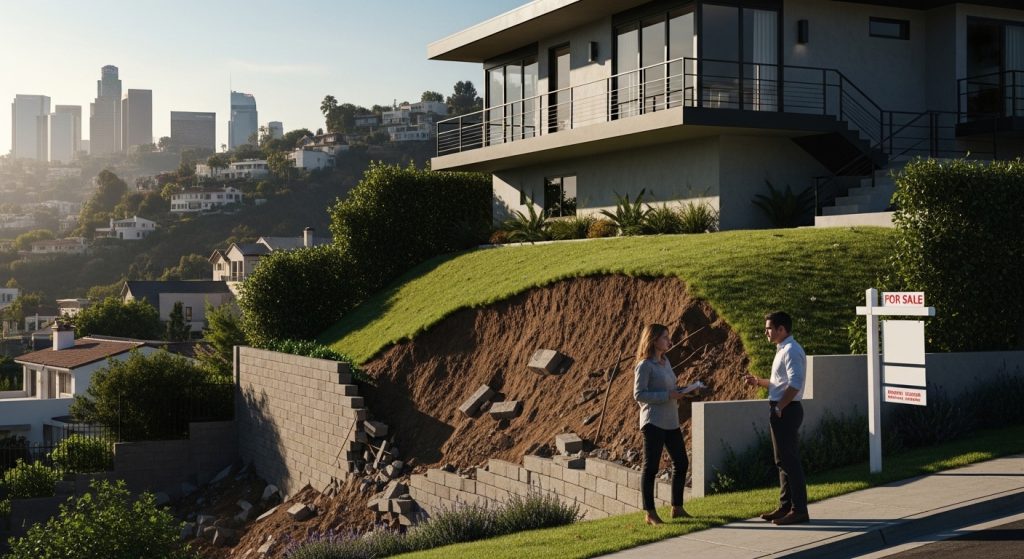
Selling a Hollywood Hills home with a failed retaining wall is one of the more challenging situations in the LA real estate market. Retaining wall failures in the Hollywood Hills are often caused by poor drainage, soil saturation, and seismic activity. LADBS requires permits for any wall over 4 feet in height under LAMC Section 91.106.3.2, and unpermitted walls must be disclosed to buyers. Full replacement of a hillside retaining wall can cost $40,000 to $150,000 or more depending on engineering and access requirements. A failed wall significantly reduces your buyer pool because most lenders will not fund a home with a red-tagged or structurally compromised wall. Your options include repairing it with proper permits, negotiating a price credit with buyers, or selling as-is to a cash buyer who handles the work after closing. This guide covers every path so you can choose the right one for your situation.