
Southern California’s weather is beautiful most of the year, but it can be brutal on homes. Years of intense UV exposure, Santa Ana winds, occasional heavy rain, and searing summer heat all take a toll on the exterior and structure of older properties. If your home has been showing the effects of weather and sun damage, selling it can feel complicated. But it is more manageable than you might think.
What Counts as Severe Sun or Weather Damage on a Southern California Home
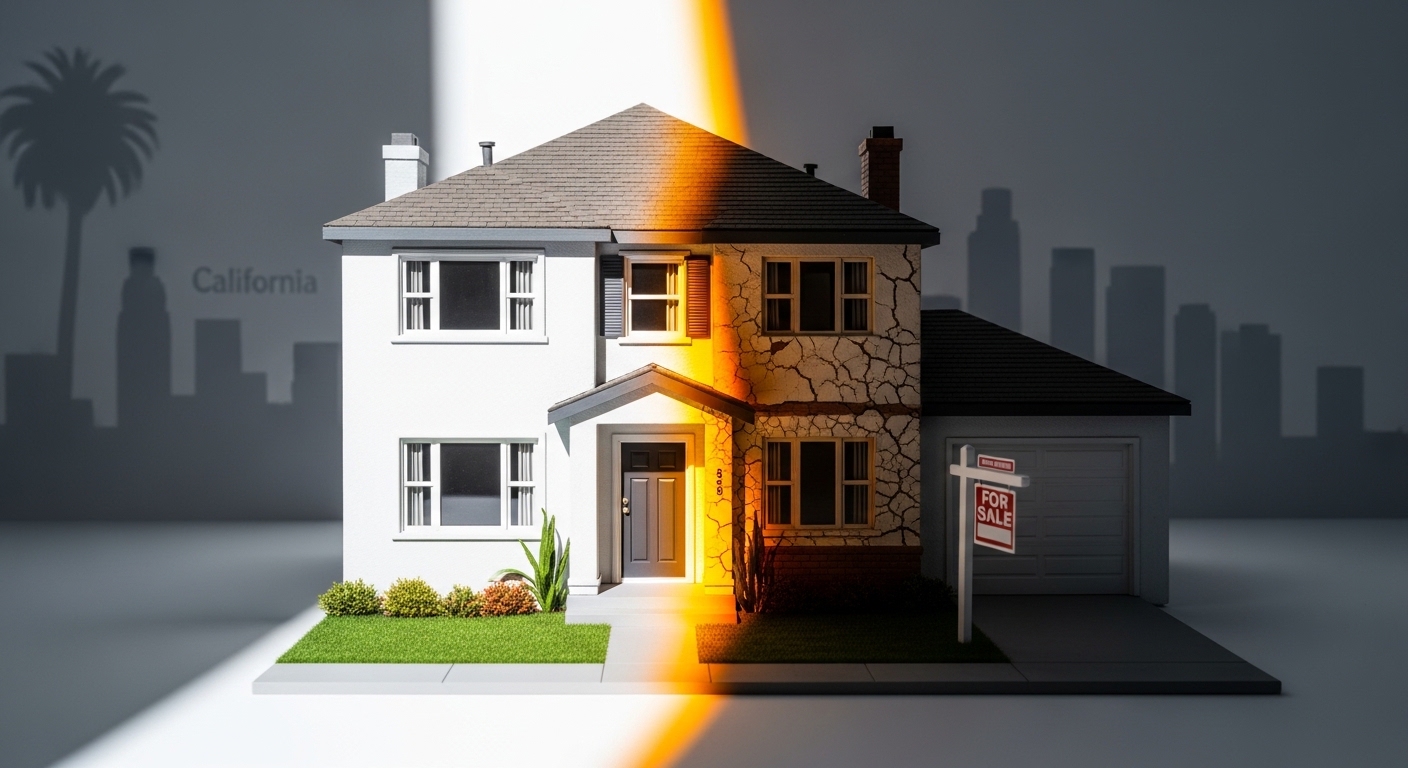
Not all weather-related wear is the same. A little faded paint is cosmetic. But when sun and weather damage affects the structure, systems, or habitability of a home, it crosses into territory that affects your sale and your disclosure obligations.
Southern California’s climate creates a specific set of problems. The intense sun can dry out and crack wood, degrade sealants and caulking, blister and peel exterior paint, and cause roofing materials to fail much faster than they would in a cooler climate. Wind from seasonal Santa Ana events can lift shingles, damage fencing, and push debris against structures. Heavy rain during atmospheric river events exposes any weaknesses in weatherproofing fast.
Common Types of Sun and Weather Damage in SoCal Homes
If you are not sure whether what you are looking at counts as significant damage, here is a list of the most common issues found on Southern California properties that have been affected by years of sun and weather exposure.
- Faded, blistered, or peeling exterior paint that has left wood exposed to moisture
- Cracked or deteriorating stucco on exterior walls, especially on south and west-facing sides
- Dry rot in wood siding, fascia boards, eaves, or window frames
- UV-degraded caulking around windows, doors, and roof penetrations that allows water intrusion
- Cracked concrete on driveways, walkways, or pool decks from thermal expansion
- Sun-bleached and warped wood decking or fencing
- Roofing materials that have dried out, cracked, or lost their protective granule coating
- HVAC units that have deteriorated from constant outdoor exposure and heavy use
A few of these items on their own are manageable. When they add up and compound each other, the cumulative picture is what concerns buyers and lenders.
California Disclosure Requirements for Weather-Related Damage
In California, sellers must disclose all known material defects on the Transfer Disclosure Statement. Weather and sun damage that has caused structural issues, water intrusion, dry rot, or any condition that affects the value or habitability of the home must be disclosed. You cannot simply repaint or patch cosmetic damage and declare the problem solved if you know there is a structural issue underneath.
The California Department of Real Estate provides clear guidance on seller disclosure requirements, and the language in the TDS is broad enough to capture most types of weather damage. If you are unsure whether something needs to be disclosed, the safe answer is always to disclose it. The legal consequences of failing to disclose a known material defect in California are serious.
How Weather Damage Affects Your Home’s Market Value in Southern California
Buyers in Southern California are experienced at spotting deferred maintenance and weather-related deterioration. Many have bought and sold in this market before and know what to look for. A home that shows significant sun and weather damage will generate buyer objections, lower offers, and sometimes walk-aways during the inspection period.
What Typical Repair Costs Look Like for Weather-Damaged Homes
Getting a sense of what repairs would cost gives you a foundation for deciding whether to fix before listing or sell as-is. Here is a general cost breakdown for common weather damage repairs in the Southern California market.
| Type of Weather Damage | Estimated Repair Cost | Impact if Left Unaddressed |
|---|---|---|
| Exterior repaint (whole house) | $5,000 to $15,000 | Continued wood exposure and moisture risk |
| Stucco repair and recoat | $3,000 to $12,000 | Water infiltration into wall cavity |
| Dry rot repair (fascia and siding) | $2,000 to $8,000 | Structural compromise and mold risk |
| Window and door re-caulking | $500 to $2,000 | Leaks and energy loss |
| Deck or fence replacement | $4,000 to $20,000 | Safety hazard and curb appeal loss |
| Roof repair or replacement | $3,000 to $18,000+ | Water damage and structural failure |
When several of these issues exist on the same property, the total remediation cost can easily reach $30,000 to $50,000 or more. That level of deferred maintenance pushes many sellers toward an as-is sale rather than a full renovation before listing.
The Insurance Angle You Cannot Ignore
One thing that affects SoCal home sales more than sellers often realize is insurance. The California Department of Insurance has been managing a significant homeowner’s insurance crisis in recent years as major carriers have pulled out of high-risk areas. Homes with visible weather damage, deteriorated roofing, or dry rot can be flagged by insurance inspectors, making it harder or more expensive for buyers to obtain coverage.
If a buyer cannot get insurance, they generally cannot get a mortgage. That limits your buyer pool to cash buyers unless you address the insurance-related issues before or during the sale. It is something worth thinking through before you set your asking price.
How to Sell a Weather-Damaged Home in Southern California
The right path depends on how severe the damage is, how much time you have, and what your financial situation looks like. There is no one-size-fits-all answer here.
Should You Make Repairs Before Listing
If the damage is concentrated and the repair costs are reasonable relative to the expected sale price, making repairs before listing is often worth it. Replacing faded and cracked exterior paint, repairing dry rot, and re-caulking windows can significantly improve buyer perception and make it easier for buyers to get insurance and financing.
According to the Insurance Institute for Business and Home Safety, maintaining a home’s exterior weatherproofing is one of the most effective ways to reduce weather-related damage and maintain insurability. Documentation showing that repairs were made by licensed contractors can help buyers secure coverage, which strengthens your buyer pool.
For sellers dealing with fire zone designations on top of weather damage issues, you will find useful information in our guide on selling a home in an LA High Fire Hazard Severity Zone, where similar insurance and buyer concerns come into play.
Selling As-Is When Damage Is Extensive
When the weather damage is extensive and the repair costs are too high to justify before a sale, selling as-is is the more practical option. Cash buyers and real estate investors in Southern California are experienced at evaluating weather-damaged properties. They know how to price deferred maintenance accurately and are not scared off by cosmetic or structural issues that would cause a traditional buyer to walk.
The key with an as-is sale is full disclosure and realistic pricing. Trying to price the home as if the damage does not exist will only lead to failed deals after inspection. Price it based on its condition, disclose everything you know, and let buyers make informed offers.
You can also read about how sellers handle homes affected by mudslides and soil erosion in LA, since that situation involves a similar combination of weather-related damage, disclosure obligations, and as-is selling strategies.
If you are ready to find out what your weather-damaged Southern California home is worth in its current condition, contact our team today for a no-pressure evaluation and honest conversation about your options.
To learn more about how we work with sellers across all kinds of property conditions in Los Angeles and surrounding areas, visit our Los Angeles cash home buyers page.
For buyers and sellers who want to understand how Southern California’s building codes address weatherproofing and energy efficiency requirements, the California Energy Commission’s Building Energy Efficiency Standards cover the requirements that affect new construction and major renovations in the state.
Conclusion
Southern California’s climate is hard on homes, and severe sun or weather damage is more common than most buyers and sellers realize when they first look at a property. The most important thing you can do as a seller is to be honest about what you know, get professional inspections before listing so you understand the full scope of the damage, and then choose a selling path based on real numbers.
You can fix it before listing, disclose and negotiate, or sell as-is to a buyer who understands these properties and prices them accurately. All three paths work. The worst path is pretending the damage is not there and hoping buyers will not notice. They always do.
Frequently Asked Questions
Do I have to disclose sun and weather damage when selling a home in California?
Yes, if the damage is a material defect. California requires sellers to disclose any known issues that affect the value or habitability of the property on the Transfer Disclosure Statement. Cosmetic fading may not require disclosure, but structural damage, water intrusion, or dry rot from weather exposure absolutely does. When in doubt, disclose it.
How does weather damage affect home insurance availability in Southern California?
Significantly. Many major insurers have reduced or eliminated coverage in Southern California, and homes with visible weather damage, deteriorated roofing, or dry rot may face coverage denials or higher premiums. If a buyer cannot get insurance, they usually cannot get a mortgage, which limits your sale to cash buyers unless repairs are made first.
Can I sell a weather-damaged Southern California home without making repairs?
Yes. California law does not require sellers to make repairs before selling. You must disclose known defects, but you can sell the home in its current condition. Cash buyers and investors regularly purchase weather-damaged properties in SoCal. You will accept a lower price than if the home were repaired, but you avoid the cost and time of renovation.
What types of weather damage have the biggest impact on sale price?
Structural damage like dry rot, roof failure, and water intrusion have the most significant impact on both sale price and buyer pool. Cosmetic damage like faded paint has less impact but still affects buyer perception. Issues that affect insurance eligibility or lender approval have an outsized effect because they limit who can buy the home.
How much can I expect to spend repairing a weather-damaged home in Southern California before selling?
It depends on the scope of damage. Small cosmetic fixes like exterior repainting and re-caulking might cost $5,000 to $10,000. If the damage includes dry rot, stucco failure, and roof issues, total repair costs can easily reach $30,000 to $50,000 or more before the home is in market-ready condition. Getting multiple contractor estimates before deciding whether to repair or sell as-is is always the smart first step.