
How Fast Can I Get the Money After Closing a Cash Sale

After a cash home sale closes, most sellers receive their money the same day via wire transfer, or by the next business day at the latest. The full timeline from accepting a cash offer to having funds in your bank account typically runs just 7 to 14 days, compared to 30 to 60 days with a traditional financed sale. According to the National Association of Realtors, sellers in cash transactions frequently cite speed and simplicity as major advantages. The exact timing of your payout depends on when closing documents are signed and your title company’s wire cutoff time. Knowing these details in advance can help you avoid an unnecessary extra day of waiting.
How to Sell a Rental Property with Section 8 Tenants in Place

Selling a rental property with Section 8 tenants in place is more manageable than most landlords expect. According to the U.S. Department of Housing and Urban Development, the Housing Choice Voucher Program assists more than 2.3 million households across the country each year. That means thousands of landlords face this situation annually. The key is understanding your Housing Assistance Payment contract, following proper tenant notice requirements, and choosing the right type of buyer. Whether you sell to another investor or need to ask a tenant to vacate, this guide walks you through every step so you can sell without legal trouble or unnecessary delay.
Selling a House With Old Electrical Panels Knob Tube Aluminum

Selling a house with knob and tube wiring or aluminum wiring is one of those situations that stops a lot of sellers in their tracks. According to the U.S. Consumer Product Safety Commission, homes with single-strand aluminum wiring are 55 times more likely to have fire hazard conditions than copper-wired homes. That number alone explains why buyers, lenders, and insurers treat old wiring as a serious concern. But you do have options. You can rewire before listing, disclose and negotiate a lower price, or sell directly to a cash buyer who handles repairs themselves. Knowing which path fits your situation can save you months of stress.
How to Sell a House When You Cant Afford the Property Taxes Anymore

Falling behind on property taxes is more common than most people think, and the consequences can move fast. Once you miss payments, penalties and interest pile on, tax liens get placed on the property, and in some states the county can begin foreclosure proceedings within a few years. The good news is that you can still sell your home even with unpaid property taxes or an active lien. The tax debt gets paid at closing from the sale proceeds. If you need to move fast before a deadline hits, selling to a direct cash home buyer can get the deal done in as little as 7 to 14 days, protecting whatever equity you have left.
Selling a Property with Severe Landscaping Neglect or Overgrowth
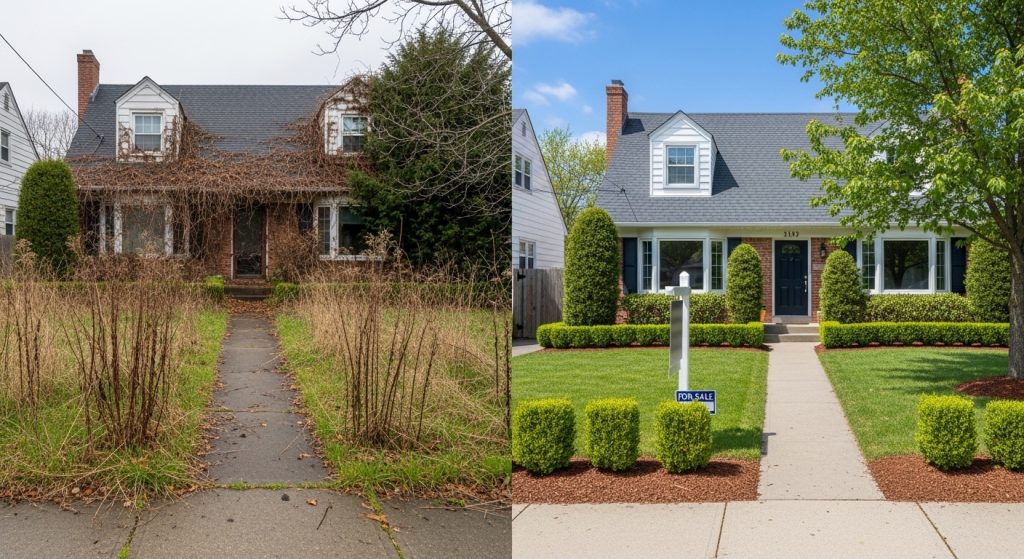
Selling a property with severe landscaping neglect is a real challenge, but it is not a dealbreaker. Research from Michigan State University shows homes with strong curb appeal sell for 5% to 11% more than comparable homes with poor exterior presentation. On a $300,000 home, that is up to $33,000 in potential lost value just from how the yard looks. Add in fire hazard risks, potential code violations, and pest issues that overgrowth attracts, and the stakes become even clearer. This guide walks you through the cost to fix it, when selling as-is makes more financial sense, and the fastest way to sell and move on without the hassle.
The Difference Between a Wholesaler and a Direct Cash Home Buyer
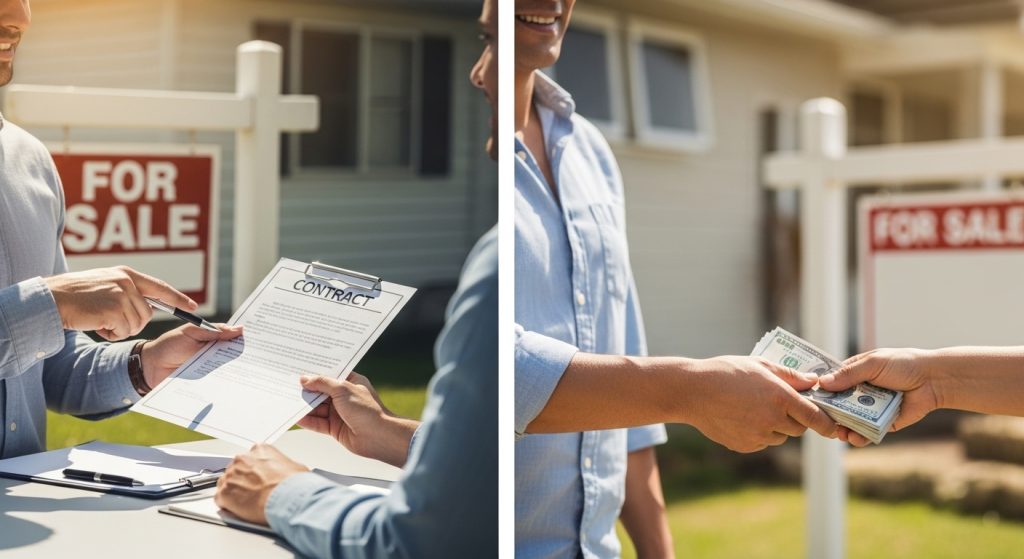
Wholesalers and direct cash home buyers both promise fast, hassle-free sales, but they work very differently. A wholesaler does not actually buy your home. They get it under contract and then find a third-party investor to take over the deal, keeping the difference as profit. A direct cash buyer, on the other hand, uses their own money and shows up at closing themselves. This difference matters a lot for sellers who need speed, transparency, and certainty. Knowing which type of buyer you are dealing with before you sign anything can protect you from delays, surprise price drops, and deals that never actually close.
How to Sell a House When Your Co-Owner Refuses to Pay Their Share

Owning a house with someone who has stopped paying their share is one of the most stressful real estate situations you can face. Whether it is an ex-spouse, a sibling, or a business partner, a co-owner who refuses to cooperate can feel like a wall between you and your money. According to the American Bar Association, co-ownership disputes involving real property are among the most common civil legal conflicts handled by property attorneys in the U.S. The good news is you have real legal options, including mediation, buyouts, partition actions, and direct cash sales. This guide breaks down each one so you can move forward.
What to Do When a Buyers Financing Keeps Falling Through

Watching a home sale fall apart because of buyer financing is one of the most stressful things a seller can face. According to the National Association of Realtors, financing problems are among the top reasons real estate contracts collapse every single year. Whether it has happened once or multiple times, the good news is you have real options. From requiring stronger pre-approvals to shortening financing contingency windows, there are steps you can take to protect yourself. And if traditional buyers keep falling through, selling directly to a cash home buyer removes financing risk entirely and can close in days, not months.
Selling a Vacant House: Security Risks and How to Cash Out Fast
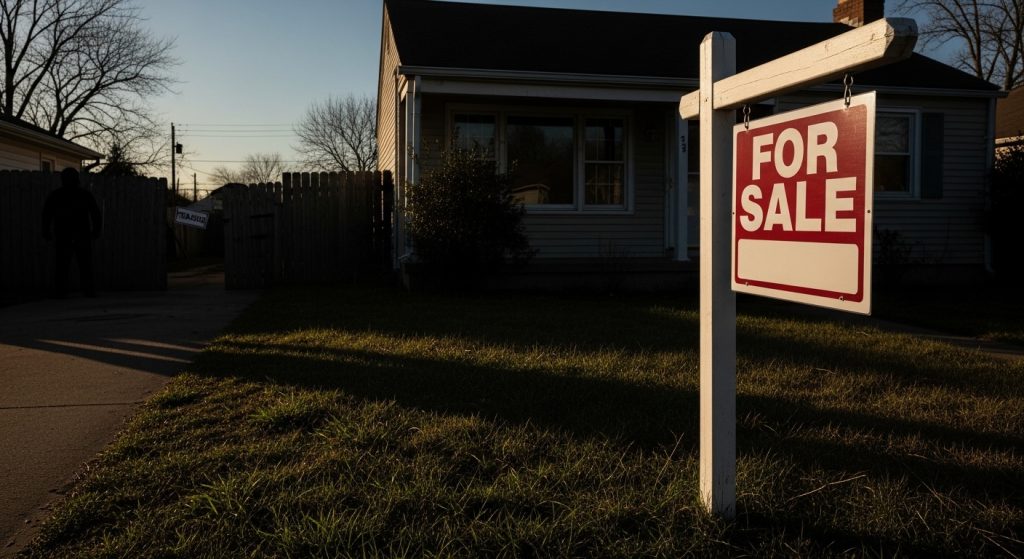
A vacant house is not just an empty building sitting around. It is an active liability that grows more expensive and risky with every passing week. According to the National Association of Realtors, homes that sit on the market longer than 30 days tend to sell for less, and vacant homes face this risk even more. From break-ins and vandalism to burst pipes and insurance gaps, the threats are real and the costs add up fast. This guide covers the biggest security risks of leaving a home vacant, what they can cost you, and the fastest ways to sell and walk away with cash in hand.
How to Sell a Property Fast When You’re Moving Internationally
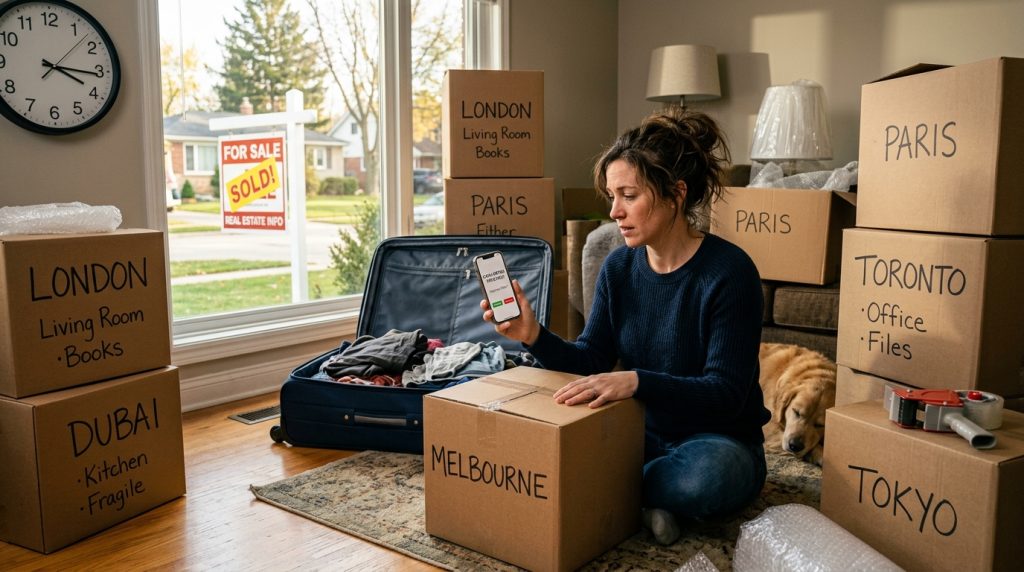
Selling your home while preparing for an international move is one of the more complicated things a person can manage at the same time. You have visa timelines, shipping logistics, school enrollment deadlines, and a job start date all competing for your attention, and your home sale has to fit around all of it. According to the National Association of Realtors, international relocation is among the top reasons homeowners pursue fast or off-market property sales. A cash sale can close in as little as 7 to 14 days, making it the most reliable option for sellers who cannot afford to wait 60 to 90 days for a traditional closing. This guide explains exactly how to make it work even from overseas.