
Every landlord has a breaking point. For some, it is one too many 2 a.m. calls about a leaking pipe. For others, it is the third roof repair in five years or watching the property eat money faster than it makes it. If maintenance has become more work than the rental is worth, you are not alone, and selling might be exactly the right move.
When the Numbers Stop Making Sense
Rental properties are supposed to make you money. But when repair bills show up faster than rent checks, the math gets painful fast.
A general rule many property managers use is the 1% rule: annual maintenance costs on a rental should not exceed 1% of the property’s value. A $250,000 property should ideally not cost more than $2,500 a year in routine upkeep. Once you push well past that number year after year, it is a sign the property is aging, poorly built, or just exhausted.
I talked to a landlord once who was spending nearly $18,000 a year on a property worth $220,000. Between plumbing issues, an HVAC replacement, and constant small fixes, he had not seen a real profit in three years. He sold it as-is to a cash buyer and walked away with enough to invest somewhere that actually worked.
The Hidden Costs Most Landlords Do Not Count
Beyond the actual repair bills, there are costs that do not always show up on paper but are very real. Your time is one of them. Managing contractor schedules, chasing down warranties, dealing with tenants frustrated by slow repairs, and making judgment calls about which fixes can wait, all of that adds up.
Stress is a real cost too. Some landlords stay in a bad rental situation too long because they feel like selling means admitting defeat. It does not. Recognizing when a property is costing you more than it gives is just smart financial thinking.
For landlords also dealing with a major structural issue like a broken sewer line, check out our post on selling a house with a broken sewer line for a clear look at how buyers handle serious repair situations.
Types of Maintenance Problems That Signal It Is Time to Sell
Recurring Structural or System Issues
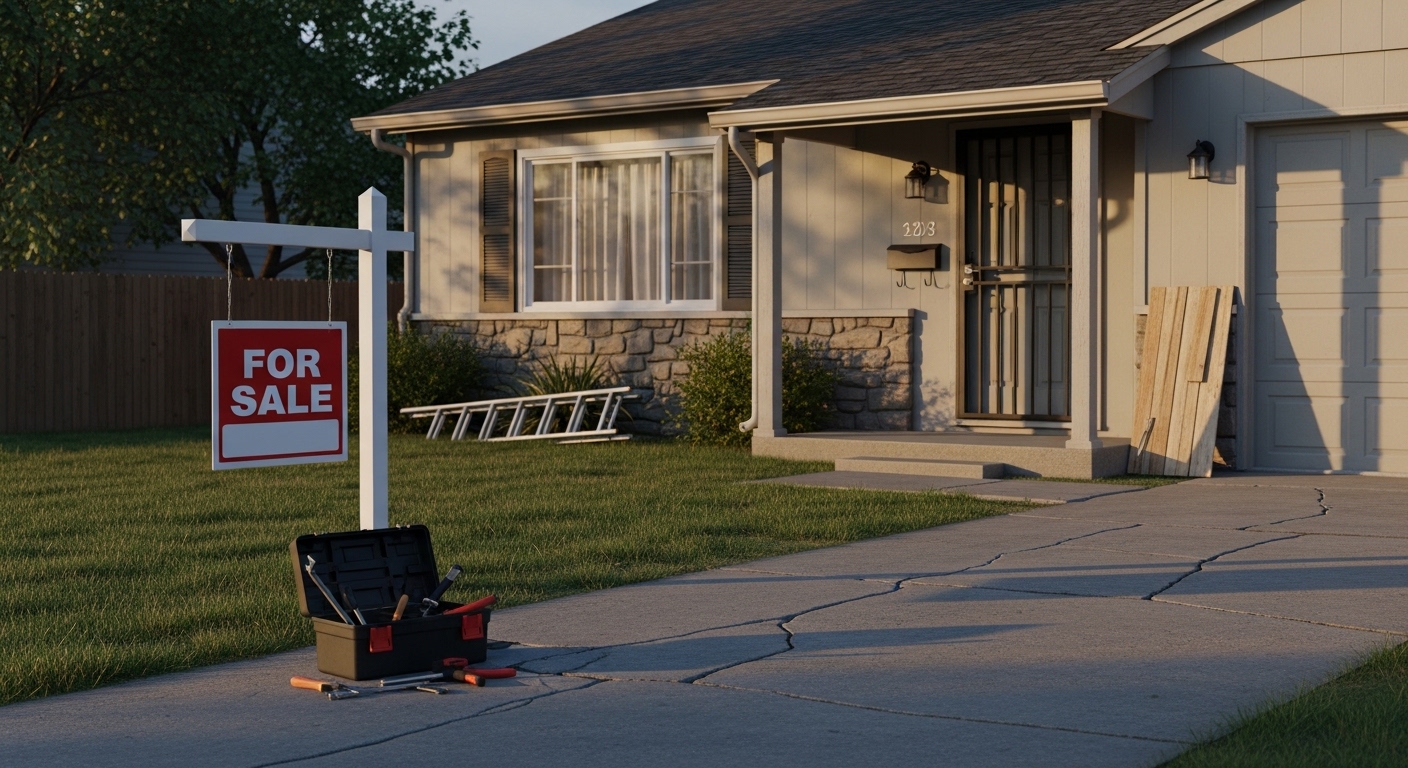
There is a clear difference between normal wear and tear and recurring major problems. Normal wear includes things like worn carpets, aging paint, or minor plumbing drips. Recurring major problems are a different animal entirely.
These include HVAC systems that fail every other year, foundation issues that keep coming back after repairs, persistent roof leaks despite multiple fixes, and electrical systems that are outdated and constantly causing problems. If a problem has been fixed twice and keeps returning, the repair is usually a band-aid on a bigger issue. At some point, the real fix costs more than the property is worth.
Tenant Damage and High Turnover Costs
Tenant-caused damage is a different category, but it burns you out just as fast. Some landlords spend years cycling through tenants who leave the property worse than they found it. New carpet, repainting, replaced appliances, cleaned-up yards, these costs between tenants can wipe out several months of rental income in a single turnover.
When tenant turnover costs are consistently high and tenant quality is hard to control, that is worth factoring seriously into your decision to keep or sell. Honestly, some properties just attract difficult situations no matter what you do.
How to Sell a Maintenance-Heavy Rental Fast
Selling As-Is Without Any Repairs
One of the best things about selling to a cash buyer is that you do not have to fix anything first. You are not required to replace the HVAC, repaint the interior, or deal with the plumbing issues that have been on your list for two years. The buyer factors the condition into their offer and handles repairs themselves after closing.
This is very different from listing on the open market, where buyers typically expect a move-in ready property and ask for repair credits or price reductions based on inspection findings. With a cash buyer in as-is condition, what you see is what you get.
Here is a simple comparison of your options when selling a maintenance-heavy rental:
| Sale Method | Repairs Required | Timeline | Agent Fees | Best For |
|---|---|---|---|---|
| Traditional listing | Often yes | 60 to 90 days | 5 to 6% | Well-maintained rentals |
| Sell as-is with agent | Usually some | 45 to 75 days | 5 to 6% | Light property issues |
| Cash buyer (as-is) | No repairs needed | 7 to 21 days | None | High-maintenance properties |
| Auction | No | 30 to 45 days | Varies | Distressed properties |
Pricing and Setting Realistic Expectations
Selling a maintenance-heavy rental means being realistic about price. The property is not going to fetch full retail if a buyer is going to put significant money into it after closing. That is just how it works.
The good news is that a lower price on a tough property still beats the ongoing cost of owning it when it is draining you every month. Factor in what you are currently spending per year on repairs, stress, and time, and compare that to what you would walk away with from a sale. Most landlords who actually do this math are surprised by how much better selling looks.
Check our locations page to see if we serve your area and can make you a direct offer. And if you want to know what to expect after an offer is made, our post on what happens if a cash buyer backs out is worth a quick read before you go under contract.
What to Do Before You Sell
Getting Organized Before Going to Market
Before you list the property or reach out to a cash buyer, take these steps to protect yourself and speed the process up:
- Make a full list of all major repair issues and their estimated costs. Be thorough and honest with yourself.
- Pull together your repair history for the last two to three years. This helps buyers and shows you the real picture.
- Decide whether any quick, low-cost improvements like basic cleaning, yard work, or painting are worth doing before showing.
- Get your lease agreements, security deposits, and tenant notice obligations sorted before going to market.
- Talk to a tax professional about capital gains and depreciation recapture before you close.
- Contact a cash buyer for a fast, no-repair-required offer if speed and simplicity are your priorities.
According to the National Association of Realtors, landlords who sell rental properties most often cite ongoing maintenance costs and management stress as their top non-financial reasons for exiting the rental market. (Source: National Association of Realtors Research)
The IRS also allows landlords to deduct legitimate repair costs from rental income as business expenses, meaning good records throughout ownership reduce your tax burden both while you hold the property and when you eventually sell. (Source: IRS Rental Income and Expenses)
You can contact us here to get a fast, no-obligation offer on your rental in its current condition. No repairs, no listings, no waiting.
Conclusion
Constant maintenance headaches are one of the most legitimate reasons to sell a rental property, and there is no shame in it. Every property has a lifespan, every landlord has a limit, and at some point, the smart move is to take what you have built and put it into something that works better for you.
If repairs are eating your profits and your patience, a direct cash sale in as-is condition is one of the cleanest exits available. You do not have to fix a thing. You just have to decide you are ready to move on.
Frequently Asked Questions
Should I fix the rental property before selling it?
Not necessarily. If the repairs are minor and inexpensive, they might help your asking price. But if you are dealing with major or recurring issues that would cost thousands to fix, selling as-is to a cash buyer is often the smarter move. You skip the repair costs and time, and the offer already reflects the property’s current condition.
How do I know if my rental property is losing me money?
Add up your annual rental income, then subtract your mortgage payment, property taxes, insurance, repairs, management fees, and vacancy costs. If what is left is small or negative, the property is not profitable. If repairs are consistently eating a large share of that income, that is a strong signal to consider selling.
Can I sell a rental property that is in bad condition?
Yes. Cash buyers specifically target properties in poor condition because they buy at a discount and renovate for profit. You do not need to bring the property up to listing standards. You just need to be honest about what the buyer is taking on.
What happens to my tenants if I sell the rental?
That depends on whether the new buyer is an investor or an owner-occupant, and what kind of lease your tenant has. A new investor often keeps the tenant in place. An owner-occupant may require proper notice to vacate. Always review lease terms and local tenant protection laws before finalizing any sale.
Will selling a maintenance-heavy rental hurt my taxes?
It can, but not necessarily in the way you expect. If you have claimed depreciation over the years, you may owe depreciation recapture tax on the sale. Any profit above your adjusted cost basis may also be subject to capital gains tax. A tax professional can walk you through your specific numbers before you close.