
Leaving your home empty for even a few weeks can turn a simple real estate situation into a real headache. Vacant houses face risks that most sellers never think about until the damage is already done. If you are ready to move on and cash out fast, knowing what you are dealing with makes all the difference.
The Safety Risks Nobody Warns You About
A vacant house is like a big sign that says nobody is watching. Burglars know exactly what to look for, and an empty home hits every mark. No lights, no cars, no movement, no dogs. That combination makes it a target.
According to the U.S. Department of Justice, vacant properties are significantly more likely to be targeted for theft and vandalism than occupied homes. It is not just the big stuff, like stolen appliances or copper pipes. It is also broken windows left unrepaired, graffiti on the walls, and in some cases, squatters who move in and are legally difficult to remove.
I have heard from homeowners who came back to a vacant home after two months to find the entire HVAC unit stripped out. That is thousands of dollars gone overnight. The longer the house sits empty, the bigger the risk.
Financial Damage That Adds Up Every Month
The cost of a vacant house is not just the mortgage payment you are still making. You are also paying for insurance, property taxes, utilities if you keep them on, and maintenance just to keep the property from falling apart.
Homeowners insurance on a vacant property is also harder to keep. Many standard insurance policies have a vacancy clause. If your home has been empty for 30 to 60 days, your coverage may be reduced or even canceled without you knowing. That leaves you fully exposed if anything goes wrong.
A report from the National Fire Protection Association shows that vacant structures account for a disproportionate share of structure fires each year, many caused by arson or faulty systems that go unmonitored. The financial exposure from a single incident can far outweigh the sales proceeds you were hoping to protect. (Source: NFPA Vacant Building Fires Report)
Common Security Risks of Leaving a Home Vacant
Break-Ins, Vandalism, and Squatters
When a home sits empty long enough, the neighborhood notices. And so do the wrong kinds of people. Break-ins at vacant homes are common, and what gets taken is not just valuables. Copper wiring inside the walls, HVAC compressors, water heaters, and even light fixtures are all common targets.
Vandalism can turn a perfectly good home into one that needs thousands of dollars in repairs before it is even showable. And squatters, the legal term for people who move into a property without permission, can create a situation that takes weeks and legal fees to resolve.
In some states, squatter rights laws give unauthorized occupants protections that make removal slow and expensive. This is not a worst-case scare story. It is something that happens regularly to owners of vacant homes.
Fire, Water, and Structural Damage Risks
Empty homes are not maintained the way occupied homes are. A slow leak under a sink can go unnoticed for months, eventually causing mold and structural damage to floors and walls. A small electrical issue can become a fire with no one around to call 911.
The U.S. Fire Administration reports that vacant building fires cause a disproportionate number of civilian and firefighter injuries compared to occupied buildings. Part of the reason is that damage inside goes unnoticed until the situation becomes dangerous. (Source: U.S. Fire Administration Reports)
Frozen pipes in winter are another common issue. If the heat gets cut off or the thermostat is not monitored, pipes can freeze and burst, causing flooding that ruins floors, walls, and ceilings all at once.
What Selling a Vacant House Actually Looks Like
Listing It the Traditional Way vs. Selling As-Is
If you list the home on the market with a real estate agent, you are looking at a process that takes on average 60 to 90 days from listing to closing. During that time, you are still paying all the carrying costs including the mortgage, insurance, utilities, and maintenance.
Buyers who tour vacant homes often use the emptiness against you. They mentally note that the house needs work, that there is no furniture to make it feel warm, and they use that to make lower offers. Vacant homes typically sell for less than occupied or staged homes.
For sellers who want to get out fast and avoid ongoing exposure, selling as-is to a cash buyer is often the better path. There are no repairs required, no showings to manage, and no waiting for a bank to approve a buyer’s mortgage. Check out our guide on how a direct cash sale protects your privacy online to understand more about why this option appeals to so many sellers.
The Fastest Options Available to You Right Now
The fastest way to sell a vacant house is through a cash buyer who purchases properties in as-is condition. These buyers are usually real estate investors or companies that specialize in buying homes quickly, regardless of condition.
The process is simple. You reach out, the buyer takes a look at the property, and they make an offer, often within 24 to 48 hours. If you accept, you can close in as little as 7 to 14 days. No repairs, no open houses, no agent commissions.
If you are unsure what happens after accepting a cash offer, read our post on what happens if a cash buyer backs out so you know your protections going in.
What You Should Do Before You Sell
Before you sell a vacant house, there are a few things worth doing to protect the property and help the process go smoothly. Here is a practical list:
- Tell your insurance company the home is vacant. Some policies require this, and failure to disclose can void your coverage.
- Do a walkthrough at least once every two weeks to check for break-ins, leaks, or any new damage.
- Keep the utilities running at a minimum level, especially heat in winter to avoid frozen pipes.
- Install security cameras or motion-activated lights to deter break-ins and document any incidents.
- Lock all entry points, including garage doors, basement windows, and back doors.
- Remove any valuables, appliances, or fixtures you plan to keep before showing the property.
- Consider a property management service for a short period if you cannot check on the property yourself.
These steps do not guarantee nothing goes wrong, but they reduce your exposure while the home is on the market. You can also reach out to our team if you need to move fast and want a no-hassle cash offer. We can usually get you an answer within one business day.
We also work with sellers across many markets, so check our residential property page to learn more about the areas we serve.
Comparing Your Options: Traditional Sale vs. Cash Sale
Side-by-Side Breakdown
Here is a simple breakdown of how selling a vacant house through a traditional listing compares to selling it directly for cash:
| Factor | Traditional Listing | Cash Sale (As-Is) |
|---|---|---|
| Average Time to Close | 60 to 90 days | 7 to 14 days |
| Repairs Required | Yes, often required | No repairs needed |
| Ongoing Carrying Costs | Continue throughout | Stop at closing |
| Agent Commissions | 5% to 6% | None |
| Showings Required | Multiple open houses | Usually just one walkthrough |
| Risk During Wait | High (vacant exposure) | Low (fast exit) |
| Offer Certainty | Lower (contingencies) | Higher (no financing delays) |
As you can see, the cash sale option wins on speed and certainty. The traditional route might get you a higher gross price in some cases, but once you factor in the cost of ongoing vacancy, repairs, agent fees, and the time you spend managing everything, the gap often closes significantly.
According to the National Association of Realtors, homes that have been on the market for longer than 30 days tend to sell for less than homes that sell quickly. Vacant homes face this risk even more because buyers can see the wear setting in over time. (Source: National Association of Realtors Research)
Conclusion
A vacant house is not a passive situation. It is an active liability that grows more expensive and more risky with every week it sits empty. Between the security threats, the insurance gaps, the potential structural damage, and the ongoing carrying costs, leaving a home vacant while you wait for the perfect buyer is a gamble that many sellers end up regretting.
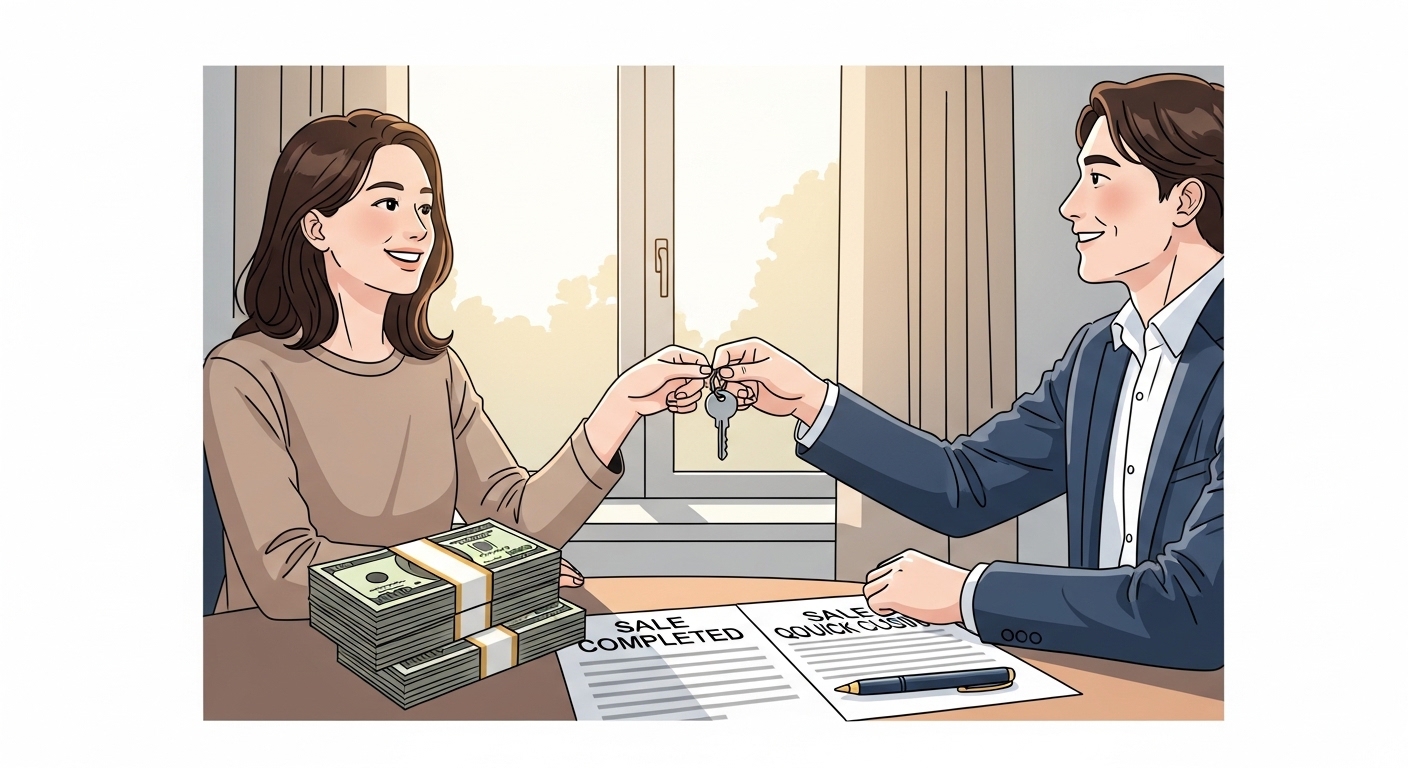
The fastest and lowest-stress path for most sellers is a direct cash sale. You skip the repairs, the showings, the waiting, and the uncertainty. You set a closing date that works for your timeline, and you walk away with money in hand.
If you have a vacant property and want to understand your options, reach out to us here. We are happy to take a look and give you a straightforward offer with no pressure attached.
Frequently Asked Questions
Does homeowners insurance cover a vacant home?
Standard homeowners insurance policies often reduce or suspend coverage after a home has been vacant for 30 to 60 days. This is called a vacancy clause. If you plan to leave your home empty for more than a few weeks, call your insurer and ask about a vacant home endorsement or a separate vacant property policy. Skipping this step can leave you completely unprotected.
How long can a house stay vacant before problems start?
Problems can start within the first few weeks, especially in extreme weather or in neighborhoods with higher crime rates. Structurally, issues like moisture buildup and pest infestation can begin within 30 days. The longer a home sits vacant, the greater the risk of serious and costly damage.
Do vacant homes sell for less than occupied homes?
Yes, in most cases they do. Buyers often use the vacant status as leverage in negotiations, pointing to deferred maintenance, the lack of staging, and the assumption that the seller is motivated. Research consistently shows that occupied and staged homes sell faster and for higher prices than vacant properties.
Is it legal for squatters to stay in a vacant home?
If someone occupies your property without permission, it is trespassing. However, removing them legally can be a slow process depending on your state. Some states have specific squatter rights laws that require formal eviction procedures even for unauthorized occupants. Acting quickly when you notice unauthorized entry is very important.
What is the fastest way to sell a vacant house?
The fastest option is typically a cash sale to a real estate investor or house-buying company. These buyers skip the traditional mortgage process, do not require repairs, and can often close in one to two weeks. The offer may be below full market value, but for sellers dealing with ongoing vacancy costs and risks, the speed and certainty often make it the smarter financial choice overall.