
Finding out your home has extensive termite damage is one of those moments that can make a seller feel like the whole deal is over before it started. It does not have to be. Termite damage is a known issue that buyers encounter regularly, and there are clear paths forward depending on your timeline, your budget, and your appetite for fixing things before you sell. The important thing is understanding what you are actually dealing with and how to move through it without making costly mistakes.
The Difference Between Active Termite Infestation and Old Termite Damage
Not all termite situations are the same. An active infestation means termites are currently in the home and still causing damage. Old termite damage means the termites are gone but the structural damage they left behind still exists. Both need to be addressed before or during a sale, but they are handled differently.
An active infestation must be treated before most lenders will approve financing on the home. A pest control company will typically provide a clearance letter after treatment confirming the infestation has been addressed. Old structural damage from past termite activity may or may not require repair before sale, depending on the severity and whether you are selling to a financed or cash buyer.
Disclosure Laws and Why Honesty Is Not Just the Right Thing to Do
In virtually all states, sellers are required to disclose known termite damage and infestation history. Trying to hide it is not just ethically wrong. It opens you up to significant legal liability after the sale. Buyers who discover undisclosed termite damage after closing have successfully sued sellers for repair costs, and courts tend to take a dim view of sellers who intentionally hid structural defects.
The safest approach is to get a professional termite inspection before you list or contact buyers, and to disclose the full findings clearly. According to the U.S. Department of Housing and Urban Development, full disclosure of known material defects including pest damage is a standard legal requirement in most states and protects both buyers and sellers from post-sale disputes.
Your Options When Selling a Home With Termite Damage
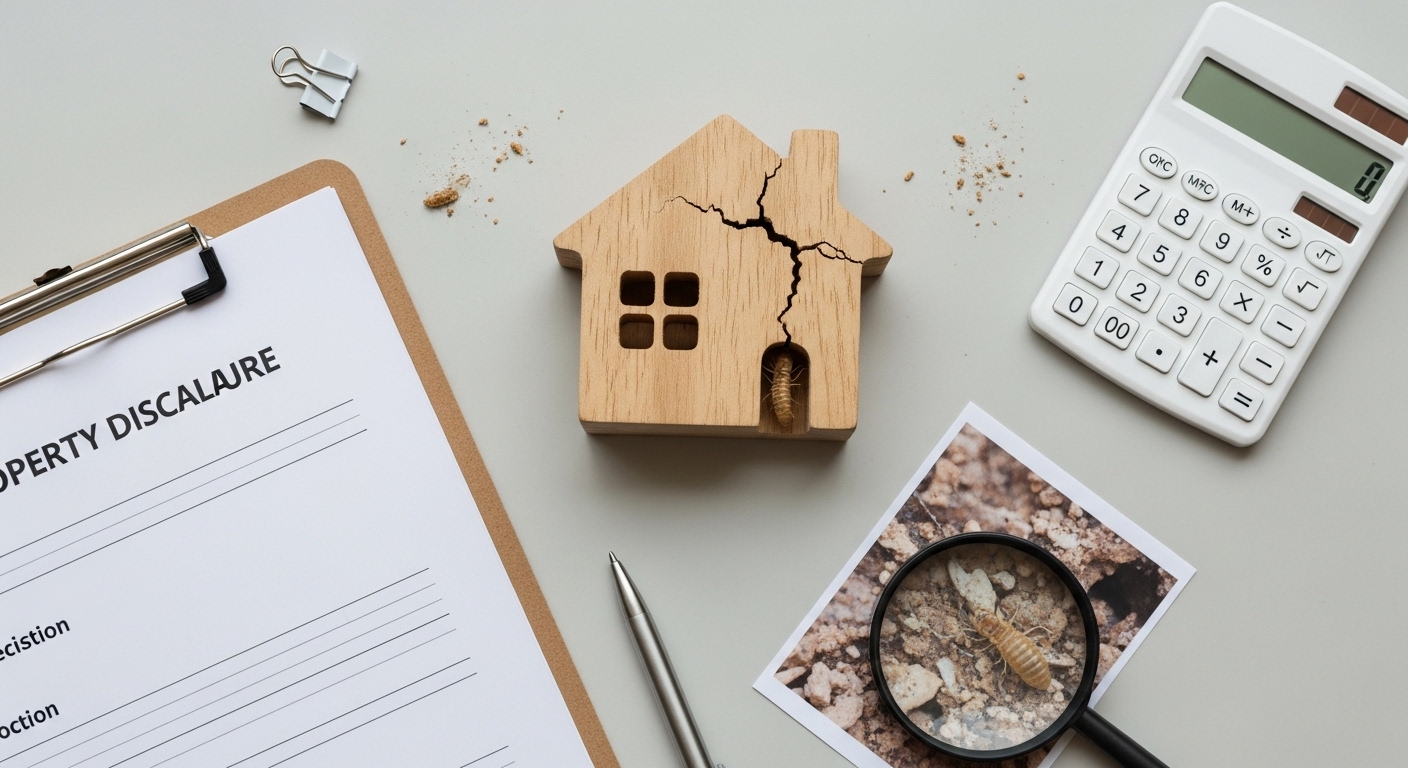
You have real choices here and none of them require you to pretend the damage does not exist. What works best depends on how extensive the damage is, how much money you have available, and how quickly you need to sell.
Option One: Repair First, Then Sell at Full Market Value
If the termite damage is structural, meaning it has affected load-bearing members like floor joists, wall studs, or support beams, repairing it before selling allows you to list at full market value without the property being flagged by lenders as uninhabitable or requiring special financing conditions.
The cost of structural termite repairs varies widely depending on the extent of the damage. Minor repairs might cost a few thousand dollars. Significant structural work can run $10,000 to $50,000 or more. Before you commit to this path, get contractor estimates and weigh them against the expected increase in sale price to make sure the investment makes financial sense.
Option Two: Sell As-Is to a Cash Buyer and Skip the Repairs
This is the option that makes the most sense for sellers who do not have the capital for major repairs, need to sell quickly, or simply do not want the stress of managing a renovation before a sale. Cash buyers who purchase homes as-is are experienced with termite damage. They factor the cost of repairs into their offer and close on the property without requiring you to fix anything first.
Here is how the two main approaches compare for a seller with extensive termite damage:
| Factor | Repair and List Traditionally | Sell As-Is to Cash Buyer |
|---|---|---|
| Pre-sale repair cost | $10,000 to $50,000 or more | None |
| Time to sell | 2 to 6 months | 7 to 21 days |
| Financing complications | Possible lender restrictions | None |
| Disclosure required | Yes | Yes |
| Sale price | Higher gross price | Below market, but no repair cost |
What Cash Buyers Specifically Look for in Termite-Damaged Properties
When a cash buyer evaluates a property with termite damage, they are primarily looking at two things: how much the repairs will cost and whether the home is still structurally safe to work in during the renovation. A home with termite damage to non-structural areas like trim, baseboards, and drywall is an easy situation for most buyers. A home with damage to floor joists or wall framing requires more work but is still very much buyable.
What to Have Ready Before You Contact a Cash Buyer
Before you reach out, get a termite inspection from a licensed pest control company. This report will show exactly where the damage is, whether there is an active infestation, and what treatment is recommended. Cash buyers will ask for this or conduct their own inspection, but having it ready shows you are an organized and transparent seller.
Also pull together any prior treatment records you may have, any warranties from previous pest control companies, and any contractor quotes you may have gotten for the structural work. This information helps the buyer evaluate the property faster, which often leads to faster offers.
According to the U.S. Environmental Protection Agency, termites cause an estimated $5 billion in property damage annually in the United States, making them one of the most common and costly pest issues sellers and buyers encounter. Having a professional inspection report gives all parties a clear, documented picture of the situation.
How to Handle an Active Infestation Before Selling
If the inspection reveals an active infestation, the right move before selling is to have it treated by a licensed pest control company. This typically costs a few hundred to a few thousand dollars depending on the treatment method used. After treatment, you will receive a clearance letter confirming the infestation has been addressed. This document is important for both traditional buyers and their lenders, and it reassures cash buyers that the active problem is resolved.
It is worth noting that treating an active infestation does not fix the structural damage already done. That is a separate issue that needs its own repair or disclosure depending on your selling path.
Protecting Yourself Legally Through the Sale Process
Termite damage is one of the most litigated issues in real estate post-sale disputes. Sellers who handle it correctly from the start protect themselves from claims that can arrive years after closing. The paperwork you create now is your protection later.
What Documents to Gather Before Listing or Approaching Buyers
These are the documents every seller with termite damage should have organized before reaching out to any buyer:
- Professional termite inspection report from a licensed pest control company
- Clearance letter if active infestation has been treated
- Prior treatment records and warranties from previous pest control services
- Contractor estimates for any structural repairs
- Written disclosure forms documenting the known damage and your disclosure to buyers
- Any documentation of repairs already completed with receipts and contractor information
According to the U.S. Consumer Product Safety Commission, structural integrity issues in residential properties, including those caused by pest damage, are among the most important safety disclosures sellers must make to protect both buyers and themselves legally.
The Right Mindset Going Into a Termite Damage Sale
Sellers who try to hide termite damage almost always end up worse off than those who disclose everything upfront. Cash buyers expect imperfect properties. They are priced into it. What they cannot work with is discovering problems after closing that were not disclosed, and that is when disputes get expensive and stressful for everyone involved.
Being open about the damage, having the documentation ready, and letting buyers evaluate honestly is what leads to a clean, fast close. The property has value even with the damage. The right buyer will see that.
If you are also dealing with other property condition issues alongside termite damage, our post on selling a house with old electrical panels covers how to think through as-is sales with multiple issues. And for sellers who want to understand the full as-is selling process, our post on selling your house as-is in the Phoenix metro area walks through what buyers and sellers actually experience from start to finish.
If you are ready to explore a cash offer on your property, visit our residential property page to learn how we work with sellers in all kinds of situations. Or reach out directly through our contact page and we will be in touch quickly.
Conclusion
Selling a house with extensive termite damage is not a dead end. It requires transparency, realistic expectations, and choosing the right type of buyer. If you have the time and money to repair the damage first, a traditional sale can get you a higher gross price. If you need to sell fast or simply do not have the budget for repairs, a cash buyer will purchase the property as-is, handle the repair cost themselves, and close on a timeline that works for you. Disclose everything, get a professional inspection report, and let that documentation guide an honest and clean sale.
Frequently Asked Questions
Do I have to disclose termite damage when selling my home?
Yes, in virtually all states. Termite damage is a material defect and sellers are legally required to disclose known pest damage and infestation history. Failing to disclose can result in post-sale lawsuits from buyers who discover the damage after closing.
Can I sell a house with active termites?
You can sell a house with an active termite infestation, but most traditional lenders will not approve financing on it until the infestation is treated and a clearance letter is obtained. Selling to a cash buyer removes the lender from the equation, but full disclosure of the active infestation is still required.
How much does termite damage repair cost before selling?
The cost ranges widely depending on the extent of the damage. Minor cosmetic repairs might cost a few thousand dollars. Structural repairs involving floor joists, wall framing, or support beams can cost $10,000 to $50,000 or more depending on the scope of the work and local labor costs.
Will a cash buyer purchase a house with termite damage?
Yes. Cash buyers who specialize in as-is purchases regularly buy homes with termite damage. They factor the repair cost into their offer and close without requiring the seller to make any repairs beforehand. Having a professional termite inspection report available speeds up their evaluation.
What is the fastest way to sell a house with termite damage?
The fastest way is to sell directly to a cash buyer who purchases homes as-is. Get a professional termite inspection done, disclose the full findings to the buyer, and let them make an offer based on the property’s current condition. This approach can close in as little as 7 to 21 days without any repair work required from the seller.