
If someone told you your home has knob and tube wiring or aluminum wiring, your first reaction was probably something like, is that as bad as it sounds? Honestly, sometimes it is. But it does not always mean your sale is dead in the water. A lot of homeowners with older electrical systems have sold successfully, and knowing your options is the first step.
What Is Knob and Tube Wiring and Why Do Buyers Care
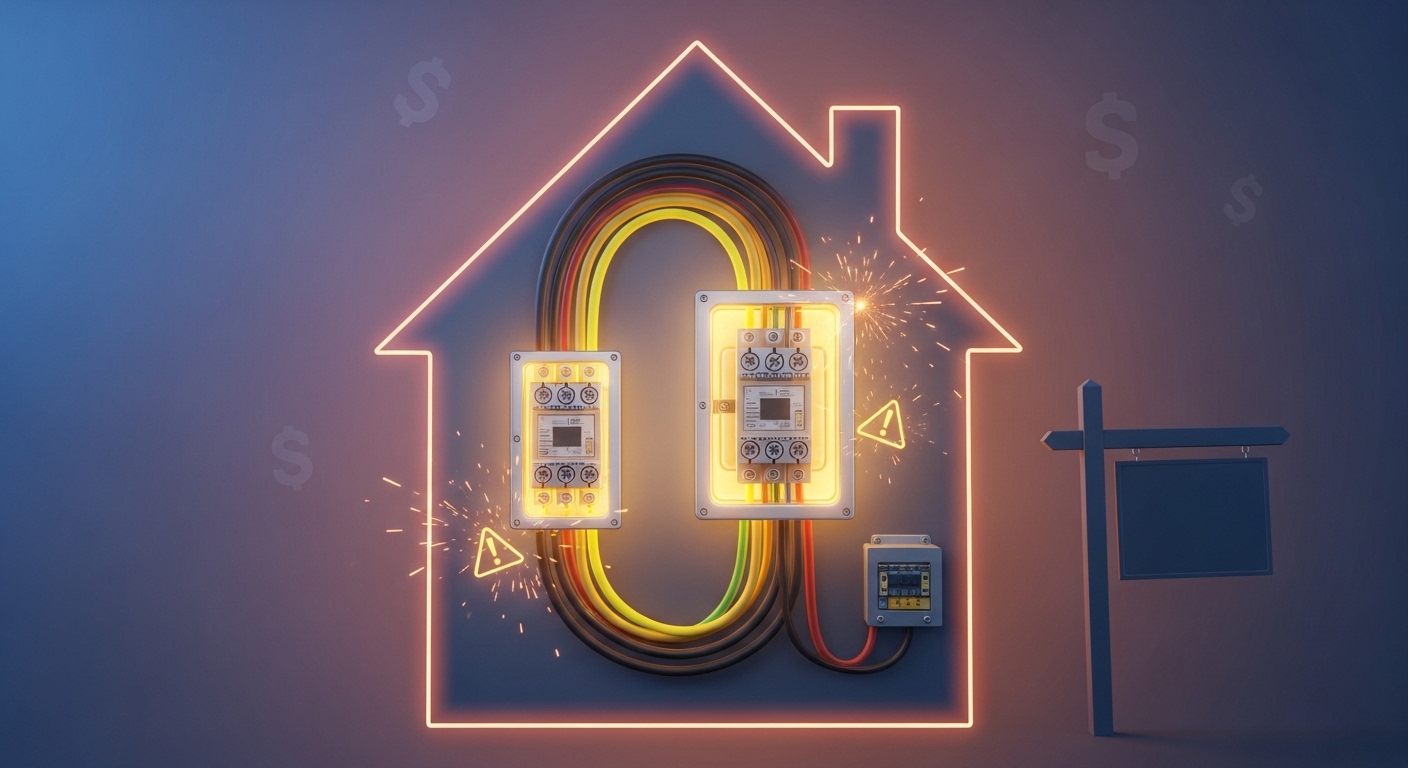
Knob and tube wiring was the standard in homes built before the 1950s. The system uses ceramic knobs and tubes to route electrical wires through walls and floors. At the time, it worked fine. But today it is considered a fire hazard, especially when it has been modified over the decades or covered with insulation it was never meant to touch.
Buyers care because their home insurance company cares. Many insurers flat out refuse to cover a home with active knob and tube wiring. According to the National Fire Protection Association, electrical fires cause billions of dollars in property damage every year in the United States, and older wiring systems are a significant contributing factor.
So when a buyer’s inspector finds knob and tube wiring, the buyer often either walks away or asks for a big price reduction to cover the rewiring cost.
What Is Aluminum Wiring and Is It Really a Problem
Aluminum wiring was used widely in homes built between the mid-1960s and mid-1970s. It was cheaper than copper and seemed like a good solution at the time. The problem is that aluminum expands and contracts more than copper as it heats and cools. Over time, those connections loosen, which creates heat, and heat creates fire risk.
According to the U.S. Consumer Product Safety Commission, homes wired with single-strand aluminum wiring are 55 times more likely to have fire hazard conditions than homes wired with copper. That number alone explains why buyers, agents, and insurers treat aluminum wiring as a serious red flag.
Your Options When You Need to Sell a Home With Old Wiring
Here is where a lot of sellers get stuck. They know the wiring is an issue, but they do not know if they should fix it, disclose it and take a lower price, or just find a buyer who does not care. The honest answer is that all three can work, and the right choice depends on your situation.
Paying to Update the Electrical System Before Listing
The most straightforward option is to hire a licensed electrician and bring the home up to code before you put it on the market. This removes the issue entirely and lets you list at full market value without worrying about buyers walking away over the inspection report.
The downside is cost. A full rewire of an average home can run anywhere from $8,000 to $15,000 or more depending on the size of the home and local labor rates. If you do not have that money sitting around, this option may not be realistic. And even if you do pay for it, you are not guaranteed to get that money back in the sale price.
Here is a quick comparison of your main options:
| Option | Cost to You | Impact on Sale Price | Time Required |
|---|---|---|---|
| Full rewire before listing | $8,000 to $15,000 or more | Maximizes market value | Weeks to months |
| Disclose and offer price reduction | None upfront | Buyer negotiates lower price | Standard listing time |
| Sell as-is to a cash buyer | Nothing | Below market but no repair costs | Days to 2 weeks |
Selling As-Is to a Cash Buyer Who Handles the Wiring Themselves
This is the route a lot of sellers choose when the rewiring cost feels too big or the timeline is too tight. A direct cash home buyer will buy the property in its current condition, old wiring and all. They already factor in the cost of repairs when they make the offer, so there is no back and forth about inspection findings.
You do not need to fix the wiring issue before a cash buyer comes in. They are going to assess the home anyway and price accordingly. What you get in return is speed and certainty. No deal falling apart because a lender or insurer refused to approve the transaction.
If you are already dealing with a complicated sale, our post on selling your house as-is in the Phoenix metro area is worth reading. It covers what sellers can realistically expect when skipping repairs and going directly to a cash buyer.
We also wrote about selling a house with severe pet damage, which has a lot of overlap with this situation because both involve buyers getting scared off by a property issue they did not expect.
What Sellers Should Know About Disclosure Laws
No matter which route you choose, you need to understand your state’s disclosure requirements. In most states, sellers are legally required to disclose known material defects, and outdated electrical wiring qualifies as one. Failing to disclose can open you up to legal problems after the sale is complete.
How Cash Buyers Handle Old Electrical Systems Differently
When you sell to a financed buyer, the lender often requires certain repairs before they will approve the loan. This is where knob and tube wiring gets really complicated. Many lenders will not fund a purchase if the home has active knob and tube wiring. That means even if a buyer loves your home and wants to buy it, their bank can stop the whole deal.
A cash buyer does not have that problem. There is no lender in the picture. The buyer can decide on their own whether the property is worth buying at the offered price, regardless of the electrical panel condition. This is a major reason why sellers with older homes find the cash route so appealing.
According to the U.S. Department of Housing and Urban Development, financing complications are one of the main reasons home sales fall through, and property condition issues are a significant part of that. Removing the lender from the equation removes a major source of risk for the seller.
If you want to talk through your specific situation and get a cash offer on your property, visit our residential property page to see how we work with sellers. Or reach out directly through our contact page and we will get back to you quickly.
Conclusion
Selling a home with knob and tube or aluminum wiring is not impossible. It does require more thought than a typical sale, but there are real paths forward. You can spend the money to update the wiring, you can disclose the issue and negotiate a lower price, or you can skip the traditional market entirely and sell directly to a cash buyer who already knows what they are getting into.
The biggest mistake most sellers make is waiting too long to figure out which path fits their situation. The sooner you know your options, the sooner you can make a move that actually works for you.
Frequently Asked Questions
Can I sell a house that still has knob and tube wiring?
Yes. You can sell a house with knob and tube wiring. However, traditional buyers may struggle to get financing or insurance, which can cause deals to fall through. Selling to a cash buyer is often the easiest path because there is no lender involved.
Do I have to disclose old wiring when selling my home?
In most states, yes. If you know about a material defect like outdated electrical wiring, you are legally required to disclose it. Failing to do so can create legal problems after the sale is complete.
How much does it cost to rewire a home with knob and tube wiring?
The cost of a full rewire varies depending on the size of the home and local electrician rates, but most homeowners spend between $8,000 and $15,000. In some larger or more complex homes, the cost can exceed $20,000.
Will homeowners insurance cover a house with aluminum wiring?
Some insurers will not cover homes with aluminum wiring at all. Others may offer coverage but at a higher premium. This insurance issue often creates problems for buyers who need a standard policy to satisfy their lender’s requirements.
What is the fastest way to sell a house with outdated electrical panels?
The fastest way is to sell directly to a cash buyer who purchases homes as-is. The process can close in as little as 7 to 14 days, and you do not need to make any repairs or upgrades before the sale.