
Finding out your sewer line is broken right before you plan to sell is a gut punch. Repair estimates can be enormous, the timeline to fix it can stretch for weeks, and you still have no idea how much it will actually cost you once they start digging. But here is something most homeowners in this situation do not know: you have more options than you think, and none of them require you to spend your last dollar fixing a pipe before you sell.
How Serious Is a Broken Sewer Line When Selling a Home?
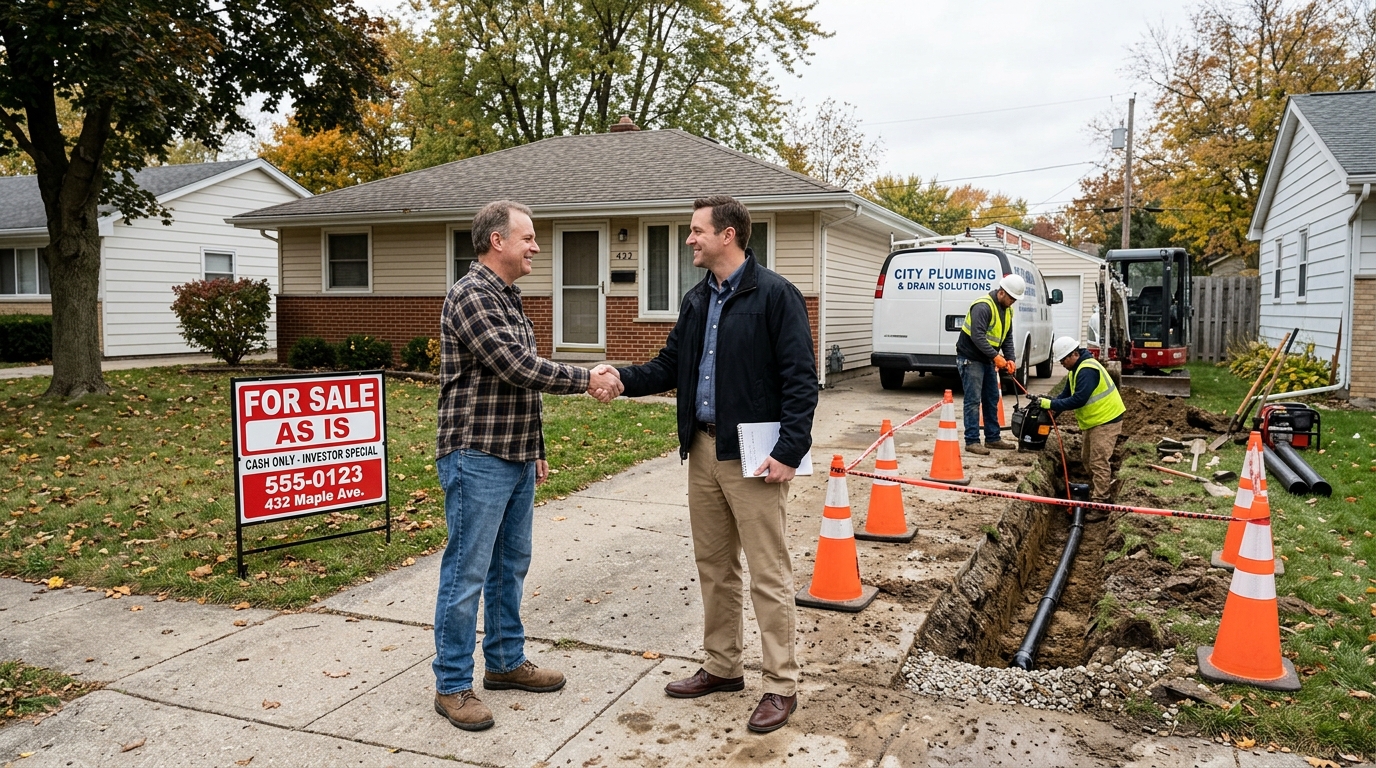
A broken or collapsed sewer line is a material defect. That means in most states you are legally required to disclose it to potential buyers once you know about it. Trying to hide it is not just unethical, it can expose you to serious legal liability after the sale. So the starting point is always the same: disclose what you know.
The bigger question is what you do next. And that is where your choices actually open up.
What Causes Sewer Lines to Break or Collapse?
Sewer lines fail for a lot of reasons, and it is usually not anyone’s fault. Older homes often have clay or cast iron pipes that simply wear out over time. Tree roots are a major culprit in many neighborhoods because they naturally grow toward water sources and can crack or collapse a pipe over years. Ground shifting, heavy soil, and even normal settling of a home’s foundation can put pressure on sewer lines and cause them to break.
Sometimes the problem is isolated to a small section of pipe and the repair is relatively straightforward. Other times the entire main sewer line from the house to the street needs to be replaced, which is a significantly bigger job that requires excavation.
How Much Does Sewer Line Repair Typically Cost?
This is what most sellers want to know first, and the range is honestly wide. A simple sewer line repair on a small section of pipe might cost $3,000 to $5,000. A full sewer line replacement that requires digging up a yard or a driveway can run $10,000 to $25,000 or more. Trenchless sewer repair methods, which are less invasive, fall somewhere in between.
According to the U.S. Environmental Protection Agency (EPA), sewer and plumbing infrastructure issues are among the most significant home repair costs homeowners face, and the cost varies considerably depending on pipe material, depth, and access. Getting multiple quotes before making any decisions is always the smart move.
Your Options When Selling a Home With a Broken Sewer Line
You genuinely have several paths forward here. None of them is right for every situation, but understanding all of them lets you make a decision based on what actually makes sense for you financially and personally.
Option One: Fix the Sewer Line Before You List
This is the path that gives you the most flexibility in terms of who you can sell to and what price you can ask. When the sewer line is repaired and documented with permits and inspections, you can list on the open market without a major defect hanging over the transaction. Buyers using mortgage financing will feel comfortable, and their lenders will not flag the issue during underwriting.
The downside is obvious: you are paying for a repair that may cost tens of thousands of dollars on a property you are trying to leave. If you have the funds and the time, it can be worth it. But for many sellers, especially those dealing with financial pressure or a tight timeline, it simply is not a realistic option.
Option Two: Disclose, Reduce the Price, and List Traditionally
Another path is to disclose the sewer line issue upfront, get a few repair estimates, and reduce your asking price by a corresponding amount. This lets you stay on the market without fixing anything and gives buyers the information they need to make an informed offer.
The challenge here is that many financed buyers will have trouble getting a loan approved on a home with a known major defect. Mortgage lenders often require repairs before approving the loan. So even if a buyer is willing, their bank might not be. You may find that your buyer pool shrinks significantly when you disclose a sewer line problem, which can mean sitting on the market longer than you would like.
Selling As-Is to a Cash Buyer With a Sewer Line Problem
This is the option that works best for many homeowners in this situation. Cash buyers do not need bank approval. They are not subject to the same lender requirements that prevent financed buyers from purchasing homes with major defects. They see the sewer line issue, they factor the repair cost into their offer, and they close on the home without requiring you to fix anything first.
What a Cash Buyer Considers When There Is Sewer Line Damage
A cash investor who buys homes as-is has seen sewer line problems before. They typically bring in their own contractor to get an accurate repair estimate during their due diligence period, and they subtract that cost from what they would otherwise offer for the property. The offer will be lower than what a fully repaired home would bring, but you also save the time, stress, and cost of the repair itself.
When you weigh the repair cost, the time it takes to fix and then sell, and the carrying costs during all of that, a cash offer on the home as-is often ends up being a competitive option. Not always, but often enough that it is worth getting a cash offer to compare against your other choices.
If you want to understand how a cash sale compares to a traditional sale in terms of costs and outcomes, check out this helpful guide on cash buyers vs. traditional home sales. It covers the financial side in a way that makes it easy to compare your real options.
Do You Still Have to Disclose the Sewer Problem in a Cash Sale?
Yes. Disclosure requirements apply regardless of who you sell to or how. Selling to a cash buyer does not exempt you from your legal obligation to disclose known material defects. The difference is that a cash buyer is typically much more comfortable buying a home with disclosed issues, and they will not need to satisfy a lender’s requirements about the condition of the property.
Being upfront about the sewer issue from the very first conversation with a cash buyer actually makes the process go faster. It lets them get the right inspections done quickly and avoids any surprises later that might delay or kill the deal. Honesty upfront is always the right approach, practically speaking and legally.
Comparing Your Selling Options With a Broken Sewer Line
| Option | Repair Required | Timeline | Who Can Buy | Best For |
|---|---|---|---|---|
| Fix sewer line then list | Yes, upfront cost | Repair plus 60 to 90 days | Any buyer including financed | Sellers with time and repair budget |
| Disclose and reduce price | No, buyer handles it | 60 to 90+ days, smaller buyer pool | Cash buyers and some financed | Sellers willing to wait for the right buyer |
| Sell as-is to cash buyer | No, buyer handles it | 7 to 14 days | Cash buyers only | Sellers who need speed or lack repair funds |
According to the U.S. Department of Housing and Urban Development (HUD), sellers are required to disclose known defects that could materially affect the value or desirability of a property, and sewer line issues clearly fall into that category. This applies regardless of your chosen selling method.
If you want to see how we handle homes with issues like sewer line problems, take a look at our article on selling a home with severe damage to understand our as-is buying approach. And when you are ready to get a no-pressure offer, our team is happy to talk. Just reach out through our Contact Us page and we will get back to you fast.
What to Do Right Now If Your Sewer Line Is Broken
If you just found out about a sewer line problem, the first thing to do is get a full assessment from a licensed plumber or sewer specialist. You need to know the actual extent of the damage before you can make any smart decisions. Get at least two or three quotes on the repair so you understand what you are dealing with financially.
Then decide what matters most to you. Is it maximizing your sale price? Is it selling fast without spending more money? Is it minimizing stress and complications? Your answer to that question should guide which option makes the most sense. There is no universally correct path here. It really does depend on your specific situation, your financial position, and your timeline.
The National Association of Realtors notes that homes with disclosed defects can still sell successfully when priced appropriately and marketed to the right buyers. The key is making sure you are in front of buyers who are actually equipped to handle the situation, whether that is a cash investor or a financed buyer who specifically sought out a project property.
What to Bring to the Conversation With a Cash Buyer
When you reach out to a cash buyer about a home with sewer line damage, come prepared with whatever information you already have. If you got a scope inspection done, bring that report. If you got repair estimates, bring those too. The more information you can share upfront, the faster the buyer can give you an accurate offer and the smoother the whole process goes.
You can also check our FAQs page for answers to common questions about our process and what to expect when you work with us on a property that needs significant repairs.
Conclusion
A broken sewer line is a real problem, but it does not have to derail your plans to sell. You have three legitimate options: fix it first, disclose and price accordingly, or sell as-is to a cash buyer who handles the repair themselves. For many sellers, especially those without the budget or time for a major repair, a cash sale is the most practical and financially sensible choice. Get your facts together, understand what the repair would cost, and then make the decision that fits your situation. You have more control here than you might think.
Frequently Asked Questions
Do I have to disclose a broken sewer line when selling my home?
Yes. In most states, you are legally required to disclose known material defects to potential buyers, and a broken sewer line clearly qualifies. Failing to disclose it can expose you to legal liability after the sale, including lawsuits from the buyer. Disclosure is not just the ethical thing to do. It is the legally required thing to do regardless of who you are selling to.
Can I sell my home with a broken sewer line without fixing it?
Yes. You can sell a home with a broken sewer line by disclosing the issue and either reducing your price to reflect the repair cost or selling directly to a cash buyer who purchases as-is. Cash buyers do not need lender approval and are comfortable buying homes with known defects factored into the price.
How much will a broken sewer line reduce my home’s value?
It depends on the cost to repair it. In general, buyers and cash investors will reduce their offer by approximately the cost of the repair, sometimes a bit more to account for the risk and inconvenience of managing the fix. Getting a repair estimate before listing gives you a realistic expectation of how it will affect your offers.
Will a financed buyer be able to purchase my home with a broken sewer line?
It is difficult. Most mortgage lenders require that a home be in livable condition and free of major structural or utility defects before they will approve a loan. A broken sewer line often triggers a repair requirement before the lender will fund the purchase. This is one of the main reasons sellers in this situation often end up working with cash buyers instead.
How fast can I sell a home with sewer line damage to a cash buyer?
Most cash buyers can make an offer within 24 to 48 hours of seeing the property and close within 7 to 14 days. The sewer line issue does not significantly slow down the process because there is no lender involved. The buyer does their own assessment, factors the repair into the offer, and moves forward on their own timeline.