
A lot of people assume a cash sale means zero paperwork. You take the offer, someone hands you money, and that is it. If only it were that simple. The truth is there is still a set of documents you need to sign, and understanding what they are before closing day saves a lot of stress. The good news is that a cash sale has far less paperwork than a traditional sale with a bank involved.
Let me walk you through exactly what you can expect.
The Documents You Sign at the Start of a Cash Sale
The Purchase Agreement Is the Most Important Document
This is the one document that matters most. The purchase agreement or purchase contract is the written agreement between you and the buyer that spells out everything about the deal. That includes the sale price, the closing date, who pays what costs, and any conditions that still need to be met before closing.
In California, most residential sales use the California Association of Realtors Residential Purchase Agreement, also known as the RPA. According to Bankrate’s guide on documents needed to sell a house, this document is central to every sale regardless of whether the buyer is using cash or a mortgage. The only difference with a cash sale is that there is no financing contingency and often no appraisal contingency either, which makes the agreement cleaner and shorter.
Once both sides sign this document, the sale is legally binding. So read it carefully before you put pen to paper.
The Seller Disclosures You Are Required to Provide
California law requires sellers to complete a set of disclosure documents before closing, even in a cash sale. These are not optional. Skipping them can delay the closing or even create legal problems after the sale.
Here are the required disclosure documents you will need to complete as a California seller:
- The Transfer Disclosure Statement lists every known issue with the home including roof leaks, foundation cracks, water damage, and any other material defects
- The Seller Property Questionnaire covers the history of the home such as insurance claims, deaths on the property, and any disputes with neighbors
- The Natural Hazard Disclosure tells the buyer whether the home sits in a fire zone, flood zone, earthquake fault zone, or other hazard area
- The Lead-Based Paint Disclosure is required for any home built before 1978
- The Water Conserving Fixtures Certification confirms that low-flow toilets and showerheads are in place as required by California law
Honestly, these disclosures protect you as much as the buyer. Disclosing a known problem upfront means you cannot be sued for it later.
The Documents You Sign at Closing
The Grant Deed Transfers the Property to the Buyer
The grant deed is the document that officially moves the title of your home from your name to the buyer’s name. It is a short document but it is the legal centerpiece of the whole transaction. Once this is signed, notarized, and recorded with the county, the home belongs to the buyer.
If you cannot find your original property deed, do not worry. Your local county recorder’s office keeps a copy on file. Your escrow or title company can also pull it as part of the closing process.
The Closing Disclosure or Settlement Statement
This document shows every dollar involved in the transaction. The closing disclosure or settlement statement lists the sale price, any fees, any outstanding mortgage payoff, and the exact amount of money you will walk away with after everything is settled.
In a cash sale, this document is usually simpler than in a financed sale because there is no lender involved and fewer fees. According to Lucas Real Estate’s guide to California escrow and title documents, California sellers also need to complete Form 593, the Real Estate Withholding Statement, which is sent to the California Franchise Tax Board. This form calculates any state tax that may be due on the sale. Your escrow officer will typically prepare this form for you.
Here is a quick overview of when each document comes into play during a cash sale:
| Document | When You Sign It | Who Prepares It |
|---|---|---|
| Purchase Agreement | At the start, when you accept the offer | Buyer or buyer’s agent |
| Transfer Disclosure Statement | Shortly after accepting the offer | Seller fills it out |
| Seller Property Questionnaire | Shortly after accepting the offer | Seller fills it out |
| Natural Hazard Disclosure | Early in escrow | Third-party hazard company |
| Grant Deed | At closing | Title company |
| Settlement Statement | At closing | Escrow officer |
| Form 593 (CA Tax Withholding) | At closing | Escrow officer |
How a Cash Sale Reduces the Paperwork Load
No Lender Means No Loan Documents
In a traditional sale, the buyer’s lender adds a whole extra layer of documents to the process. The buyer has to sign loan applications, mortgage disclosures, promissory notes, and a stack of other bank paperwork. All of that adds time and complexity.
With a cash sale, that entire pile disappears. There is no lender, no appraisal required by a bank, and no mortgage-related documents to deal with. The escrow process is cleaner and faster, which is one of the reasons cash sales can close in seven to ten days instead of thirty to sixty.
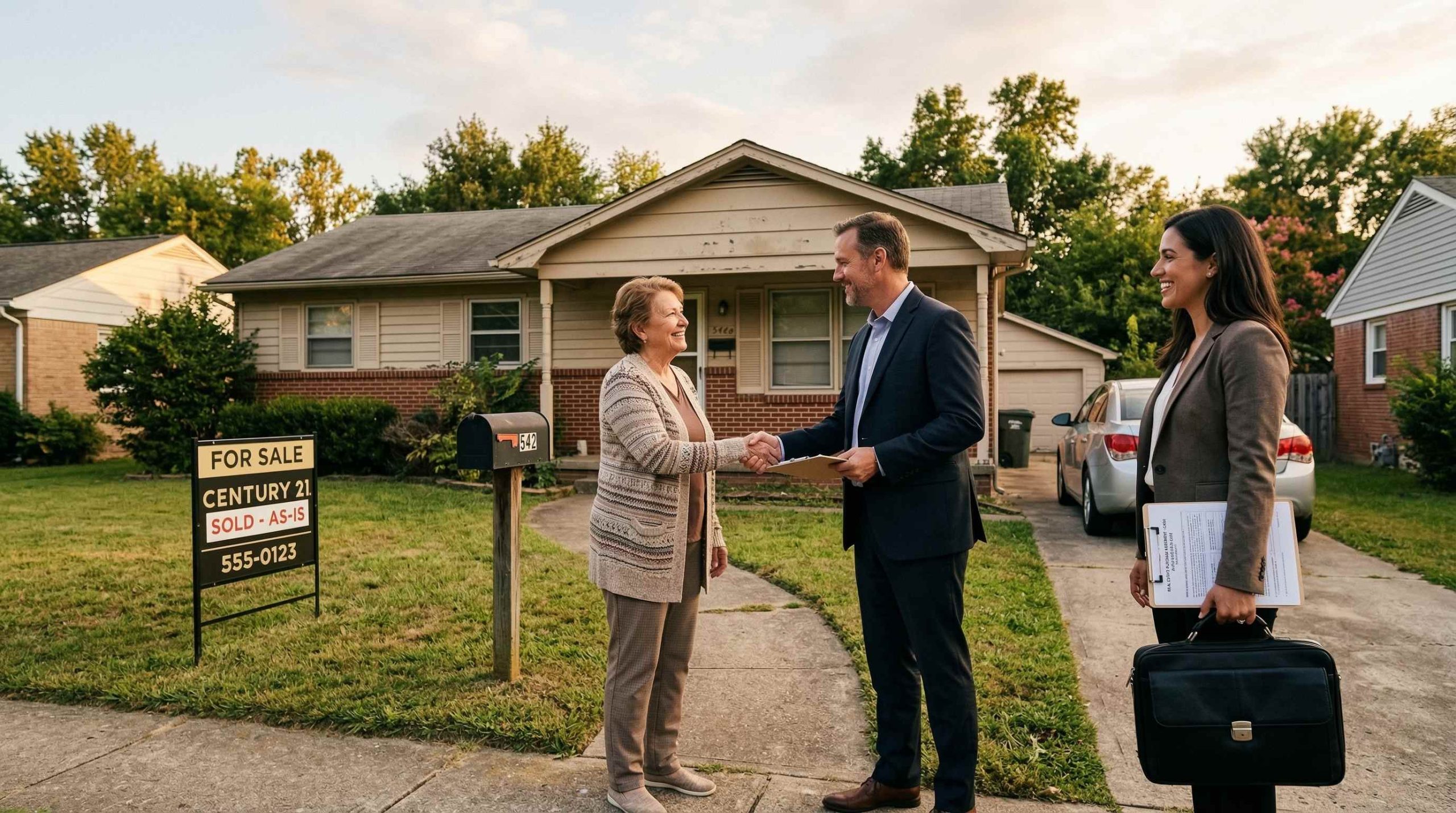
I have talked to sellers who expected the paperwork to be the worst part of their cash sale and then were genuinely surprised by how smooth it felt. When you are not waiting on a bank to approve anything, closing day is mostly just signing a few forms and collecting your money.
What Happens to Your Documents After Closing
Do not throw away your closing paperwork after the sale is done. According to Bankrate, you should keep your closing documents for tax purposes, especially the settlement statement and any records of home improvements. These documents help calculate your capital gains if the IRS ever questions the sale.
As a general rule, keep all real estate documents for at least six years after the sale.
How We Handle the Paperwork at Buy Your Properties
We Take Care of It So You Do Not Have To
We handle every step of the paperwork process for our sellers. Our team prepares the purchase agreement, coordinates with the title and escrow company, and walks you through every document before you sign anything. You will never be handed a stack of papers and told to figure it out on your own.
If you want to see what the rest of the closing process looks like beyond the paperwork, our post on what happens during a 15 minute home walkthrough covers the in-person visit step by step.
And if you have been wondering what we actually pay for homes and whether the number we offer is honest, our post on how we provide fair market value while paying cash breaks that down for you.
When you are ready to get started, reach out through our contact page. We will make you an offer and walk you through every document from there.
Conclusion
A cash sale does not eliminate paperwork, but it does reduce it significantly. You still need to sign a purchase agreement and complete the required California disclosures. At closing you will sign the grant deed and the settlement statement. The whole process is much simpler than a financed sale because there is no bank involved. If you work with a reputable cash buyer, they will prepare and explain every document for you so you always know what you are signing and why.
Frequently Asked Questions
Do I need an attorney to handle the paperwork in a California cash sale?
California does not require a real estate attorney for a cash sale. Most sellers use a title and escrow company to manage the closing documents. That said, if the sale involves any complicated circumstances like a probate property or liens, having an attorney review the paperwork is worth doing.
What is the Transfer Disclosure Statement and do I have to fill it out?
Yes. The Transfer Disclosure Statement is required by California law for almost all home sales, including cash sales. It is a form where you list every known problem with the property. Completing it honestly protects you from legal claims after the sale is finished.
How long does the paperwork process take in a cash sale?
From the time you accept an offer to the day you sign the closing documents, a typical California cash sale takes seven to fourteen days. The disclosures are completed in the first few days after accepting the offer and the closing documents are signed on the final day.
Will I get copies of everything I sign?
Yes. You should receive a copy of every document you sign, including the purchase agreement, all disclosures, the grant deed, and the settlement statement. Keep all of these for your records.
What happens to my mortgage payoff in a cash sale?
If you still owe money on your home, the escrow company pays off your existing mortgage at closing using the buyer’s payment. You receive whatever is left over after the payoff and any closing costs. This happens automatically and is shown on your settlement statement.