
Pricing your home wrong can cost you thousands of dollars — or leave it sitting on the market for months. The right listing price is not just a number. It is the key that opens the door to a fast, profitable home sale. I’ve seen sellers pick a number they “felt” was right and end up cutting the price three times before finally getting an offer. Don’t let that be you.
What Is a Listing Price and Why Does It Matter?
A listing price is the price you put on your home when you first post it for sale. It shows up on real estate websites, the MLS (Multiple Listing Service), and in all your marketing. Think of it like the price tag in a store window — it’s the first thing buyers see.
If the price is too high, buyers skip your home. If it’s too low, you lose money. Getting it just right means more showings, more offers, and a better final sale price. According to the National Association of REALTORS® (NAR), factors like your home’s size, location, condition, and current market conditions all play a big role in finding that right number.
How Buyers React to Your Listing Price
Most buyers search for homes within a price range. If your home is listed at $510,000, buyers searching between $400,000–$500,000 will never even see it — even though the real difference is tiny. A smart trick is to price just below a round number, like $499,900 instead of $500,000. It feels cheaper and shows up in more searches.
Buyers also watch days on market. If your home sits unsold for too long, they start to wonder what’s wrong with it — even if nothing is. A good price from day one keeps your listing fresh and attractive.
What Happens If You Price Too High?
Pricing too high is one of the most common mistakes sellers make. I’ve watched homeowners hold out for a high price, only to eventually sell for less than they would have gotten with a competitive price upfront. It’s painful to watch.
When your price is too high, buyers don’t even bother scheduling a showing. Your home gets ignored. After weeks with no offers, you cut the price — and now buyers think something is wrong. That makes them offer even lower. The first week on market is your most powerful time. Don’t waste it on an inflated price.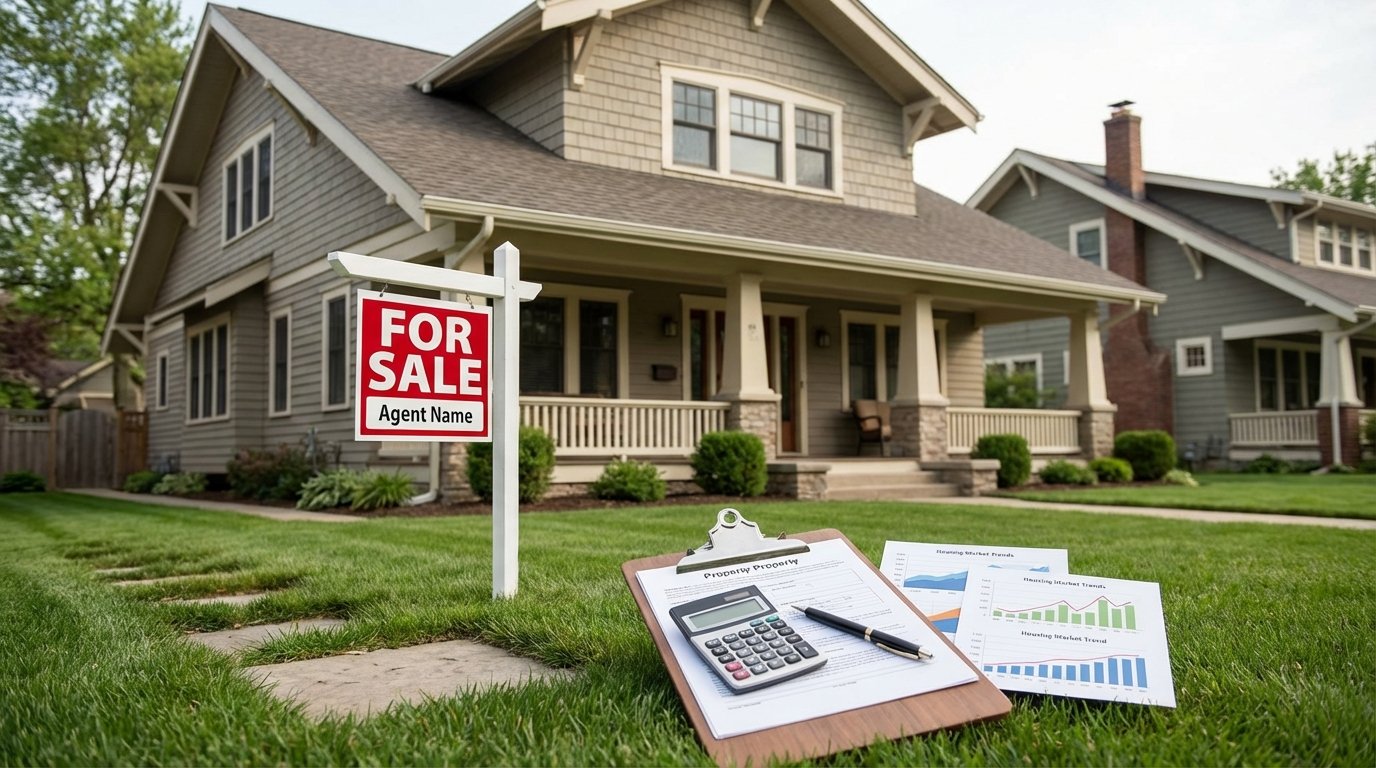
Key Factors That Determine the Right Listing Price
There’s no magic formula, but there are clear factors that every smart seller looks at. These give you a real picture of what your home is worth in today’s market.
Using Comparable Sales (Comps) the Right Way
Comparable sales, or “comps,” are homes similar to yours that sold recently nearby. Your agent uses these to build a Comparative Market Analysis (CMA). This shows you what buyers actually paid — not what sellers hoped to get.
Good comps match your home’s size, number of bedrooms and bathrooms, condition, and location. They should be within the last 3–6 months, since the market changes fast. If your neighborhood had a home sell for $450,000 last month, that’s a strong signal of what buyers will pay for a similar home today.
Understanding what drives property value appreciation can also help you see why your home might be worth more — or less — than you expect.
How Location and Home Condition Affect Your Price
Location is everything in real estate. A home on a quiet cul-de-sac will sell for more than a similar home on a busy road. Proximity to good schools, parks, grocery stores, and public transit all add value. Research shows that school districts have a major impact on home resale value — something buyers think about a lot.
The condition of your home matters just as much. A freshly painted house with clean carpets, updated fixtures, and a well-kept yard can command a higher asking price. Small repairs — like fixing leaky faucets or patching holes in walls — can make a big difference. Appraisers and buyers both notice these details.
Steps to Set the Perfect Listing Price
Now let’s walk through a simple, step-by-step process you can actually use. These are the same steps real estate professionals use every day.
Step-by-Step Guide to Pricing Your Home
- Get a CMA from your agent: This compares your home to recent sales in your area and gives you a realistic price range.
- Check active listings: See what similar homes are listed at right now. These are your direct competition.
- Consider your timeline: Need to sell fast? Price at or slightly below market value. More time? You can test a higher price first.
- Adjust for upgrades: New kitchen, updated bathrooms, new roof? These add value — but not always dollar-for-dollar.
- Think like a buyer: Search for your own home online as if you were buying. Does your price feel right compared to what else is available?
- Watch the market weekly: Home prices can shift fast. Stay updated and be ready to adjust.
According to HomeLight’s research on listing prices, the most important step is getting maximum visibility to the right buyers from day one. A well-priced home attracts more showings, which leads to more offers — and often a higher final sale price.
Should You Get a Pre-Listing Home Appraisal?
A pre-listing home appraisal is when you hire a professional appraiser before you list your home. They give you an official value based on your home’s condition, size, and recent sales nearby. It costs a few hundred dollars but can save you from guessing.
This is especially helpful if your home is unusual — like a large rural property, a historic home, or one with a custom build. These homes are harder to price using standard comps. An appraisal gives you a solid starting point.
Pricing Strategies That Work in Today’s Market
Every market is a little different. What works in a hot seller’s market may not work in a slower buyer’s market. Here’s a look at the main pricing strategies sellers use and when each one makes sense.
Competitive Pricing vs. Premium Pricing
| Strategy | Best For | Risk | Potential Reward |
|---|---|---|---|
| Competitive Pricing (at market value) | Most sellers in most markets | Low — attracts serious buyers fast | Multiple offers, quick sale |
| Slightly Below Market | Sellers who want fast sale | May leave some money on table | Bidding war, sell above asking |
| Premium Pricing (above market) | Unique homes, luxury properties | High — may sit on market | Higher profit if right buyer found |
| Price Reduction Strategy | Overpriced listings that didn’t sell | Stigma of sitting on market | Renewed interest after price cut |
Honestly, most sellers do best with competitive pricing. The goal is to get multiple buyers interested at once. That’s when you get the best offers — sometimes even above your asking price.
How Seasonality and Market Conditions Impact Pricing
Spring and summer are the busiest seasons for home buying. Families want to move before the school year starts, and more buyers are out shopping. This means you can often price a bit higher in spring and still get strong offers.
In fall and winter, buyer activity slows down. Fewer people are looking, so you may need to price more competitively to attract attention. According to NAR’s Existing Home Sales data, market inventory and buyer demand shift throughout the year — and your price should reflect that timing.
If you want to get your home sold fast and for the right price, our team is ready to help. See how our cash home buying process works — it’s simple, fast, and stress-free.
Conclusion
Setting the right listing price takes research, honesty, and a little strategy. Don’t price based on emotion or what you need to pay off debt — price based on what the market says your home is worth. Use comps, get professional advice, and stay flexible. The right price on day one is your best shot at a fast, profitable sale. Ready to take the next step? Contact us today and let our experts help you price your home perfectly.
Frequently Asked Questions
How do I know if my listing price is too high?
If your home has been on the market for more than 2–3 weeks with few showings and no offers, it’s likely priced too high. Watch buyer feedback from showings and compare your price to recent sales nearby.
Can I change my listing price after my home is listed?
Yes, you can reduce or change your listing price at any time. However, frequent price drops can signal to buyers that something is wrong. It’s better to get the price right from the start.
What is a Comparative Market Analysis (CMA)?
A CMA is a report prepared by a real estate agent that compares your home to similar homes that recently sold in your area. It helps you understand what buyers are willing to pay and sets a realistic listing price range.
Does home staging affect my listing price?
Staging doesn’t change your home’s value directly, but it helps buyers see the home’s potential. A well-staged home often sells faster and attracts stronger offers, which can effectively raise your net sale price.
Should I price my home higher to leave room for negotiation?
In most cases, no. Overpricing to leave negotiation room often backfires because buyers simply won’t visit homes they see as overpriced. A fair, competitive price attracts more buyers — and more buyers mean better offers.