
What Is Mobile Home Park Investing and Why People Are Doing It
If you’ve been looking for a real estate investment that actually makes money without costing a fortune, mobile home park investing might surprise you. It’s one of the most talked-about affordable housing investments right now — and for good reason.
You buy the land. Tenants own their homes and pay you lot rent every month. You collect steady income, and you’re not stuck fixing broken pipes at 2 a.m. Sounds pretty good, right?
I’ll be honest — when I first heard about this, I thought it was too good to be true. But the numbers don’t lie.
How the Mobile Home Park Business Model Works
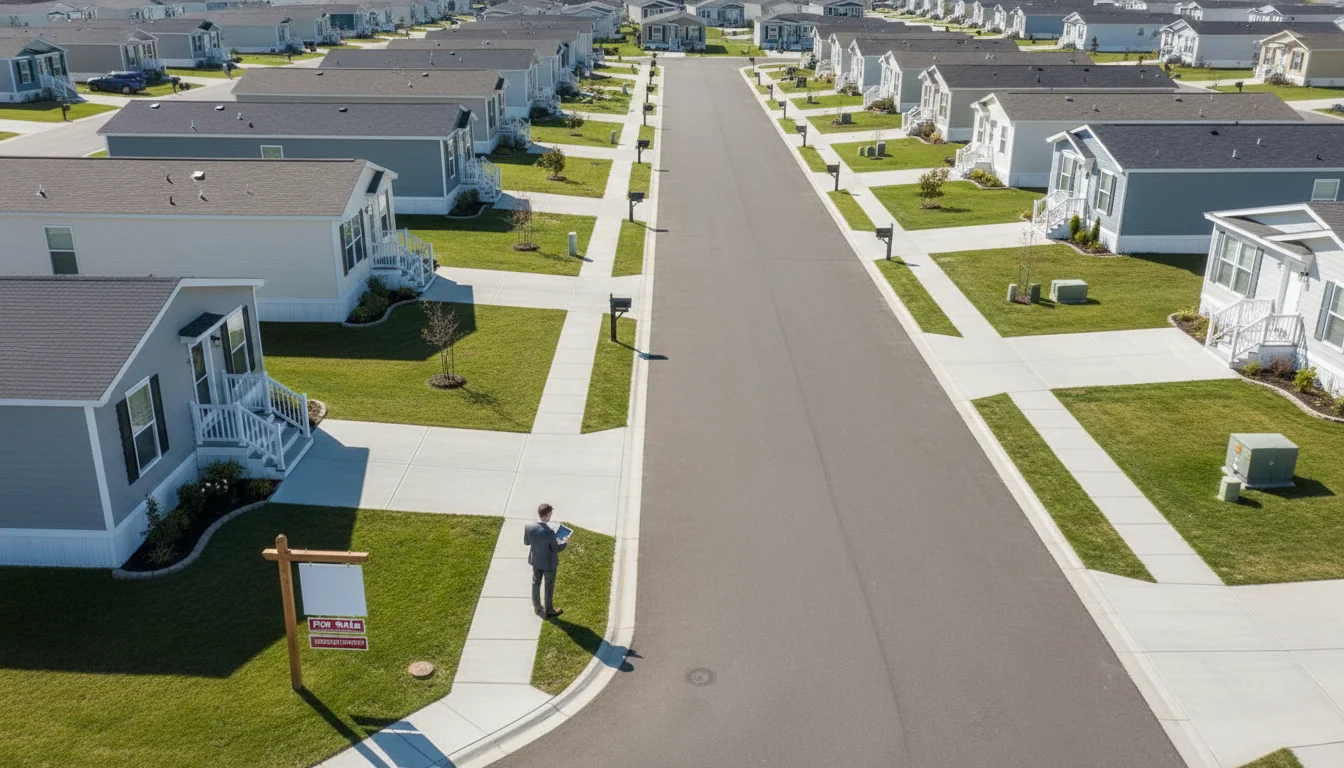
Here’s the basic idea: you own the land inside a manufactured housing community. Residents park their homes on your lots and pay you monthly lot rent, which typically runs between $300 and $800 per lot, according to MHInsider’s 2025 industry trends report.
Since tenants own their own homes, moving a mobile home costs thousands of dollars. That means they don’t leave easily. Low turnover = stable cash flow. It’s one of the biggest advantages this asset class has over regular rentals.
The operating expense ratio for manufactured home communities (MHCs) typically runs 35–40%, much lower than multifamily apartments. That means more money in your pocket from every dollar collected.
Is Investing in Mobile Home Parks a Good Idea in 2025?
Well, when Warren Buffett’s Berkshire Hathaway bought Clayton Homes for $1.7 billion, and Blackstone started acquiring mobile home parks across the country, that tells you something. These aren’t small-time investors guessing.
According to the Manufactured Housing Institute, U.S. manufacturers shipped 103,314 units in 2024 — a 15.9% increase from the year before. More homes = more demand for park space.
The average new manufactured home cost just $109,400 in 2024, compared to traditional homes at $356,000+. When people can’t afford regular housing, they come to mobile home parks. That demand doesn’t go away in a recession — it usually gets stronger.
Key Benefits of Investing in Mobile Home Parks
Let me walk you through the real advantages that make this investment type so attractive. I’ve broken them into the ones that matter most to new investors.
Strong Cash Flow and High Cap Rates
Cap rates for mobile home parks typically range from 5% to 10%+, depending on the quality and location of the park. Institutional-grade parks in strong markets trade at 5–6% cap rates. Value-add parks often land in the 7–9% range.
Compare that to apartment buildings, where cap rates often hover around 4–5% in competitive markets. The math clearly favors mobile home parks for yield-focused investors.
Here’s a quick look at how different park types compare:
| Park Type | Typical Cap Rate | Risk Level | Best For |
|---|---|---|---|
| Institutional-grade (prime markets) | 5–6% | Low | Passive investors |
| Value-add parks | 7–9% | Medium | Hands-on investors |
| Distressed / turnaround parks | 9–12%+ | High | Experienced operators |
| Rural / tertiary markets | 7.5–9%+ | Medium-High | Deal hunters |
Mobile home parks also have lower maintenance costs because tenants handle their own home repairs. You’re only responsible for roads, utilities infrastructure, and common areas.
Recession-Resistant Demand for Affordable Housing
I have a friend who owns two small apartment complexes. During tough economic times, he struggles with vacancies because tenants downsize. Mobile home park owners? They often see demand go up when the economy slows down.
When people lose jobs or take pay cuts, they look for cheaper housing. Mobile homes fill that gap. The National Low Income Housing Coalition’s 2025 Gap Report found a shortage of 7.1 million affordable rental homes for extremely low-income households in the U.S. That gap isn’t closing anytime soon.
According to REIT data from Q1 2025, major manufactured housing operators like Sun Communities maintained occupancy rates of 97.3%. That’s nearly full occupancy — numbers that apartment building owners dream about.
Risks You Need to Know Before You Invest
No investment is perfect. And if someone tells you mobile home park investing has no downsides, walk away. Here are the real risks you need to plan for.
Infrastructure and Utility Challenges
Older parks can come with aging pipes, septic systems, and electrical setups that need serious work. If the park uses private utilities (water and sewer) rather than city connections, repairs fall on you — and they’re not cheap.
Before buying any park, here’s what you must check:
- Water and sewer system type (city/county vs. private well and septic)
- Age and condition of roads and underground lines
- Electrical infrastructure — is it master-metered or individually metered?
- Condition of common areas and amenities
- Deferred maintenance that the seller may have ignored
- Environmental issues like old underground storage tanks
The funny part is, most new investors focus on the income numbers and forget to dig into infrastructure. That’s where deals go wrong.
Financing Hurdles and Regulatory Risks
Getting a loan for a mobile home park is harder than financing a regular home. Most banks treat these as commercial properties, which means higher down payments (20–30%) and stricter underwriting.
On the regulatory side, some states are exploring rent control laws for manufactured housing communities. Long-term owners should watch these trends carefully. A handful of states have already passed tenant protections that limit how much lot rent can increase annually.
If you’re new to real estate investing and want a broader look at property ownership structures, our guide on mobile home vs modular home differences is a great starting point. Understanding the difference matters when you’re evaluating a park’s tenant base.
How to Find and Evaluate a Mobile Home Park Deal
Finding good deals takes work. Most mobile home parks aren’t listed on the MLS. They trade off-market through brokers who specialize in this niche, direct mail campaigns, or word of mouth in investor circles.
What to Look for in a Mobile Home Park Investment
When I first started researching mobile home parks, I was overwhelmed by all the variables. Over time, I learned to focus on the fundamentals:
Location matters most. Parks near jobs, schools, and services have lower vacancy and stronger demand. Parks in shrinking rural towns can be tough to fill.
City utilities are gold. A park on city water and sewer is far safer than one on a private well and septic. Fewer surprises, lower long-term risk.
Lot count and occupancy. You want to see how many lots are filled vs. vacant. A 70% occupied park has more upside — but also more risk to stabilize.
Below-market rents. If lot rents are well below the market average, there’s room to raise them over time and grow your income without adding new lots.
According to data published on Manufactured Home Pro News, 2025 cap rates for manufactured housing communities are averaging around 5.9%, down from 6.3% in late 2024 — showing that smart money is moving in and compressing yields in top markets. That makes finding value-add deals more important than ever.
Understanding NOI and Valuation
The most common way to value a mobile home park is through the income approach using Net Operating Income (NOI). Here’s the simple formula:
Value = NOI ÷ Cap Rate
So if a park generates $150,000 in annual NOI and you’re buying at an 8% cap rate, the value is $1,875,000. If you can raise rents and lower expenses to push NOI to $200,000, the same cap rate gives you a value of $2,500,000. That’s how value gets created.
To understand more about how property values and liens can affect your investment, read our post on property lien searches — something every investor should do before closing a deal.
Mobile Home Park REITs vs. Direct Ownership
Not everyone wants to own a park directly. That’s totally fair. If you want exposure to this asset class without the management headache, manufactured housing REITs are worth exploring.
Top Manufactured Housing REITs to Know
The biggest publicly traded players in this space are Sun Communities, Equity LifeStyle Properties (ELS), UMH Properties, and Flagship Communities REIT. In Q4 2024, these companies showed strong performance with lot rent growth of 4.8–8.2% and NOI increases across the board.
The upside of REITs: you can invest with much less capital, stay liquid, and let professionals manage the parks. The downside: you lose control, pay management fees (built into the stock price), and can’t use the tax advantages that direct owners enjoy, like depreciation deductions.
If you decide to invest directly and need help understanding the full buying and closing process, our post on the escrow process step by step will walk you through what happens after you find a deal.
Tax Benefits of Mobile Home Park Investing
One often-overlooked advantage: mobile home park investors can benefit from bonus depreciation on land improvements like roads and utilities, which depreciate over 15 years rather than the standard 27.5 years for residential property.
That faster depreciation can create paper losses that offset your taxable income, making these investments especially powerful for people in higher tax brackets. Always talk to a CPA who understands real estate before you invest, of course.
Getting Started With Mobile Home Park Investing
If you’re ready to explore this seriously, here are some practical next steps:
- Start learning: Read books, listen to podcasts, and connect with operators in the space before spending a dollar
- Define your market: Focus on 1–3 geographic areas where you understand local housing demand
- Build your team: Find a commercial real estate attorney, CPA, and inspector who have worked with MHCs
- Underwrite conservatively: Always stress-test your numbers — assume 10% vacancy even if the park is currently full
- Start small: A park with 30–50 lots is a manageable starting point for most new investors
- Network with brokers: Off-market deals are common in this niche — relationships open doors
If you want help thinking through your options or have questions about a specific property, get in touch with our team and we’ll be happy to assist.
Conclusion: Is Mobile Home Park Investing Right for You?
Mobile home park investing is not a get-rich-quick scheme. It takes research, patience, and a willingness to learn a niche market. But the fundamentals are strong: high demand for affordable housing, low tenant turnover, solid cap rates, and recession-resistant cash flow.
Whether you go the direct ownership route or start with a REIT, this asset class deserves a serious look in 2025 and beyond. The big institutional players have already figured that out. Now it’s your turn.
Have questions about your first mobile home park deal? Or are you already investing in this space? I’d love to hear your experience in the comments below.
Frequently Asked Questions
How much money do I need to invest in a mobile home park?
Most small parks sell for $500,000 to $3 million. Lenders typically require a 20–30% down payment for commercial loans. That means you might need $100,000–$600,000+ in cash depending on the deal size. Some investors use seller financing or partnerships to reduce the cash needed upfront.
Do mobile home park owners make a lot of money?
Yes, many do — especially in well-located parks with below-market rents. A 50-lot park charging $500/month per lot generates $300,000 in gross income annually. After a 35–40% expense ratio, that’s $180,000–$195,000 in net operating income before debt service. Returns vary widely based on location, management, and purchase price.
What are the biggest risks of investing in mobile home parks?
The top risks include: aging infrastructure (especially private utilities), regulatory changes like rent control, difficulty getting financing, park closures due to zoning changes, and buying a park with problem tenants or deferred maintenance. Thorough due diligence and professional inspections reduce these risks significantly.
Is it better to own the land or just the homes in a mobile home park?
Most experts strongly prefer owning the land. When you own the land and lease lots to tenants, your operating costs are minimal since tenants maintain their own homes. Owning the actual mobile home units means you’re responsible for repairs, vacancies in the physical structure, and more complex management.
Can I invest in mobile home parks without buying one outright?
Yes. You can invest through publicly traded manufactured housing REITs like Sun Communities or Equity LifeStyle Properties, which require no minimum investment beyond a single share. You can also invest passively through real estate syndications that pool investor capital to buy parks. Both options give you exposure without direct ownership responsibilities.