
Selling or buying a home in Los Angeles can feel like riding a roller coaster, exciting, fast, and full of surprises. One of the biggest questions people ask is: how long does this whole thing actually take? The answer might surprise you. LA has its own rules, and if you don’t know them, you could end up stressed, confused, and waiting way longer than you expected.
Why Los Angeles Closing Timelines Are Different
Honestly, LA is not like most other cities. When I first learned about California’s escrow process, I thought it was just like any other state. Spoiler, it’s not.
In California, the official closing date is not the day you sign your loan papers. It’s actually the day the deed is recorded with the County Clerk. That one extra step adds 1–2 business days to every deal. So if you plan to move on signing day, you’ll be sitting on the floor with no keys. Trust me, many buyers make this mistake.
LA also has mandatory seller disclosures, strict escrow company rules, and high home prices, all of which make the process take a bit longer than states like Texas or Florida.
What Is the Average Closing Timeline in LA?
The average time to sell a house in Los Angeles is 92 days, which accounts for 57 days on the market and 35 days to close the offer with a buyer.
But wait, that’s not the whole picture. The closing period alone (after an offer is accepted) usually runs 30–45 days. In Los Angeles, most home sales take about 30–45 days from offer to close. After you sign the closing documents, it usually takes 1–2 more business days before you get your keys.
So the full journey, from listing your home to handing over the keys, is closer to 3 months for most people.
The Step-by-Step Closing Process in Los Angeles
From Offer Acceptance to Escrow Opening
Once a buyer and seller agree on a price, the clock starts ticking. The first thing that happens is that escrow opens. An escrow company is a neutral third party, they hold the money and all the paperwork until everything is done and everyone is happy.
Right after escrow opens, the buyer usually has a few days to put down earnest money. This is a deposit that shows they’re serious. In LA, this is often 1–3% of the home price. On a $900,000 home, that’s $9,000–$27,000.
This phase usually takes 1–5 days. It sounds simple, but getting the right escrow officer matters a lot. A slow or disorganized escrow team can delay your whole deal.
Inspections, Appraisals, and the Loan Finalization Phase
This is the part where most delays happen. I’ve seen deals fall apart here more than anywhere else in the process.
The buyer will schedule a home inspection, usually within the first 10–17 days of escrow. The inspector checks the roof, plumbing, electrical, foundation, and everything. In older LA homes, this can take 3–4 hours.
Then comes the appraisal. The lender sends an appraiser to make sure the home is worth what the buyer is paying. In a competitive market like Los Angeles, one of the most common snags is the appraisal gap, when the bank’s appraiser decides the home is worth less than the price agreed upon. This forces buyers and sellers to renegotiate, or the buyer covers the difference out of pocket.
After inspections and the appraisal are done, the lender finalizes the loan. This takes another 1–2 weeks. The buyer will get a Closing Disclosure at least 3 business days before signing; this is required by law.

Key Factors That Affect Your Closing Timeline
Cash Sales vs. Financed Sales
This is where timelines split into two very different paths.
If you’re selling your house to a cash home buyer, you can expect to close in as little as 7–14 days. No lender. No appraisal wait. No loan approval drama. Just a clean, fast deal.
A financed sale, on the other hand, takes much longer. The buyer needs loan approval, the appraisal must come back, and the lender has to review everything carefully. This is why the escrow period for financed deals is usually 30–45 days, sometimes longer if there are problems.
If speed is your top priority, a cash offer is almost always faster. But cash buyers often offer less than market value, sometimes 10–30% less. So you trade speed for price.
How Market Conditions Impact Your Timeline
The LA real estate market moves fast, especially in hot neighborhoods like Silver Lake, Venice, West Hollywood, and Culver City.
Los Angeles sees multiple-offer situations in 60–80% of transactions in desirable areas. When buyers compete hard, deals close faster because everyone is motivated. In slower markets, homes sit longer and negotiations drag on.
Timing also matters. Late March up to early July are considered the home-selling months in LA, you can sell faster and earn higher sale proceeds during this time. If you list in winter, expect a longer wait.
Common Reasons Closing Gets Delayed in LA
Most delays are predictable and avoidable. Here’s what slows things down most often:
- Low appraisal: When the appraised value comes in below the agreed price, buyers and sellers must renegotiate, which can add days or even weeks.
- Loan approval issues, A buyer’s financial situation changes, or documents go missing, and the lender puts the brakes on everything.
- Title problems, Old liens, unclear ownership history, or unpaid property taxes can freeze escrow until they’re resolved.
- Inspection negotiations. If the buyer finds big problems during the home inspection, they may ask for repairs or price cuts, which takes time to settle.
- Missing paperwork, California requires many disclosures. If any are missing or unsigned, escrow cannot close.
- County recording delays, LA County records deeds the business day after signing. If you sign late in the day, the recording might push to the next day.
Los Angeles Closing Timeline at a Glance
Here’s a simple breakdown of what typically happens and when during a standard financed home sale in LA:
| Phase | Timeline | What Happens |
| Offer Accepted & Escrow Opens | Day 1–3 | Earnest money deposited, escrow company assigned |
| Home Inspection | Day 5–17 | Buyer inspects the property, requests repairs or credits |
| Appraisal | Day 10–20 | The lender orders an appraisal to verify the home value |
| Loan Approval & Underwriting | Day 15–30 | Lender reviews all documents and finalizes the loan |
| Final Walkthrough | Day 28–30 (within 5 days of close) | Buyer checks the property condition one last time |
| Loan Document Signing | Day 30–32 | Buyer signs all loan docs at escrow or title office |
| Lender Funding | Same or next business day | Lender releases funds to escrow |
| Deed Recording | Next business day after funding | LA County records the deed, and ownership officially transfers |
| Keys Handed Over | 1–2 days after signing | Buyer gets the keys once the recording is confirmed |
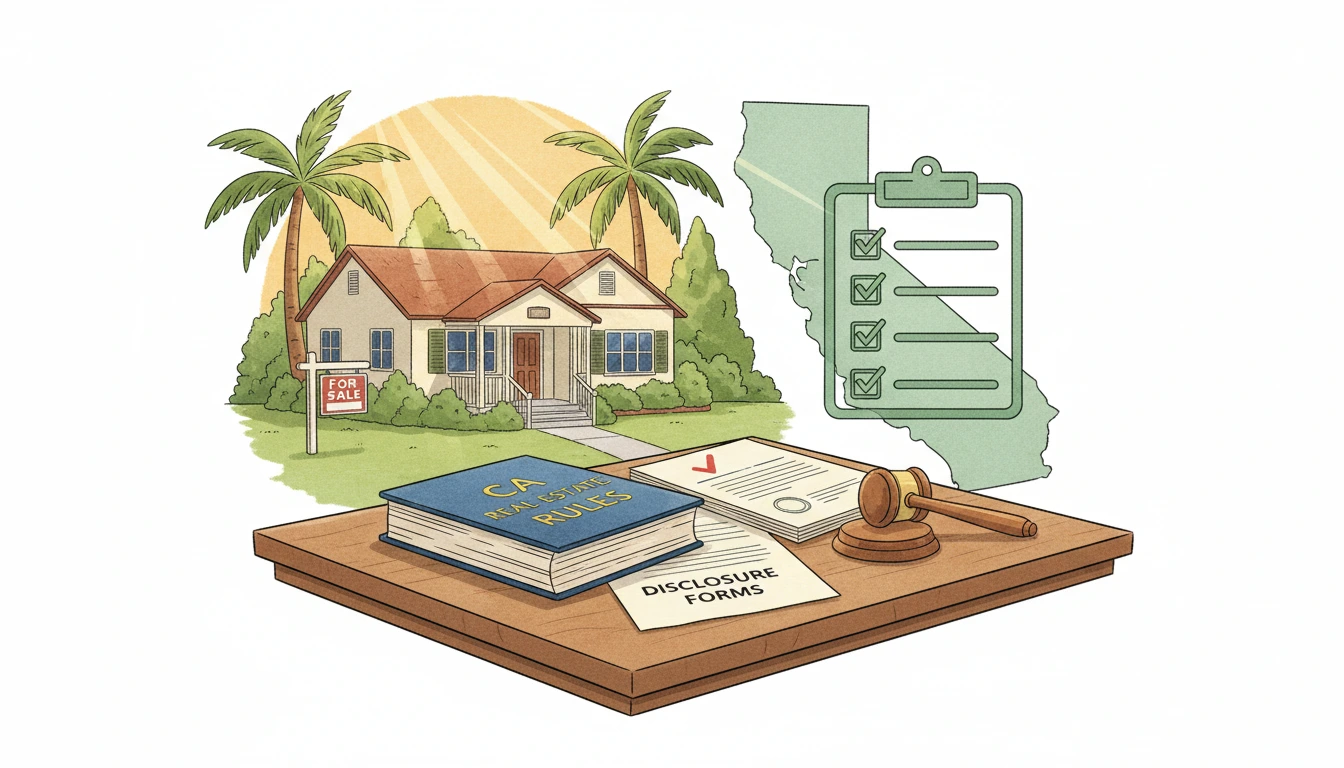
California-Specific Rules Every Buyer and Seller Must Know
The Escrow System and Why It Protects You
California uses a neutral escrow company, not attorneys, to handle real estate closings. This is actually different from many East Coast states, where lawyers run the closing.
The escrow company holds all the money, makes sure all contingencies are met, and only releases funds when every single condition is satisfied. It’s a great system because neither buyer nor seller can just grab the money and run.
For a resource on how California escrow works officially, you can read more from the California Department of Financial Protection and Innovation. This government page explains your rights as a consumer in any escrow transaction in the state.
Mandatory Disclosures Under California Law
California has some of the strictest seller disclosure rules in the entire country. Sellers must tell buyers about known problems with the home, water damage, pest issues, past deaths on the property, proximity to earthquake fault lines, and more.
The main form is called the Transfer Disclosure Statement (TDS). If this isn’t delivered on time, the buyer gets more time to back out of the deal. This is one reason CA closings sometimes take longer than expected.
You can learn more about California real estate disclosure requirements through the California Department of Real Estate. It’s a solid resource that explains exactly what sellers must disclose before closing.
Tips to Speed Up Your Closing Without Losing Money
What Sellers Can Do to Close Faster
I always tell sellers: the fastest closings happen when the home is ready before it’s even listed. Get a pre-listing inspection done. Fix the obvious stuff. Have your disclosures ready to go. When a buyer makes an offer, and everything is already in order, the deal just flows.
Price your home right from day one. Well-priced, well-marketed homes typically sell in 30–35 days. Overpriced homes sit for months and usually end up selling for less after price cuts. You lose time AND money.
Also, choose a good escrow company. Not all escrow officers are equal. A slow one will add unnecessary days to your closing. Ask your agent for a recommendation based on track record, not just convenience.
What Buyers Can Do to Keep the Deal on Track
Get your loan pre-approval done before you even start looking at homes. In LA’s competitive market, sellers won’t take you seriously without it. California sellers expect pre-approval letters with every offer, in competitive LA neighborhoods like Silver Lake, Venice, or Culver City, cash-equivalent pre-approval can make or break your chances.
Respond to your lender quickly. Every day you delay sending a document is another day added to your closing timeline. During underwriting, your lender will ask for more paperwork. Have your tax returns, bank statements, and pay stubs ready to go at a moment’s notice.
Also, build a 2–3 day buffer into your schedule. Don’t book your movers for signing day. Don’t plan your flight home for the same day you close. Give yourself space for the deed recording delay that is completely normal in LA.
Need to buy or sell a property in Los Angeles? Buy Your Properties helps homeowners and commercial owners explore fast, hassle-free selling options with no pressure.
👉 Contact us today to discuss your situation and see what your property may be worth.
Conclusion
The Los Angeles home sale closing process is not complicated once you understand how it works. The average timeline runs about 30–45 days from offer to close, plus a day or two for deed recording before you get your keys. The full journey from listing to closing is around 92 days for most sellers.
The key is simple: know what’s coming, prepare early, and don’t assume LA works like any other city. California’s escrow system, mandatory disclosures, and county recording rules are unique, and respecting that makes everything smoother.
Whether you’re buying your first home in Silver Lake or selling a property in Beverly Hills, the timeline is manageable when you plan for it. Work with experienced people, stay on top of your paperwork, and don’t panic when small delays pop up, they almost always do.
Have questions about your specific situation? Drop them in the comments, I’d love to hear what you’re going through and help where I can.
Frequently Asked Questions (FAQs)
How long does it take to close on a house in Los Angeles?
Most home sales in Los Angeles take about 30–45 days to close after an offer is accepted. Add another 1–2 business days for the deed recording by LA County before you officially get your keys. If you include the time the home spends on the market, the full timeline averages around 92 days.
Why do LA home closings take longer than those in other states?
California uses a neutral escrow company system, requires extensive seller disclosures, and closes only when the county records the deed, not just when papers are signed. This extra recording step alone adds 1–2 days. Combined with California’s strict disclosure laws, the process naturally takes a bit longer than in states like Texas or Florida.
Can I close faster if I pay cash?
Yes, cash sales in LA can close in as little as 7–14 days because there’s no lender involved. No appraisal, no loan underwriting, no waiting on a bank. However, cash buyers usually offer less than market value, so you trade speed for a lower sale price.
What is the biggest cause of closing delays in Los Angeles?
The most common causes of delay are low appraisals, loan approval problems, missing paperwork, and title issues. In LA specifically, competitive pricing often pushes sale prices higher than appraised values, which forces buyers and sellers to renegotiate and adds days to the closing timeline.
When is the best time of year to sell a home in Los Angeles?
Late March through early July is generally the best time to sell in LA. Homes sell faster and for higher prices during this period. If your goal is maximum sale price, listing in March gives you the best chance; homes listed then tend to close in May and June, which are historically the strongest months in the LA market.