
If your home sits in a High Fire Hazard Severity Zone in Los Angeles, you already know the stress that comes with it. The sky turns orange. The air smells like smoke. And now you are trying to sell. The truth is, selling in an HFHSZ is absolutely doable, but you have to know the rules, the risks, and the right way to approach buyers.
What Is a High Fire Hazard Severity Zone in LA?
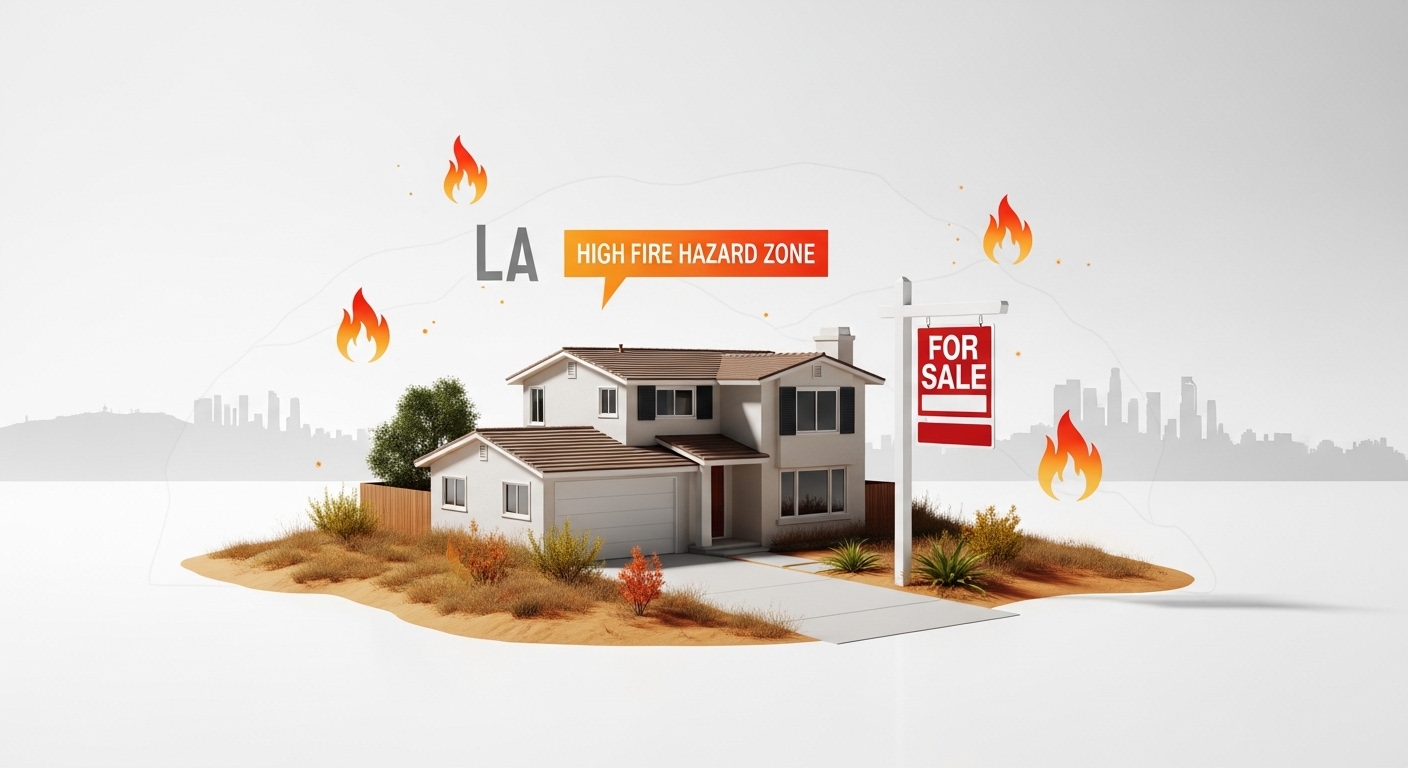
A High Fire Hazard Severity Zone, or HFHSZ, is an area that the state of California has identified as having a serious risk of wildfire. These zones are based on things like vegetation, wind patterns, terrain, and the history of past fires in the area.
According to CAL FIRE’s Office of the State Fire Marshal, properties are placed into one of three categories, which are Moderate, High, or Very High. Many parts of Los Angeles, including Topanga, Malibu, the Hollywood Hills, and areas near the San Gabriel Mountains, fall into the High or Very High category.
How HFHSZ Zones Affect Property Value in Los Angeles
Being in an HFHSZ does not automatically mean your home will sell for less. But it does mean buyers will have more questions, and some will walk away if they cannot get insurance.
The biggest issue right now in LA is homeowner’s insurance. Many major insurers have pulled out of California, which makes it harder and more expensive for buyers to get coverage on homes in these zones. This can slow down the sale process or scare off buyers who are using a mortgage.
That said, cash buyers and investors are still very active in these areas. They are not as worried about insurance because they do not need a lender. If you work with a cash buyer, you can often close faster and skip some of the headaches.
What Disclosures Are Required When Selling in an HFHSZ
This is one of the most important parts. In California, you must tell buyers if your home is in a fire hazard severity zone. This is required by California Civil Code Section 1102.19 and the Natural Hazard Disclosure law.
You must provide a Natural Hazard Disclosure Statement that specifically notes the HFHSZ designation. You cannot skip this. Even if the buyer already knows, you still have to put it in writing. Failing to disclose can lead to lawsuits after the sale.
Here is what California law requires you to disclose if your home is in a fire hazard zone, based on requirements from the California Legislature:
- The HFHSZ designation on the Natural Hazard Disclosure Statement
- Any requirements for defensible space around the home
- Whether the property has undergone fire hardening or improvements
- Any known fire damage or repairs to the structure
- Information about local fire safe regulations that apply to the property
I always tell sellers to be honest about everything you know. Buyers in LA are smart. They will find out during inspections anyway, so it is always better to be upfront from the start.
The Insurance Problem and How It Affects Your Sale
Honestly, the insurance situation in California right now is one of the biggest challenges for sellers in fire zones. Many large insurers have stopped writing new policies in high-risk areas of LA. This means buyers who need a mortgage may struggle to find affordable coverage.
What Buyers Are Facing With Wildfire Insurance
The California Department of Insurance has been working on new rules to bring more insurers back to the market, but the situation is still tough in 2025. Some buyers are turning to the FAIR Plan, which is California’s last-resort insurer, but premiums can be very high.
As a seller, there are things you can do to make your home more attractive to buyers who need insurance. These include showing documentation of any fire-resistant upgrades you have made, proving you have maintained proper defensible space around the home, and sharing any reports from a Certified Insurance Inspector.
The more you can show buyers that your home is as safe as possible, the easier it will be to find someone who can get insured and close the deal.
Should You Fix Up the Home or Sell It As-Is in a Fire Zone
This is a question I hear all the time. And honestly, it depends on your situation. If your home is already well-maintained and has fire-resistant features like Class A roofing or ember-resistant vents, you are in a good spot. Highlight those things.
If the home needs major repairs or has not been updated for fire safety, you might be better off pricing it accordingly and selling to a cash buyer or investor. Spending $30,000 to $50,000 on fire hardening improvements does not always guarantee you will get that money back in the sale price.
For homeowners who want to sell quickly without dealing with repairs, there are cash home buyers in Los Angeles who specialize in buying properties in exactly these kinds of situations.
Your Selling Options When Your Home Is in an HFHSZ
You have more choices than you might think. Here is a quick breakdown of the main paths sellers in fire hazard zones usually take.
| Selling Option | Time to Close | Works Without Insurance | Best For |
|---|---|---|---|
| Traditional MLS Listing | 30 to 90 days | No | Move-in ready homes with fire-safe upgrades |
| Cash Buyer or Investor | 7 to 21 days | Yes | Homes needing repairs or in high-risk areas |
| Fix and List Strategy | 60 to 120 days | No | Sellers willing to invest in upgrades first |
| Auction Sale | 30 to 45 days | Depends on bidder | Sellers who need certainty on a timeline |
Most sellers in HFHSZ areas find that working with a cash buyer is the least stressful path. There are no financing contingencies, no insurance problems to work around, and you can close on your own timeline.
Steps to Take Before Listing Your HFHSZ Home
If you decide to go the traditional listing route, there are some things you can do to make your home more appealing and get through escrow without surprises.
- Get a home inspection done before listing so you know what buyers will find
- Order your Natural Hazard Disclosure report early from a licensed provider
- Ask a fire mitigation specialist about your defensible space compliance
- Gather any permits or records of fire-resistant upgrades you have made
- Check if your property qualifies for the California FAIR Plan and get a quote
- Talk to a real estate agent who has experience selling in fire hazard zones specifically
One thing a lot of sellers overlook is the defensible space inspection. In California, many counties require a defensible space inspection before a home in a Very High FHSZ can be sold. Make sure you are in compliance before listing so this does not hold up your close.
You may also want to read about how to sell an LA home affected by mudslides or soil erosion, since many fire zone properties also deal with erosion risks during and after wildfire season.
How Buyers Think About Homes in Fire Hazard Zones
From what I have seen, buyers fall into two camps. Some walk away the moment they hear “fire zone.” Others are completely fine with it as long as the home is priced right and the insurance situation is manageable.
Pricing Strategy for Homes in HFHSZ Areas
Pricing is where a lot of sellers go wrong. They see comparable sales from a few years ago and try to list at that number. But the market for fire zone homes in LA has shifted. Insurance costs are up. Buyer demand in some areas has cooled. You need to price based on current conditions, not past sales.
Work with an agent who pulls comps specifically from similar fire zone properties in your neighborhood. A home in the Hollywood Hills is going to sell differently than one in Chatsworth, even if both are HFHSZ. Micro-location matters a lot.
What Distressed Fire Zone Homes Sell For
If your home has been impacted by fire damage, or even if it is just older and sitting in a high-risk zone, buyers are going to factor in the cost of future risk. Distressed properties in fire zones often sell for 15 to 30 percent below market value when listed traditionally.
When sold to a cash buyer who understands the local market, the discount is often less severe because you skip agent commissions, repairs, and carrying costs. If this sounds like your situation, you might find it helpful to read about how to sell a red-tagged house in California for more context on distressed property sales.
Conclusion
Selling a home in an LA High Fire Hazard Severity Zone takes some extra planning, but it is far from impossible. The key is being upfront with disclosures, understanding your selling options, and pricing the home based on real current market data. Whether you go the traditional route or sell directly to a cash buyer, there is a path forward for you.
If you are ready to talk through your options, our team works with LA homeowners in all kinds of situations, including fire zone properties. Reach out to us today and we will give you a no-pressure honest look at what your home is worth and what your best move might be.
Frequently Asked Questions
Do I have to disclose that my home is in a High Fire Hazard Severity Zone when I sell?
Yes, you are legally required to disclose it. California law requires sellers to include the HFHSZ designation in the Natural Hazard Disclosure Statement. Skipping this can lead to lawsuits after the sale closes.
Can I sell my HFHSZ home without making fire-safety upgrades first?
Yes, you can. Many sellers choose to sell as-is, especially to cash buyers or investors who are comfortable with the property’s current condition. You just need to price it to reflect the work the buyer will need to do.
Will buyers be able to get homeowner’s insurance on my fire zone home?
It depends. Many traditional insurers have pulled out of high-risk areas in California. Buyers may need to use the California FAIR Plan or specialized insurers, which can mean higher premiums. This is worth discussing openly with buyers early in the process.
How long does it take to sell a home in an LA fire hazard zone?
It depends on your selling method. A traditional MLS listing can take 30 to 90 days or more. Selling to a cash buyer can take as little as 7 to 21 days. The insurance situation often determines how quickly a financed buyer can close.
Does being in a fire zone automatically lower my home’s value?
Not automatically, but it does affect buyer perception and can make financing harder to secure. Homes with fire-resistant upgrades, maintained defensible space, and good documentation tend to hold value better than ones without those features.