
Owning an apartment building in Los Angeles with a long list of deferred maintenance issues can feel like a weight you carry every single day. Leaky roofs, aging electrical systems, outdated plumbing, broken HVAC units, and tenants who have been quietly living around problems you have not had the budget to fix. When you are ready to sell, the condition of the building feels like it is standing between you and actually getting it done. But here is the thing: it does not have to.
Why Deferred Maintenance Does Not Have to Stop an LA Apartment Building Sale
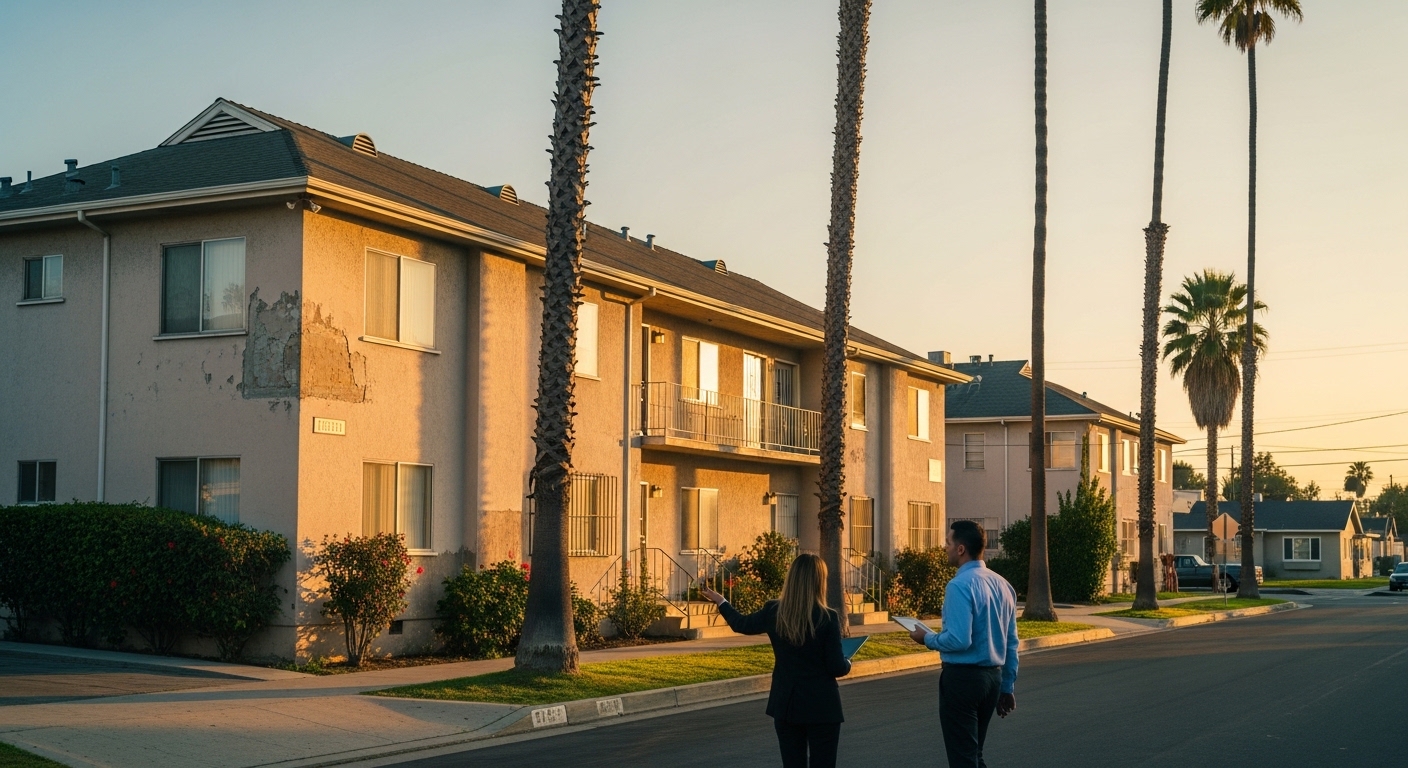
Deferred maintenance is incredibly common in older multi-unit buildings in Los Angeles. Most of the apartment stock here was built before 1978, and a lot of it has not been fully updated since. Plumbing that predates copper piping, panels that are decades past their expected lifespan, foundations that have shifted through the years. None of that is unusual, and none of it means you cannot sell.
The traditional sale path does create real complications when a building has significant repair needs. Financed buyers have lenders who require appraisals and inspections, and those processes often flag deferred maintenance items as conditions that must be addressed before the loan closes. That means either fixing the issues yourself or watching buyers walk away.
What Deferred Maintenance Actually Costs in an LA Apartment Sale
The real cost of deferred maintenance in a traditional sale is not just the repair bills. It is also the lost time, the carrying costs while the building sits, the renegotiations after inspections, and the buyers who back out because they do not want to take on a building with a known repair backlog.
I have spoken with apartment owners in Los Angeles who spent months trying to navigate a traditional sale on a building with deferred issues. Buyers would come in, get a property inspection done, and then either demand a significant price reduction or walk away entirely. The seller would then start the whole process over again with the next buyer. It is exhausting and expensive in its own right.
Common Types of Deferred Maintenance That Affect LA Apartment Building Sales
Here are the most common maintenance issues that apartment sellers in Los Angeles deal with when trying to move a building:
- Roof systems at or past end of life that have not been replaced and may have soft spots or active slow leaks
- Electrical panels that are outdated, including Federal Pacific and Zinsco brands that are no longer considered safe by modern standards
- Galvanized or cast-iron plumbing in older buildings that is corroding and causing low water pressure or slow drain issues
- HVAC systems in individual units or common areas that are well beyond their useful life
- Foundation issues, including cracking in the foundation stem walls or evidence of settlement in older buildings on hillside lots
- Soft story or structural concerns in buildings that have not been retrofitted under Los Angeles mandatory retrofit programs
- Deferred landscaping and exterior maintenance including peeling paint, damaged walkways, broken lighting, and deteriorated fencing
How Cash Buyers Approach Apartment Buildings With Deferred Maintenance in LA
Experienced cash buyers and real estate investors who focus on multi-unit properties in Los Angeles are not expecting pristine buildings in perfect condition. That is not the market they work in. They evaluate properties based on the current income, the cost to bring the building to a stable operating condition, and the long-term appreciation potential of the asset.
When you reach out to a cash buyer about your building, they want to know the condition honestly and completely. A buyer who gets a full picture of the deferred maintenance upfront can factor it into their offer from the beginning. A buyer who discovers issues during due diligence that were not disclosed is a buyer who will either lower their offer significantly or walk away entirely.
How the Sale Process Works for an LA Apartment Building with Repair Needs
You share information about the building, including the number of units, the current rent roll, the RSO status if applicable, and a general description of the known maintenance issues. The buyer evaluates the property, accounting for repair costs as part of their investment analysis. Within 24 to 48 hours, you receive a cash offer. If you accept, escrow opens and the buyer’s team begins their due diligence, which typically includes a building inspection. Most multi-unit cash sales in Los Angeles close in 14 to 21 days.
The key difference from a traditional sale is that the buyer’s inspection is not a negotiating tool. They are doing it to confirm what you disclosed and to finalize their repair budget. As long as you were upfront about what the building needs, the inspection rarely changes the offer price significantly.
| Maintenance Issue | Traditional Sale Impact | Cash Sale Impact |
|---|---|---|
| Roof at end of life | Often required to replace before close | Factored into offer price |
| Outdated electrical panel | Lender may require upgrade | Accounted for in buyer’s repair budget |
| Old galvanized plumbing | May trigger lender concerns | Evaluated and priced in by buyer |
| Soft story structural issue | Can kill deal entirely | Experienced buyers handle regularly |
| Foundation concerns | Often deal-killing for financed buyers | Discounted offer but sale still possible |
What Affects the Cash Offer Price on a Building with Deferred Maintenance
The offer price reflects the gap between what the building is worth in good condition and what it would cost to get it there. A buyer estimates the cost of repairs and deducts that from the stabilized value of the building based on its income and local market conditions.
Buildings with more severe or widespread maintenance issues will receive lower offers, but they will still receive offers from the right buyers. The most important factor is being completely honest about what the building needs. Sellers who share detailed repair information upfront almost always get better initial offers than those who disclose minimally and then deal with renegotiations after inspections.
Protecting Yourself When Selling an LA Apartment Building As-Is
California requires sellers to disclose known material defects in writing before the sale closes. This applies to apartment buildings the same as it applies to single-family homes. When you are selling a building with deferred maintenance, thorough disclosure protects you legally and builds trust with buyers who are serious about closing.
According to the California Attorney General’s landlord-tenant guide, property owners in California have specific disclosure obligations that extend to the condition of the building and any known issues affecting habitability or safety. Documenting what you know and sharing it with the buyer from the beginning is both a legal requirement and a practical strategy for keeping the deal on track.
The Los Angeles Housing Department also maintains compliance requirements for rental buildings, including habitability standards, which are worth reviewing before you sell so you understand any open violations or pending requirements that a buyer will discover during their due diligence.
Getting Started With the Sale of Your LA Apartment Building
The fastest first step is to reach out to a buyer who knows how to evaluate multi-unit buildings in Los Angeles with deferred maintenance. Give them an honest picture of the building, including the unit count, current rents, known repair needs, and any compliance issues. That information gets you a realistic offer faster than any other approach.
Our guide on selling multi-family properties in Boyle Heights fast has a lot of overlap with what apartment building sellers face throughout Los Angeles. And our post on liquidating a Los Angeles triplex fast covers the income-based valuation approach that applies to your building as well.
Our team at Buy Your Properties purchases apartment buildings and multi-unit residential properties throughout Los Angeles regardless of condition. Reach out through our contact page and we will evaluate your building and get you a no-obligation offer within 48 hours.
According to the National Association of Realtors, investment property sales involving deferred maintenance are a consistent segment of the broader real estate market, particularly in older urban housing markets like Los Angeles where a large portion of the building stock predates modern construction standards.
Conclusion
Selling an apartment building in Los Angeles with deferred maintenance is not a dead end. The traditional listing path creates real complications when repair needs are significant, but experienced cash buyers evaluate these buildings regularly and know how to price them fairly based on their current condition and income.
Be upfront about what the building needs, get more than one offer so you can compare, and do not let the repair list convince you that you have no options. The right buyer is out there, and the process can move a lot faster than most sellers expect.
Frequently Asked Questions
Can I sell an LA apartment building without making any repairs first?
Yes. Cash buyers who specialize in multi-unit properties in Los Angeles purchase buildings in any condition, including those with significant deferred maintenance. You are not required to make repairs before selling. The buyer factors the cost of necessary repairs into their offer price and handles the work after closing.
Do I have to disclose deferred maintenance issues when selling my LA apartment building?
Yes. California law requires sellers to disclose known material defects in writing before closing. This includes deferred maintenance issues, habitability concerns, structural problems, and any open code violations or compliance notices from the city. Experienced cash buyers expect these disclosures and use them to make their offer rather than as a reason to walk away.
How does deferred maintenance affect the sale price of an LA apartment building?
Buyers deduct an estimated repair cost from the stabilized value of the building to arrive at their offer price. The more significant the deferred maintenance, the larger the deduction. However, sellers who disclose issues early typically receive more accurate initial offers that are less likely to be renegotiated after inspections, which leads to smoother and faster closings.
What is a soft story building, and does it affect my ability to sell in Los Angeles?
A soft story building has a weak ground floor, often because of open parking or large windows, which creates a structural vulnerability in earthquakes. Los Angeles has a mandatory retrofit program for soft story buildings, and properties that have not completed the retrofit are flagged in city records. Cash buyers who work in the LA multi-unit market regularly handle buildings with soft story retrofit requirements and can account for the cost in their offer.
How long does it take to sell an LA apartment building with deferred maintenance to a cash buyer?
Most experienced cash buyers can close on an LA apartment building in 14 to 21 days. The timeline is slightly longer than a single-family home sale because of the additional documentation and due diligence involved in multi-unit transactions, but it is significantly faster than a traditional listing process, which can take months when a building has known repair issues that keep scaring off financed buyers.