
Selling a rent-stabilized property in Los Angeles is not like selling a regular home. The city’s Rent Stabilization Ordinance, known as the RSO, adds a layer of rules that most sellers do not fully understand until they are already in the middle of a deal. And once a buyer figures out they are purchasing a property with tenants protected under the RSO, the negotiation can get complicated fast. But it does not have to be.
What the Los Angeles Rent Stabilization Ordinance Actually Means for Property Owners
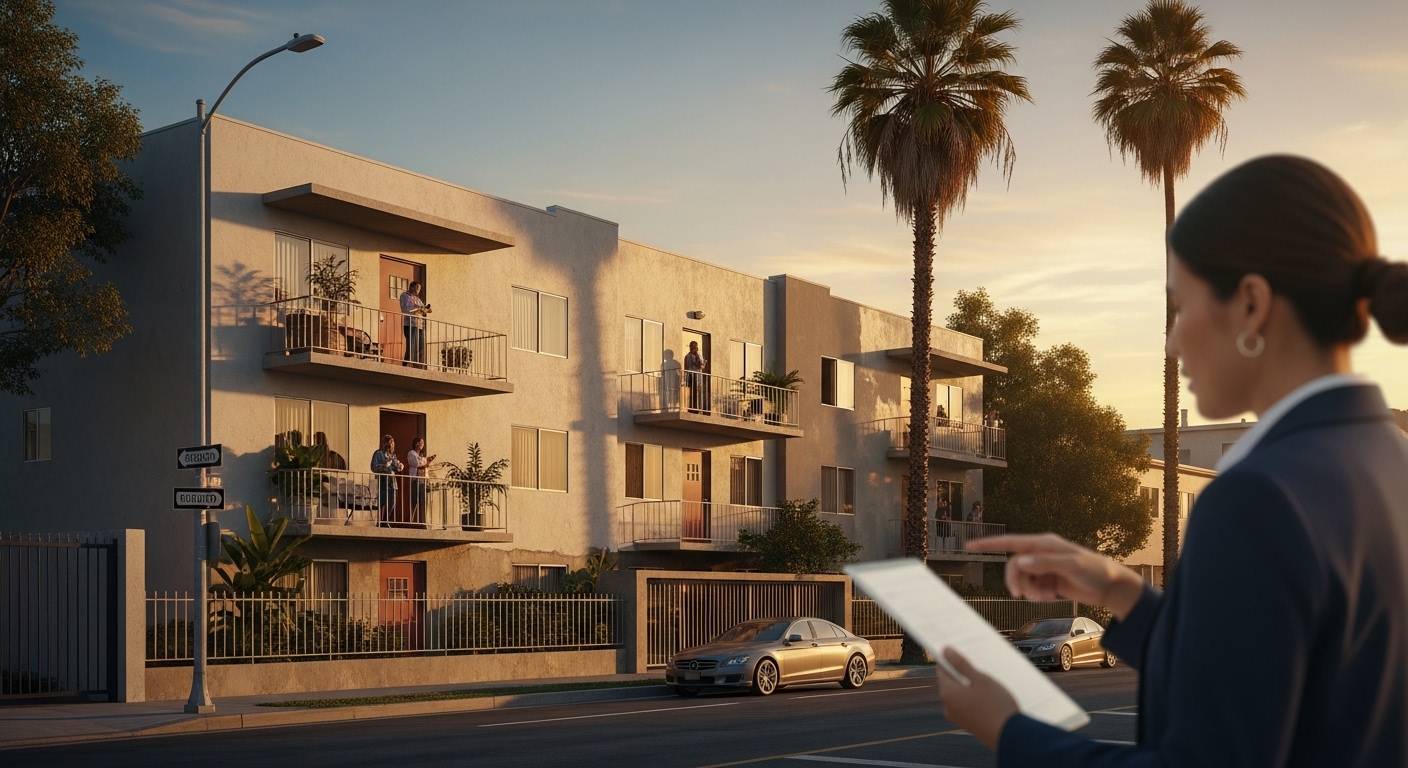
The Los Angeles RSO is a city law that limits how much landlords can raise rent each year on certain residential properties. It generally applies to multi-unit residential buildings built before October 1978, along with some single-family homes and condos rented under certain conditions.
The RSO restricts your ability to remove tenants arbitrarily. It also gives tenants the right to relocation assistance if they are asked to leave for specific reasons, including an owner move-in or a substantial renovation requiring the unit to be vacated.
When you decide to sell, these tenant protections do not disappear. The buyer inherits the same obligations you had as the property owner. That is one of the key reasons RSO properties attract a specific type of buyer rather than traditional homeowners looking for a clean move-in purchase.
Which Properties in Los Angeles Fall Under the RSO
Not every rental property in Los Angeles is covered by the RSO. Knowing whether your property qualifies is the first step to understanding what kind of buyer you are selling to.
- Apartment buildings with two or more units built before October 1, 1978
- Single-family homes that were rented out before January 1, 1996
- Condominiums that were rented out before the Condominium Conversion Ordinance exempted them
- Certain mobile home parks within the city of Los Angeles
- Hotels and boarding houses rented for more than 30 days where there is a primary tenancy
According to the Los Angeles Housing Department, the RSO covers roughly 660,000 rental units in the city. If your property is one of them, that information is highly relevant to any buyer and needs to be disclosed upfront.
What RSO Tenants’ Rights Mean for You as a Seller
Tenants in RSO units have significant legal protections that do not transfer away just because the property changes hands. A new owner takes on all of the RSO obligations the previous owner had, including the ban on arbitrary evictions, the rent increase restrictions, and the relocation assistance requirements.
This means that if you are hoping to sell to someone who plans to immediately clear out the tenants and redevelop, that plan is a lot more complicated in Los Angeles than in cities without RSO protections. Cash buyers who specialize in RSO properties understand this and factor it into their offers. A general buyer who does not understand RSO law might not, which can lead to a failed sale once they learn the full picture.
Why Cash Buyers Are Often the Best Option for RSO Property Sales in Los Angeles
Traditional buyers who plan to live in the property or who are not experienced with tenant-occupied multi-unit buildings often back out when they find out about RSO protections. Getting a mortgage approved on a property with sitting tenants who have rent-stabilization rights can also be complicated, as some lenders are cautious about financing tenant-occupied properties.
Cash buyers who focus on investment properties and RSO buildings do not have those issues. They are already familiar with the RSO, they know how to evaluate a property’s income relative to its purchase price, and they do not need bank financing to close the deal. They are often the most realistic buyer for an RSO property, and they can move fast.
How a Cash Sale of an RSO Property in Los Angeles Works
The process is similar to any cash sale, but with a few extra steps specific to the RSO context. Here is what you can expect:
You provide the buyer with basic information about the property, including the number of units, current rent amounts, lease terms, and the RSO status of each unit. The buyer evaluates the property based on its current income, the local rental market, and what the property could be worth over time as rents adjust. Within 24 to 48 hours, you receive a cash offer.
If you accept, the buyer’s team handles the title work and RSO-specific due diligence. In some cases, the buyer will want to verify the rent rolls and review any existing leases. This is normal. Most RSO cash sales in Los Angeles close in two to three weeks, slightly longer than non-RSO properties due to the additional documentation involved.
| Factor | Selling RSO Property Traditionally | Selling RSO Property to a Cash Buyer |
|---|---|---|
| Buyer Pool | Small, mostly investors | Specifically experienced investors |
| Financing Challenges | Lenders cautious about RSO units | Not applicable |
| Time to Close | 60 to 90 days or more | 14 to 21 days |
| Agent Commission | 5% to 6% | None |
| Deal Fall-Through Risk | High once buyer learns full RSO rules | Low |
| Repair Requirements | Possible, depending on unit condition | None |
What Affects the Price When You Sell an RSO Property
RSO properties are priced differently than standard residential homes because they are evaluated primarily as income-producing assets. The key number buyers focus on is the gross rent multiplier and the cap rate, which reflect how much income the property generates relative to its purchase price.
If your tenants have been in place for many years and their rents are significantly below current market rates because of RSO restrictions, that gap between actual rent and market rent is factored into the offer. A buyer is essentially paying for the income the property produces today, not the income it might produce years from now when rents catch up.
Properties with tenants paying closer to market rates will naturally receive stronger offers because the income picture is better from day one. But even deeply below-market RSO properties find buyers among experienced investors who understand long-term asset appreciation and the eventual opportunity to move rents closer to market levels through legal means.
Your Obligations as an RSO Seller in Los Angeles
Even when selling to a cash buyer, you have legal obligations as an RSO property seller in Los Angeles. California’s disclosure requirements apply fully, including disclosure of the property’s RSO status, all existing leases, rent amounts, and any pending disputes with tenants or the city’s Housing Department.
The California Attorney General’s landlord-tenant guide covers many of the baseline rights and obligations that apply to landlords in California, including disclosure requirements during a property sale. Reading through this is worth your time before you reach out to a buyer.
You should also check whether your property has any open complaints, violations, or unpaid fees with the Los Angeles Housing Department. These issues will need to be disclosed and may affect the buyer’s offer, so knowing about them before you start the process puts you in a better position.
Finding the Right Buyer for Your Los Angeles RSO Property
Not all cash buyers are equipped to handle RSO properties. You want someone who has direct experience purchasing tenant-occupied, rent-stabilized buildings in Los Angeles, not a buyer who primarily works with vacant single-family homes.
Ask the buyer whether they have purchased RSO properties before, how they evaluate rent rolls, and how they handle the due diligence process for tenant-occupied buildings. A buyer who can give you clear, direct answers to those questions is someone who actually knows what they are doing.
Our guide on selling multi-family properties in Boyle Heights fast covers a lot of ground that applies directly to RSO property owners in Los Angeles. And our post on selling a house as-is in East Los Angeles is useful for anyone looking to understand the as-is sale process in the broader LA market.
Our team at Buy Your Properties has experience with Los Angeles RSO properties. Reach out through our contact page to start a conversation about your specific property and situation.
According to the National Association of Realtors, investment and multi-unit property sales have made up a growing share of the overall real estate market, and experienced investors focused on income-producing assets like RSO properties continue to be active buyers even in challenging market conditions.
Conclusion
Selling an RSO property in Los Angeles is more nuanced than a standard home sale, but it is far from impossible. The key is to find a buyer who actually understands the RSO and is experienced with tenant-occupied, rent-stabilized buildings. Cash buyers who specialize in this type of property can move quickly, handle the added complexity without backing out, and close on a timeline that works for you.
If you own an RSO property in Los Angeles and you are ready to explore your options, get a no-obligation offer from a buyer who knows this market. Finding out what your property is worth costs nothing, and having that number gives you real information to make a smart decision.
Frequently Asked Questions
Can I sell my RSO property in Los Angeles while tenants are still living in it?
Yes. You can sell an RSO property with tenants in place, and in most cases this is exactly how these sales work. The buyer takes over the property with the existing tenants and inherits all of the RSO obligations. You do not need to remove tenants before selling, and attempting to do so without following proper legal procedures could expose you to significant liability.
Do I have to pay tenants relocation assistance when I sell an RSO property in Los Angeles?
Relocation assistance is only required in specific circumstances under the RSO, such as when a landlord wants to move into the unit or when substantial renovations require the tenant to leave. Simply selling the property does not trigger a relocation assistance requirement. The new owner assumes the existing tenancy under the same terms.
How is an RSO property priced differently from a standard home when sold for cash?
RSO properties are priced based primarily on the income they generate, not just comparable home sales in the neighborhood. Buyers look at current rent levels, the gap between actual rents and market rents, the condition of the units, and the long-term income potential of the property. Properties with below-market rents due to long-term RSO tenancies will receive lower offers than those with rents closer to current market rates.
What disclosures do I need to make when selling an RSO property in Los Angeles?
You are required to disclose the property’s RSO status, all existing lease agreements and rent amounts, any pending code violations or complaints with the Los Angeles Housing Department, and any other known material defects with the property. California’s seller disclosure requirements apply in full, and RSO-specific details must be clearly communicated to any buyer.
How long does it take to close an RSO property sale with a cash buyer in Los Angeles?
RSO property sales with experienced cash buyers typically close in 14 to 21 days. The extra time compared to a standard cash sale is due to the additional documentation involved, including lease reviews, rent roll verification, and RSO compliance checks. This is still dramatically faster than a traditional listing, which can take 60 to 90 days or more even for a straightforward property.