
Dealing with Code Enforcement Liens When Selling in LA
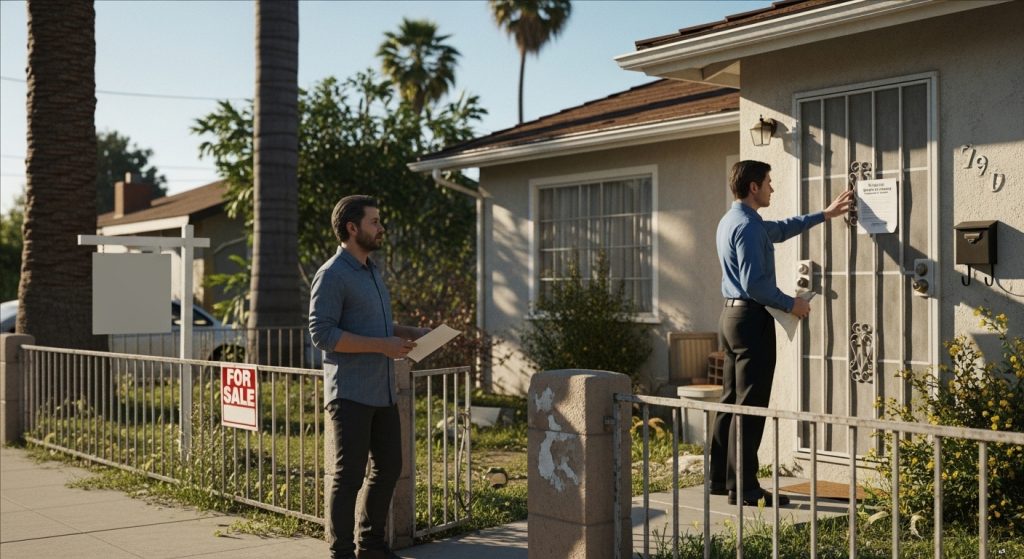
A code enforcement lien in Los Angeles is a legal claim recorded against your property title because of unresolved building or safety violations. Fines can reach up to $1,000 per day per violation under city guidelines, and a single ignored violation can result in a lien of $10,000 to $30,000 or more by the time you go to sell. Active liens prevent most traditional buyers from closing because lenders require a clean title and title companies will not issue insurance. California law also requires sellers to disclose all known violations and liens on the Transfer Disclosure Statement. Your options include resolving the violation and paying the lien, negotiating the amount down, or selling as-is to a cash buyer who takes over the lien at closing. This guide explains each path so you can make the best decision for your situation.
Selling a House with Asbestos Siding or Floor Tiles in Southern California
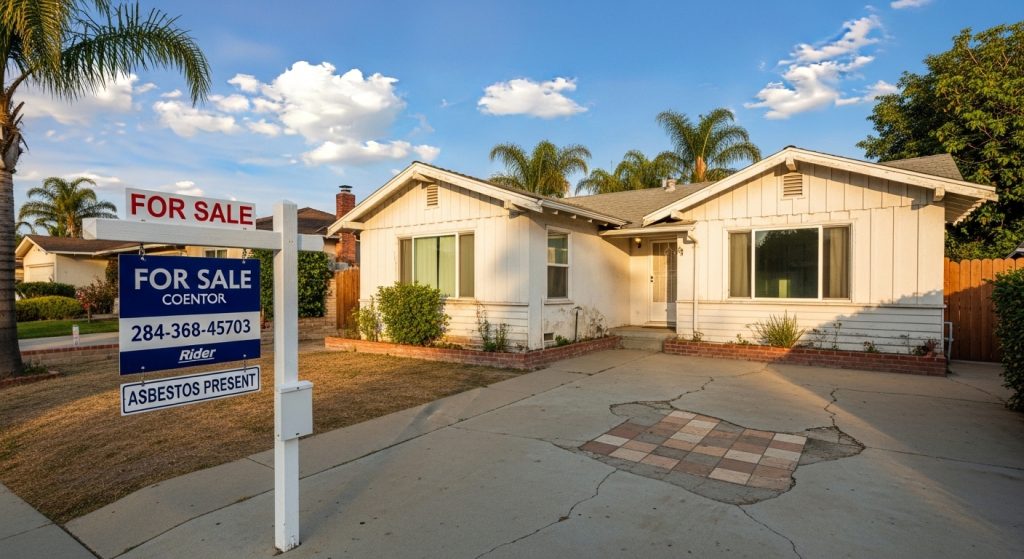
Selling a Southern California home with asbestos siding or floor tiles is more common than most people realize. Homes built before 1980 have roughly a 50 percent chance of containing asbestos-containing materials, including vinyl floor tiles, exterior siding panels, popcorn ceilings, and pipe insulation. California requires sellers to disclose known environmental hazards on the Transfer Disclosure Statement, and hiding asbestos can lead to post-sale lawsuits. Professional asbestos testing costs $230 to $780 on-site, while full removal of siding can run $10,000 to $30,000 or more. Encapsulation is a lower-cost option that seals the material in place. Sellers who want to skip repairs can also sell as-is to a cash buyer with full disclosure. This guide walks through every option so you can make the right call for your property.
How to Sell an LA Home with Outdated Galvanized Plumbing
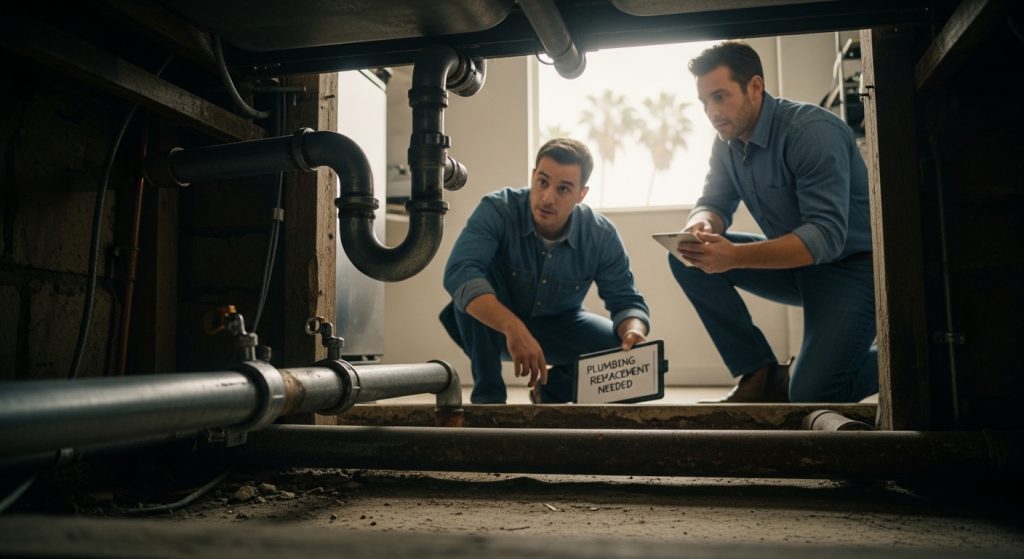
Selling an LA home with outdated galvanized plumbing is more common than you might think, especially in older neighborhoods like Silver Lake, Echo Park, and Boyle Heights where many homes were built before the 1960s. Galvanized pipes corrode from the inside out over time, causing rust buildup, low water pressure, and discolored water. California law requires sellers to disclose known plumbing issues on the Transfer Disclosure Statement under Civil Code Section 1102, and home inspectors will flag galvanized pipes 100 percent of the time. A full repipe in Los Angeles typically costs $8,000 to $18,000, but sellers also have the option to offer buyers a price credit or sell as-is to a cash buyer who can close in as little as 7 to 21 days. This guide walks through every option so you can make the right call for your specific situation.
The True Cost of Earthquake Retrofitting vs. Selling As-Is in LA
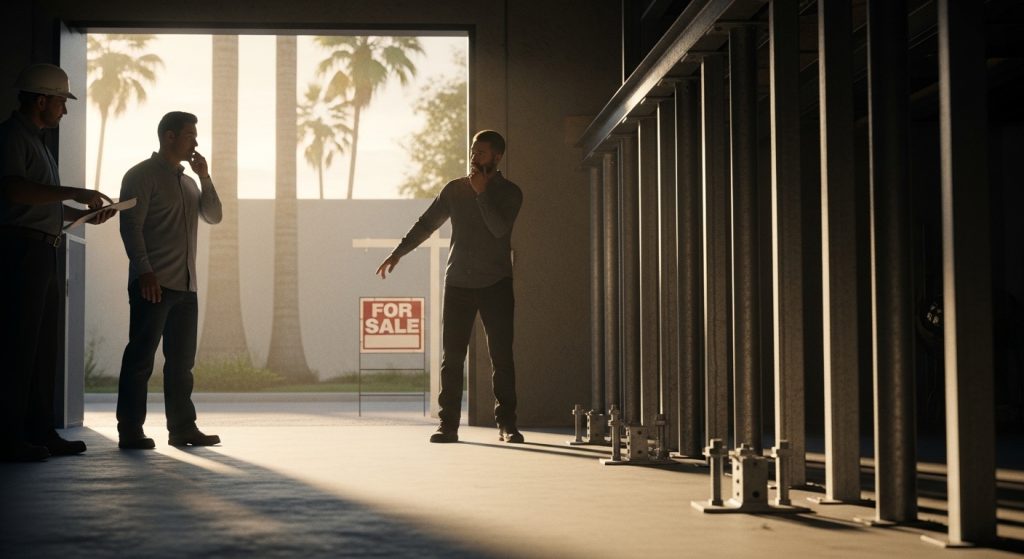
Deciding whether to spend money on earthquake retrofitting before selling your LA home, or simply selling as-is, is one of the toughest calls an LA homeowner can face. Under LA Ordinance 183893, approximately 13,500 soft-story buildings have received mandatory compliance orders, with retrofit costs ranging from $60,000 to $200,000 or more for multi-family buildings. Single-family homeowners face voluntary but financially impactful decisions, as non-retrofitted pre-1980 homes often see buyer negotiation discounts of $15,000 to $25,000. Selling as-is to a cash buyer avoids repair costs and agent commissions but typically brings a lower sale price. The right answer depends on your property type, carrying costs, and timeline. This guide breaks down the real numbers on both sides so you can make a confident, informed decision about your LA property before you list.
Selling a House in an LA High Fire Hazard Severity Zone (HFHSZ)
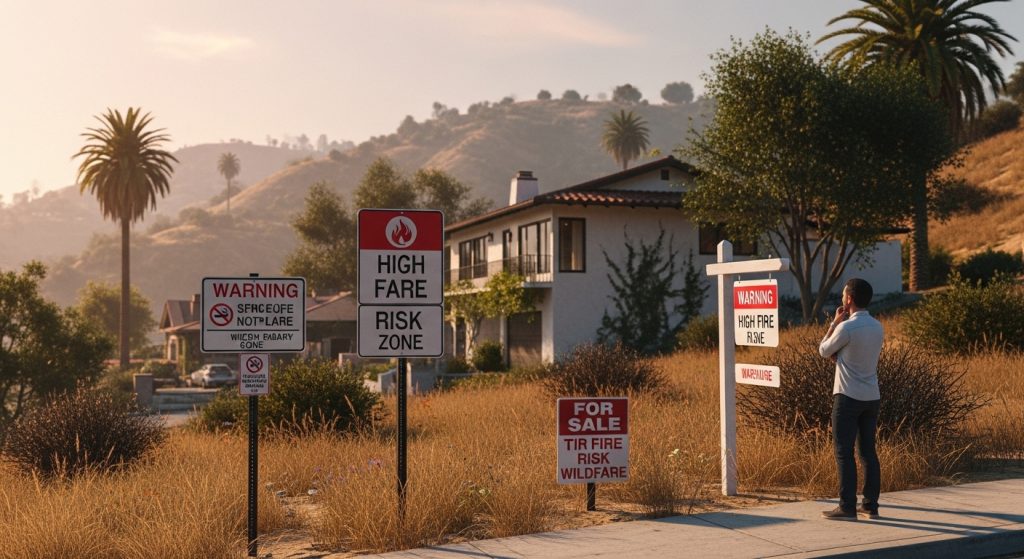
Selling a home in an LA High Fire Hazard Severity Zone (HFHSZ) comes with a unique set of challenges most sellers are not fully prepared for. From required Natural Hazard Disclosures under California law to the growing insurance crisis pushing major insurers out of high-risk areas, fire zone sellers need a clear plan. Many parts of Los Angeles, including Malibu, Topanga, and the Hollywood Hills, fall into High or Very High FHSZ designations. California law requires sellers to disclose this on the Natural Hazard Disclosure Statement, and failing to do so can result in post-sale lawsuits. The good news is that there are multiple paths to a successful sale, from a traditional MLS listing to working with a cash buyer who can close in as little as 7 to 21 days. Understanding your options and pricing your home based on current market conditions are the two most important steps you can take right now.