
The South Bay is one of the most sought-after stretches of coastline in the entire country. Cities like Manhattan Beach, Hermosa Beach, and Redondo Beach sit along the Pacific Ocean and command some of the highest home prices in California. If you own a beachfront or beach-close property in the South Bay, you are sitting on enormous value.
But here is the thing that surprises many South Bay homeowners: selling a beachfront property the traditional way is not always the best option. In fact, for many owners of older coastal homes, selling as-is to a cash buyer can be the smarter, faster, and less stressful choice. This guide explains why.
Why the South Bay Is Unlike Any Other Market in Los Angeles
The South Bay — roughly the stretch from El Segundo down through Torrance, Redondo Beach, Hermosa Beach, and Manhattan Beach to Palos Verdes — is a market defined by scarcity. There is very little new buildable land near the coast. The California Coastal Commission and strict local zoning laws make it nearly impossible to build new homes directly on or near the shoreline. That limited supply, combined with constant demand from wealthy buyers, remote workers, and lifestyle seekers, keeps prices high year after year.
According to Q2 2025 South Bay market data, the Sand Section of Manhattan Beach commands $1,565 per square foot. Hermosa Beach homes average over $4.28 million. Redondo Beach oceanfront properties average around $2.48 million. Even Torrance, the most affordable part of the South Bay, saw homes sell for an average of $1.38 million in September 2025, often in just 24 days.
The South Bay real estate market has appreciated 95% to 115% over the past decade. That means homeowners who bought in these cities 10 or 15 years ago are holding properties worth two times what they paid. That is a powerful position to be in as a seller.
The Hidden Costs of Owning a Beachfront Home
Beachfront living sounds like a dream. And for many, it is. But the reality of owning a home directly on or near the beach comes with ongoing costs and challenges that eventually push many homeowners to sell.
Salt Air and Coastal Damage
Salt air is one of the most destructive forces a home can face. Sea breezes carry salt particles that slowly corrode metal fixtures, eat through paint, degrade wooden structures, and damage roofing materials. Metal door hinges, window frames, railings, and HVAC systems are especially vulnerable. Over time, what starts as surface rust or peeling paint can turn into deeper structural problems if left untreated.
Beachfront homeowners must repaint their homes every three to five years using special high-humidity, salt-resistant coatings. Metal fixtures need replacing regularly. Decks and balconies require constant inspection for rotting wood and weakened supports. These are not one-time expenses — they are annual commitments.
Coastal Erosion and Foundation Concerns
Some beachfront properties in the South Bay face coastal erosion, where the shoreline inches closer to the structure over time. For homeowners on bluffs or elevated lots, this can become a foundation issue. Erosion can cost thousands of dollars per foot of lost shoreline, and repairs can run into the tens of thousands of dollars.
Insurance Costs
Standard homeowners insurance does not cover all the risks that come with beachfront ownership. Many coastal property owners need earthquake insurance (especially in California), supplemental flood insurance if they are in a FEMA-designated flood zone, and in some cases wind damage riders. These extra policies can add thousands of dollars per year to the cost of ownership.
The California Coastal Commission
Any renovation or structural change to a home in the South Bay’s coastal zone requires navigation of both local permitting and the California Coastal Commission (CCC). The CCC requires a Coastal Development Permit (CDP) for most types of development in the coastal zone. According to the California Coastal Commission, development is defined broadly to include not just new construction, but also changes in the intensity of use of land — which can sometimes apply to even significant renovations. This can make repairs and updates slow, expensive, and uncertain.
For a homeowner trying to renovate before listing, this regulatory layer adds months of delays and thousands of dollars in permitting fees and consultant costs. For a seller who just wants out, it is a major headache.
South Bay Beach City Market Snapshot (2025)
Here is a look at where prices and market conditions stand across the South Bay right now.
| City / Area | Avg Price (2025) | Price Per Sqft | Avg Days on Market | Buyer Profile |
|---|---|---|---|---|
| Manhattan Beach (Sand Section) | $10M+ | $1,565 | ~27 days | End-users, luxury buyers |
| Hermosa Beach | ~$4.28M | $1,120–1,924 | ~60 days | Lifestyle buyers, families |
| Redondo Beach (South) | ~$2.48M | ~$1,200 | ~52 days | Ocean-view seekers, young families |
| Palos Verdes Estates | ~$2.5M | Variable | ~45 days | Luxury, privacy-focused |
| Torrance | ~$1.38M | ~$865–1,000 | ~24 days | Families, value seekers |
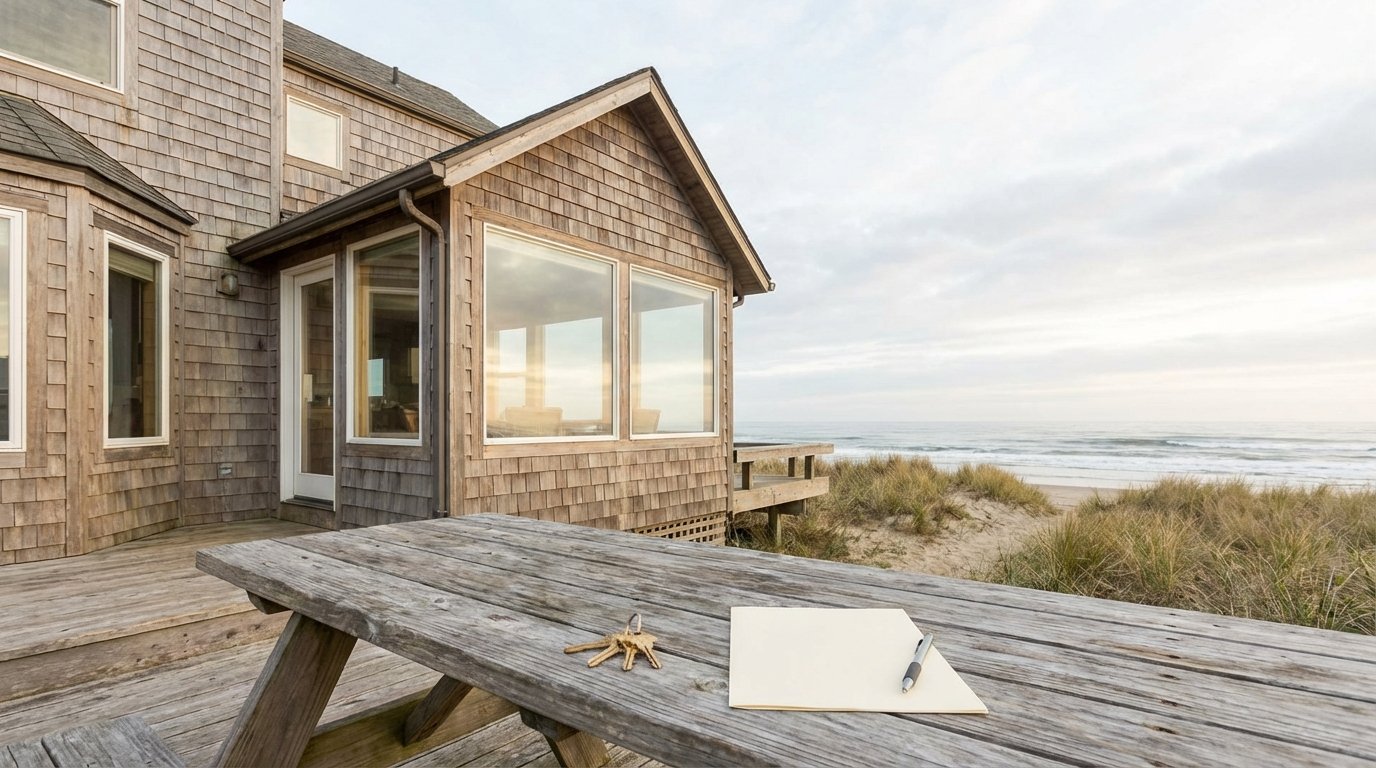
Why Selling As-Is Makes Sense for Many Beachfront Owners
Traditional listing agents will often tell you to invest in repairs and staging before putting your coastal home on the market. And in some cases, that advice makes sense. But for a large number of South Bay beachfront owners, the as-is cash route is actually the better deal once you run the real numbers.
Repairs on a Coastal Home Are Expensive and Complicated
Fixing up a beach home before selling is not like fixing up an inland home. Everything near the water costs more and takes longer. You need salt-resistant materials, specialized contractors familiar with coastal construction, and possibly Coastal Commission permits before work can begin. A renovation that might cost $40,000 on an inland property could easily run $80,000 to $120,000 on a beachfront home in the South Bay.
Cash Buyers Are Actively Looking in the South Bay
The South Bay has a strong and active cash buyer market. These buyers include real estate investors, developers, high-net-worth individuals, and relocation buyers from tech and finance who can pay without a mortgage. A beachfront property — even one in rough condition — is extremely attractive to this buyer pool because the land value alone is so high. Coastal lots in Manhattan Beach, Hermosa Beach, and Redondo Beach hold their value regardless of the structure sitting on them.
The Math Often Works Better for As-Is Sellers
Let us look at a simple example. Suppose your Redondo Beach beachfront home is worth $2.5M fully renovated. To get it there, you would need to spend $100,000 on repairs and upgrades. That brings your net to $2.4M before agent commissions of 5 to 6%, which takes another $125,000 to $150,000. You also have carrying costs during the listing period — mortgage, insurance, taxes, and maintenance. Suddenly your real net might be closer to $2.2M or lower.
Compare that to a cash buyer offering $2.1M as-is, with no repairs, no agent fees, and a close in 14 days. That gap narrows considerably. And for many sellers, the time saved, the stress avoided, and the certainty of the deal closing make the cash route the obvious winner.
Traditional Sale vs. As-Is Cash Sale in the South Bay
| Factor | Traditional MLS Sale | As-Is Cash Sale |
|---|---|---|
| Repairs needed | Usually required | None |
| Coastal Commission permits | May be needed for repairs | Not required |
| Agent commission | 5–6% (~$125K–$150K on $2.5M) | $0 |
| Time to close | 45–90 days | 7–21 days |
| Risk of deal falling | Higher (buyer financing) | Very low |
| Open houses / showings | Yes, multiple | No |
| Carrying costs during listing | $3,000–$8,000 per month | None |
| Best for | Updated, move-in ready homes | Dated, damaged, urgent sales |
Who Should Consider Selling Their South Bay Beachfront Home As-Is?
Not every beachfront owner needs to sell as-is. But for many, it is the right move. Here is who typically benefits most.
- Inherited beachfront properties: Inheriting a coastal home often comes with emotional weight and deferred maintenance. A clean cash sale lets heirs divide proceeds quickly and move on.
- Long-time owners ready to retire: If you have owned your South Bay home for 20 or 30 years, it may have decades of deferred maintenance. Selling as-is lets you cash in your equity without spending another dollar on the property.
- Owners dealing with coastal damage: Salt air, erosion, and moisture damage add up. If your home needs extensive repairs, selling as-is to a cash buyer who will handle the renovation is often the cleaner path.
- Landlords with difficult tenants: Beachfront rentals in Redondo Beach and Hermosa Beach can be highly profitable — but also come with tenant issues. Selling as-is lets you exit without navigating complex tenant rights situations.
- Sellers facing financial pressure: High property taxes, insurance premiums, and maintenance costs can make beachfront ownership expensive. A fast cash sale provides relief when the carrying costs outweigh the joy of ownership.
What Drives Value in a South Bay Beachfront Home
When it comes to a coastal property, the condition of the structure matters less than you might think. Here is what cash buyers and investors focus on when evaluating a South Bay beachfront home.
Location and Lot Position
Are you on The Strand? Steps from the sand? In the hill section with ocean views? These positional factors drive most of the value in coastal real estate. A dated home directly on Hermosa Beach’s Sand Section is worth far more than a renovated home three blocks inland. Location locks in the price floor regardless of condition.
Lot Size and Zoning
Larger lots close to the water attract developers and investors who see redevelopment potential. Even a modest single-family home on an oversized coastal lot can command a significant premium from a buyer planning to rebuild. Understanding your lot’s zoning and redevelopment potential is key to pricing it correctly.
Views and Access
Direct ocean views, unobstructed sight lines, and easy beach access all add value. Even interior properties in beach cities command premiums for walkability. Properties within two to three blocks of The Strand in Manhattan Beach or Hermosa Beach sell for significantly more than those further inland.
The As-Is Cash Sale Process for South Bay Beachfront Homes
If you have decided that an as-is sale might be right for you, here is how the process typically works from start to finish.
Step 1: Get a Free Property Evaluation
Contact a trusted cash buyer who has experience buying coastal properties in the South Bay. Share your address, a brief description of the home’s condition, and your ideal timeline. You will not need to prepare anything.
Step 2: Property Visit
A buyer or representative will visit the property to assess its current condition and location value. There is no need for cleaning, staging, or repairs beforehand. The visit typically takes less than an hour.
Step 3: Receive a No-Obligation Cash Offer
Within one to two business days, you receive a written cash offer. Take as much time as you need to review it. Compare it to your own estimate of what a traditional sale would net after repairs, commissions, and carrying costs.
Step 4: Set a Closing Date That Works for You
You choose when to close. Need to be out in two weeks? Done. Want a month or two to plan your next move? That works too. The flexibility is entirely yours.
Step 5: Close and Get Paid
At closing, you walk away with your cash. No repairs, no agent fees, no open houses, no waiting on bank approvals. Just a clean and final sale of one of Southern California’s most valuable asset classes.
How to Know If You Are Getting a Fair Cash Offer
One of the biggest concerns homeowners have about cash sales is whether they will be taken advantage of. Here are some practical ways to protect yourself and evaluate offers fairly.
- Research recent comparable sales (comps): Look at what similar homes in your neighborhood have sold for in the last three to six months. Zillow, Redfin, and the California Association of Realtors all publish this data.
- Get more than one offer: Contact two or three reputable cash buyers. Comparing offers gives you a realistic sense of market value for an as-is sale.
- Understand your net on both paths: Calculate what you would net from a traditional sale after repairs, commissions, and carrying costs vs. what a cash offer nets you after zero deductions.
- Watch for red flags: Any buyer who pressures you to sign immediately, refuses to put the offer in writing, or asks for upfront fees should be avoided.
- Work with a reputable local company: Look for cash buyers with verifiable reviews, a real local address, and a track record of closing deals in the South Bay.
If you are unsure about the process or want to understand your options better, read our guide on how cash buyers work in the South Bay, which covers the key steps and what to expect. You can also review our post on downsizing and cash sales in Los Angeles if you are a long-time owner thinking about retirement.
For more information on how we work with coastal sellers across the South Bay, visit progammatic.mustafaulhaq.com or contact us today for a free, no-obligation cash offer on your property.
Regulations Every South Bay Seller Should Know
Selling a beachfront property in California comes with a few important legal and regulatory factors to be aware of.
California Coastal Commission (CCC)
The CCC regulates development in the coastal zone. If your buyer plans to renovate or rebuild, they will need to navigate the Coastal Development Permit process. As a seller, this does not affect your sale — but it is worth mentioning to potential buyers so they are not surprised by the timeline.
California Disclosure Laws
California requires sellers to disclose all known material defects to buyers. Even in an as-is sale, you must provide a Transfer Disclosure Statement (TDS) and Natural Hazard Disclosure (NHD). For beachfront homes, flood zone status, erosion history, and any known structural issues are especially important to disclose.
Proposition 19 and Capital Gains
Long-time South Bay homeowners who have owned their property for decades may face significant capital gains when selling. California’s Proposition 19 allows homeowners over 55 to transfer their property tax base to a new home in many cases, which can be a major financial consideration. It is wise to speak with a tax advisor before closing on any high-value coastal property sale.
For guidance on navigating California real estate regulations, the California Coastal Commission website provides detailed information on permit requirements in the coastal zone. For a broader look at the South Bay market, the Q2 2025 South Bay Market Report from LaRocca Real Estate is an excellent resource. For understanding your California disclosure obligations, refer to the California Association of Realtors disclosure guidelines.
Conclusion
The South Bay beachfront market is one of the most valuable in all of California. Homeowners here hold extraordinary equity built over decades of appreciation. But selling a coastal home the traditional way can be slow, expensive, and exhausting — especially for older properties with salt damage, deferred maintenance, or coastal permit complications.
Selling as-is to a trusted cash buyer gives you speed, certainty, and simplicity. You skip the repairs, avoid agent commissions, and close on your schedule. For many South Bay homeowners, this path ends up netting more than a traditional sale once all the costs are factored in.
If you own a beachfront or beach-close property in Redondo Beach, Hermosa Beach, Manhattan Beach, or anywhere along the South Bay coast, and you are curious about what a cash offer looks like, reach out today. There is no pressure and no obligation. Just a straightforward conversation about your best options.
Frequently Asked Questions
Can I sell a beachfront home as-is in the South Bay?
Yes. Cash buyers in the South Bay regularly purchase coastal homes in any condition, including those with salt damage, deferred maintenance, or outdated interiors. You do not need to make any repairs before selling as-is.
How much is my South Bay beachfront home worth?
Values vary widely by city and location. Manhattan Beach Sand Section homes sell for $10M or more. Redondo Beach oceanfront homes average around $2.48M. Hermosa Beach averages over $4.28M. The best way to get an accurate value is to request a free property evaluation from a local cash buyer or check recent comparable sales on Redfin or Zillow.
Does the California Coastal Commission affect my ability to sell?
The CCC does not restrict you from selling your property. It only comes into play when someone plans to develop, renovate, or change the use of land in the coastal zone. As a seller, you can sell your home without any CCC involvement.
What disclosures are required when selling a beach home in California?
California law requires all sellers to provide a Transfer Disclosure Statement (TDS) and a Natural Hazard Disclosure (NHD). For coastal homes, it is especially important to disclose flood zone status, any known erosion issues, and any structural problems related to salt damage or water intrusion. Failing to disclose known defects can expose you to legal liability after the sale.
How fast can I close on a South Bay beachfront home sale?
With a cash buyer, closing can happen in as little as 7 to 14 days. On the traditional MLS market, South Bay coastal homes typically take 45 to 90 days to close, depending on the city, the condition of the home, and how quickly the buyer’s financing is approved.