
Strategies for Selling a Rental Property With Negative Cash Flow
Losing money on a rental every single month is one of the most stressful things a property owner can deal with. Maybe the mortgage is too high. Maybe rents dropped. Maybe repairs have been eating you alive. Whatever the reason, you are here because you want out. And that is completely okay.
What Negative Cash Flow Actually Means
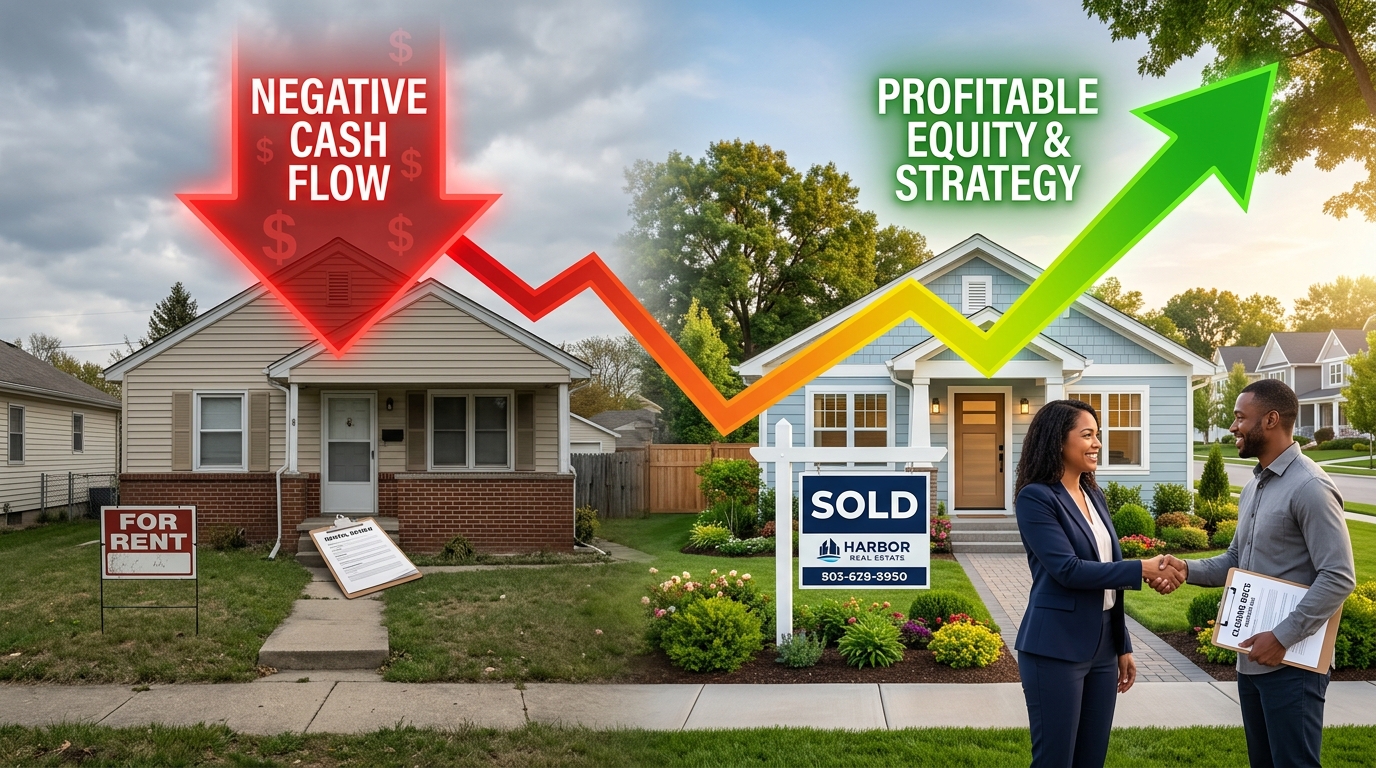
When the Numbers Stop Making Sense
Negative cash flow on a rental property means your expenses are higher than your rental income. That gap has to come from somewhere, usually your personal savings. According to analysis from real estate finance sources, investors with poorly performing properties often lose between $5,000 and $15,000 per year when cash flow is not properly calculated before purchase.
When you own a rental that costs you money every month, there is a real emotional and financial toll. I have spoken with investors who held on for years hoping things would turn around, only to sell at a much bigger loss than if they had acted sooner. At some point, the honest move is to cut the losses and make a strategic exit.
Common Causes of Negative Cash Flow
There are a few things that tend to push a rental into the red. Understanding the root cause matters before you decide how and when to sell.
- Mortgage payments that are too high relative to current rental rates
- High property taxes, especially in states with rising assessments
- Frequent vacancies and costly tenant turnover cycles
- Deferred maintenance that turned into expensive emergency repairs
- Interest rate adjustments on variable rate loans hitting harder than expected
- Rents that have not kept pace with rising operating costs
Should You Sell or Try to Fix It First
When Holding No Longer Makes Sense
Some investors wonder if they should try to turn the cash flow around before selling. That can work in certain situations, like if you can raise rents, reduce vacancy, or refinance into a better rate. But if the property is in a weak rental market, the location is not improving, or the repairs needed outweigh the equity you have, selling is almost always the smarter move.
A general rule of thumb: if you cannot see a realistic path to positive cash flow within 12 to 18 months, selling sooner rather than later keeps more money in your pocket. Every month you wait is another month the property costs you money.
How to Price a Negative Cash Flow Rental
Pricing a rental property is different from pricing a primary home. Buyers who are investors will run the numbers on expected income versus expenses. They are not buying based on emotion. They are buying based on cap rate, gross rent multiplier, and projected returns.
If your property has negative cash flow, that does not automatically mean it will not sell. It does mean you need to price it honestly. Some buyers specifically look for value-add properties they can turn around. Others are looking for appreciation plays in growing markets where the current cash flow gap does not matter as much.
| Buyer Type | What They Care About | How Negative Cash Flow Affects Their Offer |
|---|---|---|
| Cash flow investor | Monthly income over expenses | Will price it lower based on shortfall |
| Appreciation investor | Location and long-term value | Less concerned if area is growing |
| Owner-occupant buyer | Personal use or partial rental | May not focus on investor returns |
| Fix-and-flip buyer | Repair potential and margin | Will factor in renovation costs heavily |
Steps to Prepare Your Rental for Sale
Get Your Financials in Order First
Before you list your rental, gather at least 12 months of income and expense records. Buyers and their agents will ask for this. Having it ready shows you are organized and transparent. It also helps you understand exactly what the property has been costing you, which matters when you set your asking price.
Key documents to gather before listing:
- Rent rolls showing what each unit earns monthly
- Utility bills and property tax statements for the past year
- Maintenance and repair receipts showing actual costs
- Mortgage statements showing current balance and interest rate
- Any tenant leases currently in place with end dates
Decide What to Do With Tenants
One of the trickier parts of selling a rental is figuring out what to do with existing tenants. You have a few paths. You can sell with tenants in place, which some investors prefer because the property is already producing some income even if it is not enough. You can wait for leases to expire and sell vacant, which appeals to buyers who want to move in or renovate before re-renting. Or you can offer tenants a cash-for-keys agreement to vacate early when the situation calls for it.
Each path affects your timeline and your buyer pool, so think it through before committing to a listing date. According to the IRS, when you sell a rental property, you may also need to account for depreciation recapture taxes on deductions you claimed over the years. Consulting a tax professional before closing is a smart move. For more details, see IRS Publication 544 on sales and other dispositions of assets.
Marketing the Property to the Right Buyers
Target Investors, Not Just Homebuyers
A rental with negative cash flow is not going to appeal to every buyer on the market. Your best bet is to market it specifically to real estate investors who understand the space and are looking for a value-add opportunity. These buyers know how to look past current losses and see future potential.
You can reach these buyers through local investor networks, landlord associations, online investment property platforms, and agents who specialize in income-producing properties. Honest, transparent marketing works better here than vague listing descriptions.
According to research from the National Association of Realtors, residential property investors made up a meaningful share of home purchases in recent years, meaning a real buyer pool exists for investment properties, even those with current challenges.
Be Transparent About the Numbers
Serious investors will do their own due diligence and run their own projections. If your numbers do not hold up to scrutiny, the deal will fall apart during the inspection period or after a professional appraisal. Being upfront about the cash flow situation from the start saves everyone time and filters out buyers who are not the right fit.
The Consumer Financial Protection Bureau also notes that sellers of investment properties should understand their state’s disclosure requirements, as failing to disclose known property issues can create legal liability after the sale. Review your obligations at consumerfinance.gov.
If you have multiple investment properties that are not performing well, our guide on how to liquidate a portfolio of underperforming rental units quickly has more targeted strategies for exactly that situation. For broader context on how buyers evaluate problem properties, our post on selling a property with building code violations gives useful insight. And when you are ready to explore your options with us, contact us here for a fast, no-obligation offer on your rental property.
Conclusion
Owning a rental that bleeds money every month is not a situation you have to stay in. With the right pricing strategy, the right buyer pool in mind, and clean financials ready to share, you can sell your negative cash flow property and move on. The key is to stop thinking of it as a failure and start thinking of it as a decision. A smart one, made at the right time.
Frequently Asked Questions
Can I sell a rental property that has negative cash flow?
Yes, absolutely. Negative cash flow affects how you price the property and who your ideal buyer is, but it does not prevent you from selling. Many investors specifically look for properties with upside potential they can turn around.
Will I lose money selling a rental with negative cash flow?
It depends on how much equity you have built up, what the current market value is, and what your outstanding mortgage balance is. In many cases, sellers still walk away with proceeds even if the property was not generating positive returns.
Do I have to tell buyers the property has negative cash flow?
You should be prepared to share at least 12 months of income and expense records. Transparency builds trust with serious investors and helps prevent deals from falling apart during due diligence.
What taxes apply when I sell a rental property?
When you sell a rental, you may owe capital gains tax on any appreciation and depreciation recapture tax on the deductions you claimed over the years. A tax professional can help you plan for this before you close so there are no surprises.
Should I try to fix the cash flow before selling?
Only if you can realistically reach positive cash flow within 12 to 18 months and can afford to hold the property during that period. If the path to profitability is unclear or takes too long, selling now almost always makes more financial sense.