
A roof that is actively leaking is not a small problem. Water gets into the walls, the insulation, the ceilings, and sometimes the foundation if it goes on long enough. And when you are trying to sell, it can feel like the one thing standing between you and getting out. The good news is that it does not have to be.
What Selling As-Is Really Means When Your Roof Is Leaking
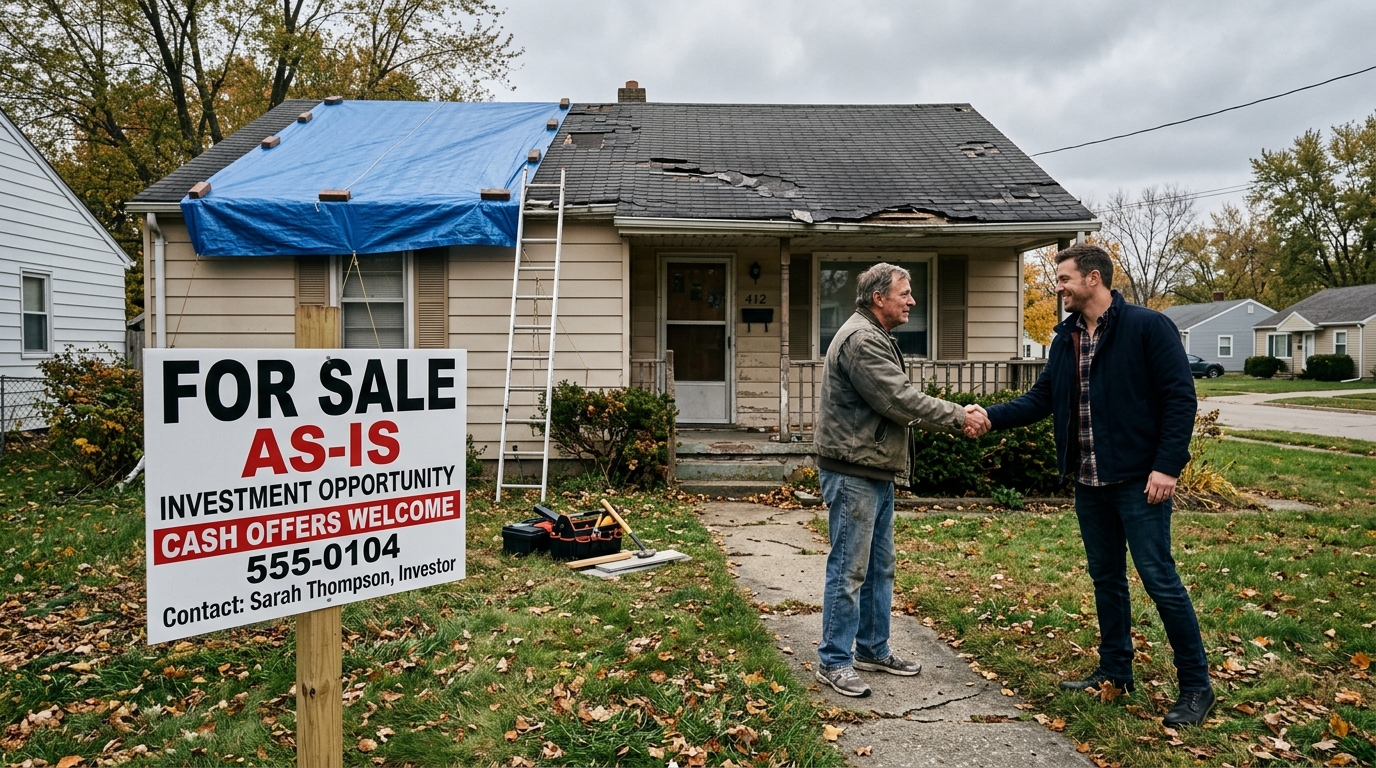
Selling as-is means you are selling the home in its current condition without making repairs before the sale. It does not mean you get to hide problems from buyers. It means the buyer agrees to take the property knowing about its condition, and the price reflects that.
An active roof leak is a material defect. In most states, that means you are legally required to disclose it to any potential buyer, whether you are selling traditionally or to a cash buyer. The disclosure protects you legally and sets the right expectations from the start.
What You Are Required to Disclose About a Leaking Roof
Disclosure laws vary by state, but the general rule is consistent across most of the country. If you know about a defect that could materially affect the value or desirability of the home, you have to tell the buyer. A roof that is actively leaking checks that box clearly.
This includes any water damage that has resulted from the leak. Stained ceilings, warped floors, mold growth, damaged insulation, these all need to be disclosed if they exist and you know about them. Trying to hide any of this can expose you to serious legal liability after the sale closes.
According to the U.S. Department of Housing and Urban Development (HUD), sellers have disclosure obligations that protect buyers from purchasing property with hidden defects. These rules apply regardless of who you sell to or how you sell.
Why Traditional Buyers Struggle With a Leaking Roof
Here is the problem with trying to sell a home with an active roof leak to a buyer who needs a mortgage. Most lenders will not approve a loan on a home with a known, unrepaired roof leak. It is considered a health and safety hazard, and underwriters flag it as a condition that must be resolved before closing.
Even if you find a buyer who loves the home and is willing to work with the issue, their bank may kill the deal during the appraisal or underwriting process. That is a frustrating cycle that many sellers with roof problems know all too well. You spend weeks under contract, only to have the lender pull the plug at the last minute.
Your Real Options for Selling a Home With an Active Roof Leak
You have more choices here than most people realize. Let me walk through each one honestly so you can figure out which one fits your situation.
Option One: Fix the Roof Before You List
This is the option that opens your home to the widest possible pool of buyers, including those using mortgage financing. A repaired roof, documented with permits and a warranty from the contractor, removes one of the biggest objections buyers and lenders will have.
The downside is cost and time. A full roof replacement on an average home can run anywhere from $8,000 to $20,000 or more depending on size, materials, and your location. And that does not count the cost of fixing any interior damage caused by the leak. For sellers who are already financially stretched, this is simply not a realistic path.
Option Two: Get a Repair Credit and List Traditionally
Another approach is to get an accurate repair estimate, disclose the problem upfront, and offer buyers a credit at closing to cover the repair. This can work with some buyers, especially those who prefer to manage the repairs themselves and want to choose their own contractor.
The challenge is that lenders may still require the roof to be repaired before they approve the loan, even if a credit is offered. And seller credits do not always satisfy lender requirements. You could end up going through the whole process and still not being able to close if the buyer needs financing.
Why a Cash Sale Is Often the Best Path With a Leaking Roof
Cash buyers do not answer to a lender. There is no underwriter reviewing the roof condition. There is no appraiser flagging the leak as a problem. The buyer sees the home, understands the issue, and makes an offer that accounts for the repair cost. You accept or decline. It really is that straightforward.
What a Cash Buyer Looks at When There Is Roof Damage
A cash investor who buys homes as-is will look at the overall value of the property and subtract the estimated cost to repair the roof and any interior water damage. They may bring in a roofing contractor to get an accurate estimate during their due diligence period. The offer you get will be lower than what a fully repaired home would bring, but you also skip the repair cost, the time, and all the uncertainty of a financed deal.
I have seen sellers save themselves months of stress by simply accepting a fair cash offer rather than trying to fix everything and wait for the right traditional buyer. Sometimes the math works out nearly the same when you factor in carrying costs, repair expenses, and agent commissions from a traditional sale.
If you want to understand how cash sale costs and outcomes compare to a traditional listing, this article on cash buyers vs. traditional home sales breaks it down clearly. And if you are curious how other sellers with major home issues have handled this, our post on selling a house with a broken sewer line covers a similar situation in real detail.
How Fast Can You Close When the Roof Is Leaking?
With a cash buyer, closing can happen in as little as 7 to 14 days. That is significant when your roof is actively leaking because every day it continues, you risk more interior damage, mold growth, and structural issues that make the home harder to sell and less valuable. Moving fast is not just convenient in this situation. It is financially smart.
Stopping additional damage from accumulating while you wait months for a traditional sale to close is a real consideration that many sellers overlook. The longer a leak goes unaddressed, the more it costs to repair, and the more it affects your ultimate sale price.
Comparing Your Selling Options When the Roof Is Actively Leaking
| Option | Repair Required? | Timeline | Who Can Buy | Risk Level for Seller |
|---|---|---|---|---|
| Fix roof then list | Yes, upfront | Repair plus 60 to 90 days | Any buyer including financed | Low, but high upfront cost |
| List with seller credit | No, but credit offered | 60 to 90+ days | Mostly cash buyers | Medium, lender may still require fix |
| Sell as-is to cash buyer | No | 7 to 14 days | Cash buyers only | Low, clean and fast |
According to the National Roofing Contractors Association (NRCA), roof damage is one of the leading causes of home sale complications when left unaddressed. Getting ahead of the issue with a clear plan, either fixing it or selling as-is, is always better than letting it drag on.
If you are ready to talk through your options with no pressure, reach out through our Contact Us page and we will get back to you quickly. You can also check our FAQs page to see how we handle situations like yours.
Steps to Take Right Now If Your Roof Is Leaking and You Want to Sell
The first thing to do is document everything. Take photos and videos of the leak, the water entry point, and any interior damage. This documentation protects you legally and gives any buyer you work with a clear picture of the situation upfront.
Second, get a professional inspection from a licensed roofing contractor. You need to know the true extent of the damage and have a repair estimate in writing. This gives you a realistic number to work with when evaluating cash offers and helps you have informed conversations with any buyer.
Third, contact a reputable cash home buyer and be fully upfront about the roof situation from the very first conversation. Transparency speeds the process and builds trust. A good cash buyer will assess the damage, get their own contractor estimate, and come back to you with a fair offer quickly.
Conclusion
A leaking roof does not have to stop you from selling your home. You have real options, and for many sellers in this situation, a cash sale is the most practical, fastest, and least stressful way forward. Disclose everything, document the damage, get a repair estimate, and then compare what a cash offer looks like against the cost and time of fixing the roof first. More often than not, the cash path makes a lot of sense. Do not let fear of the problem keep you stuck in a house that is getting harder to sell every day the leak continues.
Frequently Asked Questions
Can I legally sell a house with an active roof leak?
Yes, you can. There is no law that prevents you from selling a home with a roof leak as long as you disclose the issue to potential buyers. Disclosure is required in most states because a leaking roof is a material defect. As long as you are upfront about the condition, the sale is completely legal whether you sell to a traditional buyer or a cash investor.
Will a mortgage lender approve a loan on a home with a leaking roof?
Usually not. Most mortgage lenders consider an active roof leak a health and safety issue that must be resolved before they will approve a loan. This is one of the main reasons sellers with roof problems often end up selling to cash buyers instead, since cash buyers do not need lender approval and can purchase the home in its current condition.
How much less will I get for my home if the roof is leaking?
It depends on the cost of the repair and the extent of the interior damage. In general, a cash buyer will reduce their offer by approximately the cost of repairing the roof plus any water damage inside the home, sometimes a bit more to account for risk and the hassle of managing the repairs themselves. Getting a repair estimate before you start the selling process gives you a realistic sense of the impact on your offer price.
What interior damage from a roof leak do I need to disclose?
You are required to disclose any known damage that resulted from the leak. This includes water stains on ceilings and walls, warped or damaged flooring, mold or mildew growth, damaged insulation, and any structural issues caused by prolonged water intrusion. Document all of it with photos and be fully transparent with any buyer from the beginning of your conversation.
How fast can I sell my home if the roof is actively leaking?
With a cash buyer, you can often close in as little as 7 to 14 days. This is especially important when the roof is leaking because every additional day of water intrusion causes more damage and reduces the value of the home. Moving quickly to a cash sale stops the bleeding, gets you your money, and lets the buyer take over the repair process on their own timeline.