
Losing a loved one is hard enough. Then you find out you’ve inherited their home — and now there’s a probate process to deal with on top of everything else. I’ve spoken with many families in this exact situation, and the biggest thing that helps is simply knowing what to expect. So let’s walk through it step by step.
What Is Probate and Why Does It Affect Your Home Sale?
Understanding the Probate Process
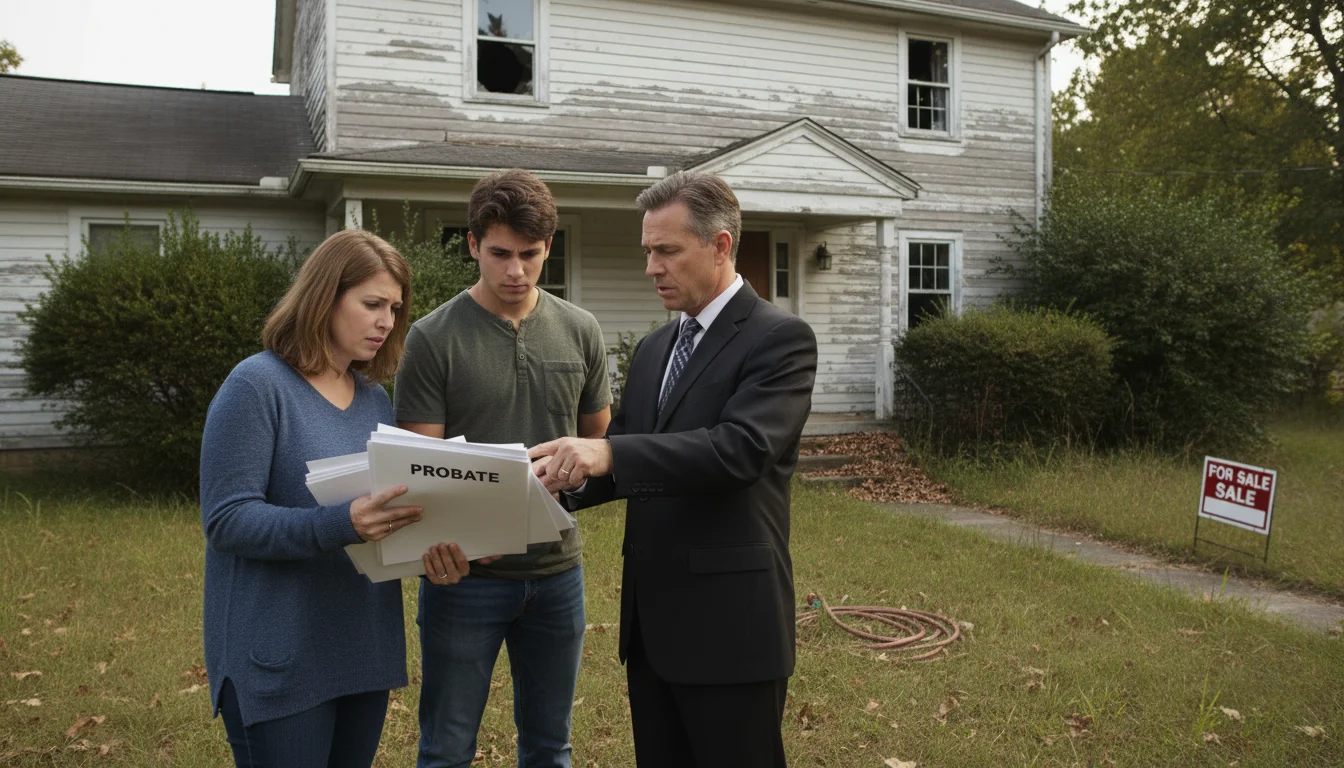
Probate is a legal process that happens after someone dies. A court reviews the deceased person’s will (if there is one), settles any debts, and then makes sure the remaining assets — including property — go to the right people. It’s basically the court’s way of making sure everything is handled fairly and legally.
Not every inherited home has to go through probate. If the home was held in a living trust, joint tenancy, or had a transfer-on-death deed, it may pass directly to the heir without court involvement. But in many cases — especially if the deceased had no will or if the property was solely in their name — probate is required.
According to Trust & Will, a legal planning resource, probate property must be approved by the court before it can be sold, which adds extra steps and time to the process.
How Long Does Probate Take?
This depends heavily on your state and how complicated the estate is. Simple probate cases can wrap up in 3–6 months. More complex ones with multiple heirs, debts, or disputes can drag on for 1–2 years or more. California, for example, is known for having one of the longer and more expensive probate processes in the country.
During this time, you usually can’t sell the home until the probate court gives you the authority to do so — unless you get a court order allowing an early sale.
Steps to Sell an Inherited Home in Probate
Step 1: Establish Your Legal Right to Sell
Before anything else, you need to prove you have the authority to sell the property. The court will appoint an executor (if there’s a will) or an administrator (if there’s no will) to manage the estate. This person has the legal power to handle the property, including selling it.
If you’re the executor, you’ll need to file the will with the probate court and get “letters testamentary” — a document that proves your authority. This is the starting point for everything else.
Step 2: Get the Property Appraised
The court typically requires a formal appraisal of the property. This establishes the fair market value, which is important both for the sale and for calculating any potential estate or capital gains taxes.
The good news about inheriting a home is the “step-up in basis” rule. According to the IRS, when you inherit a property, your tax basis is reset to its fair market value at the time of death — not what the original owner paid for it. This often means you’ll owe little or no capital gains tax if you sell shortly after inheriting.
Your Options for Selling an Inherited Home
Option 1: Sell to a Cash Buyer
This is often the best choice for inherited properties, especially ones that are older, need repairs, or when multiple heirs want to settle things quickly. Cash buyers can close fast and purchase the home in any condition, with no repairs needed.
At Buy Your Properties, we work with families going through probate regularly. We understand the timeline, the legal steps, and the emotional weight of the situation. If you need to sell an inherited home fast, reach out to us for a free, no-pressure offer. You can also read our guide on the pros and cons of cash home buyers to make a fully informed decision.
Option 2: List with a Real Estate Agent
If the home is in good condition and you have time, listing it on the open market with an agent may get you a higher price. The probate sale process still applies — the court must approve the final offer before you can close — but many buyers are comfortable with this.
Keep in mind that probate sales in some states require a court hearing, where other buyers can show up and bid higher. This is called overbidding and can actually work in your favor if demand is high.
Comparison: Ways to Sell an Inherited Probate Home
| Method | Speed | Repairs Needed | Commission | Court Approval Needed |
|---|---|---|---|---|
| Cash Buyer | Fast (7–21 days after approval) | No | None | Yes |
| Real Estate Agent | Slower (60–120+ days) | Sometimes | 5–6% | Yes |
| Auction | Medium | No | Varies | Yes |
Common Challenges When Selling a Probate Home
Multiple Heirs and Disagreements
When multiple people inherit a home, everyone needs to agree on what to do with it. One heir may want to sell, another may want to keep it, and a third may want to rent it out. These disagreements can slow everything down or even lead to legal battles.
The cleanest solution is usually to get everyone in the same room (or on a call), discuss options honestly, and if selling is the decision, agree on a price and timeline everyone can live with. A mediator or estate attorney can help if things get tense.
Property in Poor Condition
Many inherited homes sat vacant or were lived in by elderly owners who couldn’t keep up with maintenance. These homes often need significant work — which makes traditional selling harder. A cash buyer is usually the best answer here, since they buy homes as-is and you don’t have to spend money fixing anything.
Check out our post on selling a distressed property fast for more tips that apply directly to inherited homes in poor condition.
Important Things to Do Before Selling
Key Tasks Before the Sale
- Get the will filed with the probate court as soon as possible
- Hire an experienced estate attorney — this is not the time to DIY legal work
- Get a certified appraisal for the property
- Check for any outstanding mortgage, property taxes, or liens
- Notify all heirs and get written agreement before proceeding with a sale
- Keep the property secure and maintain insurance during the process
- Gather all documents: deed, tax records, prior appraisals, HOA info
According to the Consumer Financial Protection Bureau, outstanding mortgage debt on inherited property must be addressed as part of the estate settlement — it doesn’t simply disappear when the owner dies.
Should You Consult a Probate Attorney?
Yes, always. Even if you think the process will be simple, a probate attorney can catch things you might miss and help you avoid costly mistakes. Their fees come out of the estate, not your pocket, in most cases. Think of it as a small cost to avoid big headaches.
Conclusion
Selling an inherited home in probate takes patience, but it’s very manageable when you know the steps. The most important things are establishing legal authority early, getting a proper appraisal, and choosing the right way to sell based on your timeline and the home’s condition. If you want to skip the lengthy traditional process and get a fair cash offer, contact us today — we’ve helped many families through this exact situation and we’re here to make it as smooth as possible. Also see our guide on avoiding realtor commissions for extra savings tips.
Frequently Asked Questions
Can I sell an inherited home before probate is complete?
In some cases, yes — courts can grant early authority to sell if there’s a good reason. But typically, probate must be completed or at least partially settled before a sale can close.
Do I have to pay capital gains tax on an inherited home?
Thanks to the step-up in basis, you usually owe little or no capital gains tax if you sell soon after inheriting. Consult a tax professional for your specific situation.
What if there’s no will?
If the deceased died without a will (intestate), the court appoints an administrator and follows state law to determine how the estate is distributed. The process takes longer in these cases.
Can multiple heirs force a sale of an inherited home?
Yes. If heirs can’t agree, any heir can petition the court for a partition action, which can force the sale of the property and split the proceeds.
How is a probate home sale different from a regular sale?
The main difference is that the court must approve the sale. In some states, a court hearing is required where other buyers can outbid the original offer. The timeline is also longer due to the legal steps involved.