
Richmond has a lot of older homes. Beautiful ones with character, history, and bones that newer construction just cannot match. But selling them is a different challenge. Buyers have questions. Inspectors find things. Lenders get nervous. If you own one of these older Richmond properties and want to sell without pouring money into updates first, this guide is for you.
Why Older Richmond Homes Are Harder to Sell the Traditional Way
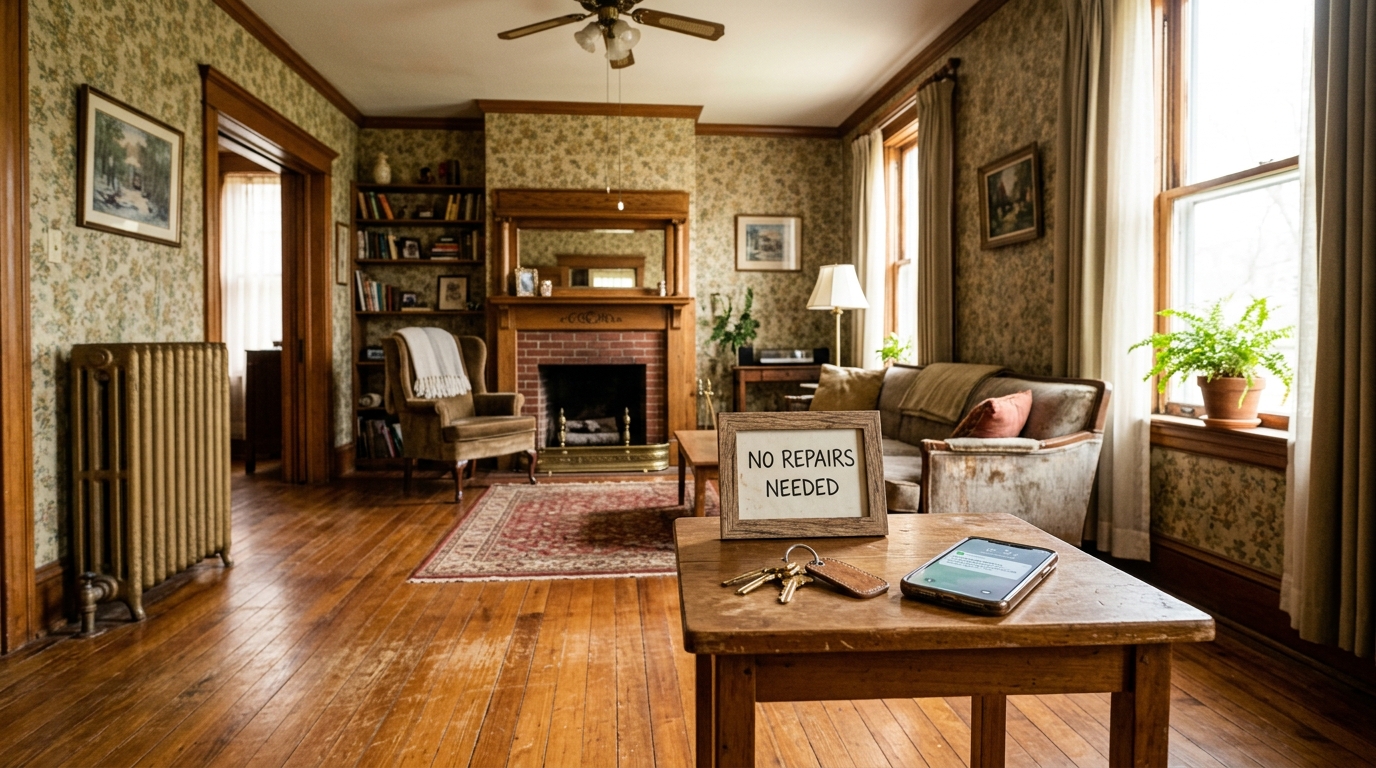
What Inspectors Typically Find in Older Richmond Properties
Richmond has a large stock of homes built between the 1920s and the 1970s, particularly in neighborhoods like the Fan, Church Hill, Oregon Hill, Northside, and parts of the Southside. These homes have enormous appeal but also come with predictable inspection findings that affect the sale process every single time.
The most common issues in older Richmond homes include older electrical systems that may still have knob-and-tube or aluminum wiring, galvanized steel plumbing that has corroded over decades, older HVAC systems that are at or beyond their expected life, lead paint in homes built before 1978, and foundation issues related to the type of soil common in central Virginia. None of these things necessarily make a home unsellable. But they make the traditional sale process harder.
According to the U.S. Department of Housing and Urban Development, homes built before 1978 must comply with specific lead paint disclosure requirements in any sale, and buyers using certain types of financing may face additional inspection requirements before their lender will approve the loan. Understanding these requirements before you list can help you avoid surprises that delay or derail your sale.
How Mortgage Lenders React to Older Richmond Homes
The buyer pool for an older Richmond home is shaped largely by what mortgage lenders will and will not finance. Conventional lenders and FHA lenders both have property condition requirements that go beyond just whether the buyer wants the home. If an appraiser flags a structural issue, a failing roof, knob-and-tube wiring, or significant deferred maintenance, the lender may require repairs before they will fund the loan.
This creates a familiar and frustrating cycle for sellers. You accept an offer, you go through three weeks of waiting, and then the lender’s appraisal comes back with conditions that require you to either fix things before closing or renegotiate the price to give the buyer a credit. Either option slows down the process and costs you money, and neither one was in the plan when you accepted the offer.
Cash buyers do not have a lender. That means none of those appraisal conditions apply. A cash buyer evaluates the property on their own terms, prices the known issues into their offer, and closes without anyone from a bank telling the deal what it needs to do before it can happen.
What Selling As-Is Actually Means for Older Richmond Homes
The Real Definition of As-Is and What You Still Have to Do
Selling as-is means you are selling the property in its current condition without agreeing to make repairs before closing. What it does not mean is selling without disclosure. Virginia law requires sellers to disclose known material defects regardless of the condition of the home or the type of buyer. An as-is sale still needs an honest Seller’s Disclosure form that reflects what you know about the property.
What changes in an as-is sale is that you are taking that responsibility for repairs off the table from day one. There is no negotiation after the inspection where the buyer’s agent sends a list of 23 items and asks you to fix them all or credit the buyer $15,000. The as-is price is the price. The buyer knew the condition going in and their offer reflects that.
For older homes in Richmond, this is often a cleaner and more honest transaction than a traditional listing where both sides go in knowing the home has issues but pretend they do not until the inspection report forces the conversation.
How Cash Buyers Price Older Richmond Homes
Cash buyers who work in Richmond are generally familiar with what older homes in this market look like and cost to update. They have contractor relationships, they know what knob-and-tube remediation costs, they know what a full plumbing replacement in a 1940s Fan District home runs, and they price their offers accordingly.
That pricing process is based on the after repair value of the home, which is what the property will be worth once the buyer has updated it. They subtract their estimated repair costs, their carrying costs while they do the work, and their profit margin. What remains is roughly what they will offer you. In a Richmond neighborhood with strong demand, even an older home in rough condition can produce a meaningful offer from a buyer who understands what they are getting into.
According to the National Association of Realtors, as-is property sales have increased significantly in recent years as more sellers seek to avoid the time, cost, and uncertainty of pre-sale renovation and repair. In markets like Richmond with significant older housing stock, this trend is particularly pronounced.
Your Options for Selling an Older Richmond Home Without Updates
Selling Directly to a Cash Buyer or Investor
Selling directly to a cash buyer is the most straightforward path for an older Richmond home that you do not want to update before selling. You reach out, share information about the property, and receive an offer that already accounts for the condition. No repairs. No staging. No weeks of showings followed by an inspection negotiation that might undo everything you thought was settled.
The buyers who focus on older Richmond neighborhoods know these properties well. They buy in the Fan, Church Hill, Northside, and throughout the city’s older stock regularly. They are not scared of knob-and-tube wiring or galvanized pipes because those are just standard renovation line items to an experienced buyer who has done this dozens of times.
Our guide on selling your house fast in Richmond VA covers the full selling process in this market and helps you understand what to expect from both the traditional and cash buyer paths so you can make the choice that actually fits your situation.
Listing on the Open Market and Managing Expectations Carefully
If you want to try the traditional route with an older Richmond home, it is possible, but it requires going in with realistic expectations and a clear strategy. The most important thing you can do is price the home to reflect its actual condition. An older home with known issues that is priced for a fully updated property will sit on the market, accumulate days, and eventually sell for less than it would have if it had been priced honestly from the start.
You should also be selective about your buyer. If you are selling an older home with known issues, a buyer who is getting an FHA loan is a much riskier buyer than a conventional buyer or a cash buyer because FHA appraisals are stricter and more likely to flag condition issues that the conventional market would overlook. Understanding which type of buyer can actually close on your home in its current condition helps you avoid wasting weeks on offers that were never going to make it to the finish line.
Here is a quick comparison of how these two paths typically play out for an older home in Richmond.
| Factor | Traditional Listing As-Is | Cash Buyer Direct Sale |
|---|---|---|
| Buyer pool | Smaller, limited by lender restrictions | Investors and cash buyers, no lender restrictions |
| Inspection process | Full inspection, likely renegotiation | Buyer assesses condition upfront, often waives |
| Time to close | 45 to 75 days if deal holds together | 7 to 21 days in most cases |
| Risk of deal falling through | High with financed buyers on older homes | Low, no lender conditions to satisfy |
| Pre-sale update requirements | May be required by lender appraisal | None, sold as-is |
| Agent commissions | 5 to 6 percent of sale price | Usually none |
How to Prepare an Older Richmond Home for Sale Without Spending Big
Low-Cost Steps That Make a Real Difference
Even if you are selling as-is, a little preparation goes a long way. You do not have to renovate the kitchen or replace the HVAC. But there are small, inexpensive things that make a home easier for a buyer to evaluate and create a better impression during any walkthrough or photo assessment.
- Clear out as much clutter as possible before any buyer visits or photos are taken. An older home with great bones looks a lot more compelling when the character of the space is visible rather than buried under accumulated belongings.
- Clean thoroughly from top to bottom. A clean older home sends a message that it has been cared for even when it has known issues. A dirty one amplifies every problem a buyer notices.
- Fix the most obvious small things. A broken screen door, a loose railing, a dripping faucet. These take very little money but they affect how buyers perceive the overall level of care the home has received.
- Make the exterior as welcoming as possible. Mow, trim, sweep the front porch, and clean up the yard. First impressions matter for older homes especially, where curb appeal can either signal character or signal neglect.
- Gather any documentation you have about the home’s history. Old permit records, information about past repairs, any surveys or inspections from previous sales. Buyers and investors appreciate knowing the history and it builds trust that you are not hiding anything.
- Be ready to disclose everything you know. A complete, honest Seller’s Disclosure form protects you legally and sets the right tone for the transaction from day one.
For a full picture of what as-is selling looks like from the buyer’s perspective and what to expect in the negotiation and offer stage, our guide on selling a house as-is covers the process in detail even though it is Dallas-focused, the principles apply equally in Richmond.
Protecting Yourself Through the Closing Process
Selling an older home with known issues means you need to be especially careful about the contract you sign and the closing process you go through. Make sure you understand every contingency in the purchase agreement before you accept an offer. Some buyers will include inspection contingencies that allow them to renegotiate or back out after seeing the property up close, even after making what seemed like an as-is offer. Get clarity on that before you sign.
Work through a licensed Virginia settlement company or title company for the closing. They handle the legal transfer of the deed, make sure the title is clear, coordinate the mortgage payoff if you have one, and ensure your proceeds are disbursed properly. Any buyer who suggests bypassing this step is someone you should not be doing business with.
According to the Virginia Department of Professional and Occupational Regulation, real estate transactions in Virginia are governed by specific licensing and disclosure requirements that protect both buyers and sellers throughout the process. Understanding your rights and obligations as a seller of an older home helps you navigate the transaction confidently from start to finish.
If you are ready to talk about what a cash offer on your older Richmond home might realistically look like, visit our Richmond Virginia page or reach out to us here for an honest, no-obligation conversation about your options.
Conclusion
Selling an older home in Richmond without making costly updates is absolutely doable. The key is being honest about what you have, pricing accordingly, and choosing the right type of buyer for the situation. Cash buyers who specialize in older Richmond properties are well-suited for this kind of sale. They understand the homes, they price the condition honestly, and they close without the lender-driven complications that make older home sales so unpredictable on the traditional market. Prepare the home as well as you can without major expense, disclose everything you know, and pick a buyer who can actually close.
Frequently Asked Questions
Do I have to fix knob-and-tube wiring before selling my older Richmond home?
Not necessarily. If you are selling to a cash buyer who purchases as-is, you typically do not need to remediate knob-and-tube wiring before closing. The buyer prices the remediation cost into their offer. If you are selling to a buyer using financing, the lender may require the wiring to be updated before they will fund the loan, particularly with FHA financing. This is one of the reasons cash buyers are often the better path for older homes with known electrical issues.
Can I sell a Richmond home as-is if it has lead paint?
Yes, but you must comply with federal lead paint disclosure requirements for homes built before 1978. You are required to provide buyers with the EPA-approved lead paint disclosure form and give them 10 days to conduct a lead paint inspection if they choose to. Selling as-is with lead paint is legal and common. You are not required to remediate the paint as long as you disclose properly.
Will I get a fair price for an older Richmond home if I sell as-is?
Fair is relative to condition. An experienced cash buyer will offer you a price that reflects what the home is worth in its current state based on the cost of needed repairs and the after repair value in your neighborhood. Getting two or three offers from different buyers is the best way to make sure the offer you receive accurately reflects the market rather than one buyer’s aggressive pricing strategy.
What Richmond neighborhoods have the strongest cash buyer interest for older homes?
Cash buyers and investors are active throughout Richmond’s older neighborhoods, particularly the Fan, Church Hill, Oregon Hill, Manchester, Northside, and parts of Southside. These areas have strong demand for renovated homes and investors understand the typical condition and cost of older housing stock there well. If your home is in one of these neighborhoods, cash buyer interest is likely to be meaningful.
How do I find out what my older Richmond home is worth before I talk to cash buyers?
Look at recent sales of similar homes in your neighborhood, both in updated condition and in as-is or distressed condition if any are available. Your neighborhood’s price range in good condition is your ceiling. An investor’s offer will be below that ceiling by an amount that reflects the estimated cost of repairs. Knowing both numbers before you talk to any buyer gives you the context to evaluate whether what you are being offered makes sense for your specific situation.