
Unpermitted work is one of those issues that sellers in Riverside County tend to discover at the worst possible time, usually right in the middle of a sale. A buyer’s home inspector finds an addition that was never permitted, or a garage conversion that was done without approvals, and suddenly the deal is in jeopardy. If you are sitting on a Riverside County home with unpermitted work and wondering how to move forward, you have real options, and they do not all require you to tear out walls or spend months navigating the permit office.
Why Unpermitted Work Is So Common in Riverside County
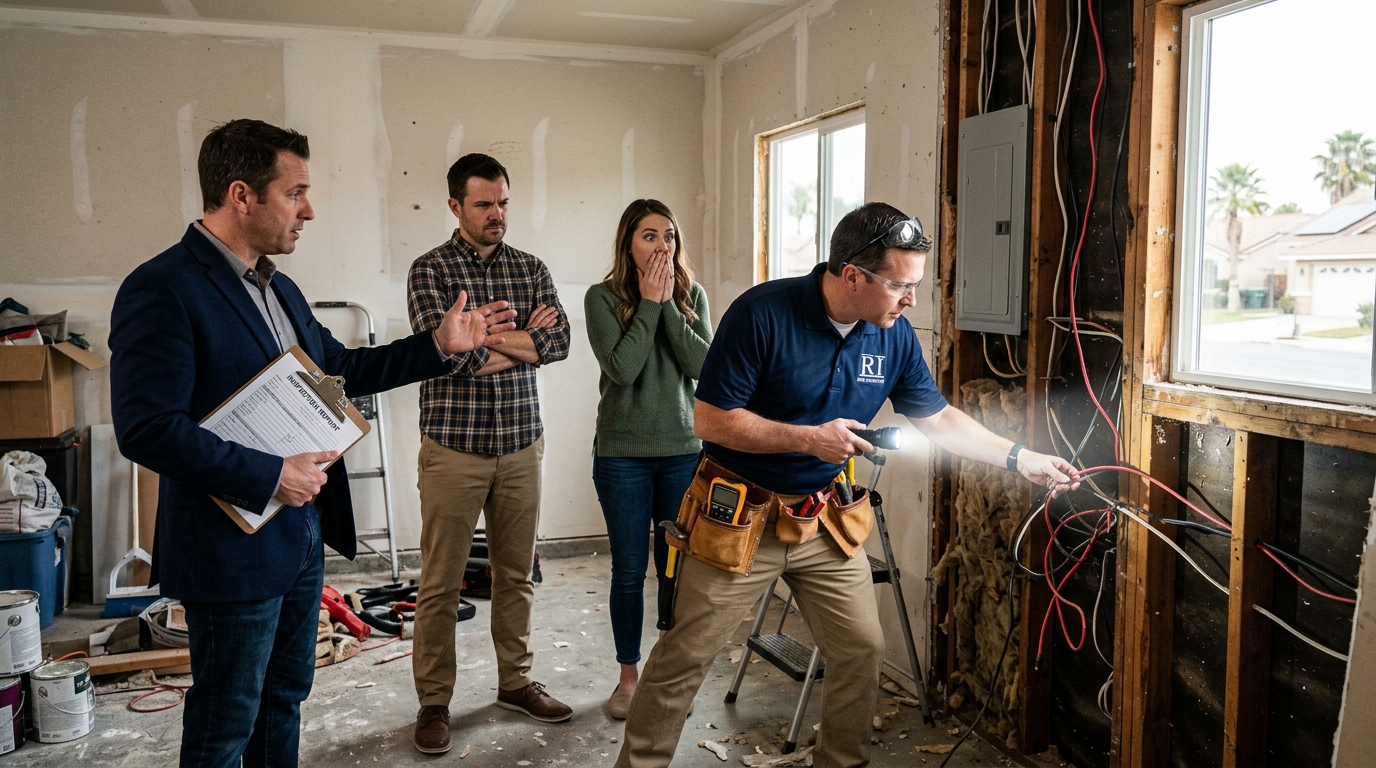
Riverside County is full of older homes that have been improved, expanded, and modified by previous owners who never went through the permitting process. Studies of Los Angeles, Oakland, and Berkeley found that between 11% and 66% of single-family homes include at least one unpermitted addition or conversion. Riverside County, with its older housing stock and long history of DIY additions and garage conversions, is no different.
What Counts as Unpermitted Work in California
In California, any significant improvement or modification to a home typically requires a building permit before work begins and an inspection after it is complete. Unpermitted work includes garage conversions, room additions, electrical upgrades, plumbing changes, HVAC installations, and even finished patios or enclosed sunrooms in some cases. The permit process exists to confirm that the work meets current California Building Standards, which are designed to protect the safety of future occupants.
If the work was done without a permit and never inspected, it is technically unpermitted regardless of whether the work itself is quality construction. A well-built garage conversion with solid framing and proper electrical can still be unpermitted if the city never issued a permit and a licensed inspector never signed off on it. Quality of the work alone does not make it legal.
The Legal Risk of Not Disclosing It
California law requires sellers to disclose any known defects or issues with the property, and that explicitly includes known unpermitted work. Hiding unpermitted additions or improvements from a buyer is considered fraud in California, and a buyer can sue you for the full cost of fixing or removing the unpermitted work after the sale closes. That legal exposure does not go away just because escrow closed and the transaction is complete.
According to the California Department of Real Estate, sellers throughout the state are bound by strict disclosure obligations. Disclosing what you know honestly protects you legally and allows the buyer to make an informed decision about whether to proceed with the purchase. Even if you plan to sell as-is, the disclosure is still required.
What Happens When Unpermitted Work Shows Up at Inspection
The most common way unpermitted work surfaces is during a buyer’s home inspection. An inspector walks through the property, spots an addition that does not appear in the original floor plan, or notices electrical work that does not match what is on record with the city. Once it shows up in the inspection report, the buyer and their agent immediately want to know who will be responsible for addressing it.
Why Traditional Buyers and Lenders Walk Away
Buyers using FHA loans, VA loans, or many conventional mortgage products often cannot close on a home that has significant unpermitted work. Lenders require properties to meet certain standards before they will fund a mortgage, and unpermitted work frequently fails those standards because the lender has no way to confirm the work is up to code without a permit and inspection record. Some lenders will insist the unpermitted work be legalized or removed entirely before they will approve the loan.
Even buyers who are willing to overlook the issue personally may find their hands tied by their lender. This is why homes with known unpermitted additions often fall out of contract during the inspection and financing contingency period, which is expensive and frustrating for sellers who have already taken the home off the market for weeks while waiting for the deal to close.
How Unpermitted Work Affects the Appraised Value
In a traditional sale, the lender orders an appraisal to confirm the home’s value supports the purchase price. Unpermitted square footage typically cannot be counted in the official appraised square footage, which means a garage conversion or room addition that adds 300 square feet to the home’s footprint may contribute nothing to the appraisal. This can result in a low appraisal that kills the deal even if both the buyer and seller want to move forward.
According to the Consumer Financial Protection Bureau, lenders must base their loan amount on the appraised value of the property. If the appraisal comes in below the sale price because unpermitted work cannot be counted, the buyer either needs to make up the difference in cash or the deal has to be renegotiated at a lower price. This is one more reason why unpermitted work creates friction in traditionally financed transactions.
Your Options for Selling a Riverside County Home With Unpermitted Work
You are not stuck. Riverside County homeowners dealing with unpermitted work have a few different paths forward, and the right one depends on how much time and money you have, and how quickly you need to close.
Getting a Retroactive Permit Before Listing
If the unpermitted work is solid and meets current California Building Standards, it may be possible to get a retroactive permit that legalizes the work after the fact. This process involves hiring a contractor to inspect the work and prepare as-built plans, submitting those plans to the city or county building department, paying investigation and plan-check fees, and scheduling any required inspections. If corrections are needed, those must be completed before the city signs off.
Retroactive permits in California typically cost $500 to $2,000 for modest projects, not counting the cost of any corrections the inspector requires. If the work does not meet current standards, the cost of corrections can climb significantly. Plan for a timeline of several weeks to several months depending on how complex the work is and how backed up the local building department currently is.
Here is a straightforward comparison of the three main paths for Riverside County sellers dealing with unpermitted work:
| Option | Time Required | Estimated Cost | Buyer Pool After |
|---|---|---|---|
| Retroactive permit before listing | Weeks to months | $500 to $5,000 plus any corrections | Full pool including financed buyers |
| List as-is on MLS with full disclosure | Standard listing timeline | Lower sale price expected | Mainly cash buyers and investors |
| Sell directly to a cash buyer | 7 to 30 days | No upfront costs, no agent commission | Cash buyer closes regardless |
Selling As-Is to a Cash Buyer
For most Riverside County sellers dealing with unpermitted work, selling directly to a cash buyer is the cleanest and fastest solution. Cash buyers do not use lenders, so there are no appraisal requirements, no lender conditions around permits, and no financing contingencies that can collapse a deal right before closing. They buy the property in its current condition and handle the permitting process after they own it.
In Riverside County specifically, unpermitted room additions and garage conversions are extremely common, and experienced cash buyers in the area are very familiar with how to handle them. You disclose the unpermitted work as required by California law, the cash buyer factors it into their offer, and the transaction moves forward without the back-and-forth that happens in a traditional sale when this issue comes up.
For more on how this type of situation works for California sellers, see our post on how to sell a California property when you live out of state, where cash buyers similarly remove complications that would otherwise drag out the sale. And for answers to common seller questions, visit our FAQs page.
What to Expect From the Cash Sale Process in Riverside County
If you have never sold to a cash buyer before, the process is simpler than most people expect. In Riverside County, where homes with unpermitted work are not unusual, local cash buyers have dealt with this situation many times before and know how to move through it efficiently.
How Fast It Can Close and What You Actually Walk Away With
Market data shows the median sale price in Riverside County is currently around $603,083. Homes that go the traditional listing route are spending up to 73 days on the market on average in some areas of the county. That is over two months of carrying costs, not counting the additional time needed upfront to address unpermitted work before listing or during buyer negotiations.
With a cash buyer, the process starts the day you reach out. You share basic property details, the buyer schedules a walkthrough within 24 hours, and you receive a written cash offer within 24 hours of that walkthrough. If you accept, the title company handles escrow. Most Riverside County cash transactions close in 7 to 30 days. You pay no agent commission and most reputable cash buyers cover standard closing costs, so the offer you accept is very close to what you actually receive at closing.
When you look at the numbers honestly, many Riverside County sellers find the net from a cash sale competes well with a traditional listing once you subtract the agent commission, months of carrying costs, potential repair requirements, and any costs associated with legalizing unpermitted work before listing. For more on selling challenging properties quickly, see our related post on selling a distressed property in Dallas-Fort Worth. The same principles apply in Riverside County.
Green Flags That Show a Cash Buyer Is Trustworthy
A legitimate Riverside County cash buyer will show you written proof of funds promptly when you ask for it. They will give you the name of the title or escrow company they plan to use before you sign anything. They will not charge you any upfront fees before the closing date. And they will be patient with your questions and give you reasonable time to review any offer without pressure.
According to the U.S. Department of Housing and Urban Development, homeowners facing difficult property situations have the right to seek housing counseling to understand all their options before committing to any transaction. A buyer who pressures you to sign quickly or refuses to give you time to get independent advice is a red flag and should not be trusted with your property.
- Written proof of funds provided promptly upon request with no hesitation
- Named title or escrow company shared with you before any contract is signed
- No upfront fees of any kind before the closing date arrives
- Clear, written offer with no hidden deductions or unclear language
- Willingness to answer questions and give you reasonable time to decide
- Verified reviews on Google and the Better Business Bureau from past sellers
When you are ready to get a no-obligation offer on your Riverside County home, reach out through our Contact Us page to start a conversation with no pressure and no commitment required.
Conclusion
Selling a Riverside County home with unpermitted work is a real challenge in a traditional sale, but it does not have to stop you from selling or force you into an expensive permitting process. The key is understanding your disclosure obligations, knowing how each selling path handles the issue, and choosing the option that best fits your timeline and budget. For most Riverside County sellers with unpermitted additions, selling directly to a cash buyer is the fastest and most practical route to closing without the stress.
If you want to find out what a cash offer looks like for your Riverside County home, reach out to us at Buy Your Properties today. We are familiar with the Riverside market and handle unpermitted work situations regularly with no drama and no upfront costs to you.
Frequently Asked Questions
Do I have to disclose unpermitted work when selling my Riverside County home?
Yes. California law requires sellers to disclose all known defects and issues with the property, including any unpermitted work or additions. Failing to disclose known unpermitted work is considered fraud in California and can expose you to legal liability from the buyer after the sale closes. Disclosure is required regardless of how you choose to sell the home or who the buyer is.
Can I sell my Riverside County home as-is with unpermitted additions?
Yes. You can sell a Riverside County home as-is with unpermitted additions by working with a cash buyer. Cash buyers do not use mortgage lenders, so there are no lender requirements around permits or appraisal standards. You disclose the unpermitted work as required, the buyer factors it into their offer, and the sale moves forward without the complications that typically arise in a financed transaction.
How much does it cost to get a retroactive permit in Riverside County?
Retroactive permit fees in California typically run $500 to $2,000 for modest projects. However, if the building department requires corrections before signing off on the work, the total cost can climb significantly higher. The process can also take several weeks to several months depending on the scope of the work and the current backlog at the local building department, which adds further carrying costs during that waiting period.
Will unpermitted work reduce the sale price of my home?
In a traditionally financed sale, yes. Unpermitted square footage cannot be counted in the lender’s appraisal, which can reduce the appraised value and create a gap between the sale price and what the lender will fund. In a cash sale, the buyer factors the unpermitted work directly into their offer based on the cost to legalize or address it after closing. The reduction in a cash offer is often smaller than the combination of appraisal gaps, repair costs, and carrying costs that arise in a traditional sale.
How quickly can I sell my Riverside County home with unpermitted work to a cash buyer?
Most cash sales in Riverside County close in 7 to 30 days from the date you reach out. Compared to the average days on market for traditional Riverside County listings, plus the additional time needed upfront to address unpermitted work before listing, a cash sale is significantly faster and saves you months of carrying costs on a property you are ready to move on from.