
If you own a home in a California fire zone and need to sell, the process is more involved than a standard home sale. Between required disclosures, a struggling insurance market, and buyers who are increasingly cautious about fire risk, these properties come with their own challenges. But plenty of California homeowners sell fire zone properties every year, and understanding how the process actually works puts you in a much stronger position from the start.
What It Means to Own a Home in a California Fire Zone
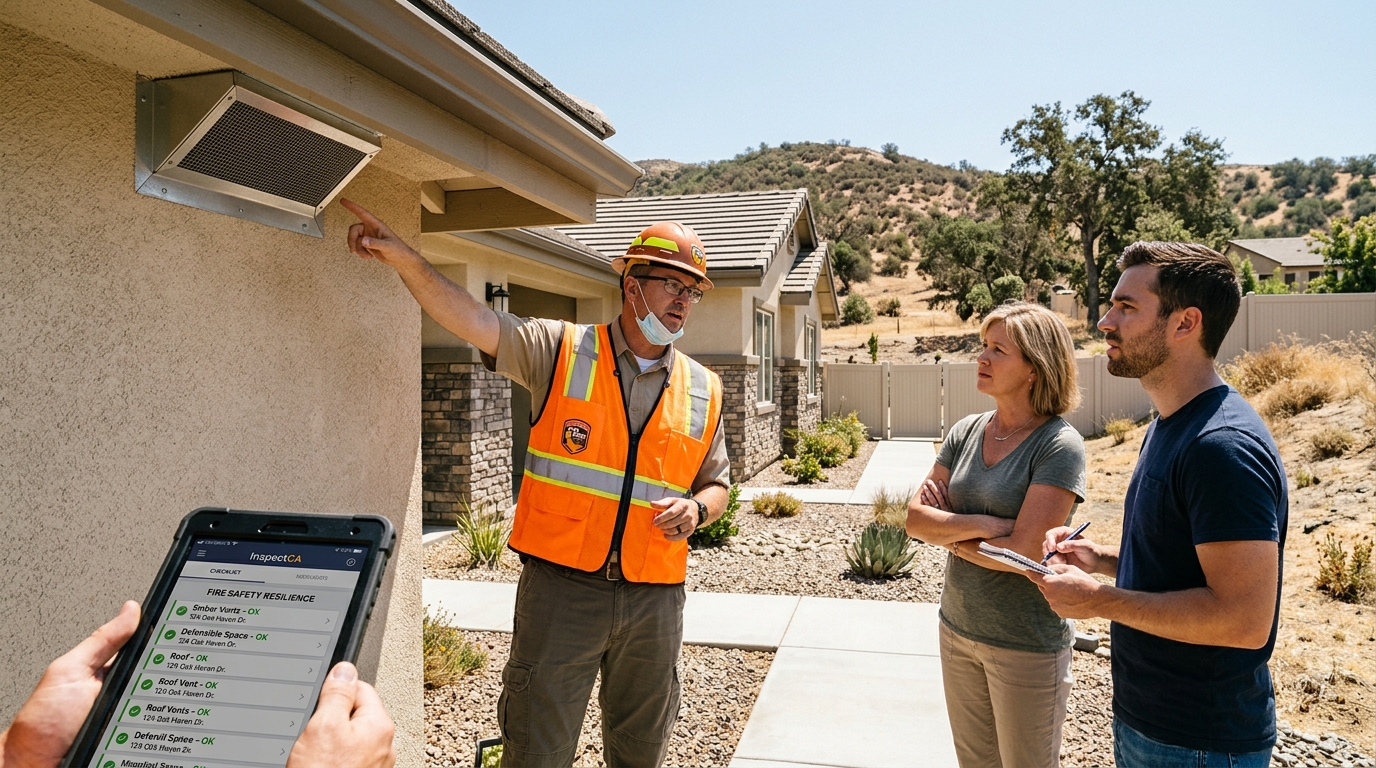
A lot of California homeowners are surprised to find out their property falls in a designated fire zone. The label gets assigned based on geography, climate, and vegetation, not on whether a fire has ever actually touched the property. Understanding your specific designation matters because it determines what disclosures you are legally required to make and how buyers will view the home before they ever visit it.
How Fire Hazard Severity Zones Are Classified in California
According to the California Office of the State Fire Marshal, the state classifies fire hazard into three tiers: Moderate, High, and Very High. The classification is based on physical factors like vegetation type, topography, and climate patterns over a 30 to 50-year window. It measures hazard potential, not actual current risk, which means a property could carry a Very High designation even if no major wildfire has occurred nearby in decades.
These Fire Hazard Severity Zones, known as FHSZs, are mapped across all State Responsibility Areas in California under California Public Resources Code sections 4201 through 4204. New FHSZ maps were released in phases throughout early 2025, meaning many homeowners found their property’s classification changed. If you have not checked the updated map recently, it is worth doing before you list your home.
Which Parts of California Are Most Affected
Fire zone designations show up across all of California, but the highest-risk areas tend to be in the foothills, mountain communities, and places along the wildland-urban interface where neighborhoods meet undeveloped land. In 2024 alone, wildfires burned more than 1 million acres across California, and the devastating January 2025 fires in Pacific Palisades and Altadena in Los Angeles made the wildfire threat very real for millions of homeowners who had not previously considered it a direct concern.
Research published by Resources for the Future, a nonprofit research institute, found that disclosing wildfire risk to potential homebuyers does influence buyer behavior and can reduce sale prices, because buyers factor in future insurance costs and ongoing fire risk. For sellers, this means how you present and document your property’s fire safety measures can genuinely affect the offers you receive.
The Disclosure Rules Every California Fire Zone Seller Must Know
California has more disclosure requirements than almost any other state, and fire zone properties carry some of the most specific rules. Getting these right is not optional. Failing to properly disclose fire hazard information can expose you to legal liability from a buyer even after the sale has closed.
What the Natural Hazard Disclosure Requires
Every California home seller is required to provide buyers with a Natural Hazard Disclosure statement, known as the NHD. If your property falls within a Very High Fire Hazard Severity Zone, the NHD must state that clearly. The disclosure also informs the buyer that the state may not be responsible for providing fire protection services to the property if it sits in a wildland area where only local agencies operate.
The NHD requirement applies regardless of whether the property has ever experienced fire damage. If your property is in a designated zone, the disclosure is mandatory. Buyers use this information to evaluate insurance options and understand ongoing maintenance obligations that come with the property, such as maintaining defensible space and clearing vegetation within 100 feet of the home.
What AB 38 Added for Homes Built Before 2010
California’s AB 38, which passed in 2019 and has been required since summer 2025, adds a second layer of disclosure for older homes. If your home was built before 2010 and sits in a high-risk fire zone, you are now required to provide buyers with a home hardening disclosure. This document lists specific features that could make the home more vulnerable to fire, including combustible roofing materials, single-pane windows, uncovered attic vents, and vegetation within five feet of the structure.
Sellers who have made improvements, such as installing a fire-resistant roof, adding gutter covers, or replacing single-pane windows with tempered glass, can document those upgrades in the disclosure. A well-hardened home is more insurable, which makes it more attractive to buyers who need a mortgage. It also creates a paper trail that protects you from future legal claims related to fire damage.
The Insurance Problem That Is Making Fire Zone Sales Harder
Honestly, the insurance situation in California’s fire zones has become the single biggest obstacle for sellers. It is not just about whether your home has fire damage. It is about whether any buyer who needs a loan can actually get affordable coverage for the property, and that has gotten extremely difficult in recent years.
Why So Many Insurers Have Left California Fire Zones
Since around 2019, major insurance carriers including State Farm, Allstate, Farmers, and others have stopped writing new homeowners policies or have declined to renew existing policies in fire-prone California ZIP codes. The January 2025 fires accelerated this retreat further. The California FAIR Plan, the state’s insurer of last resort, absorbed billions in losses that exhausted its reserves during that period.
As of mid-2025, the FAIR Plan covers more than 590,000 residential properties in California, a number that has more than doubled in recent years as private carriers pulled out of the market. When a buyer cannot find private insurance for a property, their lender typically will not approve the mortgage, which effectively eliminates most financed buyers from your potential pool. For more on how California sellers handle difficult market conditions, see our post on how to sell a Bay Area fixer-upper without making repairs.
What the FAIR Plan Actually Covers and What It Does Not
The FAIR Plan is not a complete homeowners insurance policy. It covers fire, but it does not cover theft, liability, or water damage. Lenders typically require a Difference in Conditions policy, known as a DIC, to supplement the FAIR Plan and fill those coverage gaps. Together, a FAIR Plan plus DIC policy can provide roughly equivalent coverage to a traditional homeowners policy, but at a significantly higher total cost, sometimes $10,000 to $25,000 per year or more in the highest-risk areas.
This is why many buyers of fire zone properties find themselves in a difficult position. Even if they want the home, the combined insurance cost can price them out of the deal. Cash buyers do not have lender insurance requirements, which removes this barrier entirely and is one of the main reasons why cash offers are so common for California fire zone properties.
Your Selling Options When You Own a Fire Zone Property in California
Fire zone properties sell every day in California, even in the current environment. Your options look different depending on how fast you need to close, how much time you have for preparation, and how much of the process you want to manage yourself.
Listing on the MLS With a Local Agent
Listing your fire zone property on the open market is possible, but it takes patience and preparation. You will need to complete all required disclosures, including the NHD and the AB 38 home hardening report if your home was built before 2010. If your home has features that make it more vulnerable to fire, buyers and their agents will notice and you should expect negotiation around those issues before and after any inspection.
The buyer pool for fire zone properties on the MLS has narrowed as insurance became harder to obtain. Many buyers who want to use a traditional mortgage will struggle to get insured at an affordable cost, limiting your realistic buyer pool to cash buyers and investors even when you list publicly. Here is a straightforward comparison of what each selling path looks like for a California fire zone seller:
| Selling Factor | Traditional MLS Listing | Cash Buyer Sale |
|---|---|---|
| Buyer pool | Narrowed by insurance barriers | Open regardless of insurance issues |
| Disclosure requirements | Full NHD and AB 38 required | Full NHD and AB 38 still required |
| Repairs needed | Often requested by buyers | None, sold as-is |
| Time to close | 60 to 90 plus days | 7 to 21 days |
| Agent commission | 5% to 6% | None |
| Risk of deal falling through | High due to insurance and financing | Very low |
Selling Directly to a Cash Buyer
For many fire zone sellers in California, selling to a cash buyer is the path that actually gets the deal done. Cash buyers do not use lenders, so there are no insurance requirements to meet during the transaction. They purchase properties as-is, which means you are not responsible for making fire-hardening improvements or cosmetic repairs before closing.
The process is straightforward. You reach out, share basic details about the property, and the buyer schedules a walkthrough within 24 to 48 hours. You receive a written offer, and if you decide to move forward, the title company handles escrow. Most cash transactions in California fire zones close in 7 to 21 days. Cash buyers factor the fire zone designation and any property conditions into their offer upfront, so there are no surprise deductions at the closing table.
To see the locations where we help California fire zone sellers, visit our Locations page. For more on how selling as-is works in Southern California specifically, see our related post on how to sell a San Diego home as-is for a quick closing. And when you are ready to get a no-obligation offer, our Contact Us page is the best place to start.
Conclusion
Selling a fire zone property in California takes more preparation than a typical home sale, but it is absolutely doable. The biggest factors working against you are the insurance market and the limited pool of buyers who can qualify for a mortgage on a high fire hazard designation property. Understanding your disclosure obligations, knowing what the FAIR Plan does and does not cover, and choosing the right selling method for your situation will make the whole process faster and less stressful.
If you own a California fire zone property and want to find out what a cash offer would look like, reach out to us at Buy Your Properties today. We can give you a no-obligation offer without requiring any repairs, insurance changes, or improvements before closing.
Frequently Asked Questions
Do I have to disclose that my California home is in a fire zone when I sell?
Yes. California requires sellers to complete a Natural Hazard Disclosure statement that clearly states if the property is located in a Very High Fire Hazard Severity Zone. Sellers of homes built before 2010 in high-risk zones must also complete a home hardening disclosure under California’s AB 38 law, which has been in effect since summer 2025. Failing to provide required fire zone disclosures can result in legal liability from the buyer even after the sale closes.
Can I sell a fire-damaged property in California?
Yes. Fire-damaged properties can be sold in California, and cash buyers regularly purchase them as-is. You must disclose the extent of any known fire damage in your seller disclosures. A cash buyer will factor the damage into their offer and handle repairs after closing, so you do not need to make any repairs or improvements before the sale is complete.
Why is it so hard for buyers to get insurance on California fire zone homes?
Many major California insurers have stopped writing new policies or have declined to renew existing policies in fire-prone areas. Buyers are often pushed to the California FAIR Plan, which only covers fire and not theft, liability, or water damage. Buyers who need a full homeowners policy to qualify for a mortgage may struggle to find one at an affordable cost, which reduces the pool of buyers who can close on a fire zone property with financing in place.
Will my fire zone designation affect how much my home sells for?
In a traditional listing, the designation can reduce buyer interest and negotiate-down the price because buyers factor in future insurance costs. Research from Resources for the Future found that providing wildfire risk disclosure does influence buyer behavior. Cash buyers who specialize in California fire zone properties understand the market and typically make offers based on local comparable sales and the property’s actual condition rather than the zone designation alone.
What is the fastest way to sell a California fire zone property?
The fastest way to sell is to sell directly to a cash buyer. Because cash buyers do not require lender approval or insurance coverage during the transaction, the sale can close in 7 to 21 days in most cases. You do not need to make any fire-hardening improvements before closing, and most reputable cash buyers cover standard closing costs so you keep more of the sale proceeds.