
There is a point many landlords hit when managing a Boston rental property just stops feeling worth it. The late payments. The repairs. The difficult tenants. The phone calls at 11 PM about a broken heater. If you are reading this, you probably know that feeling well. The good news is that you have real options. Selling your Boston multi-family property fast is not only possible, it might be the smartest move you make this year.
Why So Many Boston Landlords Are Ready to Walk Away
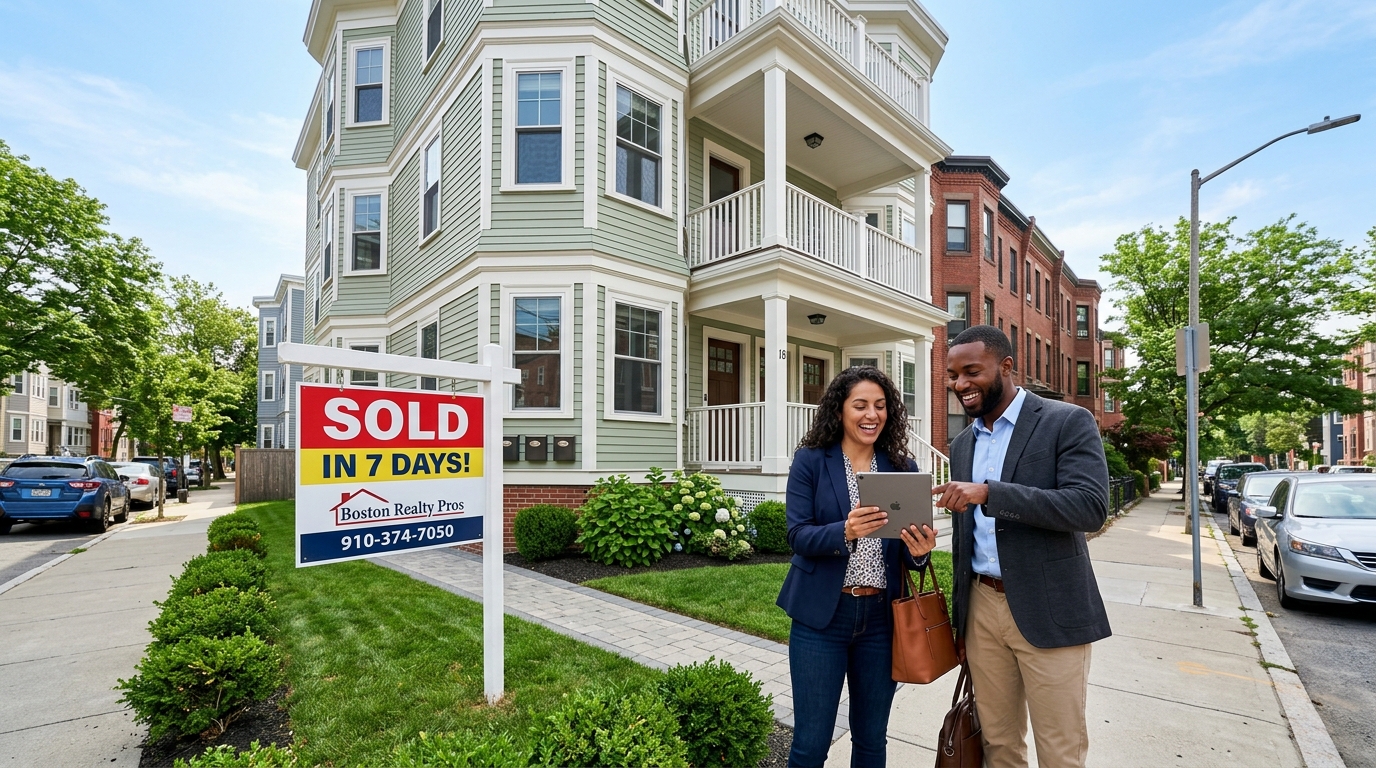
Most tired landlords did not start out tired. They bought their duplex or triple-decker in Dorchester, Jamaica Plain, or East Boston thinking it would be a solid long-term investment. And maybe it was, for a while. But things change. Maintenance costs go up. Tenants get harder to manage. And the regulations keep adding up.
People do not always sell because the market is bad. They sell because they are burned out. And that is a completely valid reason to move on from a property that is no longer working for you.
The Real Cost of Holding on to a Boston Multi-Family
If you own a multi-family property in Boston, you know the costs go way beyond the mortgage. There are property taxes, insurance, water and sewer bills, maintenance, pest control, and surprise repairs that always seem to show up at the worst possible time.
According to a Q4 2024 report by Colliers, a commercial real estate firm, Boston’s overall multifamily vacancy rate was 5.9% at the end of 2024. That might sound low, but one vacant unit in a two or three-family building can wipe out months of profit. Holding costs add up fast, especially when you are also dealing with tenant issues or aging building systems at the same time.
Rising Costs and Changing Regulations in Massachusetts
Boston is one of the more tenant-friendly cities in the country. That is great for renters, but it puts more responsibility on landlords. Eviction laws in Massachusetts are detailed and strict. The process can take months and costs real money in legal fees.
According to Mass.gov, the state’s official government website, landlords are required to follow strict safety codes, handle security deposits in very specific ways, and meet detailed housing standards. As of August 2025, there are new rules about who pays broker fees for rental units. If you are not keeping up with the law, you are exposed to real liability. For many landlords, these changes are the final push toward selling.
How to Sell a Boston Multi-Family Property Fast
Once you decide you are done, the next question is how to sell quickly without leaving money on the table or creating problems for your tenants along the way.
The Fastest Route: Selling to a Cash Buyer
If speed is your main goal, selling to a cash buyer is almost always the fastest option. There are no bank approvals to wait on, no buyer financing that can fall through at the last second, and no lengthy inspection negotiations that drag things out. Cash buyers who focus on Boston multi-family properties understand how these deals work. They know how to handle tenants who are still in place, and they do not require you to make repairs or upgrades before closing.
In many cases, you can close in two to three weeks. That is a big deal when you are paying holding costs every month on a building that is draining your time and energy. Check out our locations page to see the markets where we actively work with landlords looking to sell fast.
Selling with Tenants Still in Place
A lot of landlords worry about what happens to their tenants when they sell. Here is the reality: you absolutely can sell a multi-family property with tenants still living there. In fact, many investors prefer it because it means the building already has existing cash flow from day one.
That said, you do need to honor your obligations. Massachusetts tenants have legal rights when a property changes hands. You need to give proper notice, honor existing leases, and handle security deposits exactly as required by state law. Our guide on preparing your tenants for an ownership change walks through exactly what you need to do so the transition goes smoothly for everyone involved.
What to Expect When Pricing a Boston Multi-Family Property
Getting the price right is one of the most important steps toward a fast sale. Price too high and the property sits. Price too low and you leave real money on the table. Understanding how investors look at these properties helps you price with confidence.
How Multi-Family Homes Are Valued in Boston
Multi-family properties are not priced the same way as single-family homes. Investors look at the actual income the building produces, not just what similar homes sold for nearby. Here is a simple breakdown of the key metrics buyers use when evaluating a Boston multi-family.
| Metric | What It Means | Why It Matters |
|---|---|---|
| Gross Rent Multiplier | Sale price divided by annual gross rent | Lower GRM means a better deal for the buyer |
| Cap Rate | Net operating income divided by sale price | A higher cap rate equals a better return on investment |
| Net Operating Income | Gross rent minus operating expenses | The actual profit the building produces each year |
| Price Per Unit | Total sale price divided by number of units | A common benchmark used across the Boston market |
Boston multi-family prices are among the highest in the country. Depending on the neighborhood, a two-family or three-family home can range from $700,000 to well over $1 million. Dorchester, Jamaica Plain, East Boston, and Roxbury all have strong investor demand right now from buyers who actively want to acquire these properties.
What Investors Are Looking for in Boston Right Now
Most active buyers in the Boston multi-family market are investors, not people planning to live in the building. They are looking for stable rental income, a solid location, and a building that does not need a full gut renovation before it can produce income.
If your building has long-term tenants paying close to market rent, that is actually a selling point, not a problem. Investors price in some deferred maintenance. They do not need a perfect building. They need a solid property in a neighborhood where rental demand is strong, and they can usually see the investment potential even through cosmetic issues.
Key Steps to Take Before You List Your Boston Multi-Family
You do not need a full renovation to sell fast. But a few simple steps taken ahead of time will make the process smoother and help you avoid surprises once buyers start asking questions.
Get a Rent Roll and Expense Sheet Together
Before you talk to any buyer, put together a rent roll. This is simply a list of each unit, the monthly rent, the lease start and end dates, and the tenant payment history. Buyers will always ask for this, and having it ready shows you are organized and ready to close without delays.
Also pull together a list of your operating expenses: property taxes, insurance, utility bills, recent repair costs, and any management fees you pay. This gives buyers a clear and honest picture of what the building actually costs to run each year, which is exactly what they need to make an offer with confidence.
Know Your Mortgage Payoff and Tax Situation
Before you agree to a sale price, make sure you know exactly how much you owe on the building. Get a payoff statement from your lender so you know what will need to be cleared at closing before any proceeds come to you.
Also think through your capital gains tax situation. If you have owned the property for several years and it has gone up significantly in value, you may owe taxes on the gain when you sell. A 1031 exchange is one option to defer those taxes if you plan to reinvest in another property. Always speak with a tax professional before you sign anything. If you want help sorting through the numbers, reach out through our contact page and one of our team members will help walk you through the process.
Selling As-Is vs. Making Repairs Before You List
This is one of the biggest decisions a tired landlord faces. And for most people in this situation, the answer is simpler than it seems.
Why Selling As-Is Often Makes More Sense for Tired Landlords
Most tired landlords have the same story: the building needs work but they do not have the time, money, or energy to deal with contractors while tenants are still living there. That is okay. You do not have to fix the building before you sell it.
When you sell as-is, you price the property to reflect its current condition. Investors who buy multi-family homes expect some level of deferred maintenance and build those repair costs into their offer. They take care of improvements after closing. You can read more about how as-is sales work in our guide on selling a house as-is to understand what that process looks like in practice.
Small Fixes That Help Without Costing Much
If you want to get the best possible price without doing a full renovation, a few small things can make a real difference. Clean up the common areas so the building shows well. Fix any obvious code violations. Make sure smoke detectors and carbon monoxide detectors are in working order. Address any active water leaks or structural safety concerns.
Investors do not need new kitchens or updated finishes. What they care about is a building that is structurally sound, legally compliant, and ready for them to step in and manage. Focus on the basics and let the buyer handle the cosmetic improvements once they take over.
Conclusion
Being a tired landlord in Boston does not mean you are stuck. The city has one of the strongest multi-family real estate markets in the country, and investors are actively looking for properties exactly like yours, even if they need some work and some attention.
The fastest path forward is knowing your numbers, getting your key documents together, and deciding whether you want to list on the open market or go straight to a cash buyer. Either way, you have solid options and you do not have to figure this out alone.
If you are ready to talk through what your building might be worth and how quickly you could close, reach out through our contact page. We are here to help you make your next move with confidence.
Frequently Asked Questions
Can I sell my Boston multi-family property if tenants are still living there?
Yes. You can sell a multi-family property with tenants in place. Many investors actually prefer it because it means existing rental income from day one. You do need to honor existing leases and follow Massachusetts law regarding proper notice and security deposit handling during the transition.
How fast can I close if I sell to a cash buyer?
Cash buyers can often close in as little as two to three weeks, sometimes faster. The main factor affecting the timeline is how quickly the title search is completed and whether any title issues need to be resolved before closing can happen.
Do I have to make repairs before selling my multi-family property in Boston?
No. Selling as-is is a common and accepted approach for multi-family sales in Boston. Investors factor the condition of the building into their offer price. You are not required to renovate, though addressing obvious safety or code violations can make the sale process cleaner and faster.
What taxes will I owe when I sell my Boston multi-family property?
You may owe capital gains tax on the profit from the sale if the property has appreciated since you bought it. If you claimed depreciation as a rental expense over the years, depreciation recapture may also apply. A 1031 exchange can help defer these taxes if you plan to reinvest in another property. Always consult a tax professional before closing on any sale.
What documents do I need to sell a multi-family property in Boston?
You will typically need current leases for all tenants, a rent roll, proof of ownership, your mortgage payoff statement, property tax records, building permits, and a summary of major repairs and ongoing expenses. Having these documents ready before you start talking to buyers will speed up the entire process significantly.