

Refinancing 101: Everything You Need to Know About Refinancing Your Home

View of a house from outside

Since the beginning of 2021, homeowners who refinanced their mortgages have saved more than $2,800 a year on their monthly payments. You may be able to save money over the long term by refinancing your mortgage during this time of economic uncertainty. If you’re thinking about refinancing your mortgage, it has some great benefits. So, here’s a breakdown of the process and everything you need to know.

What is Refinancing?

Refinancing is the process of changing the terms of an existing credit transaction, most commonly a loan or a mortgage. Refinancing a credit obligation is a way for a business or individual to adjust their interest rate, payment schedule and other contract terms. The borrower receives an entirely new contract that replaces the prior one upon approval.

As the term implies, you’re taking out another loan on your property, usually, for the balance you still owe. Ideally, the terms of your new loan will be better than those of your previous one.  It all relies on how much equity you have in your home (i.e. the amount of loan you have paid) and your credit score when you apply for a mortgage.
Handing out a contract to someone

How to Refinance?

If you have decided to refinance your home, here is a list of everything you need to do.

Check Your Finances

If you’re thinking about refinancing your home loan, make sure it’s a solid financial decision. Understand how long it will take for refinancing costs to pay for themselves. If it makes sense, it’s time to examine your finances:
  • For new loans, be sure you have good credit.
  • A minimum of 20 percent equity in your property is recommended.
  • See what options you have by checking current interest rates.
  • Check to see if the new payment will fit into your monthly spending plan.

Research for Mortgage Lender

Your initial mortgage lender does not have to be your refinancer, and getting quotes from other lenders is one of the most effective strategies to ensure that you get the best deal possible. If numerous lenders examine your credit at the same time, your score won’t reflect the various inquiries. This may necessitate going through the pre-approval procedure a few times. You may even save thousands of dollars by comparing rates from multiple lenders.
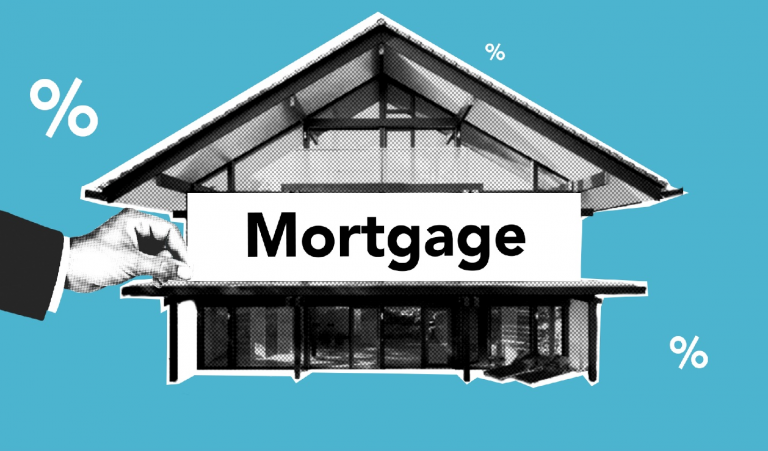
Picture of a house with mortgage written on it

Compare the Quotes

Make a comprehensive comparison of the refinance offers you’ve narrowed down. Aside from interest rates, it’s important to look at the closing costs and other aspects of the loan before making a final decision. If you wish to refinance in the future and one of the offers includes a cost for early repayment, for example, you’ll have to pay more. Closing costs could be greatly reduced if one offers does not charge an origination fee.

Apply

Once you’ve decided on an offer, the next step is to apply for a mortgage and gather all required documentation, such as your most recent pay stubs, tax filings, and bank records. Just like your first mortgage application, this one will feel familiar. The financial and credit condition will be closely examined when you apply for a refinance instead of becoming preapproved or prequalified. You should be prepared to provide additional information while the lender reviews your application, so you can keep the process moving forward.

Lock the Interest Rate

Most mortgage providers permit you to set your interest rate once you’ve been accepted for a refinance. Even if the market rate rises before you sign the loan, your interest will not change. Even if the inflation rate falls, your rate is unlikely to change. As soon as you’ve locked in your interest rate, you can begin arranging your financial plan because you know how much your installments will be.
An aerial view of houses

Why Consider Refinancing?

Cash-strapped homeowners can profit from refinancing because it frees up money in their monthly budgets. This could be an advantage for those whose expenses are expected to go up or whose earnings are down.
Refinancing can also be used to shorten the current term of a 30-year mortgage to 15 years. With the right interest rate, this could only marginally alter your monthly budget while allowing you to pay off your loan more quickly. Mortgage payment may be waived while the paperwork for the new loan is completed and the new loan is in place.

Why Not Consider Refinancing?

Refinancing is not always a good option. Sometimes, you might be better off selling your property. Resetting your loan to its original term may result in higher interest payments in the long run, even if you save money in the short term. Moreover, if rates fall, you’ll have to refinance to take advantage of the new lower rate if you have a fixed-rate mortgage. You could also potentially lose some of your home’s equity.
Most importantly, your monthly payment rises with a shorter loan term, and you must pay closing costs for the refinance.

How Can We Help?

Making the decision to refinance your mortgage or not could be a tough one, but our experts at Buy Your Properties can help you arrive at the right decision.
Contact us for more information.
💬